
How Many Bridesmaids Does the Average Bride Have? A Helpful Guide for Wedding Planning
When planning your wedding, you might have a question about the number of bridesmaids to include. The average number of bridesmaids is around four to five. However, your choice can depend on your personal style and the size of your wedding day. Whether you envision a small, intimate gathering or a grand celebration, the number of bridesmaids can greatly affect the vibe of your event.
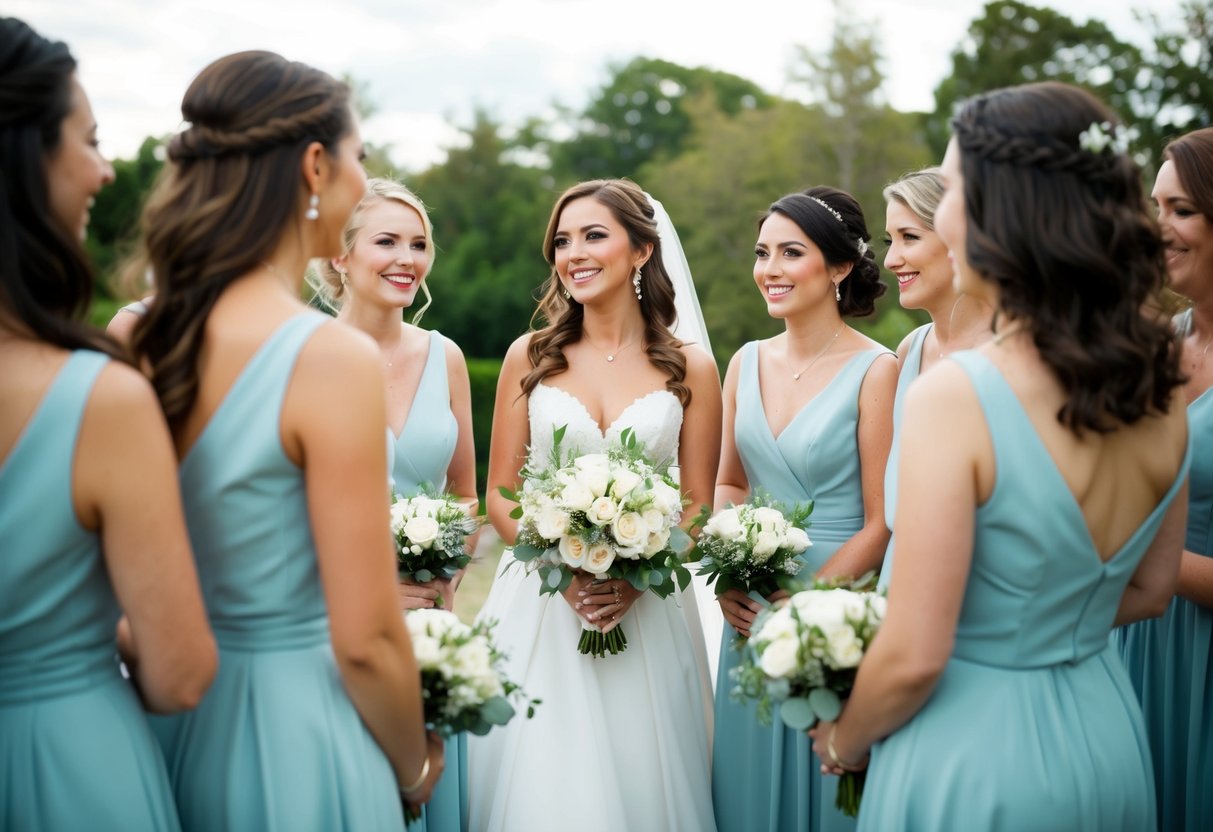
Choosing your bridesmaids is a special decision, as these individuals will be with you on one of the most important days of your life. You may want to keep it simple with just a couple of close friends or go for a larger group that reflects your love network. The key is to select those who support you and bring joy to your wedding experience.
As you think about how many bridesmaids to have, remember that there is no right or wrong answer. Each wedding is unique, and ultimately, it’s about what feels right for you and enhances your big day. Let’s explore some popular options and tips to help you decide the perfect number for your bridal party!
Understanding the Role of Bridesmaids
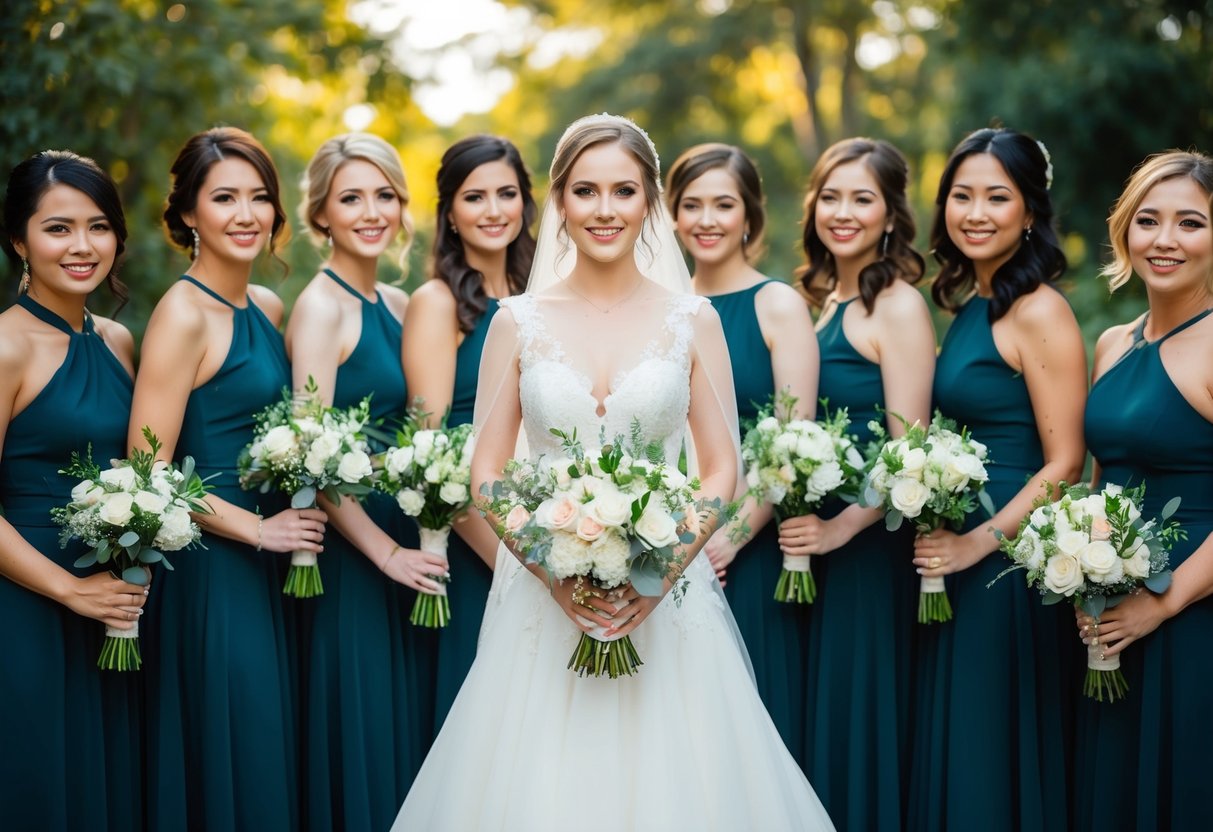
Bridesmaids play an important part in the wedding experience. From helping with planning to providing emotional support, their roles can be both varied and fulfilling. Here’s a closer look at what bridesmaids do, along with the distinctions between different bridal party members.
Duties and Responsibilities
Bridesmaids have several key duties. These can include planning the bridal shower and bachelorette party, helping the bride select her dress, and assisting with wedding day preparations. You may also be responsible for attending fittings and rehearsals.
On the wedding day, bridesmaids help to keep everything running smoothly. They assist the bride with her dress and makeup and ensure she stays calm. Being punctual and organized is also crucial. While duties can vary, your main job is to support the bride in every way possible.
Importance of Emotional Support
Being a bridesmaid means providing emotional support. Weddings can be stressful, and the bride may need someone to talk to. You can help by being a listening ear or simply offering a comforting presence during tense moments.
Your role is more than just tasks; it’s about being there when it counts. A bridesmaid can uplift the bride’s spirits and keep her focused on the joy of the day. Knowing you are by her side can make a significant difference.
Bridesmaids vs. Maid of Honor and Matron of Honor
Not all bridal party members have the same title. The maid of honor is typically the bride’s closest friend or relative. This person often takes on more responsibilities than other bridesmaids. Duties might include managing schedules and coordinating bridesmaids.
The matron of honor is similar but is usually married. Both roles involve offering significant support. All bridesmaids share the goal of helping the bride, but the maid and matron of honor have extra tasks that can include leading the bridal party during the ceremony.
Each role in the bridal party is valuable, contributing to a seamless, enjoyable celebration.
Determining the Size of Your Bridal Party

Choosing your bridal party size is an important part of wedding planning. Factors like the size of your wedding, your relationships with friends and family, and your personal style all play a role in this decision.
Impact of Wedding Size on Bridal Party
The size of your wedding often influences how many bridesmaids you should have. For a small wedding with just 50 guests, having 2 to 4 bridesmaids may feel just right. It keeps things intimate and simple.
In contrast, larger weddings with 200 or more guests often have larger bridal parties. In this case, 5 to 12 bridesmaids may work well. A larger group can make a big wedding feel more balanced and festive. Keeping the wedding size and bridal party size aligned will help in creating a harmonious atmosphere for the day.
Balancing Friends and Family
When deciding on your bridal party, consider how to balance family members and close friends. You may feel the urge to include everyone who is close to you. However, think about the dynamics.
If you have a large family, it can be difficult to choose who to include. You might prioritize immediate family members first and then select a few close friends. Aim for a number that feels right without making anyone feel left out.
Creating a list of your closest friends and family can help visualize your bridal party. Remember, it’s your special day, so choose those who truly support you.
Personal Preferences and Wedding Vision
Your personal style and vision for the wedding should also guide how many bridesmaids you include. If you envision a chic, minimalist ceremony, a smaller bridal party might complement this look.
On the other hand, if your dream wedding is vibrant and celebratory, a larger group can add to the fun and energy.
Ultimately, your preferences are key. Think about how you want to feel surrounded by your supporters. A well-chosen bridal party enhances the joy of your wedding day and makes it unforgettable.
Planning for Your Bridesmaids

Planning for your bridesmaids can be both exciting and challenging. You want to ensure that your wedding party feels included and valued. Here are some key factors to consider, from attire to events.
Bridesmaid Dresses and Attire
Choosing the right dresses for your bridesmaids is an important part of your wedding planning. Think about colors, styles, and budgets. You’ll want a look that fits your wedding theme while being flattering for everyone.
Consider having a fitting session where all your bridesmaids can try on different styles. This way, you can gather opinions and ensure everyone feels comfortable. Also, discuss if you want them to wear matching dresses or if you prefer a mix of styles in the same color palette.
Don’t forget about their shoes and accessories. You can suggest a specific type of shoe that suits your theme. Make sure to confirm if the attire is within their budget, as weddings can be costly.
Pre-Wedding Events and Parties
Planning pre-wedding events like a bridal shower or a bachelorette party is a great way to bond with your bridesmaids. These gatherings offer a chance for everyone to get to know each other better.
When discussing these parties, involve your bridesmaids in the planning process. Ask for their ideas on activities. It could be a fun weekend getaway, a relaxing spa day, or a lively night out.
Make sure to set a budget for these events so everyone is comfortable participating. If needed, delegate tasks among your bridesmaids so that the workload doesn’t fall on one person.
Managing a Diverse Group
Your group of bridesmaids may vary greatly in age, style, and preferences. Managing this diversity is essential for harmony.
Make sure to involve every bridesmaid in planning and decisions. Set up a group chat or a shared online board to keep everyone in the loop. This will help them feel connected and informed.
Be open to suggestions and different ideas, allowing each bridesmaid to express themselves. Respect their opinions on attire, events, and schedules, ensuring everyone feels valued. This approach fosters a supportive atmosphere that enhances your wedding experience.
The Day of the Ceremony
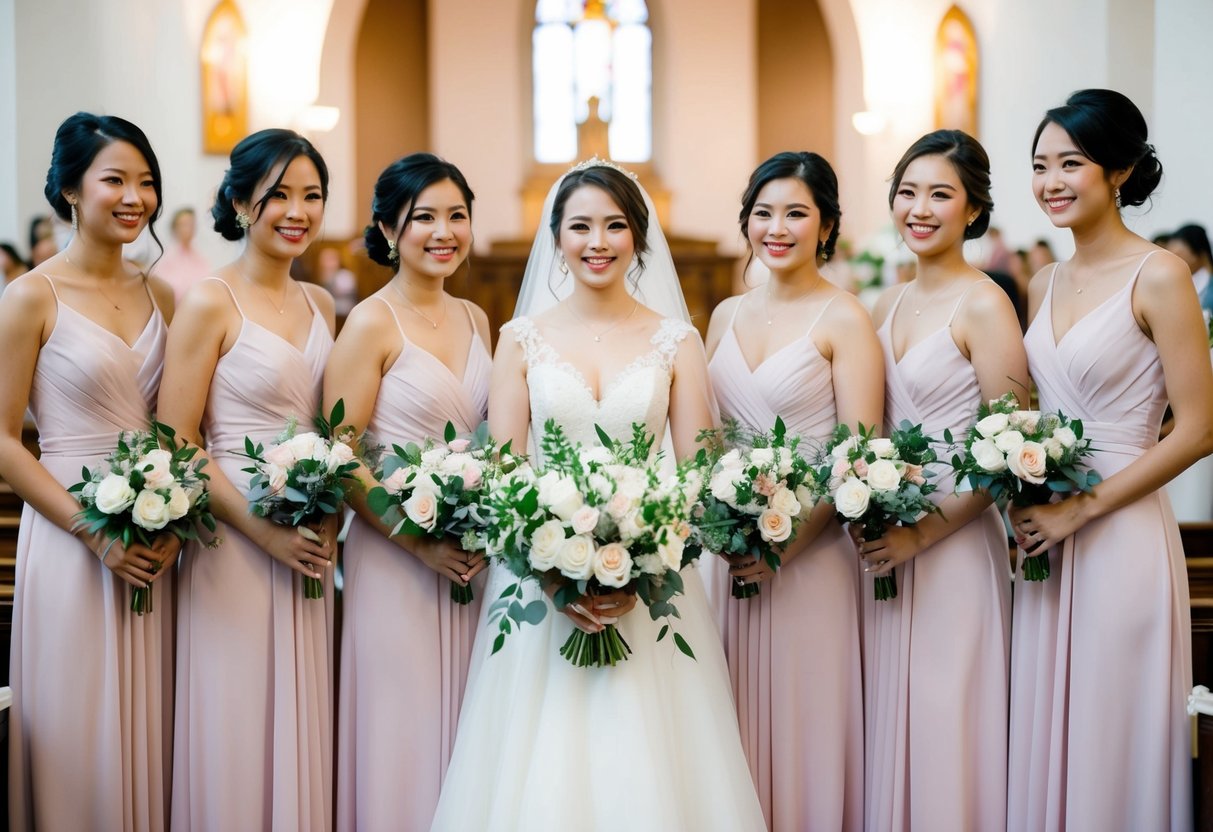
Your wedding day is filled with excitement and important moments. From the preparations to the ceremony, every detail plays a role in making your day special. Here are key aspects that will help you prepare and enjoy the experience.
Behind the Scenes: Rehearsal and Prep
Before the big day, a rehearsal dinner is essential. This event usually occurs the night before and allows everyone to practice their roles. It’s a great time for you to gather with your wedding party and closest family and friends.
During this time, make sure to discuss the timeline for the ceremony. This includes when to arrive, where to stand, and any special rituals you want to include.
On the day of the wedding, preparation involves hair, makeup, and getting into your gown. Ensure your bridesmaids are ready too. This shared experience can create lasting memories.
The Ceremony and Reception
The wedding ceremony is the heart of your big day. It typically includes vows, readings, and the exchange of rings. Decide in advance how you want to personalize this moment.
After the ceremony, the reception follows. This celebration is often filled with food, dancing, and speeches. The atmosphere should reflect your personality as a couple.
Work with your planner to ensure everything goes smoothly. This includes coordinating with vendors and managing the timeline. A seamless flow makes for a joyful experience for you and your guests.
Capturing Moments: Wedding Photography
Wedding photos are essential for capturing the day. Make sure to choose a photographer who understands your vision. Discuss important moments you want to be photographed, such as candid shots with family and friends.
Plan for a mix of posed and candid shots to really showcase the vibe. Also, consider scheduling time for a separate photo session with your bridal party after the ceremony.
Having a designated time for photos can ease some of the day’s stress. This way, you’ll have beautiful memories that last a lifetime, making your wedding experience even richer.