
How Many Dresses Do You Try On at a Bridal Appointment? Tips for Finding Your Perfect Gown
Wedding dress shopping is an exciting journey, but it can also feel a bit overwhelming. You might wonder how many dresses you should try on during your bridal appointment. On average, brides typically try on about 4 to 7 dresses to find the perfect fit for their wedding day.
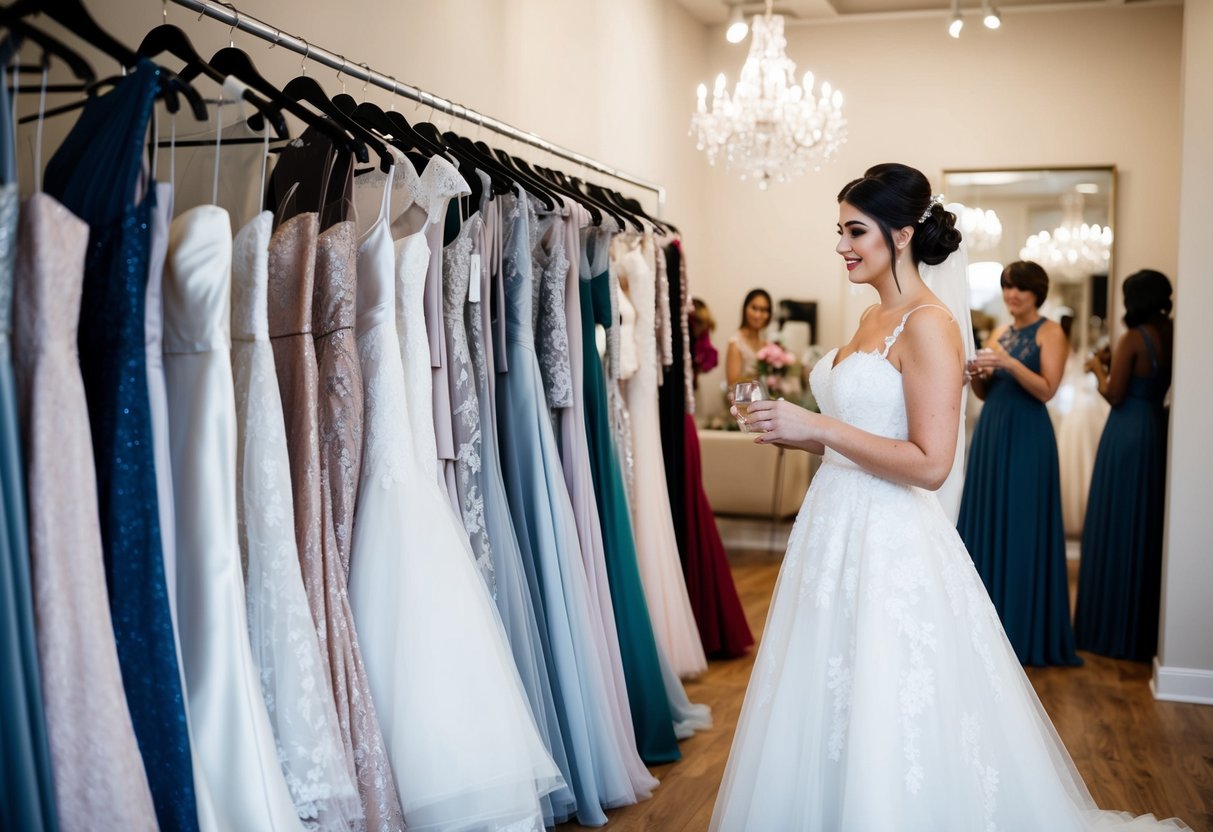
As you prepare for your appointment, keep in mind that each dress can offer a unique experience. Trying on different styles helps you discover what you really love. Some brides even find “the one” on their first or second try, while others enjoy the process and explore a wider range of options.
The key is to balance trying enough dresses without feeling rushed or fatigued. With the right approach, your bridal appointment can be a fun and memorable experience, bringing you one step closer to that perfect dress for your special day.
Preparing for Your Bridal Appointment
Getting ready for your bridal appointment can be exciting but a bit overwhelming too. Knowing how to set expectations, what to bring, and understanding dress styles can make your experience smoother and more enjoyable.
Setting Expectations
When heading to your bridal appointment, it’s important to keep your expectations realistic. Each shop may have a different selection, so you might not find “the one” immediately. Try to be open-minded.
Bring along a mood board or inspiration photos to share your vision with your bridal stylist. This will help them understand your style and preferences better. Remember, it’s a collaborative process, and your stylist is there to guide you through each step.
What to Bring
Before you head out, make sure you pack a few essential items. Wear comfortable undergarments as you’ll try on various dresses, and bring along a pair of shoes that match your wedding vibe. If you have specific accessories in mind, such as a veil or jewelry, bring those too.
Consider inviting a small group of trusted friends or family to share in the experience. Too many opinions can complicate the decision-making process, so it’s best to have someone who knows your style join you.
Understanding Dress Styles and Silhouettes
Familiarize yourself with common wedding dress silhouettes before your appointment. Knowing the difference between an A-line and a ball gown can help narrow down your options.
An A-line silhouette features a fitted bodice and flows gently to the ground, making it versatile for many body types. In contrast, a ball gown is known for its full skirt and fitted bodice, perfect for a fairy-tale look.
Collecting inspiration photos can provide great guidance. These visuals can help both you and your stylist focus on styles you love. Being informed can enhance your shopping experience and smooth out the decision-making process.
During the Appointment
Your bridal appointment is an exciting time filled with hope and anticipation. You’ll work closely with a stylist, try on various gowns, and assess how each one fits and feels. This process helps you narrow down your choices and work toward finding your dream dress.
Working with the Bridal Stylist
When you arrive at the bridal salon, the first step is to meet with your bridal stylist. They are there to assist you in navigating the options tailored to your preferences. Share your vision, such as styles, fabrics, and colors you love.
The stylist will help you select dresses based on your input. They can also make suggestions you may not have considered. Don’t hesitate to ask questions. A good stylist will ensure that you feel comfortable and supported throughout.
Trying on Different Dresses
As you try on wedding dresses, remember to keep an open mind. It’s common to start with styles you’ve imagined but end up loving something unexpected. Each gown will offer a different look and feel.
You might try on anywhere from 4 to 15 dresses during your appointment. This range allows you to explore various designs while not feeling overwhelmed. As you try on gowns, pay attention to how each dress flatters your figure.
Assessing Fit and Comfort
Fit and comfort are key factors in your dress selection. As you try on each gown, focus on how it feels around your body and whether it makes you feel confident.
Make sure you can move comfortably, especially if you plan to dance on your wedding day. Check the seams and look for any pulling or tight spots. Your bridal stylist will assist in adjusting straps or closing any gaps.
Giving and Receiving Feedback
Communication is essential during your appointment. Share honest feedback about each dress with your stylist. Let them know what you love or dislike about the fit, style, or color.
This back-and-forth dialogue helps narrow down your choices. Your stylist may also offer insights based on what you express, suggesting alternatives that align with your desires. By being open, you can work together to find your perfect dress.
After the Appointment
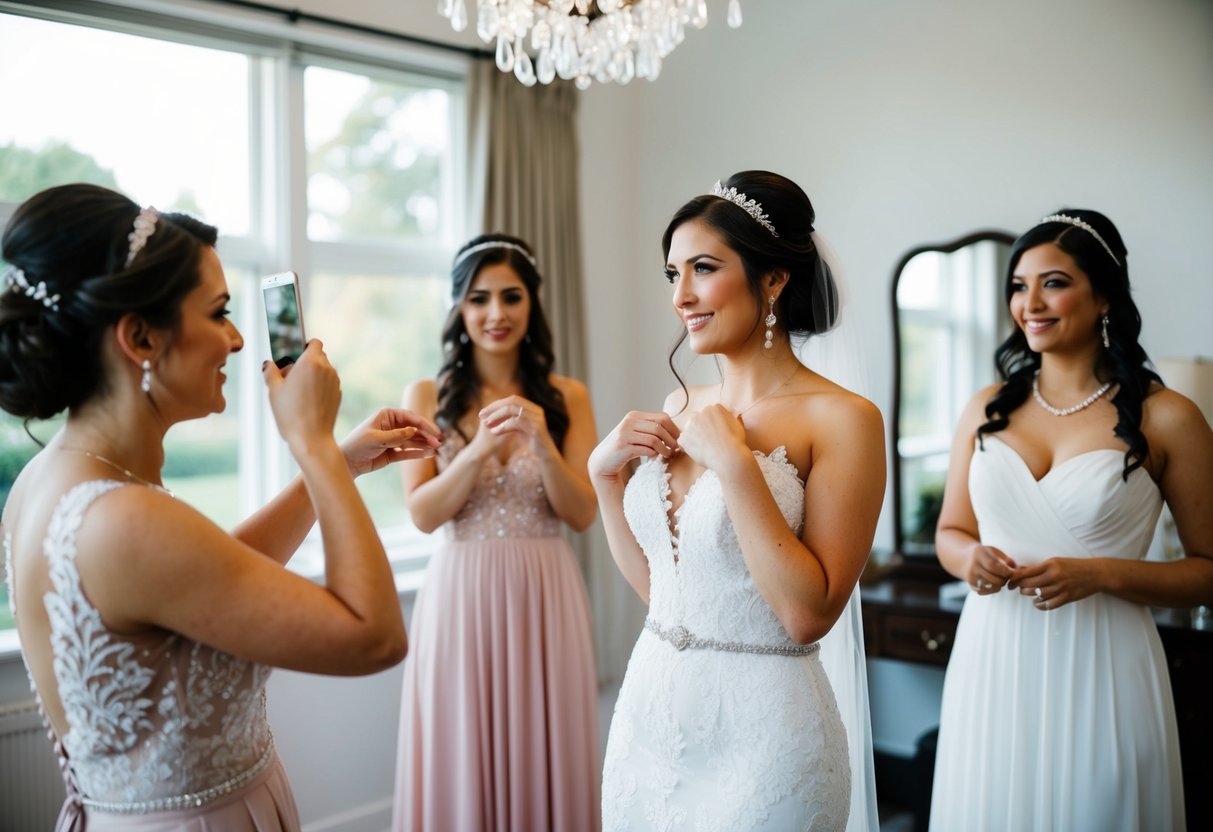
Once your bridal appointment is over, it’s time to reflect on your experience and make some important decisions. You’ll want to take note of how each dress fit and felt, along with what styles you liked most.
Reflecting on Options
After trying on various bridal gowns, take a moment to review your favorites. Consider making a list of each dress’s pros and cons. Think about how the styles made you feel and how they matched your vision for your wedding day look.
It may help to ask a trusted friend or family member for their opinion. Fresh eyes can provide valuable insights.
If you took photos during your appointment, look at those too. This can help you remember each gown’s details and how they fit your body type.
Finalizing the Dress Selection
Once you have reflected on your options, it’s time to make your final dress selection. Discuss with your bridal consultant if you’re unsure. They can offer guidance based on your feedback.
When you’ve chosen “the one,” ask about next steps. This usually includes placing an order for your wedding dress and confirming your size. If you are unsure about the fit, consider scheduling a fitting for peace of mind.
Make sure to ask questions about any wedding dress alterations you might need. Understanding these details now can save you stress later.
Understanding Alterations and Fittings
Most wedding dresses need some form of alterations to fit perfectly. Common alterations include adjustments to the hem, straps, or bust.
Once your dress arrives, you’ll likely schedule initial fittings. During these sessions, a tailor will assess the fit and suggest necessary changes. It’s important to communicate your needs clearly to ensure the best results.
Be prepared for multiple fittings. Each fitting should bring your gown closer to your ideal fit. Finally, don’t forget to factor in timelines for alterations, especially as your wedding day approaches.
Budget Considerations
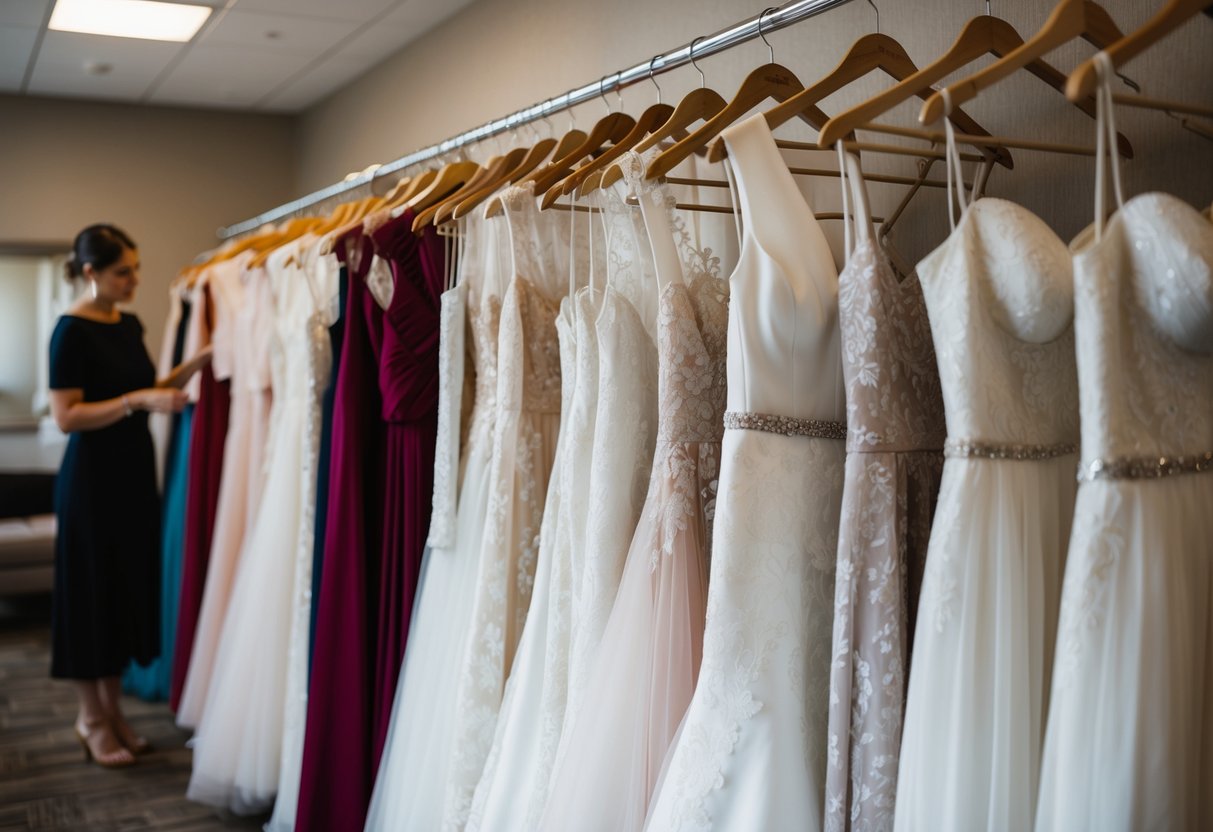
Setting a budget for your wedding dress is crucial. Knowing average costs and being aware of hidden expenses can help prevent any surprises along the way. You want to enjoy the dress shopping experience without stressing over finances.
Average Costs and Expectations
When shopping for a bridal gown, the average cost can range from $1,000 to $3,500. For off-the-rack options, you might find beautiful dresses starting around $100. Brands like Morilee offer a variety of styles at different price points, making it easier to find something you love within your budget.
Keep in mind that designer dresses often come with higher price tags. Do your research and decide what you’re comfortable spending. Knowing this helps you focus on options that fit your budget while still looking stunning.
Hidden Costs to Anticipate
The dress price isn’t the only cost you need to consider. Hidden costs can add up quickly. For instance, alterations can cost anywhere from $200 to $800, depending on what adjustment is needed. If your dress has intricate embellishments, alteration costs may increase due to extra work.
Don’t forget about bridal shop fees for fittings or even rush orders. It’s wise to read up on bridal shop etiquette to avoid unexpected charges. Every detail counts, so factor these potential costs into your budget to keep your wedding expenses in check.