
How Many Dresses Does a Bride Need at Her Wedding? Discover Your Perfect Bridal Wardrobe!
Choosing how many dresses you need for your wedding day can feel overwhelming, but ultimately, it’s about what makes you feel great. There is no set number of dresses a bride must have; it really depends on your personal style and the events of your wedding. Whether you want to wear one stunning gown or switch between a few looks for different moments, the choice is yours.
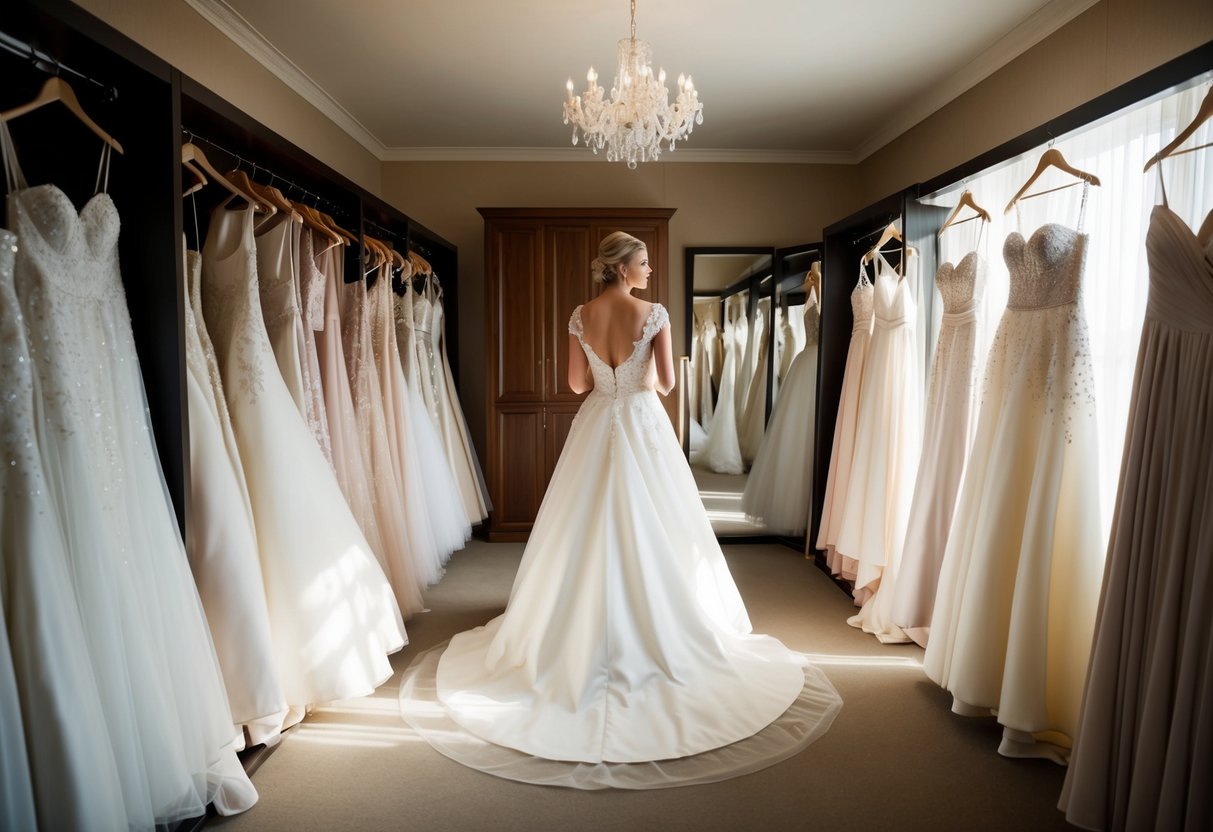
Many brides opt for a traditional dress for the ceremony, but some also go for a chic reception dress or outfits for pre- and post-wedding events. This allows you to express your style in various ways throughout the day. Think about what reflects who you are and what will make you the happiest as you celebrate your special day.
As you plan, keep in mind your budget. It’s a good idea to allocate part of it to your attire, ensuring you feel beautiful without stretching your finances. Ultimately, your wedding day should be a beautiful reflection of you, and that includes your choice of dresses.
Deciding on the Number of Dresses
Choosing how many wedding dresses to have can really enhance your special day. It allows you to create different looks for various moments like your ceremony, reception, and even an afterparty. Let’s dive into some important aspects to consider.
Importance of Multiple Looks
Having multiple dresses can make your wedding day feel more exciting. Each look can reflect the different moods of the day. For example, you might want a formal gown for the ceremony and a fun, lightweight dress for the reception.
You can also choose styles that highlight your personality. A classic gown might be perfect for the vows, while a playful, less formal dress can be great for dancing later. Switching outfits lets you enjoy your day to the fullest.
Factors Affecting the Number of Dresses
Several factors can help determine how many dresses you might want. Start with your wedding budget. More dresses often mean higher costs, so it’s important to plan ahead.
Think about the length of your wedding day. If you’re having a full day of events, multiple dresses can feel practical and necessary. Weather can also influence your choice. A lighter dress for an outdoor reception may be more comfortable than a heavy gown.
Additionally, consider your personal style and preferences. If you love fashion and enjoy changing looks, you might be happier with more options.
Cultural Traditions and Wedding Attire
Cultural traditions can greatly influence how many dresses you choose to wear. In some cultures, it’s common for brides to change dresses multiple times throughout the day.
For example, in traditional Indian weddings, brides often wear different outfits for the ceremony and the reception. Each dress can reflect aspects of your cultural heritage and personal style.
Understanding the customs of your culture can help you make an informed decision. You can combine traditions with modern fashion to create a unique experience for your wedding day.
Navigating Your Wedding Dress Budget
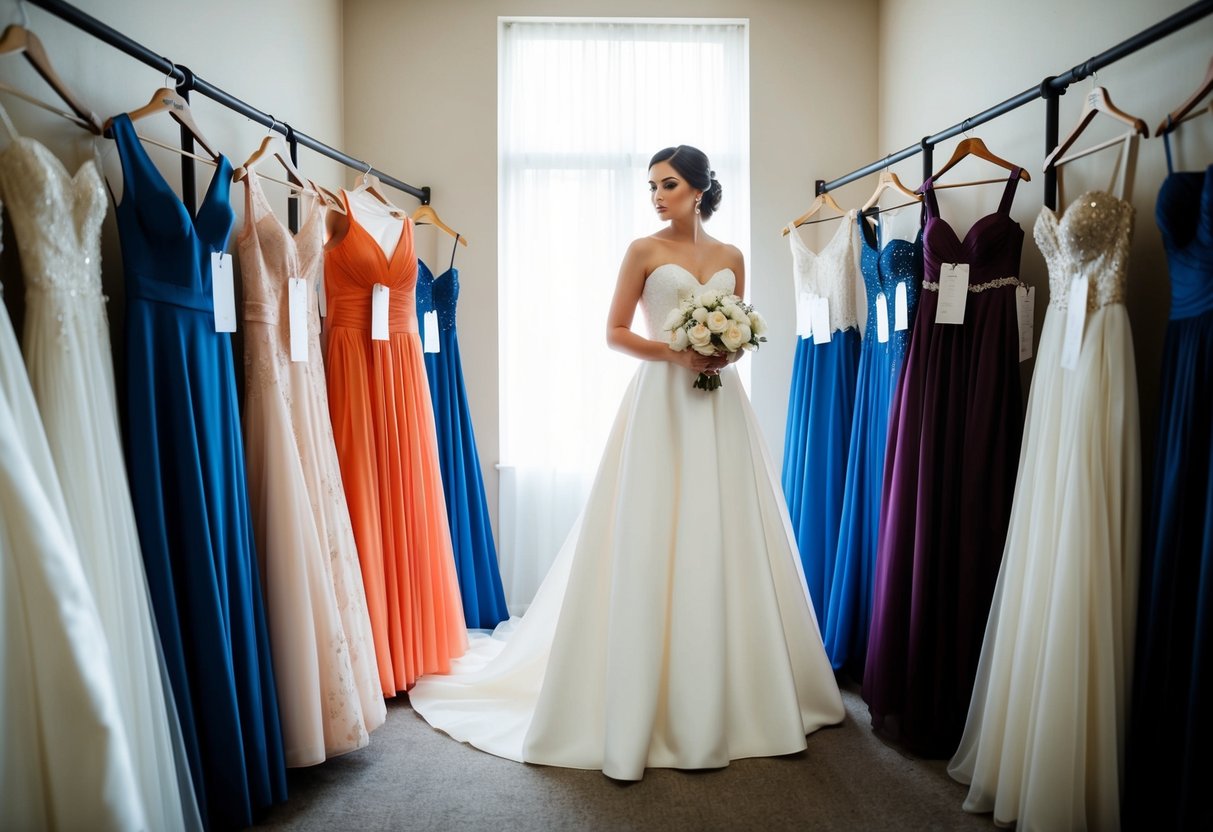
Finding the right wedding dress within your budget can feel overwhelming. You want to balance costs with your personal style preferences. Here are some important points to consider when planning your wedding dress budget.
Understanding Wedding Dress Costs
Wedding dress costs can vary widely. On average, you might spend anywhere from $1,000 to $3,000. Keep in mind that this amount can include design, fabric, and alterations.
When planning, consider additional expenses. These might include:
- Accessories: Shoes, veils, and jewelry can add to the total.
- Alterations: Most dresses require some changes for the perfect fit.
- Cleaning: After the big day, you may want to preserve your dress.
Understanding these costs helps you set a realistic budget.
Balancing Budget and Personal Preference
It’s essential to reflect your personal style while staying within your wedding dress budget. Think about what you truly love in a dress. Would you prefer lace details, a specific silhouette, or a certain color?
Consider creating a list of must-haves versus nice-to-haves. This can help you focus on what elements are essential for your dream dress.
You might also find that you can compromise on aspects like fabric. Opting for a simpler design with high-quality materials can achieve the desired look while keeping costs low.
Tips for Affordable Wedding Dresses
Finding affordable wedding dresses doesn’t mean you have to sacrifice style. Here are some tips to stay within budget:
- Set a Budget: Determine how much you can realistically spend on your dress. Aim for about 10% of your overall wedding budget for attire.
- Sample Sales: Look for bridal shop sample sales. These can offer significant savings on dresses.
- Consider Off-Peak Seasons: Weddings during off-peak months may give you negotiation power on dress prices.
Don’t be afraid to explore different shops and online options for deals. With some patience, you can find the perfect dress that fits your style and budget!
Selecting the Ideal Wedding Attire
Choosing the right wedding attire is essential for making your special day comfortable and stylish. You’ll want to consider dresses that reflect your personal style, fit your ceremony’s vibe, and offer versatility throughout the day.
Choosing a Dress for the Ceremony
When selecting a dress for the ceremony, focus on a silhouette that flatters your body shape. Popular silhouettes include A-line, ball gown, and mermaid styles. Each has its charm, so think about what makes you feel most confident.
Consider the fabric too. Lace and satin are elegant options that add a touch of sophistication. Remember that this dress will be the centerpiece of your wedding photos. So, choose details like beading or embroidery that resonate with your style.
Comfort should also be a priority. You will be standing, walking, and even dancing, so make sure you can move easily. A dress that fits well allows you to enjoy your ceremony without any distraction.
Picking a Reception Dress for Comfort and Glam
The reception is often more relaxed, so a different dress can be a great choice. Aim for something comfortable that still feels special. A simple slip dress or a chic cocktail gown can work well for this setting.
Look for dresses with versatile features. For example, a removable skirt or statement sleeves can add a layer of fun. This helps you show off your unique personality during your reception.
Choose fabrics like chiffon or tulle for an airy feel. These materials allow for movement and keep you cool as festivities continue. A reception dress should make you feel glamorous while giving you the freedom to celebrate comfortably.
Incorporating Versatility and Second Looks
Many brides enjoy showcasing different looks throughout their wedding day. This can be achieved by choosing dresses that transition well from one event to another.
A versatile design might feature elements like detachable trains or different accessories. This lets you change your look while maintaining a cohesive style.
Additionally, consider the option of a second look. A cute jumpsuit or stylish evening gown can be a fun way to switch up your attire. This approach adds an element of surprise and keeps guests engaged.
The Wedding Dress Fitting Process
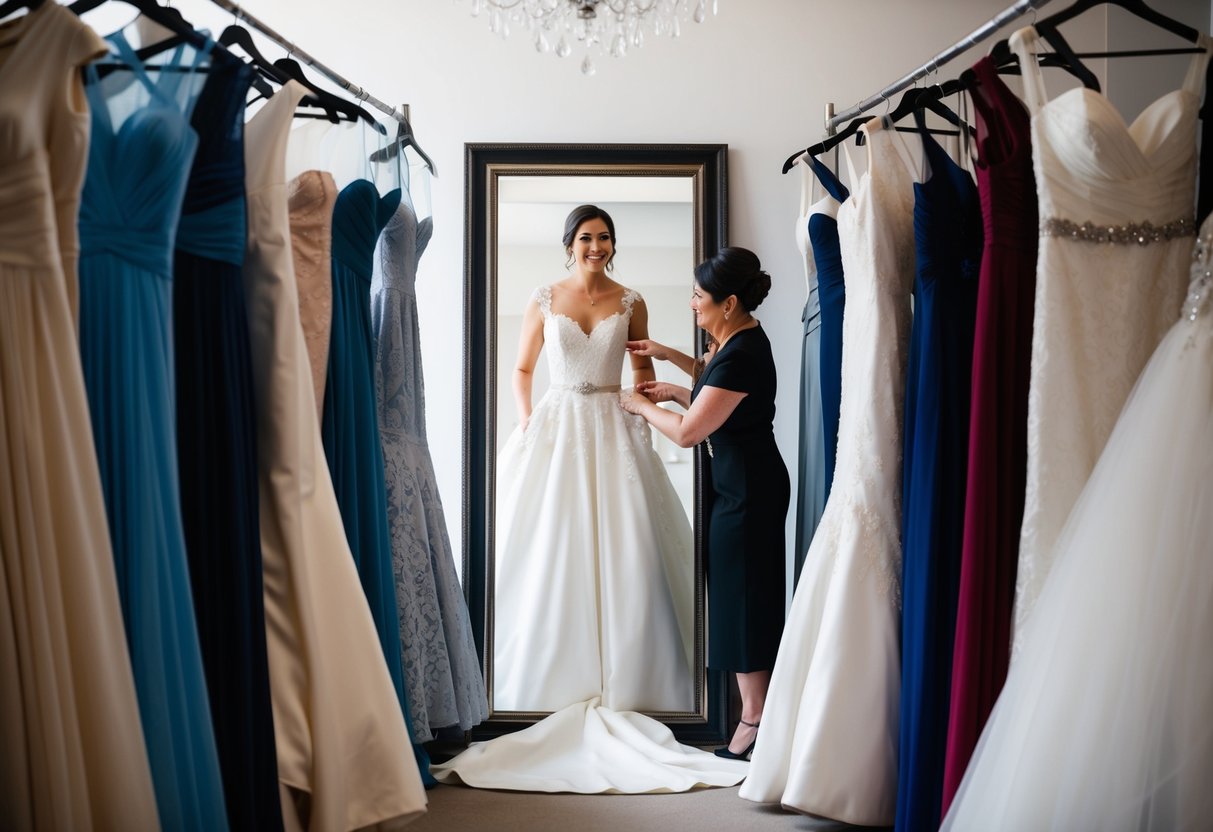
Getting your wedding dress fitted is an exciting part of the planning. It ensures your gown fits perfectly for your big day. Here’s what you need to know about scheduling appointments, what happens during fittings, and making final adjustments.
Scheduling Bridal Appointments
Start by booking your bridal appointments early. Ideally, you should schedule your first fitting at least six to eight weeks before the wedding. This allows enough time for adjustments.
Most bridal salons recommend three fittings. Your first appointment is when the seamstress will take your measurements and assess the dress. Use this time to discuss any specific alterations you want. Consider working with a wedding planner to help coordinate these appointments.
What to Expect During Dress Fittings
Dress fittings can be a fun experience. During your fitting, you will try on the dress and see how it fits. Bring your wedding shoes to ensure the hem is perfect.
The seamstress will pin areas that need adjustments, like the waist or bust. You can expect the fittings to last about an hour. Make sure to communicate openly about the fit and any changes you desire.
Remember to wear the undergarments you plan to use on your wedding day, as they can affect how the dress fits. This is a great time to check the overall look and feel.
Final Adjustments for Your Big Day
During the final fitting, the dress should feel almost perfect. Your seamstress will make last-minute tweaks at this time.
You’ll check the dress for final alterations, such as adjusting the hem or tightening any loose spots. If you plan to add any accessories, like straps or embellishments, share these ideas during this fitting.
Before leaving, make sure you’re comfortable moving and sitting in your dress. Wearing your gown confidently on the big day is essential!