
How Many Fittings for a Wedding Dress? A Guide to Perfecting Your Fit
Getting the perfect wedding dress is an exciting part of your wedding planning journey. You may be wondering how many fittings you will need to ensure that your gown fits just right. Most brides typically attend three fittings, but this can vary based on the complexity of the alterations required.
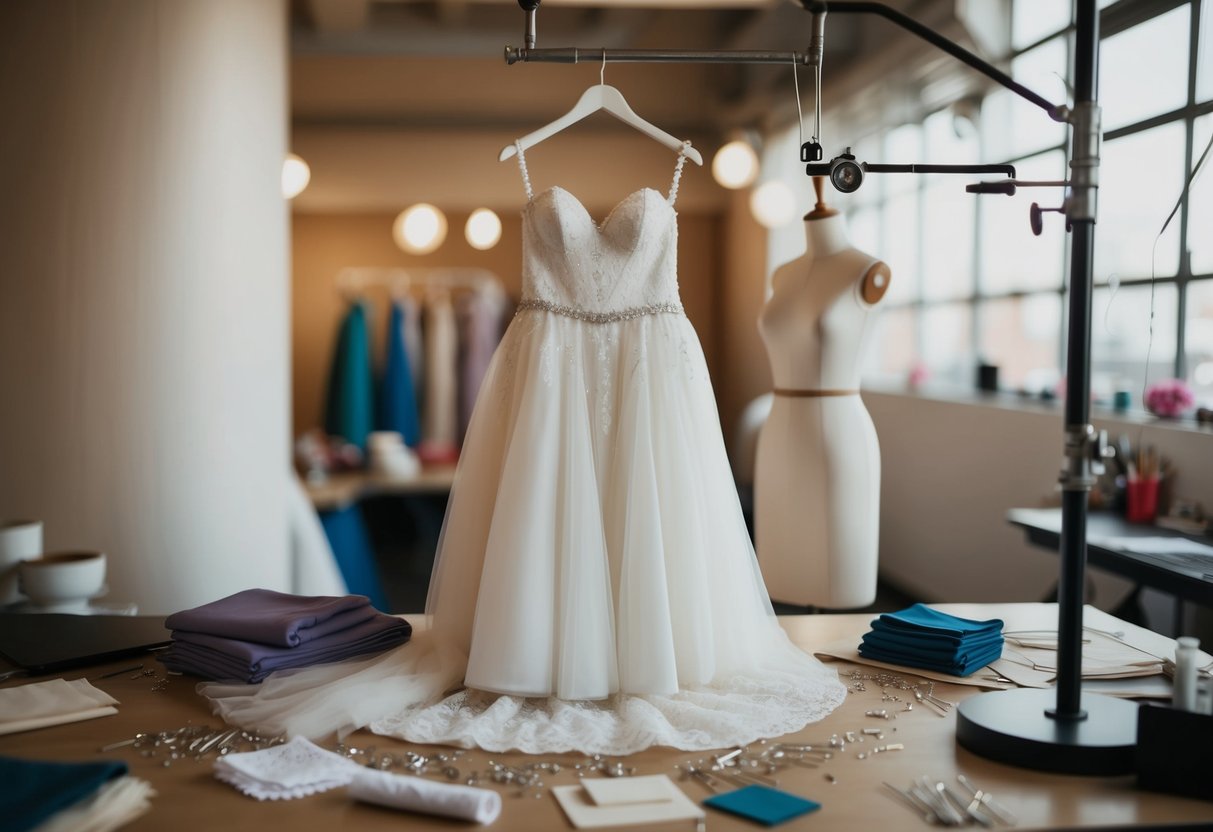
During your first fitting, you’ll try on your dress for the first time since it was ordered. This is when you and your seamstress will discuss any necessary adjustments.
As you progress through the fittings, you’ll see your dress transform into a perfectly tailored gown that feels made just for you.
Each fitting brings you closer to your big day, so understanding how many fittings you need can help reduce stress. By scheduling fittings in the right timeframe, you can ensure that your wedding dress is nothing short of perfect when you walk down the aisle.
Understanding Wedding Dress Fittings
Wedding dress fittings are an important part of preparing for your big day. These fittings help ensure your dress looks and feels perfect on you. Think of this process as a team effort between you and your alterations specialist.
The Process and Schedule
Your fittings typically start about six weeks before your wedding. The first fitting is when basic adjustments are made.
You should bring your shoes and any undergarments you plan to wear. This fitting helps your alterations specialist understand how to tailor the dress to your body.
The second fitting takes place after the initial changes have been made. Here, you’ll try on the gown to check the adjustments. You might need more tweaks, especially around the bust and waist for a perfect fit.
Finally, the final fitting happens close to the wedding date. It’s your chance to see all the changes come together.
Make sure to wear the same undergarments you’ll have on for the wedding. It’s your last chance for any last-minute adjustments.
Importance of the Perfect Fit
The perfect fit can make all the difference in how you feel on your wedding day. A well-fitted dress enhances your shape and ensures comfort as you move.
Wedding dress alterations are not just about size. They can involve adjusting the hem, straps, and even intricate details like beading or lace. Each alteration adds to the overall look of the dress.
Working with an experienced alterations specialist is key. They understand the nuances of different fabrics and styles.
Communicate openly about what you want. This will lead to beautiful adjustments that showcase your style and fit perfectly for your special day.
Preparing for Your Fittings
Getting ready for your wedding dress fittings is an important step to ensure everything goes smoothly. A little preparation can help you feel confident and comfortable while trying on your dress.
Focus on selecting the right undergarments and accessories to make sure you have the best experience possible.
Choosing the Right Undergarments
The undergarments you wear can greatly impact how your wedding dress fits and looks. Start by selecting bridal shapewear that smooths out any lines and provides support.
Look for pieces that fit well and don’t squeeze too tightly, as this can change how the dress fits against your body.
Make sure to wear a strapless bra if your dress has a low back or is strapless. Bring your wedding shoes to fittings, as the height can affect the length of the dress.
It’s also helpful to try on different styles of undergarments, so you can see what looks best with your specific dress style.
Selecting Accessories
Accessories play a key role in how your dress comes together. Start by thinking about the veil, jewelry, and hairpieces you plan to wear.
Bring any accessories you have in mind to your fittings. This way, you can see how they complement your dress and make adjustments as needed.
Consider the style of your second wedding dress if you have one. Accessories can vary greatly between a formal gown and a casual style.
Each fitting is a chance to visualize the complete look. This preparation ensures you’ll look stunning when you walk down the aisle!
What to Expect During Fittings
During your wedding dress fittings, you’ll go through a process that ensures your gown fits just right. Each fitting focuses on different details and may include adjustments based on your body and preferences.
Initial to Final Fitting Overview
Your initial fitting usually happens about six weeks before the wedding. At this stage, the seamstress will take your measurements and mark any major alterations needed.
This includes adjustments for areas like the waist, bust, and length.
The second fitting occurs after the first round of alterations. This is where the seamstress checks that the major changes feel comfortable and look good.
You should wear the same undergarments and shoes you plan to wear on the wedding day.
At the final fitting, your gown will be nearly complete. This is the time to make any last-minute adjustments to ensure everything is perfect.
It’s also a good opportunity to address any last-minute wrinkles that may have appeared.
Handling Alterations and Adjustments
Alterations can be crucial for achieving your dream fit. Your seamstress will help you with adjustments related to your comfort and style.
For example, you might want to change the hemline or adjust the waist size based on any weight fluctuations you experienced since the initial fitting.
It’s important to communicate openly about what changes you want.
Sometimes, detailed dress alterations can also involve taking in or letting out seams and altering the sleeves or neckline.
Remember to bring a friend or family member for support. They can offer feedback on how the dress looks and feels during fittings.
Don’t hesitate to ask questions; this process is all about making sure you feel beautiful on your big day.
After the Fittings: Care and Costs
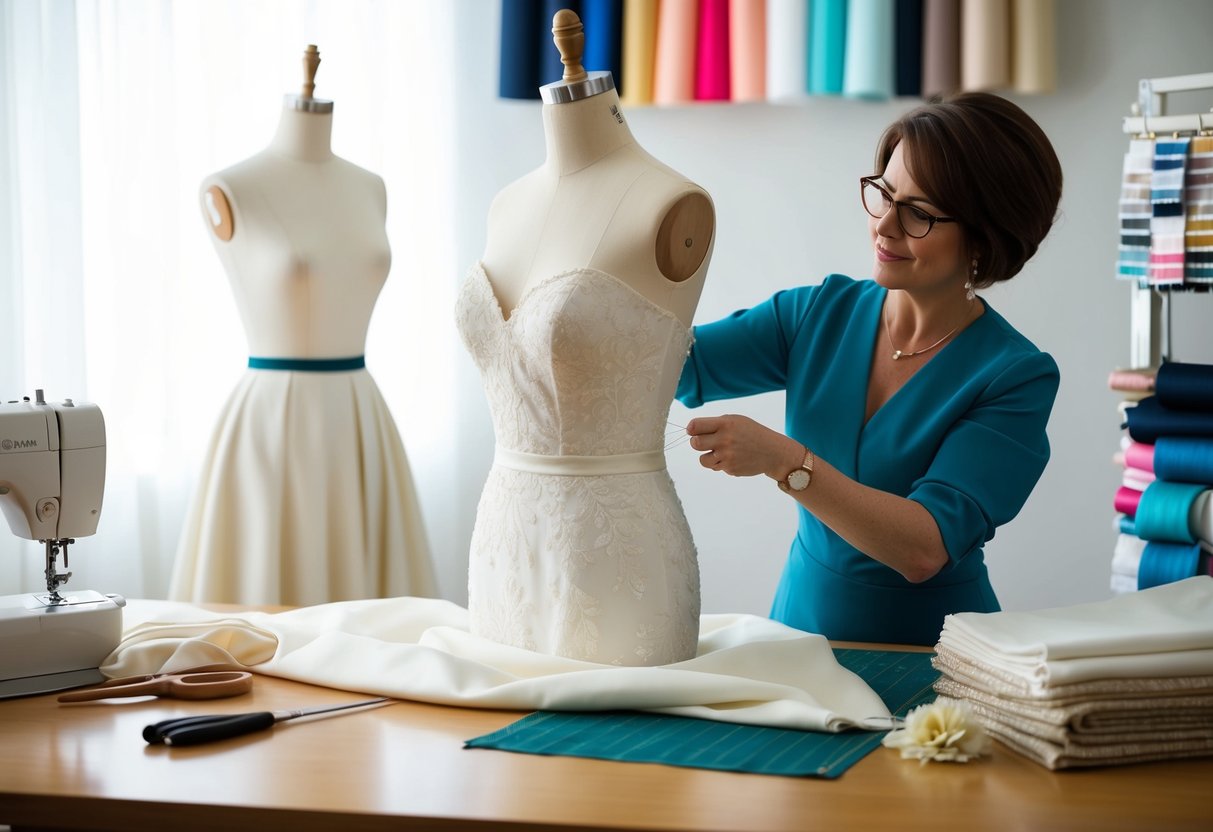
Once you finish your wedding dress fittings, it’s important to know how to care for your dress and budget for the alterations. Proper preservation can keep your dress in great condition, while understanding costs can help you plan ahead.
Preservation and Care Instructions
After your final fitting, your wedding dress will likely need special care. Store it in a cool, dry place away from sunlight to prevent any fading.
Use a breathable garment bag, as plastic may trap moisture and cause mildew.
Washing Instructions:
- Avoid machine washing.
- Hand wash gently or use a professional cleaner specialized in bridal wear.
If your dress has delicate embellishments or lace, be extra careful.
Consider getting it professionally cleaned right after the wedding. This can help preserve the fabric and colors.
Keeping the dress clean ensures it looks beautiful for years to come, whether you’re displaying it or passing it down.
Budgeting for Alteration Costs
Understanding the costs of alterations is essential for your budget. On average, a seamstress can charge $80 to $800 for basic wedding dress alterations.
Common Alteration Costs:
- Hemming: $100 – $300
- Size adjustment: $50 – $200
- Adding cups: $20 – $50
If you desire customizations like intricate beadwork or a unique design, be prepared for costs to rise, reaching around $1,200. By knowing these details upfront, you can plan accordingly and avoid any surprises when it comes time to pay for your alterations.