
How Many Guests Are Invited to British Weddings on Average? A Look at Traditions and Trends
When planning a wedding, one of the most significant decisions you’ll make is about your guest list. At a British wedding, the average number of guests is around 82 during the day and about 103 for the evening. This number can help you shape your budget and venue choice, influencing how intimate or grand your celebration will be.
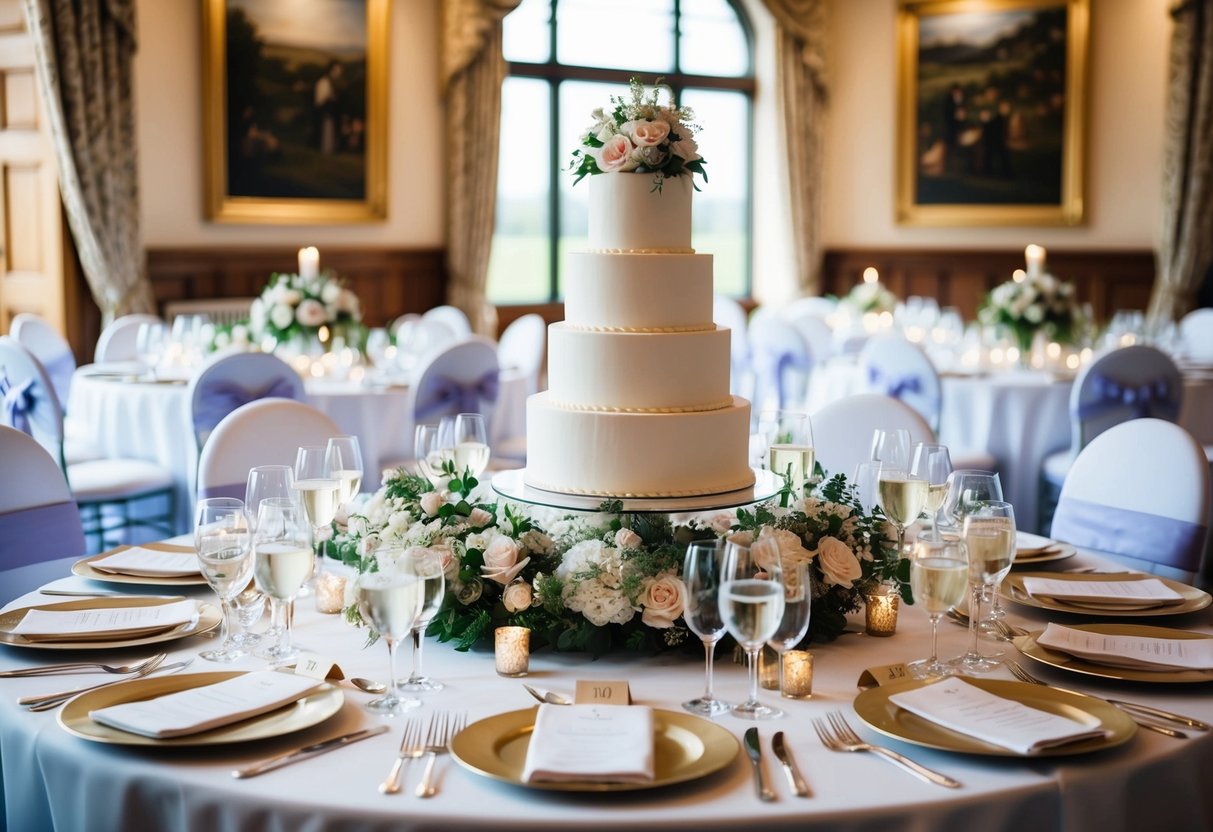
In recent years, wedding trends have shifted. Many couples are now opting for smaller, more personal weddings, while others prefer lively festivities with larger guest lists. The size of your wedding can have a big impact on overall costs, as each additional guest can increase expenses significantly.
Understanding the average guest count can guide your planning process, helping you balance your vision with your budget. Whether aiming for a cozy gathering or a larger celebration, knowing what to expect can make your planning journey smoother.
Understanding Wedding Sizes in the UK
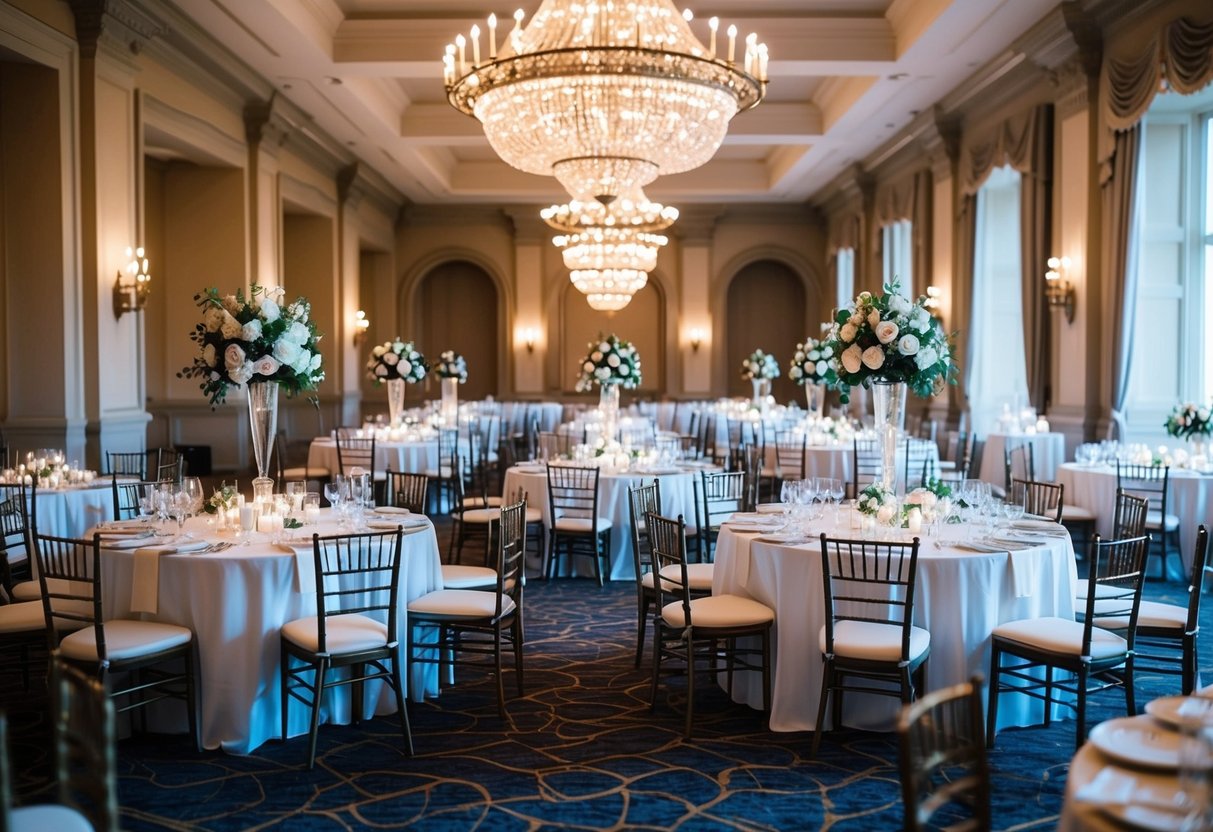
When planning your wedding, it’s essential to know the different sizes of celebrations that are common in the UK. From intimate gatherings to larger events, each type has its charm and significance.
The Popularity of Intimate Weddings
Many couples today are choosing intimate weddings. These celebrations usually have fewer than 50 guests. With a smaller guest list, you can create a cozy atmosphere that allows for meaningful connections.
Intimate weddings often take place in unique venues, like homes or gardens. They provide the chance to spend quality time with your closest family and friends. Couples appreciate this personal touch. Additionally, smaller weddings can be less expensive, allowing you to allocate more budget towards special details.
What Defines a Large Wedding?
In contrast, a large wedding typically includes over 100 guests. These events can have a lively vibe and are often held in spacious venues.
The average size for a UK wedding is about 82 day guests and 103 evening guests. Large weddings usually feature grand receptions with various activities. They allow you to invite more friends and family, which can add to the excitement. However, planning a large wedding often comes with higher costs and more logistics.
Elopements and Minimonies: The Smallest Celebrations
For those looking for the smallest celebrations, elopements and minimonies are popular options. An elopement usually involves just the couple and perhaps a witness, making it a simple yet romantic choice.
Minimonies, on the other hand, are a step up – they may include a few family members or close friends. These tiny weddings focus on the couple’s commitment and often include a small ceremony followed by a meal or toast. They allow for beautiful personalization without the stress of a traditional wedding. Whether you’re dreaming of a micro wedding or a tiny wedding, these intimate celebrations can be incredibly special.
Budgeting for Guests: Average Costs Explained
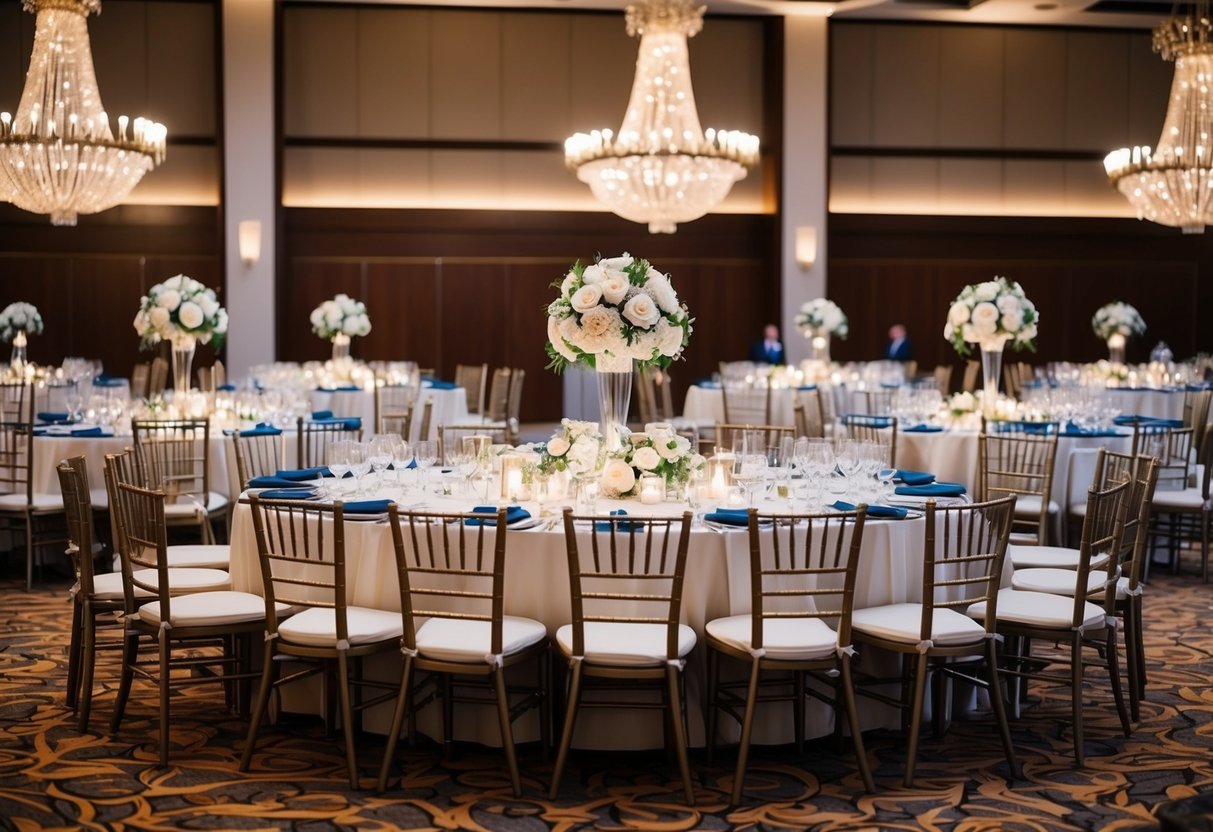
Planning your wedding guest list involves more than just choosing who to invite. Understanding how guest count affects your budget can help you make informed decisions. This section will explore how the number of guests impacts your wedding costs, especially catering, and offer tips for managing your guest list effectively.
Impact of Guest Count on Wedding Budget
Every guest you invite can significantly affect your wedding budget. In the UK, couples typically invite an average of 100 to 150 guests. This number can influence various costs, from venue size to catering.
For example, if you invite 50 guests, you might spend around £12,000 on average, while inviting over 150 guests could result in spending over £37,000. Your venue will also need to accommodate everyone, which may raise the rental fees if the space is larger. Always keep track of how guest numbers affect your overall budget.
Managing Catering Costs for Different Wedding Sizes
Catering costs are a major part of any wedding budget and are directly tied to the number of guests. On average, you might expect to pay around £100 per person for food and drinks.
If you’re planning a wedding for 100 guests, that totals £10,000 just for catering. To manage these costs effectively, consider options like buffet-style meals or food stations. These can often reduce both food costs and waste while still providing a great experience.
Don’t forget to include additional costs like cake and beverages in your overall catering budget.
Budget Tips for Guest List Management
Creating an effective guest list can help you stay within budget. Start by listing everyone you want to invite, then categorize them into must-invite and optional guests.
Consider these tips:
- Set a Guest Count Goal: Aim for a specific number to control costs.
- Make Use of RSVPs: This helps manage expected attendance and avoid over-spending.
- Limit Plus-Ones: Restricting guests to bring a plus-one can save money while still honoring close relationships.
By keeping your guest list focused and organized, you’ll enjoy your big day without worrying about budget overruns.
Choosing the Right Venue for Your Guest List
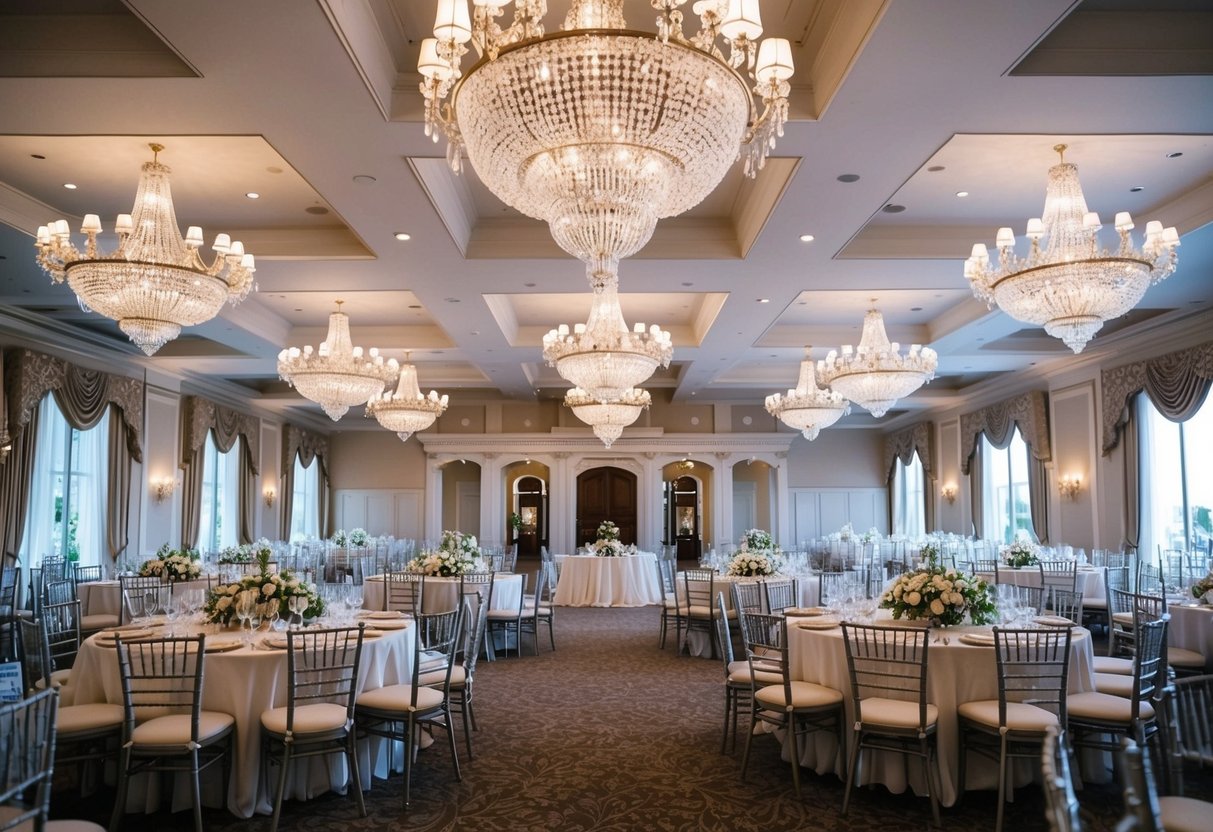
The venue you choose for your wedding plays a significant role in shaping your guest experience. It should reflect your style while accommodating your guest list. Below are details on specific types of venues that can work well based on the size and theme of your wedding.
The Charm of Barn Wedding Venues
Barn wedding venues are known for their rustic charm and cozy atmosphere. These spaces often provide a unique backdrop, blending the beauty of nature with the warmth of wood interiors.
Many barns can accommodate large weddings, making them perfect if you have a sizable guest list.
When selecting a barn venue, consider its accessibility. Ensure there is ample parking and that the location is easy to find for your guests. This convenience allows everyone to relax and enjoy your special day without stress.
Selecting a Venue for a Destination Wedding
Destination weddings can be magical, offering a beautiful escape for you and your guests. Whether you’re thinking of a beach, mountain, or historic site, choose a location that matches your vision.
When planning, keep in mind the number of guests you want to invite. Not all venues can accommodate large weddings, so check capacity limits.
Another important factor is the travel arrangements. Make sure your chosen venue is accessible and consider booking group accommodations. This will help your guests feel comfortable and included in the experience.
Comparing Urban and Rural Wedding Venues
Urban venues often provide a chic and modern feel, while rural venues tend to be more relaxed and intimate. Your choice may depend on the type of atmosphere you envision for your wedding.
If you prefer an urban setting, look for venues that can handle large weddings and provide essential amenities, such as public transportation options and hotel proximity.
On the other hand, rural venues frequently offer expansive outdoor spaces. These can enhance the guest experience with scenic views and a sense of privacy. However, ensure your guests can easily reach these locations, as some may be far from city centers.
In both cases, think about how the location will impact your guest list and their overall experience.
Cultural and Social Factors Influencing Guest Lists
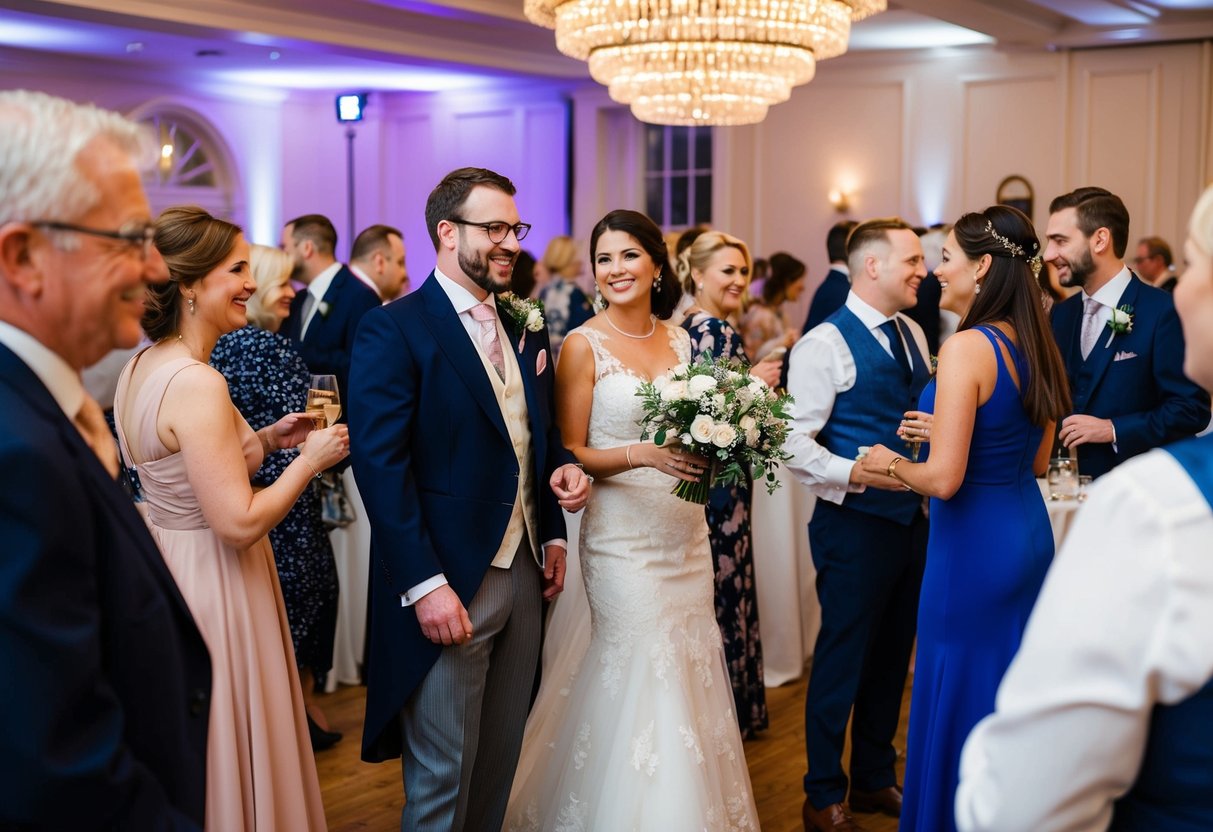
Guest lists at British weddings reflect a mix of cultural traditions and social expectations. Different factors shape how many people you might invite, depending on your background and the style of your wedding.
Asian Weddings and Guest Expectations
In many Asian weddings, large guest lists are common. Families often invite extended relatives, friends, and community members. This can result in 300 to 500 guests or more at a single event.
Additionally, societal expectations play a big role. It’s important to honor family traditions, which may include specific rituals and customs. The significance of these gatherings often leads to inviting a broader circle to celebrate together.
Understanding the Role of Cultural Traditions
Cultural traditions are key in shaping your guest list. For example, in some cultures, the couple may feel pressure to invite many people to showcase their status. This can stem from customs that value community and familial ties.
Additionally, some traditions dictate formal roles for family members. Parents might help decide who to include, based on relationships and honor. These customs influence not just the number of guests but also the overall tone of the wedding.
Wedding Styles and Guest List Considerations
The style of your wedding also impacts guest numbers. A grand, traditional ceremony usually comes with a larger guest list. In contrast, a small, intimate wedding might have only close family and friends.
You might also consider the venue, as some locations accommodate larger groups. Outdoor weddings often allow for more guests compared to a small church.
Think about what you want for your day and how many people you truly want to celebrate with you.