
How Many Guests Can the Groom’s Parents Invite? Planning Your Wedding Guest List
When planning a wedding, it’s important to consider how many guests each side of the family can invite. Typically, the groom’s parents can invite around one-third of the total guest list. This means if you have a guest count of 200, they would get around 66 invites. This division helps keep things fair and allows each family to feel included in the celebration.
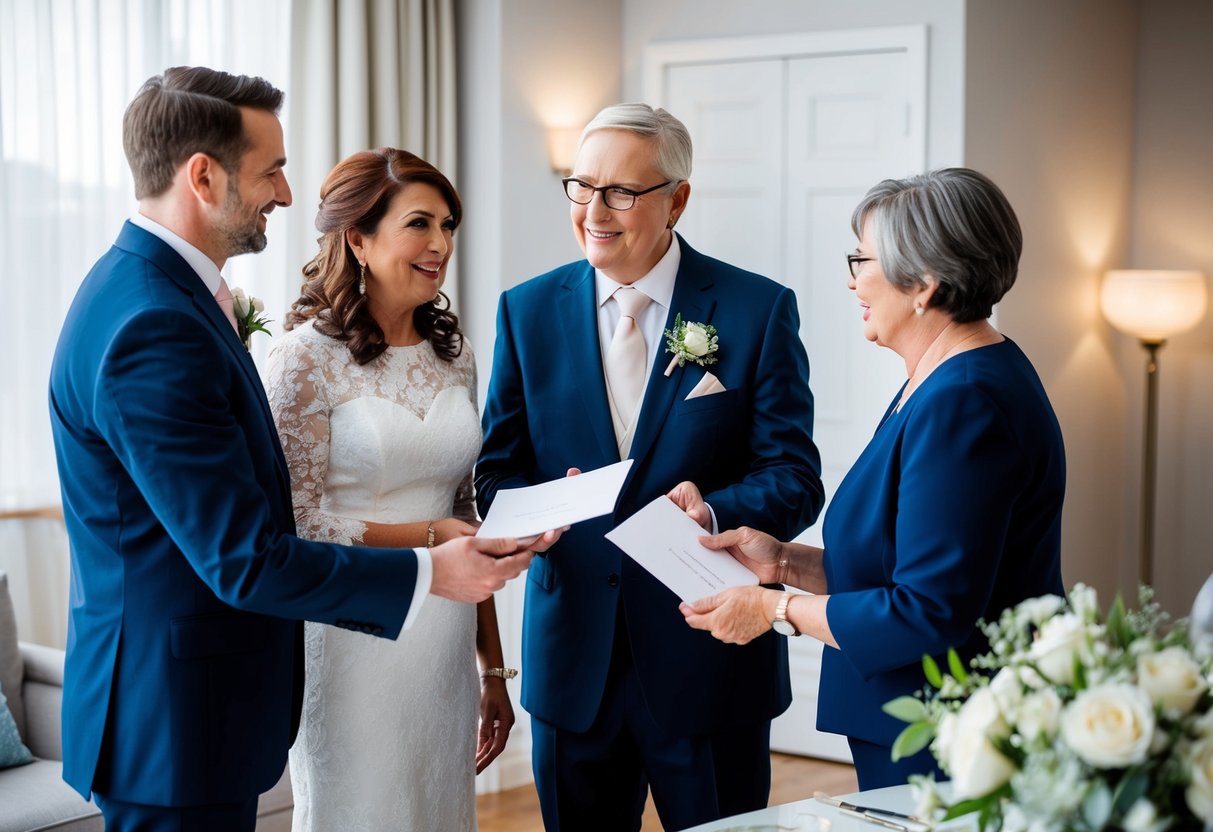
As you go through the wedding planning process, talking openly with both sides about guest counts will help set clear expectations. Remember that the groom’s parents can also include some of their friends, depending on the venue size and overall guest limitations.
Balancing the guest list is key to ensuring everyone feels valued and part of your special day.
Determining the Guest Count

When planning a wedding, knowing how many guests the groom’s parents can invite is important. The total guest count will depend on the venue’s size and family expectations. Here’s how to break it down.
Understanding Wedding Sizes
Typically, a wedding has an average of 100 to 150 guests, but this can vary widely. You may have a more intimate gathering with around 50 guests or a larger celebration with 300 or more.
It’s essential to consider venue capacity first. Many venues have a maximum guest limit that cannot be exceeded.
Also, think about the guest list distribution. Often, couples invite one-third, while each set of parents invites another third.
For example, if you’re inviting 200 guests, the groom’s parents might get to invite 50. This approach helps maintain balance and keeps everyone happy.
Balancing Family Expectations
Balancing the guest list involves discussing expectations with both families. Start by having a conversation about how many people each family wishes to invite.
Make a list of extended family members and close friends that might be essential to each family.
Think about plus-ones as well. If you allow guests to bring a date, this can impact the final count.
Setting clear limits can help alleviate stress later on. Highlight the importance of a manageable guest list that fits both the venue and your budget.
Clear communication will help ensure that everyone feels included and valued in the process.
Budget Considerations for Invitations
Managing the wedding budget is crucial for planning inviting guests. Knowing how to allocate costs can help you navigate the guest list, especially when considering how many guests the groom’s parents can invite.
Allocation of Wedding Costs
When planning your wedding, you’ll need to consider the total budget. This includes the venue, catering, and decorations.
To figure out how much you can spend, it’s helpful to create a detailed list of all expenses.
You might want to divide the budget into sections. For example:
- Venue: 40%
- Catering: 30%
- Decorations: 15%
- Invitations and Favors: 10%
- Miscellaneous: 5%
Make sure to keep track of these costs as you plan. This way, when it’s time to decide on the groom’s parents’ invites, you’ll know how much space you have left in the budget.
Groom’s Parents’ Contribution
The groom’s parents can help ease the financial burden by contributing to the wedding costs. They may be responsible for sending invitations to their close family and friends.
When discussing who pays for what, it’s beneficial to set clear expectations.
A common approach is for the groom’s parents to cover their guests’ meals and invitations. This allows them to invite more people without stretching your budget too much.
Remember to keep open communication with them. Discuss how many guests they wish to invite and what you can afford. This teamwork can lead to a smoother planning process and a joyful wedding day.
Wedding Etiquette and Responsibilities
When planning a wedding, understanding how to divide the guest list and knowing your responsibilities is essential. This section covers how the groom’s parents can approach the guest list and the significance of the rehearsal dinner in the wedding process.
Traditional Guest List Division
Traditionally, the guest list is divided among the couple and their families. You can start by determining the total number of guests and how many the groom’s parents can invite.
A common approach is for the couple to invite half of the total guests, while each set of parents invites a quarter.
For example, if the total guest count is 200, the couple chooses 100 guests, and each parent group can invite 50. This division allows for fairness and includes both families in the celebration.
Make sure to communicate with the bride’s family about their guest list too. This conversation can help ensure everyone feels included and respected in the planning process.
Role of the Rehearsal Dinner
The rehearsal dinner is an important event where you can further involve family and close friends. Typically held the night before the wedding, it’s a time for everyone to relax and connect.
As the groom’s parents, you could host this event.
It’s a great chance for you to invite special guests, like close family and friends who may not make it to the wedding.
Consider using this occasion to give a toast or welcome guests. It shows your support for the couple and helps to create a warm atmosphere before the big day.
Just remember to keep the guest list for the rehearsal dinner manageable to make it enjoyable for everyone.
Creating Lasting Impressions
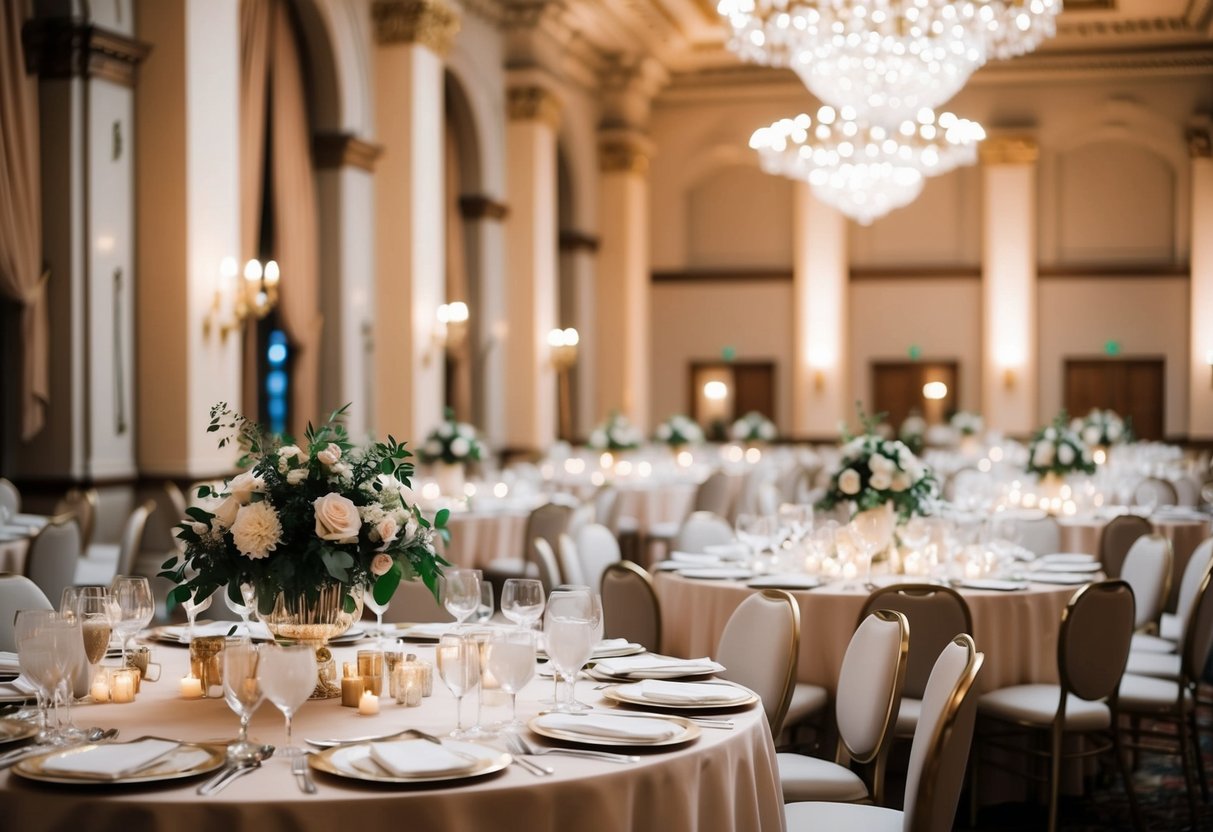
Your wedding day is about more than just the ceremony; it’s a chance to create cherished memories that will last a lifetime. Taking steps to ensure these moments are beautifully captured and celebrated is key.
Capturing Happy Memories
Hiring a wedding photographer is crucial for memorializing your special day.
A good photographer knows how to capture the laughter, tears, and joy of the celebration. Look for someone who makes you feel comfortable and understands your vision.
Consider discussing specific moments you want to capture, like your entrance, the first dance, or candid shots of family and friends.
These photos will serve as happy memories for you and your loved ones to cherish for years to come.
Don’t forget to take photos during the engagement party too! These events are perfect for capturing the fun and excitement as you prepare for your big day.
Thoughts on Destination Weddings
A destination wedding can create unforgettable experiences for you and your guests. You can exchange vows in a stunning location, surrounded by beautiful scenery. However, keep in mind that your guests may need to travel far.
Choosing a destination gives you a chance to create a unique celebration that reflects your personality as a couple. Plus, the photographs taken in these picturesque locations can elevate the memories of the day.
Plan activities around the wedding to involve your guests. This allows everyone to bond and share in the experience, making it even more special.