
How Many Guests Does the Groom Invite? Tips for Building Your Perfect Wedding Guest List
As you dive into wedding planning, one of the big questions you might have is about the guest list. Typically, the groom can invite around a quarter of the total guests, depending on how you choose to split the list between families and the couple.
Balancing the guest list can be a challenge, but understanding how many guests each side can invite helps keep everything organized.
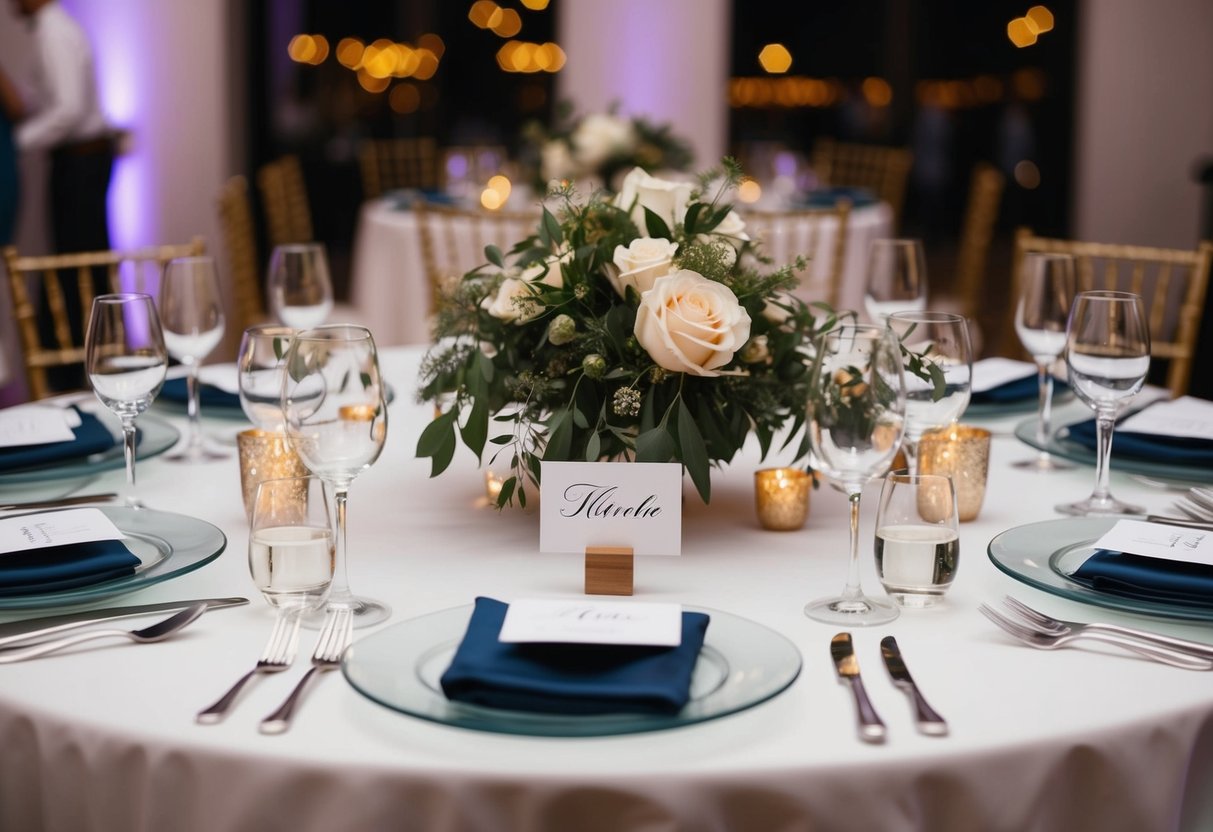
When creating the guest list, it’s essential to communicate clearly with your partner and families. Setting the right expectations will ensure everyone feels included and respected. This approach not only helps in keeping the peace but also makes the planning process more enjoyable.
Planning the guest list can set the tone for your big day. Whether you’re dreaming of a small gathering or a large celebration, knowing how to approach the guest count is a key step in your wedding journey.
Setting the Wedding Guest List
Creating a guest list is an important step in planning your wedding. You need to consider the size of your wedding, the budget, and the etiquette involved in inviting guests.
Determining the Size of Your Wedding
Start by thinking about how many guests you want. A medium wedding typically has around 50 to 150 guests, while big weddings can have 200 or more. If you’re leaning toward a small wedding, aim for 20 to 50 guests.
Once you have a target range, check with your venue for capacity and see how it fits with your budget. Remember that each guest adds to the cost, so balance your list with what you can afford.
It’s smart to create a list of must-invite people, like close family and friends, before expanding to others.
Understanding Guest List Etiquette
When deciding who to invite, follow some basic etiquette rules. First, the couple should have a say in their guest list, but also include their parents and in-laws. Typically, each side gets a chance to invite guests.
You may want to divide the guest list like this: the couple gets half, and both sets of parents get a quarter each. Be clear with family members about the total guest count. If conflicts arise, choose your closest friends and family to ensure a meaningful day.
Arranging your list thoughtfully can help keep everything smooth and friendly!
Managing Invitations and RSVPs

Planning your wedding invitations and tracking RSVPs can seem challenging, but it’s an essential part of ensuring your big day goes smoothly.
Creating Save-The-Dates and Invitations
Start with save-the-dates. These are important for letting your guests know the wedding date early. Send them out as soon as you have the date and venue confirmed. You can use cards, magnets, or even simple emails.
For official invitations, consider the style and format. Think about whether to go with traditional paper invitations or modern online invites.
Paper invites usually come with RSVP cards, which guests can fill out. If you choose online invitations, set up a simple website where people can RSVP. This makes tracking responses easier.
Tracking RSVPs and Final Guest Count
Once you send out your invitations, focus on gathering the RSVPs.
Create a system to track who has responded. You can use a spreadsheet or an invitation app to keep it organized.
Typically, you can expect about 80-85% of invited guests to attend. To figure out how many people will join, use this formula:
Invite count x 85% expected attendance = estimated guests.
For example, if you invite 200 guests, expect about 170 will attend.
Make sure to follow up with guests who haven’t responded closer to the date. This helps you get an accurate final count for your big day!
Budgeting for Your Guests

When planning your wedding, it’s important to figure out how much you will spend on your guests. Guest-related expenses can add up quickly, especially for larger weddings.
Knowing how to allocate your budget wisely can help you avoid overspending.
Allocating Funds for Guest-Related Expenses
Start by identifying the key areas where you’ll need to spend money on your guests. Typical expenses include:
- Food and Drinks: This is often the largest part of your budget. On average, catering can cost around $70-$100 per person.
- Invitations: Beautiful invites can range from $2 to $10 each, so plan for about $200-$1,000 based on your guest list.
- Accommodations: For destination weddings, you may also want to consider hotel blocks. Average accommodation can cost around $350 per night.
Make a list of all potential expenses and prioritize them based on your overall wedding budget. This approach helps keep your finances in check while ensuring a great experience for your guests.
Budget Management for Different Wedding Sizes
Your wedding size greatly influences your budget. For an average wedding size of 100 guests, divide your budget accordingly. For instance:
- Medium Wedding (100 guests): You might allocate around $15,000-$20,000 for food and drinks alone.
- Large Wedding (150 guests): Costs can increase to $20,000-$30,000, especially for a sit-down dinner.
Consider running a guest limit if your budget is tight. Fewer guests mean lower overall costs.
Always keep your wedding reception in mind, as the venue and catering will form a significant part of your budget. Adjusting your guest list can help maintain balance in spending.
Enhancing the Guest Experience
Creating a memorable event is key to ensuring your guests enjoy the day. Focus on both the wedding festivities and intimate moments like rehearsals to build a joyful atmosphere that leaves lasting impressions.
Planning Memorable Wedding Festivities
You can make your wedding festivities more special by incorporating personalized touches. Think about special activities that reflect you and your partner’s interests.
- Interactive Games: Set up fun games that engage your guests, like lawn games during cocktail hour.
- Unique Entertainment: Consider hiring live musicians, performers, or even a caricature artist to keep the mood lively.
Don’t forget about the food! Offering your favorite dishes caters to varied palates and brings a personal flavor to your celebration. Making memories with your guests will create bonds that last long after the wedding day.
Organizing Intimate Celebrations and Rehearsals
Your rehearsal dinner is a chance for heartfelt connections. Hosting an intimate gathering fosters a cozy environment where everyone feels included.
- Choose a Comfortable Venue: Whether a restaurant or a family home, the setting should encourage closeness.
- Share Stories: Use this time for sharing stories and toasts that highlight personal experiences with you and your partner.
Keeping your guest list small allows you to focus on maintaining meaningful conversations and connections. This approach to wedding etiquette ensures that everyone feels valued and cherished during your special time.