
How Many Guests to Expect at a Destination Wedding? Tips for Planning Your Perfect Celebration
Planning a destination wedding is an exciting adventure, but one common concern is how many guests you can expect to attend. On average, about 35% of invited guests will make the trip to a destination wedding. Meanwhile, traditional weddings see higher attendance rates of 60% to 75%. This difference can be attributed to factors like travel costs and the distance guests need to cover.
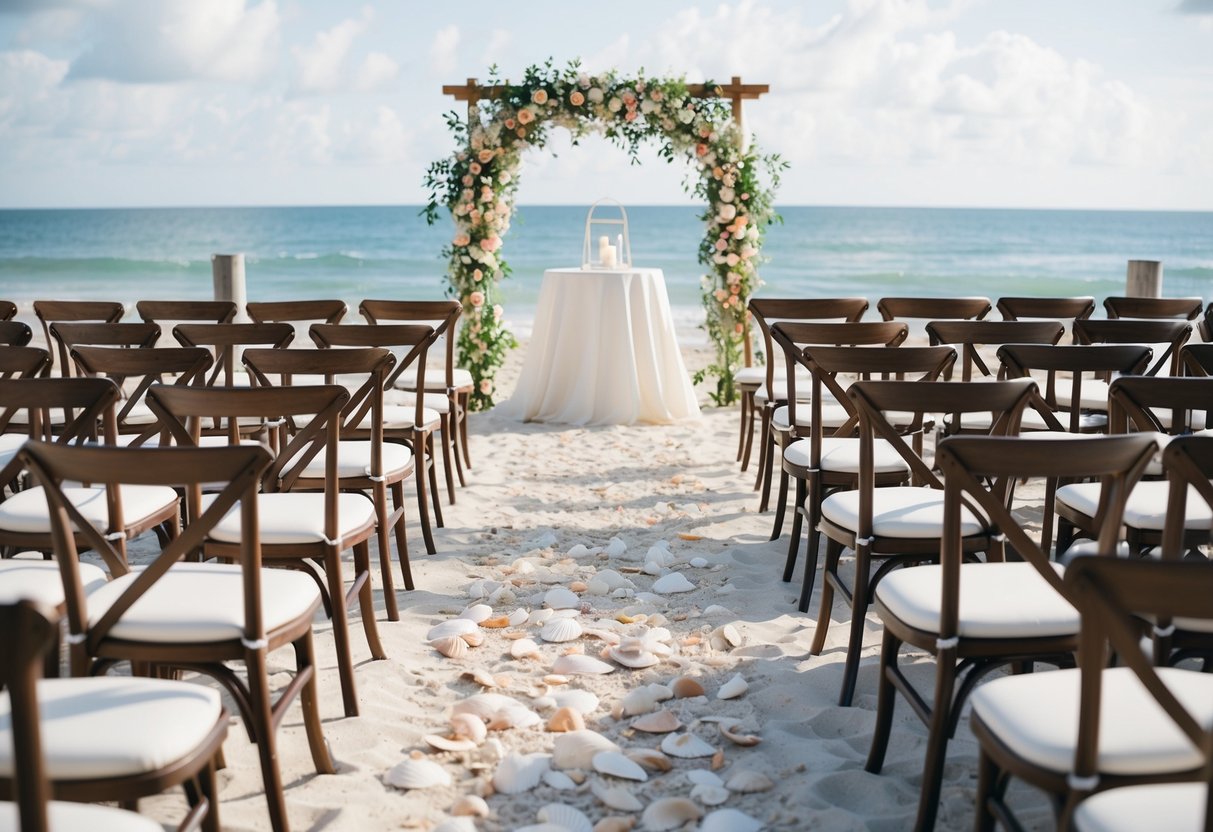
To create your guest list, consider your friends and family members’ willingness and ability to travel. Local guests may have a higher chance of attending, while out-of-town guests often face more barriers. Keep in mind that sending save-the-dates early can help increase attendance since it gives guests time to plan ahead.
When deciding on your wedding guest count, remember that smaller, intimate celebrations typically see better attendance rates. By understanding these dynamics, you can set realistic expectations and enjoy your special day surrounded by loved ones.
Understanding Guest List Dynamics
When planning a destination wedding, understanding your guest list dynamics is crucial. Different types of guests respond differently to invitations, and knowing what to expect can help you prepare better.
Local vs. Out-of-Town Guests
Local guests often have a higher likelihood of attending your wedding. They are generally more familiar with the area and may face fewer obstacles in terms of travel and accommodation.
On the other hand, out-of-town guests usually have more barriers, such as travel costs and time off work. You can expect that around 85% of local guests will attend, while only about 55% of out-of-town guests typically make it. Knowing these rates can help you gauge your potential turnout.
RSVP and Attendance Rates
When you send out invitations, it’s essential to include an RSVP request. This helps you get a clearer picture of who will attend. Despite this, not everyone will respond, and some may decline at the last minute.
For destination weddings, the average attendance can be as low as 35% of your total invited guests. This is influenced by many factors, including travel arrangements and personal commitments. Keep in mind that sending reminders can encourage more guests to confirm their attendance.
Guest List Expectations
Your expectations for guest attendance can shape many plans, from seating arrangements to catering. When creating your guest list, consider the percentage of people you think will come based on whether they are local or out of town.
A good strategy is to plan for 30-40% of your invited guests to decline. This acts as a buffer and can lead to a smoother experience. Balancing your expectations with realistic attendance rates will help you enjoy your big day without unexpected surprises.
Crafting Your Guest List
Creating your guest list is a key part of planning your destination wedding. You will need to consider how many guests you can invite, the etiquette around invitations, and how to handle plus-ones and family dynamics. Each choice impacts your special day.
Determining the Size of Your Wedding
Start by deciding on a budget for your wedding. The size of your guest list will affect your overall costs. Typical destination weddings often host around 50 to 100 guests, but you can choose what feels right for you.
Think about the type of vibe you want. A smaller guest list can create an intimate atmosphere. If you prefer a lively celebration, consider inviting more guests. Keep your wedding venue in mind, as it will also limit how many people you can accommodate.
Invitation Etiquette
When planning your wedding invitations, it’s important to follow some basic etiquette. Address invitations to each guest individually. This personal touch shows that you value their presence.
Send invitations out well in advance, especially for destination weddings. This gives guests time to plan and book travel. A good rule is to send invites at least 3-4 months before the wedding date. Consider including an RSVP date to help manage your numbers.
Be clear about your expectations on the invitation. If you want guests to come solo, make it clear. If plus-ones are welcome, make sure to specify that on the invite.
Managing Plus-Ones and Families
Handling plus-ones can be tricky. If you decide to allow guests to bring a date, think about how this will affect your headcount. A good way to estimate is to consider that about 30% of your single guests may bring someone.
Also, factor in family dynamics. If you have a large family, consider how many family members you want to invite and their significant others. Balancing close friends with family can help you create a guest list that feels just right.
Use clear language in your invitations, so guests understand who is invited. This clarity will help you keep the guest list manageable and avoid any awkward conversations later.
Logistics of Destination Wedding Planning
When planning a destination wedding, careful logistics can make your day special and enjoyable for you and your guests. Focus on the venue choice, save-the-date card timing, and transportation and accommodations to ensure a smooth celebration.
Choosing the Right Venue
Selecting the perfect venue can set the tone for your entire event. Consider locations that reflect your personality as a couple. Popular choices include beachfront resorts, historic estates, or charming gardens.
Ask about guest capacity, catering options, and any required permits. Make sure the venue can accommodate your wedding style and timeline.
Tip: Visit potential sites if you can. This will help you visualize the space and make informed decisions. Prioritize venues that have experience with destination weddings to ease your planning process.
Save-the-Date Cards Timing
Send your save-the-date cards at least six to eight months prior to your wedding. This gives guests ample time to plan for travel and accommodations. If you’re getting married during peak travel seasons or holidays, consider sending them even earlier.
Include essential details such as the date, location, and a wedding website link for more information. This will help guests stay organized and informed.
Remember: The earlier you notify your guests, the better. This will allow them to book flights and lodging at the best rates.
Transportation and Accommodations
Transportation and accommodations are essential for making your destination wedding a success. Arrange group transportation from hotels to the venue. This simplifies travel for your guests and reduces stress.
Consider partnering with local hotels for group rates or blocks of rooms. Ensure you provide your guests with a list of nearby lodging options.
Note: Include transport details alongside your save-the-date cards. This will make it easier for guests to plan their trips.
Estimating the Final Headcount
Getting an accurate guest count for your destination wedding is key to planning. Understanding how to use calculators and analyze statistics can make this easier.
Using a Wedding Guest Calculator
A wedding guest calculator is a helpful tool for estimating how many people will attend your wedding. These calculators consider factors like local versus out-of-town guests and average attendance rates.
Typically, about 85% of local guests are expected to attend. For out-of-town invites, the number drops to 55%. If you’re hosting a destination wedding, only 35% of your invitees might show up. By inputting your guest list into a calculator, you can get a better idea of what to expect.
Make sure to gather details about your guests. Knowing their locations helps refine these numbers. Sharing your wedding details early can also encourage a higher turnout.
Analyzing Wedding Statistics
Understanding wedding attendance statistics can provide insight into your final count. On average, you may find that the expected percentage of guests attending varies by wedding type.
For example, intimate weddings usually see higher attendance. Meanwhile, larger weddings can experience drop-offs.
Reviewing industry statistics can also provide guidance. Look into reports that show the average number of wedding guests at destination ceremonies. This can help you manage expectations and budget effectively.
When planning, consider the costs that might affect attendance, like travel and accommodation. Knowing that about 54% of potential guests might decline due to these factors is important for planning.