
How Many Guests to Invite to a 150 Person Wedding? Tips for Perfect Planning
Planning a wedding can be both exciting and overwhelming, especially when it comes to creating your guest list. If you’re aiming for a delightful celebration with around 150 guests, you might wonder how many people to invite. Start with your must-invite list and adjust based on your budget and venue capacity.

As you begin to outline your guest list, think about who plays a special role in your life. Consider prioritizing family and close friends first. It’s also helpful to use an A-list and B-list strategy, allowing you to manage numbers while ensuring those who matter most are included.
Remember, managing your guest count isn’t just about fitting everyone in; it’s about creating a memorable experience. Take into account your budget for each guest, as well as the overall atmosphere you want to create.
Determining the Size of Your Wedding
Choosing the right size for your wedding is crucial. It influences not only your budget but also the overall experience. Whether you envision a large celebration or a small, intimate ceremony, understanding what each option entails helps you make the best choice.
Understanding Wedding Sizes
Weddings can be classified into various sizes, each with its own vibe and challenges.
- Small Wedding: Typically invites fewer than 50 guests. It’s cozy and allows for meaningful conversations.
- Medium Wedding: Generally has 50 to 150 guests. This is the most average wedding size, balancing intimacy and festivity.
- Large Wedding: Inviting over 150 guests can lead to a lively atmosphere but may reduce personal interactions.
- Micro Wedding: A trend focusing on 20 to 30 guests, offering an ultra-intimate experience.
Each size brings a unique feel, so think about what atmosphere you want on your special day.
Deciding Between a Large or Intimate Ceremony
When choosing between a larger or more intimate ceremony, consider your priorities. A large wedding may feel grand, but it involves more planning and a higher budget. You might find that having a larger guest list opens up more social opportunities.
In contrast, an intimate ceremony allows you to connect deeply with your closest friends and family. You can spend quality time with each guest, making the day feel special and personal.
Reflect on the kind of memories you want to create. Whether it’s big or small, it’s essential that your wedding reflects your personality and love story.
Budgeting for Your Wedding
When planning a wedding, budgeting is crucial. It helps you know how many guests you can invite while keeping costs in check. Here are some key areas to consider when budgeting for your big day.
Allocating Budget According to Guest Count
Start by deciding how much you want to spend on your wedding. The average wedding cost can vary widely, but many couples spend anywhere from $20,000 to $40,000.
To make the most of your budget, allocate a specific amount per guest. If you’re aiming for 150 guests, at $100 per person, your budget for guests alone would be $15,000. Remember, you need to be firm about your limits to avoid overspending.
Use an A-list and B-list strategy for invites. The A-list includes must-have guests like close family and friends. The B-list can include those you’d like to invite if budget allows.
Average Costs to Consider
Many aspects of your wedding contribute to the overall budget. Here are some average costs you should factor in:
- Venue: Often the biggest expense, averaging around $10,000 or more.
- Catering: Typically costs $50 to $150 per guest.
- Photography: Averaging around $2,500 to $5,000.
- Flowers: Average about $1,500 for a medium-sized wedding.
You’ll also want to budget for other details like attire, entertainment, and rentals.
By breaking down expenses like this, you can see where your money goes and make informed decisions. Adjust your guest list and venue choices based on your budget to fit your needs and desires.
Crafting Your Guest List
Creating your guest list is one of the most important steps in planning your wedding. You need to balance between inviting everyone you want and staying within your guest capacity. Start by thinking carefully about who means the most to you.
Deciding Who to Invite
Begin by listing everyone you want to invite. Think about family members, close friends, and anyone else who should share this special day. You might want to consider dividing your list into categories:
- A-list: Must-have guests, like immediate family and best friends.
- B-list: Friends and acquaintances who are important but not essential.
When it comes to the guest count, remember that local guests may have a higher chance of attending. Estimating the attendance of out-of-town guests could be trickier. You can use a wedding guest calculator for better accuracy.
Managing Plus-Ones and Families
Including plus-ones can significantly affect your total guest count. Not all single guests will bring a date, but it’s wise to plan for it. Generally, around 30% of single guests will likely want to bring someone.
Also, consider families with kids. If you decide to invite children, it can add to your overall wedding guest list size. You might want to clarify your policy on children early on to help manage expectations. Balancing these factors will help create a clear picture of your ideal wedding guest list.
Coordinating Wedding Logistics
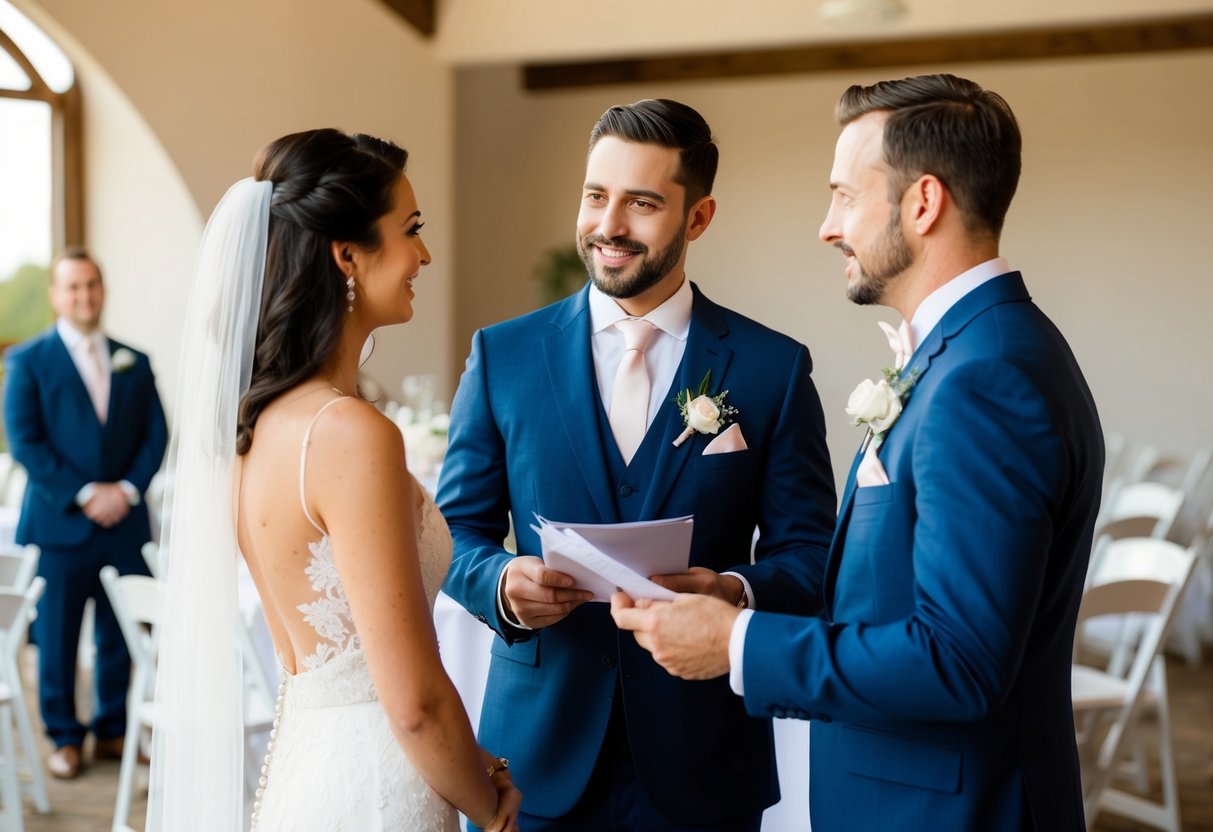
Logistics are essential for planning your wedding. Knowing how to select a venue, handle destination weddings, and track RSVPs can make the process smoother for you and your guests.
Selecting Your Venue
Choosing the right venue is key to accommodating your 150-person wedding. Consider locations that fit your style and budget. Think about whether you want an indoor or outdoor setting for your wedding ceremony and reception.
Make sure to ask about the venue’s capacity. A space that holds at least 200 guests can help account for any last-minute additions or no-shows. Also, check if the venue has amenities like catering, parking, and restrooms.
Take a tour with your partner to visualize the setup. Bring a list of questions regarding service, decor options, and available dates. The right venue sets the mood for your special day.
Planning for Destination Weddings
A destination wedding can add excitement and uniqueness to your celebration. However, it involves additional planning. Choose a location that suits both you and your guests.
Consider travel arrangements. Help guests by providing info on flights, hotels, and local attractions. A wedding website can be effective for sharing this information.
Make sure to discuss local laws and requirements with your venue. Each destination may have different rules for ceremonies and elopements. Planning ahead can help ensure your special day goes smoothly.
Sending Invitations and Tracking RSVPs
Sending out invitations early is key to getting a good guest count. Aim to send them out about 6-8 weeks before your wedding. This gives everyone ample time to respond.
Including an RSVP card makes tracking easier. Make sure to use clear instructions for guests to indicate their attendance.
Utilizing a spreadsheet or wedding planning app can help you manage guest responses. Create categories such as “attending,” “not attending,” or “maybe.” This information will help you coordinate seating and meal options for your reception. Keeping in touch with guests who haven’t responded can also be beneficial for finalizing your guest list.