
How Many Hours of Dancing Should You Have at a Wedding? Tips for the Perfect Celebration
Planning your wedding day is exciting, and the celebration with your guests is a key part of that joy. When it comes to dancing at a wedding, knowing the right amount of time can make all the difference in keeping the energy up and your guests happy. The ideal duration for dancing at your wedding reception is typically between two to three hours.
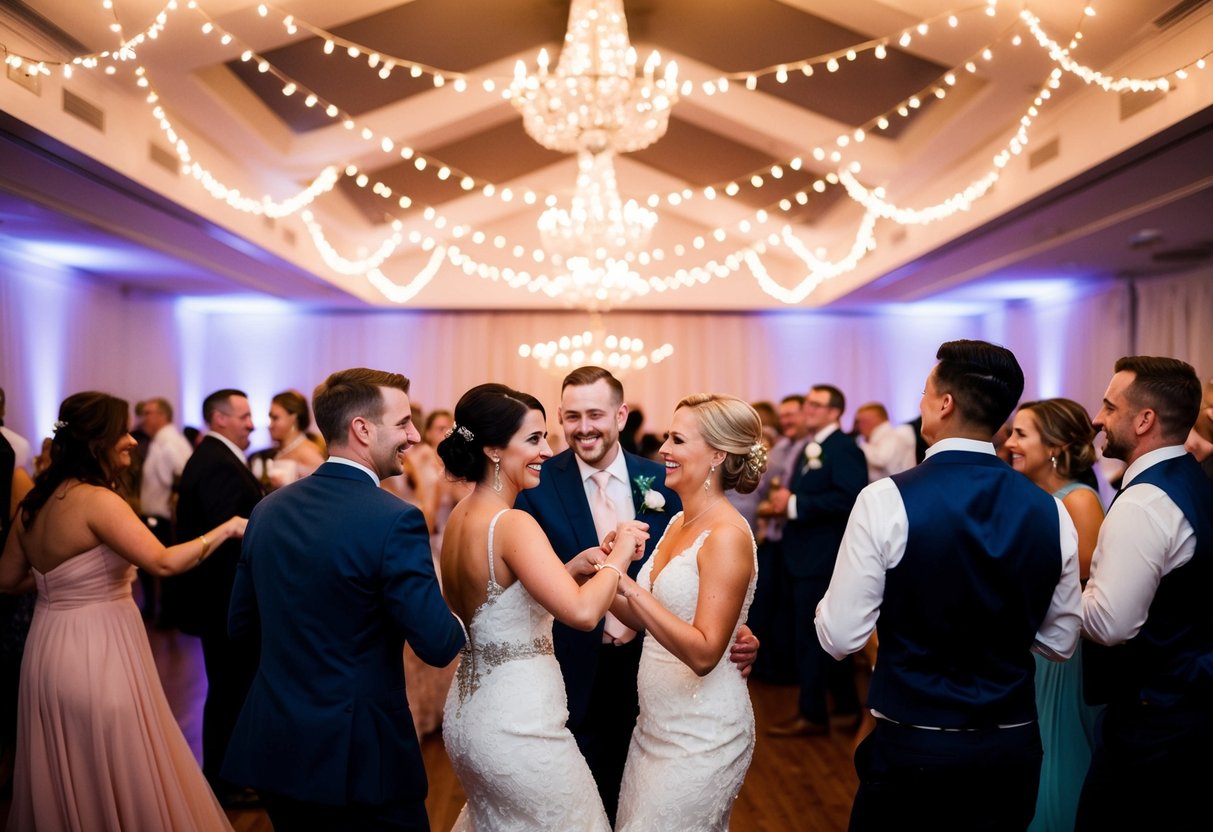
This time allows everyone to enjoy themselves without feeling worn out. You want your guests to hit the dance floor and create fun memories, so finding that sweet spot is essential. Keep in mind that the atmosphere can change as the night goes on, which is why planning the dancing schedule around other activities, like cake cutting or bouquet tossing, can help maintain excitement for the celebration.
By mixing in those traditional moments with plenty of time to dance, you can ensure a lively and engaging experience for everyone.
Planning Your Wedding Dance Timeline
Creating a dance timeline for your wedding is essential in ensuring you and your guests have a fantastic time. You’ll want to think carefully about how long to dance, when to have key moments, and how to fit in traditional dances.
Determining the Ideal Duration for Dancing
Most experts recommend that you allocate 1.5 to 2.5 hours for dancing during your wedding reception. This duration strikes a balance, allowing guests to enjoy themselves without feeling tired. Your wedding reception will typically last about 4 to 5 hours. This includes time for cocktails, dinner, and dancing.
To make the most of your dance time, start the dancing after dinner. You might kick things off with your grand entrance, followed by the first dance. After this, the dance floor should open up for everyone. Remember, too much dancing can wear guests out, so keep it fun and lively!
Incorporating Key Moments
Key moments during your wedding reception can enhance the experience. Important events include the first dance, father-daughter dance, mother-son dance, and the wedding party dance.
After the first dance, you might consider having the parent dances. Following these, it’s nice to invite all guests onto the dance floor to get everyone involved. A great way to keep the energy alive is to incorporate celebratory dances like the anniversary dance or money dance. These moments are not just entertaining; they help create lasting memories for you and your guests.
Allocating Time for Traditional Dances
Each traditional dance has its own significance and adds to the emotional depth of your event. The first dance should last about 3-5 minutes, giving you a special moment alone and keeping guests engaged.
The father-daughter dance and mother-son dance typically follow, each lasting around 2-4 minutes. Consider scheduling these moments before opening the dance floor to everyone. You can decide to have fun dances, like the cake cutting or a fun group dance, later in the night. Timing your traditional dances well can set a positive tone and energize the crowd for the main dancing event!
Creating an Engaging Dance Floor Experience
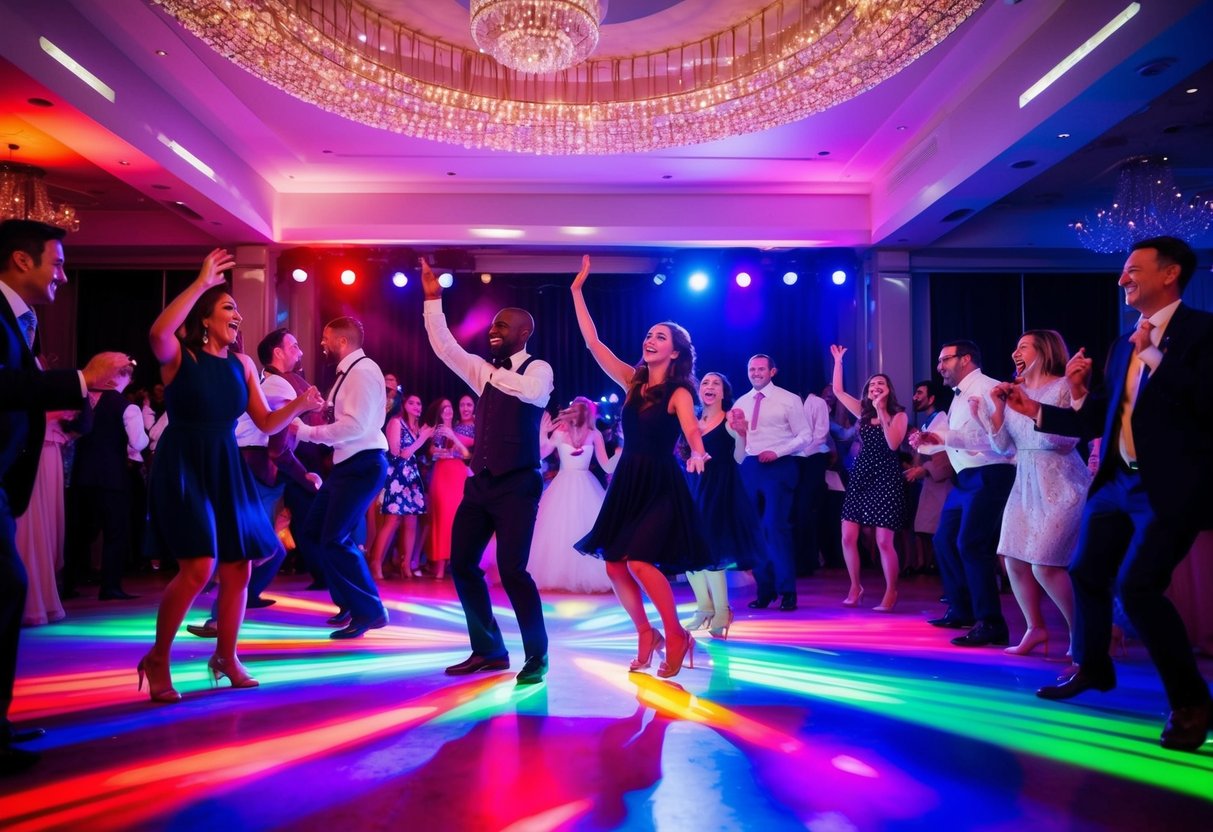
To make your dance floor a highlight of the evening, focus on creating the right atmosphere and managing the guests’ energy. These factors play a key role in ensuring everyone has an enjoyable experience.
Choosing the Right Dance Floor
Consider the size and location of the dance floor at your wedding. It should accommodate your guest list comfortably. If you have a large number of guests, a spacious dance floor is vital. A crowded space can discourage people from getting up to dance.
Think about the dance floor setup during different parts of the event. You might want to transition to the dance floor after the cocktail hour. This creates anticipation for the dance party ahead. Also, consider incorporating popular line dances like the Cupid Shuffle. They are great icebreakers and can get guests of all ages involved.
Managing the Energy Level Throughout the Night
The energy level can fluctuate throughout your wedding. To keep the excitement alive, plan for a mix of upbeat songs and slower tunes.
Start with energetic tracks as guests start to hit the dance floor, then shift to slower songs for a breather.
Adjusting to your guests’ reactions is crucial. If you notice people starting to tire, consider implementing a fun group activity, like a dance-off or a popular line dance. An open bar can encourage guests to stay longer and share their dance moves, so timing the open bar hours right can keep spirits high.
Logistical Considerations for a Smooth Reception
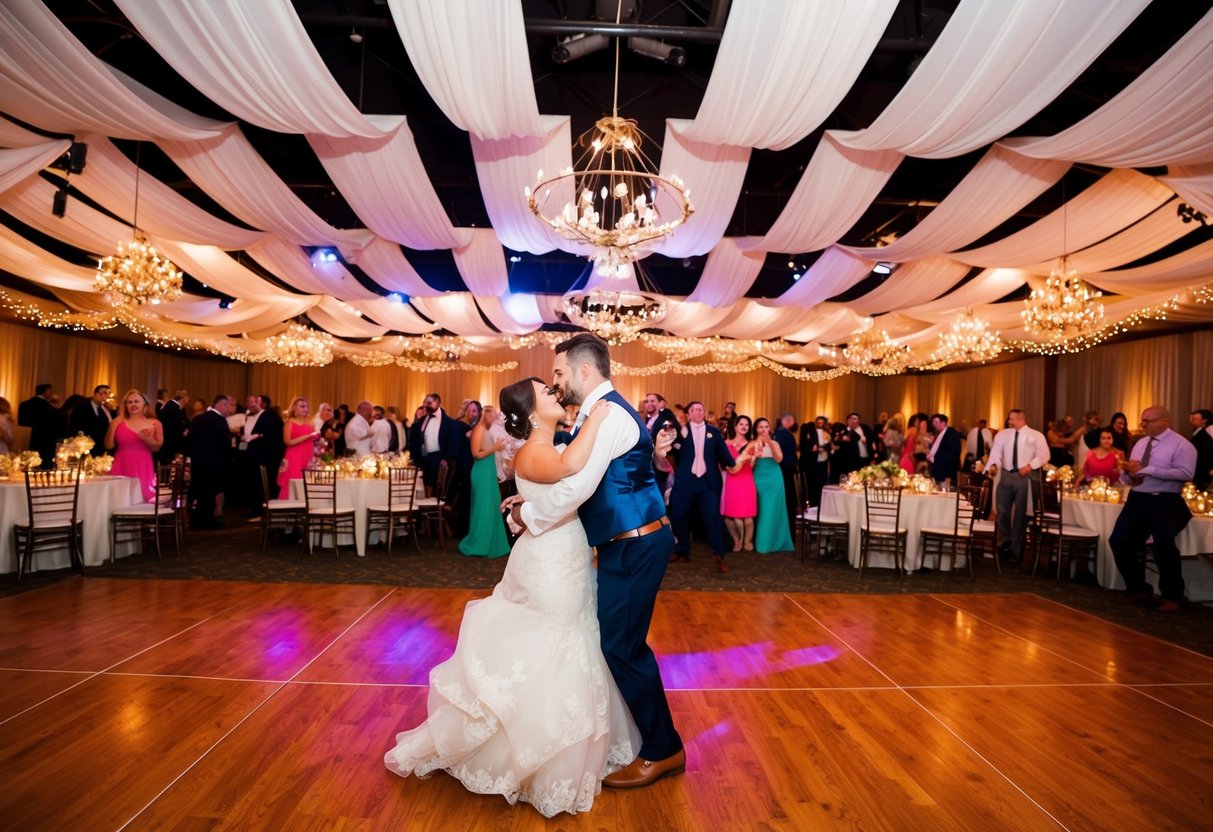
When planning your wedding reception, several important logistical aspects will enhance the dancing experience for you and your guests. Focusing on coordination and guest comfort will help ensure a memorable occasion.
Coordinating with the Venue and Vendors
Start by discussing your dance floor size with the venue. A spacious floor encourages participation, so check if there’s enough room for everyone. It’s also vital to communicate with your DJ or band about your schedule and their setup needs.
Consider the timing of events. Aim to have the dance portion start after key moments like the cake cutting and speeches. This helps build excitement.
Engaging a wedding consultant can make coordination easier. They can help link you with the venue and vendors to create a seamless flow for the evening. Having everything aligned will keep the focus on fun!
Planning for Guest Comfort and Participation
Guest comfort is essential for a great time on the dance floor. Make sure there are enough tables and seating for those who may need a break from dancing.
Think about the temperature at the venue. If the dance area gets too warm, consider providing fans or adjusting the AC to keep everyone cool.
Prepare for all ages by choosing a mix of upbeat and slow songs, allowing everyone to join in. You can also invite guests to participate in group dances for added fun.
Being mindful of these aspects makes your reception enjoyable for all. It shows consideration for your guests, encouraging them to let loose on the dance floor!