
How Many No’s to Expect for a Wedding? Navigating RSVP Challenges
When planning a wedding, one important factor is how many guests will actually attend. You might wonder how many of your invited guests will say “no” to your RSVP. On average, you can expect about 15% to 20% of your guests to decline the invitation. Understanding this can help you better manage your guest list and make arrangements that suit the actual turnout.

Several factors influence these numbers, such as the wedding’s location, date, and the distance guests must travel. For example, local guests typically have higher attendance rates, while out-of-town or destination wedding guests may decline at a higher rate. Knowing this can assist you as you finalize your wedding plans and budget.
As you navigate the world of wedding planning, remember that not every guest will be able to attend. Rather than feeling disheartened, use this knowledge to set realistic expectations and enjoy the journey of creating a memorable day for you and your loved ones.
Understanding RSVPs and Guest List Dynamics

When planning your wedding, understanding RSVPs can help you manage your guest list better. Knowing how many guests are likely to decline can ease your planning process and help you avoid overbooked venues or wasted food.
Factors Impacting RSVP Rates
Several factors influence how many guests will RSVP “no” to your wedding invitation. Consider the location of your event. Guests from nearby areas often have higher attendance rates than those traveling from far away.
Out-of-town guests may face higher costs and more logistics, leading to more declines. For local guests, you can expect better attendance. Also, the time of year can affect attendance, as some seasons are busier than others for travel and events.
Another important aspect is when you send out your save-the-dates and wedding invitations. The earlier you send these, the better response you might get. It allows guests to plan accordingly, especially if they’re coming from afar.
Estimating the Number of ‘No’ Responses
To estimate potential “no” responses, start with your entire wedding guest list. On average, you can expect about 15% to 20% of your invited guests to decline.
For example, if you invite 100 people, plan for about 15 to 20 of them to say “no.” This can vary based on your specific situation, such as your wedding’s day and time, or guests’ personal circumstances.
Using RSVP responses collected early can give you a clearer picture. Encouraging early replies through RSVP cards or online forms can be helpful. It creates an accurate headcount and helps you make informed decisions on seating and catering.
Planning for Different Wedding Sizes
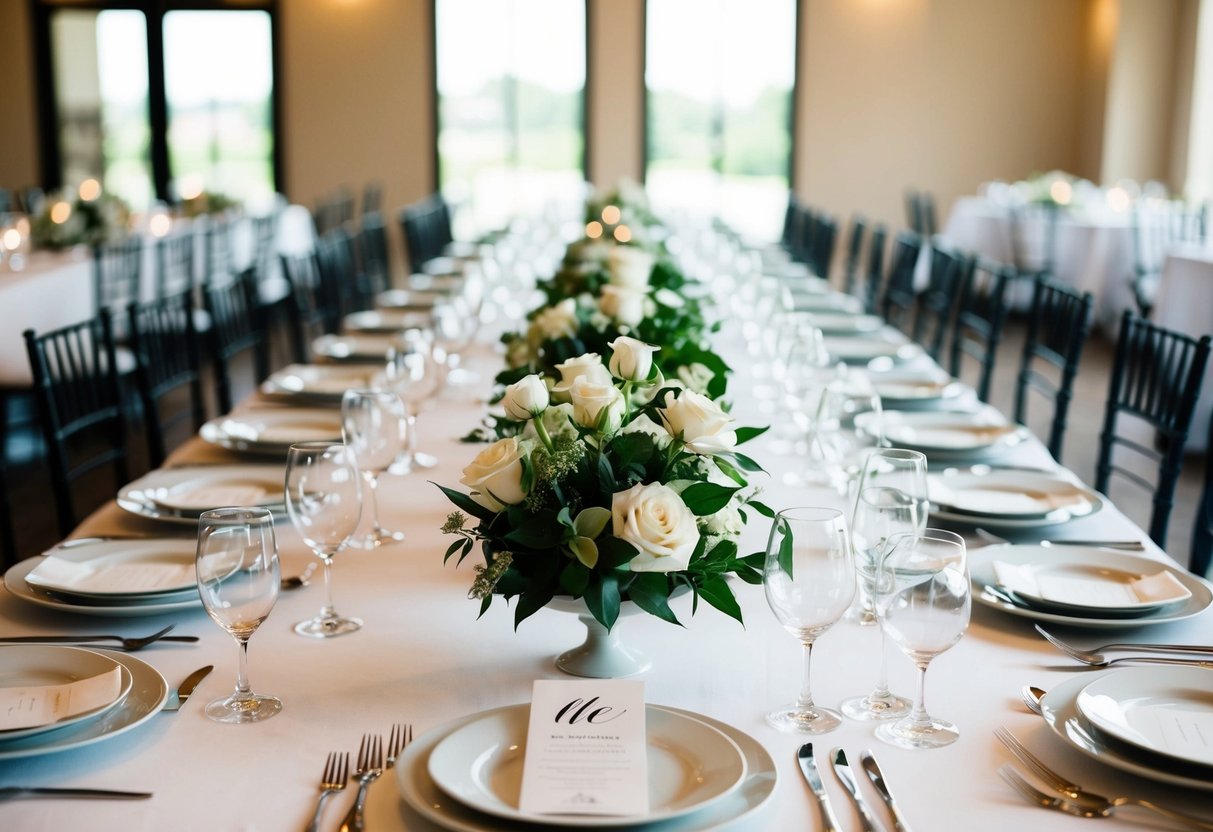
When planning your wedding, understanding the size of your guest list is crucial. A small wedding often leads to a more intimate gathering, while a large wedding can create a festive atmosphere. Here are some key points to consider for each type.
Managing a Small Wedding’s Guest List
For a small wedding, usually defined as having under 50 guests, prioritize who makes the cut. This is about personal connections. Start by listing your closest family and friends.
Guest list suggestions can include those who have supported your journey. Think about inviting people who reflect your relationship—those who would share in your joy.
To keep it organized, you might use a simple table:
| Guest Name | Relationship | RSVP Status |
|---|---|---|
| John Doe | Best Friend | Confirmed |
| Jane Smith | Sister | Pending |
This approach helps manage your small wedding effectively and ensures everyone feels special.
Preparations for a Large Wedding Attendance
A large wedding can mean a guest count of over 150 people. This requires a solid plan since more guests often lead to more logistics.
Start with your wedding guest list. Look at your whole circle—family, friends, colleagues—to build a comprehensive list. It helps to send out invites early, allowing guests to respond promptly.
Considerations for a big wedding include venue size, catering, and seating arrangements. A larger venue might be necessary, so scout locations carefully. Additionally, prepare for varying RSVP rates. Expect 75-85% of guests to attend, so plan accordingly for food and seating.
Being organized will make the preparations smoother and the event more enjoyable for everyone involved.
Financial Aspects of Wedding Guest Planning

When planning your wedding, it’s important to think about how many guests will actually show up. No-shows can impact your budget and lead to unexpected expenses. Understanding these factors helps you manage your wedding costs effectively.
Impact of ‘No’ Responses on Wedding Budget
Receiving “no” responses from guests can seem like a relief at first. However, it can also impact your budget. If you’ve planned for a larger guest list, a significant number of no-shows might mean you spent too much on certain aspects, like catering or venue space.
Consider that food costs are often calculated per person. For example, if you anticipate 150 guests but only 120 attend, you’ve paid for 30 meals that go uneaten. Adjusting your budget during early planning can help mitigate these costs.
It’s smart to set aside a portion of your budget for potential last-minute changes. This could include additional seating or catering adjustments. Always keep track of your RSVP responses to help you adjust your budget accordingly.
Allocating Funds for Unexpected Guests
While planning, also factor in the possibility of unexpected guests. Sometimes friends or family might decide to bring plus-ones, which can add to your overall wedding costs.
You need to prepare for a few extra guests. This means having a flexible portion in your wedding budget. For instance, if your original guest list is 100, plan your catering and venue for a few extra, maybe 105 or 110, based on common no-show rates.
This way, you won’t be caught off guard by unexpected plus-ones. If everyone who responds “yes” shows up, you’ll be ready without breaking your budget. Keeping a buffer can help you handle cancellations too, ensuring your wedding day remains joyful and stress-free.
Special Considerations for Destination Weddings
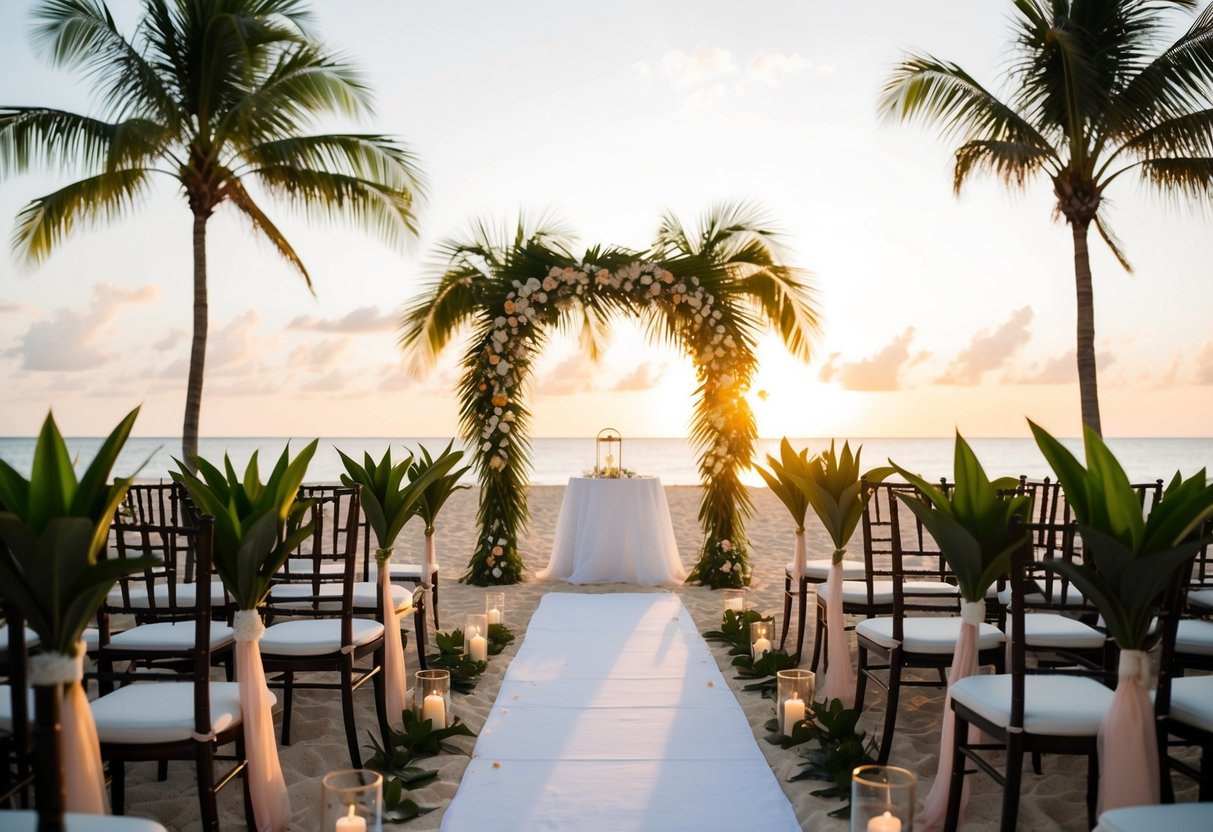
When planning a destination wedding, it’s essential to keep unique factors in mind. This type of celebration often involves travel, which can affect your guests’ ability to attend. Understanding RSVP expectations and providing helpful information can make a big difference in guest attendance.
RSVP Expectations for Destination Events
When you send out invitations for your destination wedding, expect a lower RSVP rate than a local wedding. Generally, around 35% to 50% of your invited guests may attend. To get a clearer picture, communicate the details clearly in your invitations.
Include a clear RSVP deadline. This helps in finalizing the venue and planning catering needs. Consider using online RSVP tools. They can simplify the process and track positive responses easily.
Tip: Send save-the-dates early so guests can plan their travel. This will help increase your chances of receiving more positive RSVPs.
Providing Accommodation Details and Travel Tips
Guests may need help finding where to stay. We have secured group rates at nearby hotels, so make sure to include a list of these hotels. Also, don’t forget to highlight any unique local lodging options, like charming inns or vacation rentals.
Additionally, offer travel tips. Share info on flights to the nearest airport. Then, provide local transportation options, like shuttles or car rentals, to make travel easier.
Tip: Create a wedding website with all this information. This will serve as a one-stop resource for your guests, helping them feel more comfortable about attending your destination wedding.