
How Many People Are Normally at a Rehearsal Dinner? Tips for a Great Celebration
When planning a wedding, you need to consider many details, including the rehearsal dinner. This gathering is an important time for the wedding party and close family members to bond before the big day. You might wonder how many people typically attend a rehearsal dinner. On average, you can expect around 20 to 30 guests, but this number can vary based on your preferences and budget.
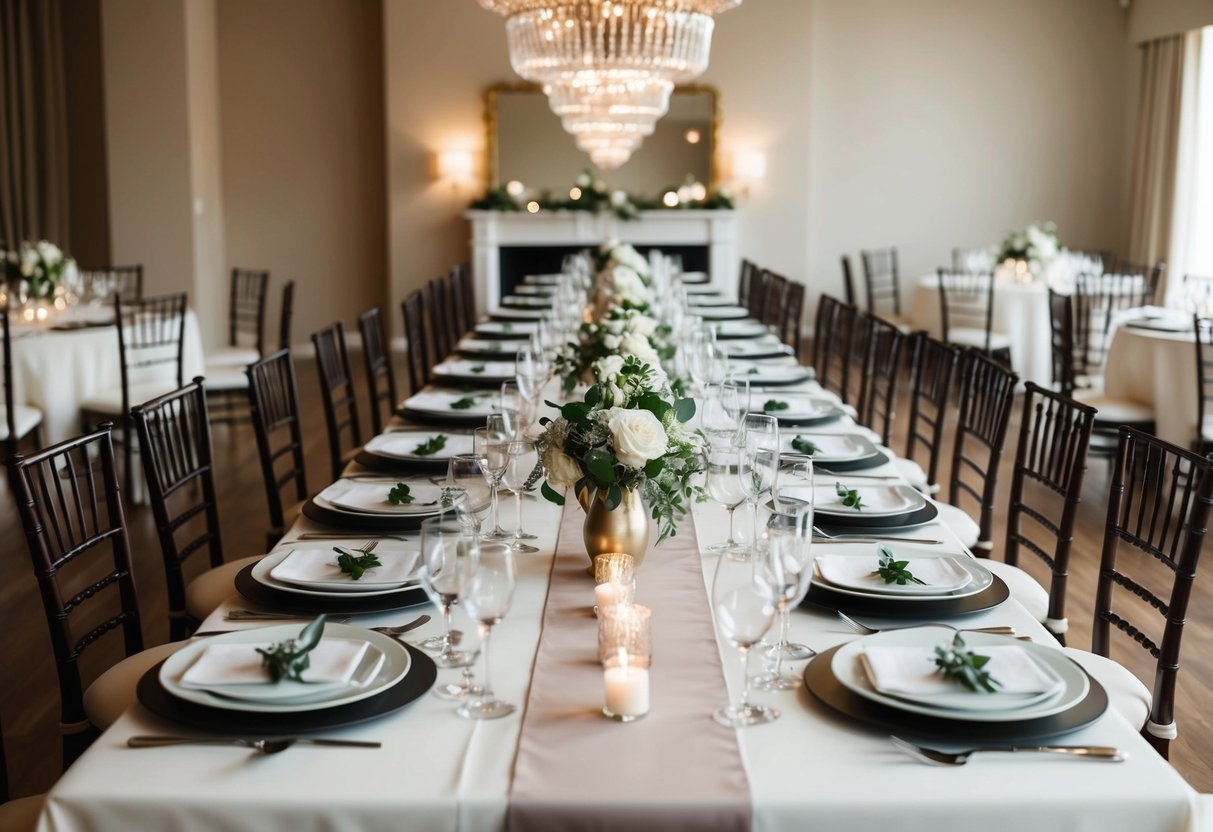
Your guest list usually includes the immediate family, wedding party, and the officiant, but some couples also invite out-of-town guests. The size of your rehearsal dinner often reflects the formality of your wedding. Smaller, intimate dinners can create a cozy atmosphere, while larger gatherings may allow for more celebration and fun.
Understanding the typical size of a rehearsal dinner can help you plan effectively. This special meal not only sets the tone for your wedding but also allows everyone to relax and enjoy each other’s company before the ceremony.
Key Participants and Roles
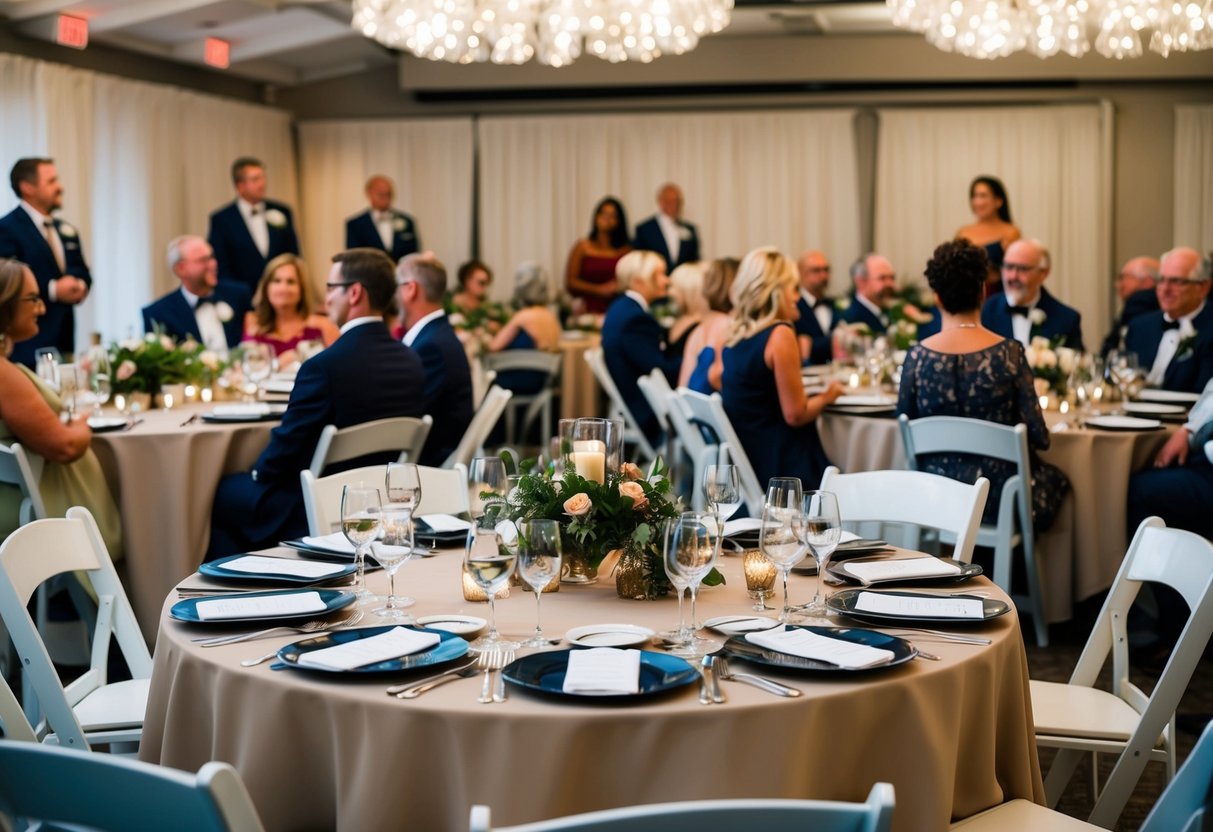
When planning your rehearsal dinner, you need to know who should be there. Key participants like family, the wedding party, and special guests play vital roles in making the event special. Here’s a closer look at these important people.
Immediate Family and Wedding Party
Your immediate family members, like parents and siblings, have an essential role in the rehearsal dinner. They support you throughout the wedding planning process and on the big day. It’s traditional to have them at the dinner to celebrate together.
The wedding party includes your bridesmaids, groomsmen, and other key members. Each person in the wedding party contributes to the ceremony. Their presence at the rehearsal dinner helps build camaraderie and sets a friendly atmosphere leading up to your wedding. You might want to invite your flower girl and ring bearer too.
Officiant and Special Guests
The wedding officiant usually attends the rehearsal dinner. They help guide the ceremony, so it’s a great opportunity for everyone to connect. This ensures everyone understands their roles for the ceremony.
Consider inviting special guests. These can be close friends or family members who support you. Their presence can provide comfort and joy as you prepare for your big day. Inviting your officiant and special guests makes the event more inclusive and meaningful for everyone involved.
Building the Guest List
Creating your rehearsal dinner guest list involves careful thought. You want to include the important people in your life, while also keeping it manageable. Here’s how to navigate this process.
Guest List Essentials
Start with the key players in your wedding. This typically includes your immediate family members, like parents and siblings. Next, think about your wedding party. Include all attendants, alongside their significant others, if applicable.
Don’t forget your close friends! These are the people who have supported you along the way. You can also consider inviting aunts and uncles if you share a close bond.
It’s common to have a total guest count of around 15 to 50 people, depending on your budget and venue size. Aim to draw a list that feels right for you while ensuring you don’t exclude anyone who matters.
Considerations for Out-Of-Town Guests
If you have guests coming from afar, they deserve special consideration. Often, these guests include family or close friends who travel to be a part of your big day.
Inviting them to the rehearsal dinner can show appreciation for their effort to attend. It’s a nice way to help them feel welcome and included.
Remember to communicate details clearly. Let them know the dinner time and location early on, especially if they’ll be traveling. Consider making your rehearsal dinner accommodating with options that cater to dietary needs, too.
Managing Plus-Ones
One key decision is how to handle plus-ones. If a member of your wedding party is bringing a partner, it’s usually a good idea to include them. This shows your respect for their relationship and enhances everyone’s comfort.
For guests, you could set a policy based on your venue size. For example, if you want a small gathering, limit plus-ones to guests’ spouses or significant others. If your list can stretch a bit, think about allowing friends to bring their partners.
Create a spreadsheet to organize who is invited and their plus-ones. This will help track your numbers efficiently and keep the planning process smooth. Keeping your guest list well-managed will ensure a joyful atmosphere at the dinner!
Invitations and Etiquette
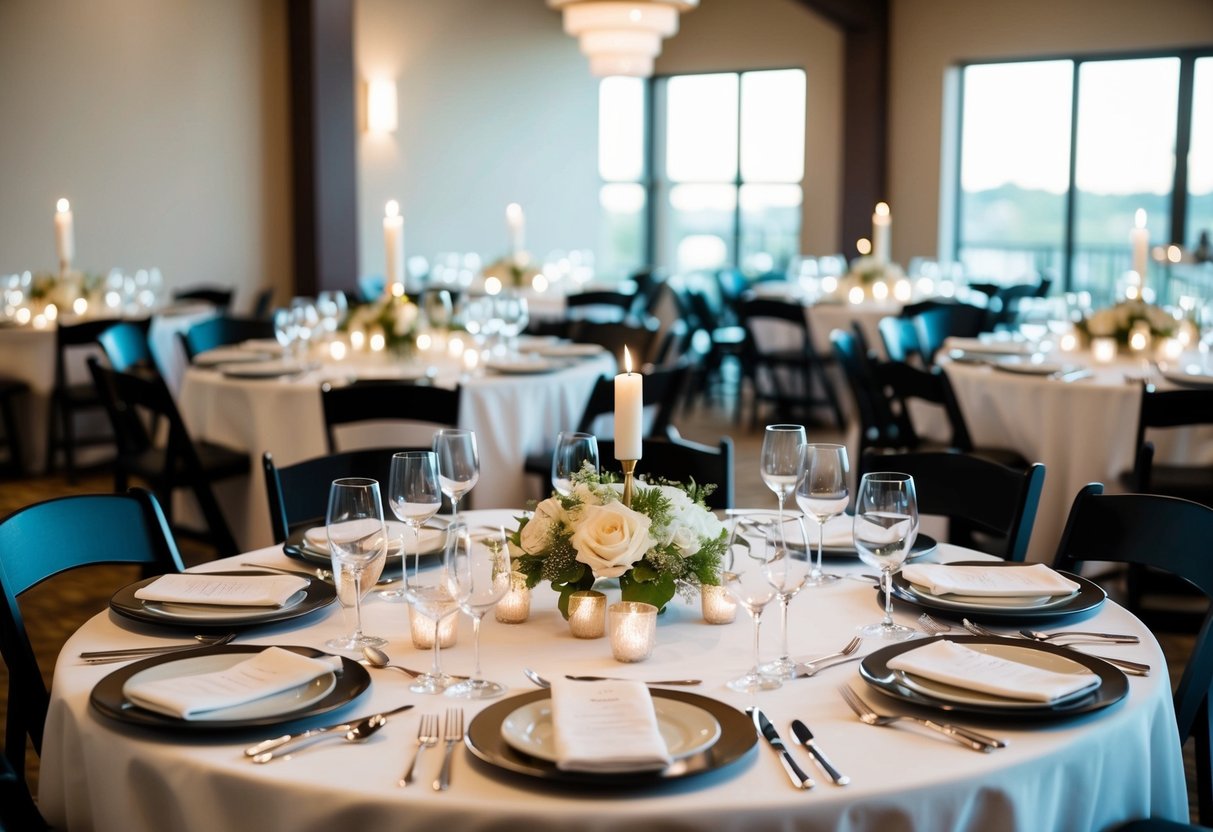
Planning your rehearsal dinner invitations involves a few key details. You want to ensure your guests have the right information while being mindful of any dietary needs they may have. This section covers the essentials of invitation details and how to handle dietary accommodations.
Invitation Details
When sending out rehearsal dinner invitations, aim to include important information clearly. Start with the date, time, and location of the dinner. You might also want to mention the dress code or any special instructions.
Timing is essential. Try to send out your invitations 3-4 weeks in advance. This gives guests enough time to make arrangements, especially if it’s a destination wedding.
Most couples choose simple invites, like casual emails or digital invites, since the guest list is usually smaller. Keep it friendly and warm to set the tone for your dinner.
Dietary Accommodations
Considering dietary restrictions is important for any dinner, including rehearsals. Be sure to ask your guests about any allergies or special dietary needs when you send out the invitations.
You can include a brief note in your invitation, encouraging guests to inform you of their dietary requirements. This ensures everyone feels included and can enjoy the meal offered.
For example, if you’re planning a menu with gluten-free or vegan options, let guests know. Being proactive about dietary accommodations will create a more enjoyable atmosphere for everyone.
Planning the Dinner
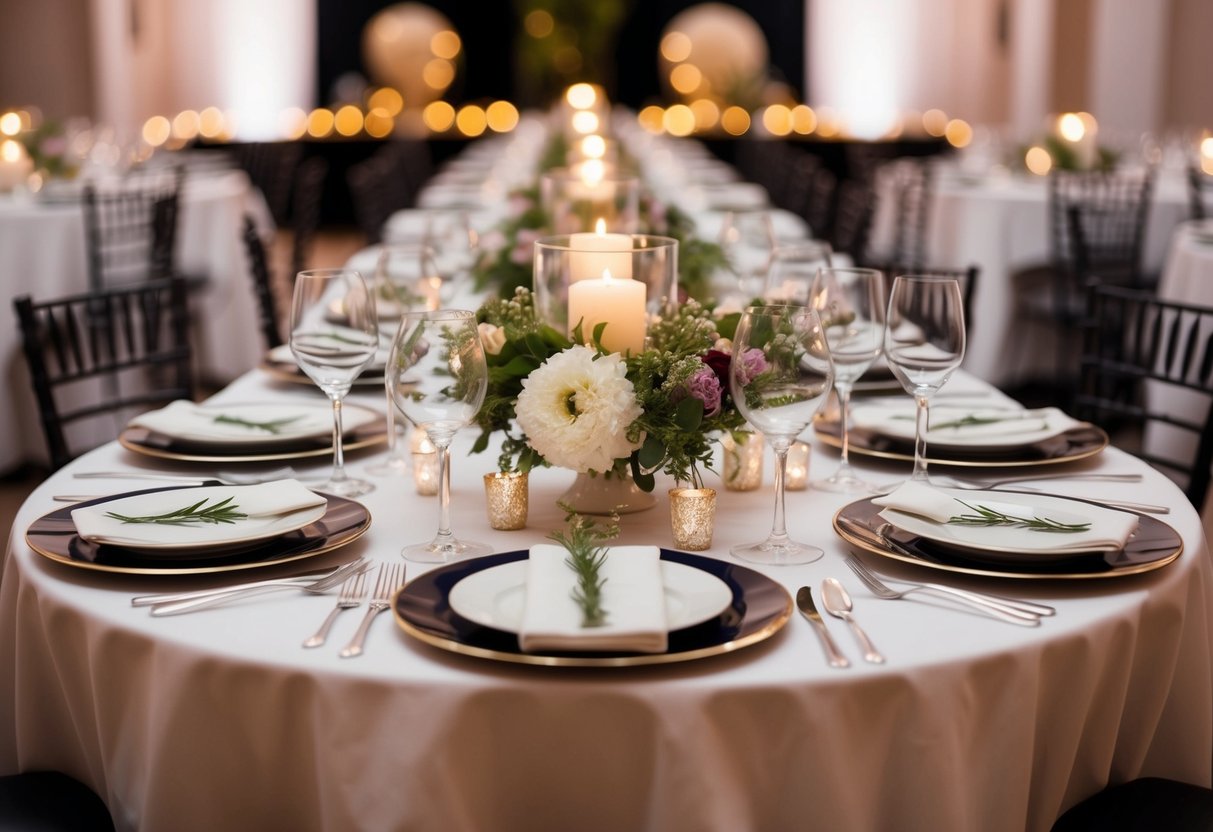
Planning your rehearsal dinner involves key choices about the venue, menu, and any additional welcome events. These decisions set the tone for your wedding weekend and help everyone feel included and excited.
Choosing a Venue
Selecting the right venue is essential for your rehearsal dinner. Consider locations that reflect your style and can accommodate your guest list. Popular options include restaurants with private rooms, banquet halls, or even a cozy home setting.
Make sure the venue is convenient for your guests, especially if they are coming from out of town. Look for spaces that allow you to customize the decor to match your wedding theme. Also, ask if they offer packages for food and drinks, which can make planning easier.
Crafting the Menu
Your rehearsal dinner menu should cater to the tastes of your guests. Think about offering a mix of options, including vegetarian and gluten-free dishes.
A well-rounded menu might include appetizers, a main course, and desserts. Consider serving a few crowd-pleasers such as pasta, grilled chicken, or seafood. You might even want to include a signature cocktail to create a fun atmosphere.
Keep in mind that this dinner is a chance to showcase your style, so don’t hesitate to share your favorites or cultural dishes.
Organizing a Welcome Party
A welcome party is a great addition to your rehearsal dinner. It allows guests to mingle before the wedding and feel more connected.
You can create a relaxed environment by hosting a simple gathering at your venue. Think about arrangements like casual seating and light snacks.
You might want to include games or activities to encourage interaction. Remember to introduce your guests to one another, ensuring everyone feels included.
A welcome party can set a joyful tone for the upcoming wedding celebration.