
How Many People Is Too Small for a Wedding? Finding the Perfect Guest List Size
When planning your big day, figuring out how many guests to invite can be tricky. A small wedding typically has 50 guests or fewer. Anything below that can still feel special and meaningful. It’s important to remember that the right guest count for your wedding ultimately depends on your vision and what feels comfortable for you.
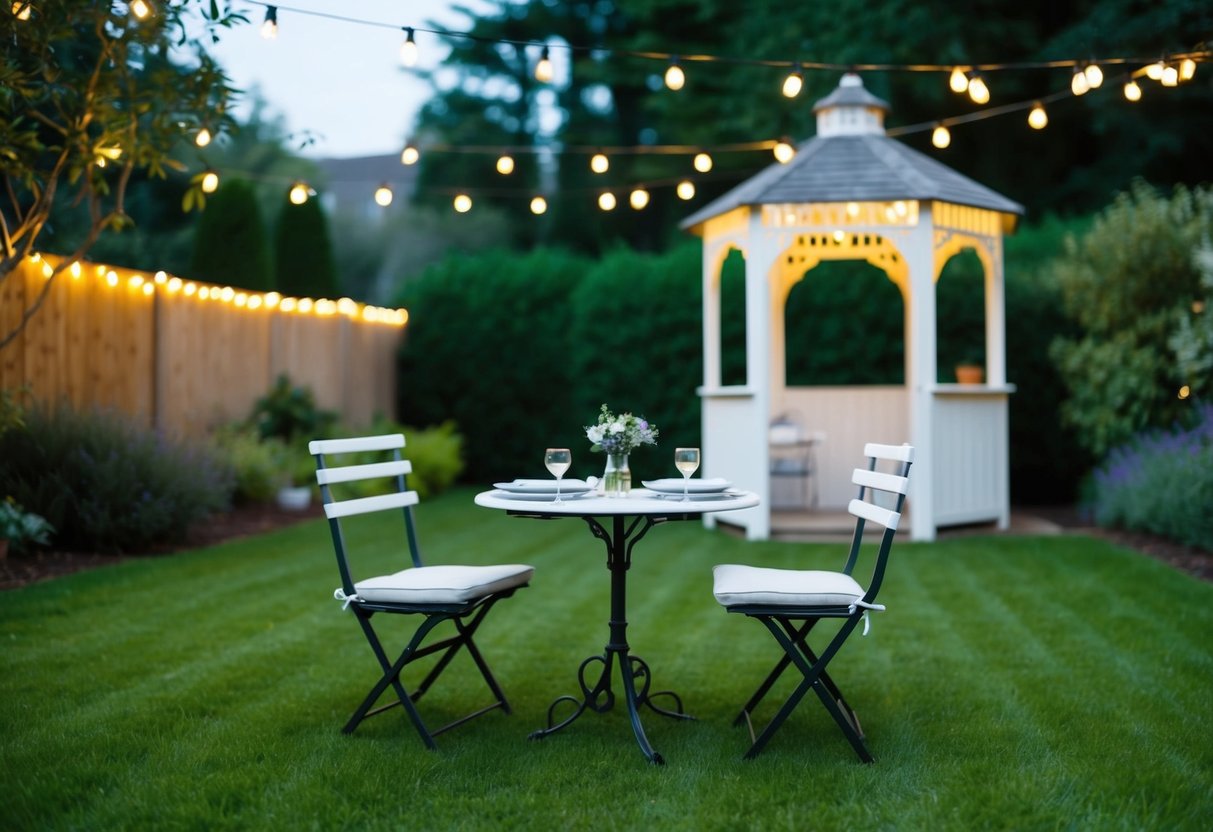
If you’re considering a more intimate wedding, you might wonder if 20 or even 30 guests might be too few. While some traditions celebrate large gatherings, an intimate atmosphere can create lasting memories with those who matter most. Tailoring your guest list to fit your desire for closeness can help you enjoy a day filled with love and personal connection.
As you plan, think about what size feels right and how it aligns with your wedding traditions. Whether you lean towards a small, cozy event or a grand celebration, what’s most important is creating a day that reflects your unique love story.
Determining Your Ideal Wedding Size
Choosing the right size for your wedding can feel overwhelming. It’s important to consider what fits your vision, budget, and relationship dynamics. Here, you will find helpful insights to guide you in making this decision.
Wedding Size Spectrum
Weddings can be categorized into different sizes: small, medium, and large. A small wedding typically includes fewer than 50 guests. For those planning a micro wedding, you might aim for 15 guests or less. A medium wedding generally has about 75 to 150 guests, fitting nicely in traditional venues. Anything over 150 falls into the category of a large wedding.
Understanding these categories can help you estimate how many guests to invite. You might find that a more intimate event sparks joy that a big wedding does not.
Factors Influencing Wedding Size
Several factors will impact your wedding size decision. First, your budget is key. Smaller weddings often reduce costs for venue and catering.
Next, consider your family dynamics. Blending two families can expand your guest list quickly.
Your friend groups also play a role. Think about who made it to your special moments. Cultural traditions may affect size too; some communities have larger gatherings for weddings. Lastly, venue capacity can limit or guide your guest count.
Personal Preferences and Expectations
Your personal preferences greatly influence your ideal wedding size. Consider whether you enjoy a cozy setting with close friends or a festive atmosphere with many guests.
Expectations can stem from family traditions, social circles, and even your vision of the special day. Some couples prefer weddings under 75 guests for a more intimate experience. Alternatively, you might dream of a large celebration filled with joy and laughter.
Finding a balance between what you want and what feels right for you is crucial. Be honest with yourself about how large or small your perfect day should be.
Planning Your Small Wedding
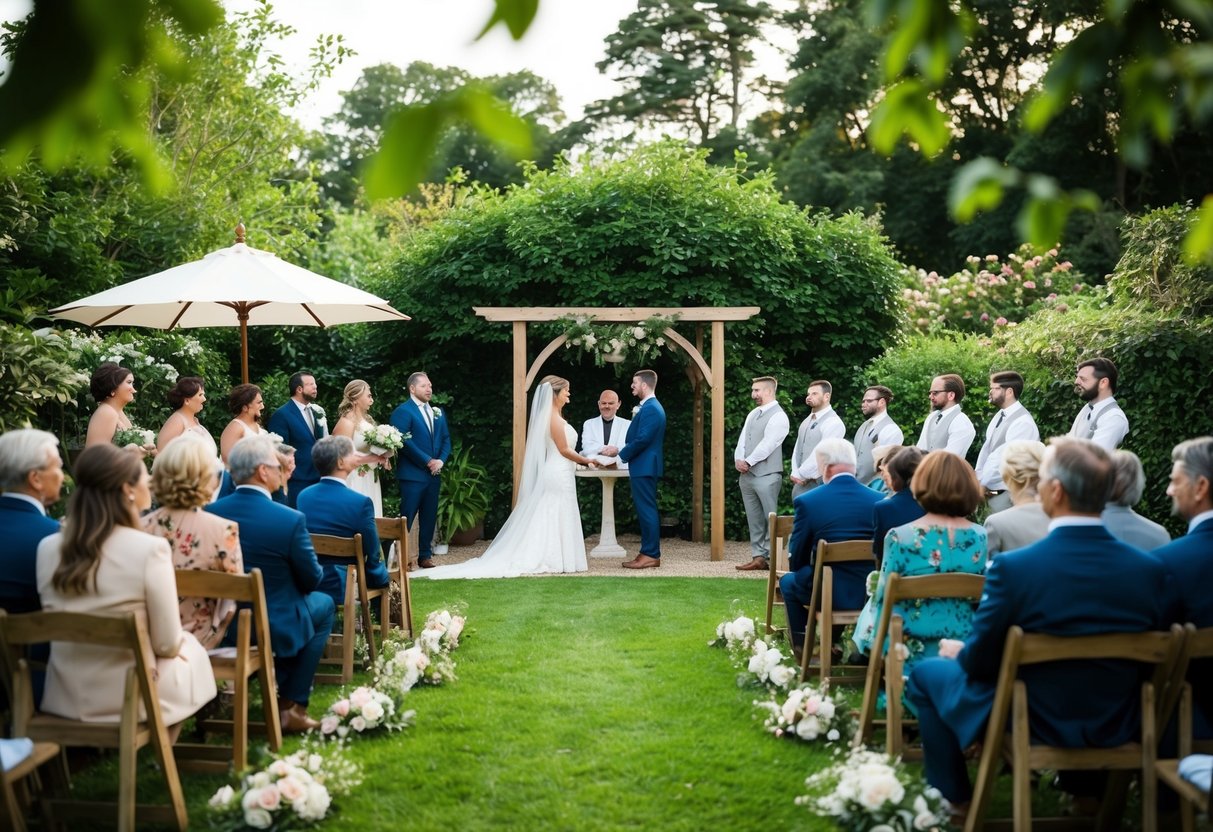
Planning a small wedding involves careful thought about your guest list, budget, and venue. These elements can help you create a memorable celebration tailored to your needs and preferences.
Creating the Guest List
When it comes to a small wedding, your guest list is key. Aim for around 50 guests or fewer to keep the event intimate.
Start by writing down everyone you want to invite. Then, narrow it down by considering who means the most to you.
Think about close family and friends who will support you on your big day. You can also include people who have been part of your journey as a couple.
Consider using a spreadsheet to keep track of names, RSVPs, and meal choices.
Ultimately, a smaller guest list allows you to spend quality time with each person. This focus enhances the experience, making it more meaningful and enjoyable for everyone.
Budget Considerations
Budgeting for a small wedding can be less stressful compared to larger events. With fewer guests, you can allocate funds to areas that matter most to you.
Start by determining your total budget and dividing it into categories like food, décor, and attire.
You might save on catering costs since smaller menus are often simpler. Consider using local vendors or DIY options for flowers and decorations. This can help you stay within your budget and still create a beautiful atmosphere.
Don’t forget to include extra costs for a wedding planner if you decide to hire one. A planner can help streamline the process and ensure you stick to your budget, making the planning easier for you.
Selecting the Perfect Venue
Choosing the right venue for your small wedding is crucial for setting the right tone.
Look for spaces that can comfortably hold your guest list. Intimate venues like a cozy restaurant, a backyard, or a small chapel work well.
Consider the style you want for your wedding. Whether it’s rustic, modern, or classic, your venue should match that vision.
Visit several locations and envision how your day would play out in each space.
Also, take note of additional services offered by the venue. Some may include catering or decoration options, which can simplify planning. Finding the right venue can make your small wedding feel special and unique.
Unique Small Wedding Formats
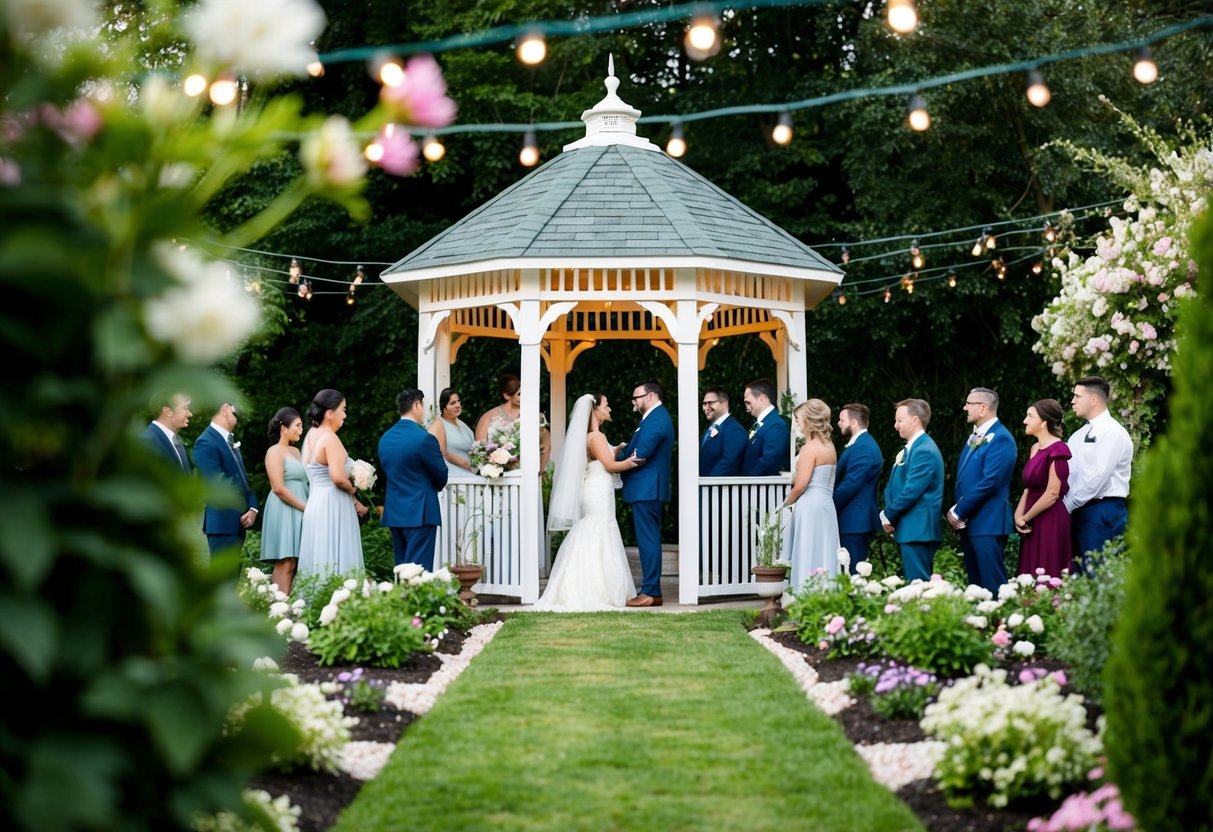
If you’re considering a small wedding, there are several unique formats to explore. These options cater to different preferences and can create memorable experiences for you and your guests.
Micro Weddings and Minimonies
Micro weddings typically include 20 to 40 guests, offering an intimate setting. You can focus on personal connections and special moments. Many couples choose to add unique touches, like a themed decor or personalized vows.
Minimonies are even smaller, with a guest list of 10 people or less. They are perfect for those who want a quick, meaningful ceremony without the stress of a larger event.
You can easily find affordable wedding packages that cater to these smaller gatherings.
Elopements and Destination Weddings
Elopements involve just the couple and perhaps a witness. They allow for flexibility in choosing a location, whether it’s a mountaintop or a beach. Many couples enjoy the spontaneity and simplicity of an elopement, often planning a celebration later with family and friends.
Destination weddings add a twist, as you’re tying the knot in a unique location away from home. These events can range from intimate ceremonies to more elaborate celebrations with a small group.
Consider popular spots like the UK or tropical destinations that offer stunning backdrops.
Weekday and Off-Season Weddings
Choosing a weekday for your wedding can help keep the guest list smaller. Many venues offer lower rates for weekdays, making it an economical choice. You might find it easier to book your desired location and vendors.
Off-season weddings, typically from late fall to early spring, also tend to attract fewer guests. You can take advantage of better pricing and have more flexibility with your plans. Plus, these times can evoke a cozy atmosphere, perfect for an intimate gathering.
Maximizing Guest Experience in Smaller Weddings
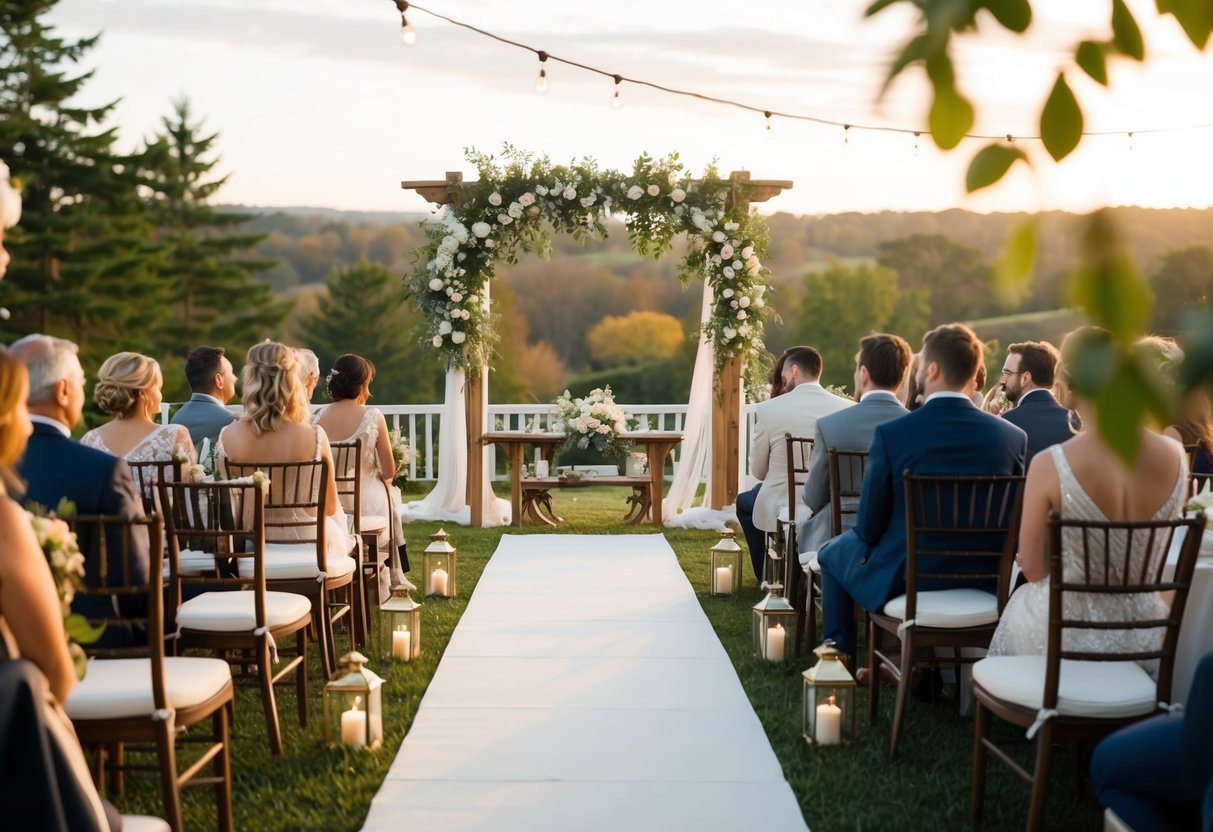
Smaller weddings can offer a unique and intimate atmosphere that allows for deeper connections among guests. You can make the most of this experience by focusing on engagement, personal touches, and extending your celebration.
Creative Ideas for Engagement
With a smaller guest list, you have the opportunity to engage everyone. Plan interactive activities like a DIY cocktail station where guests can mix their drinks. This adds fun and encourages conversation.
Consider games or icebreakers to create connections. You could also involve guests in creating a shared playlist for the wedding reception. This way, everyone feels included and connected to the event’s mood.
Using a guest list manager can simplify tracking RSVPs. It keeps your planning organized and helps ensure no one is left out.
Personal Touches to Make Your Wedding Memorable
Incorporating personal touches makes your wedding stand out. You could create custom favors that represent your journey together. Guests will appreciate the thoughtfulness behind these small tokens.
Think about those who attend—friends and family who play vital roles in your life. Share stories about them during the reception. A slideshow or heartfelt speech highlighting significant moments can evoke emotions and foster connections.
Additionally, consider a unique seating arrangement that encourages mingling. Round tables or small clusters promote togetherness and spark discussions.
Extending the Celebration
Don’t feel limited to just one day. Instead of a traditional reception, consider having a weekend celebration.
Host a casual brunch or a post-wedding get-together. You can also create opportunities for bonding.
Plan a group outing or an adventure that guests can enjoy after the wedding. This extends your time together and deepens relationships.
With careful planning and creativity, your small wedding can be a powerful experience for you and your guests. The right choices can make it memorable without straining your budget.