
How Many People Won’t Come to a Destination Wedding? Exploring Attendance Factors and Expectations
Planning a destination wedding can be both exciting and a little overwhelming. You might find yourself dreaming of the perfect location, stunning views, and a memorable celebration surrounded by loved ones. On average, about 30-40% of invited guests may not be able to attend your destination wedding. Understanding this statistic is crucial for your wedding planning as it helps shape your guest list and manage your expectations.
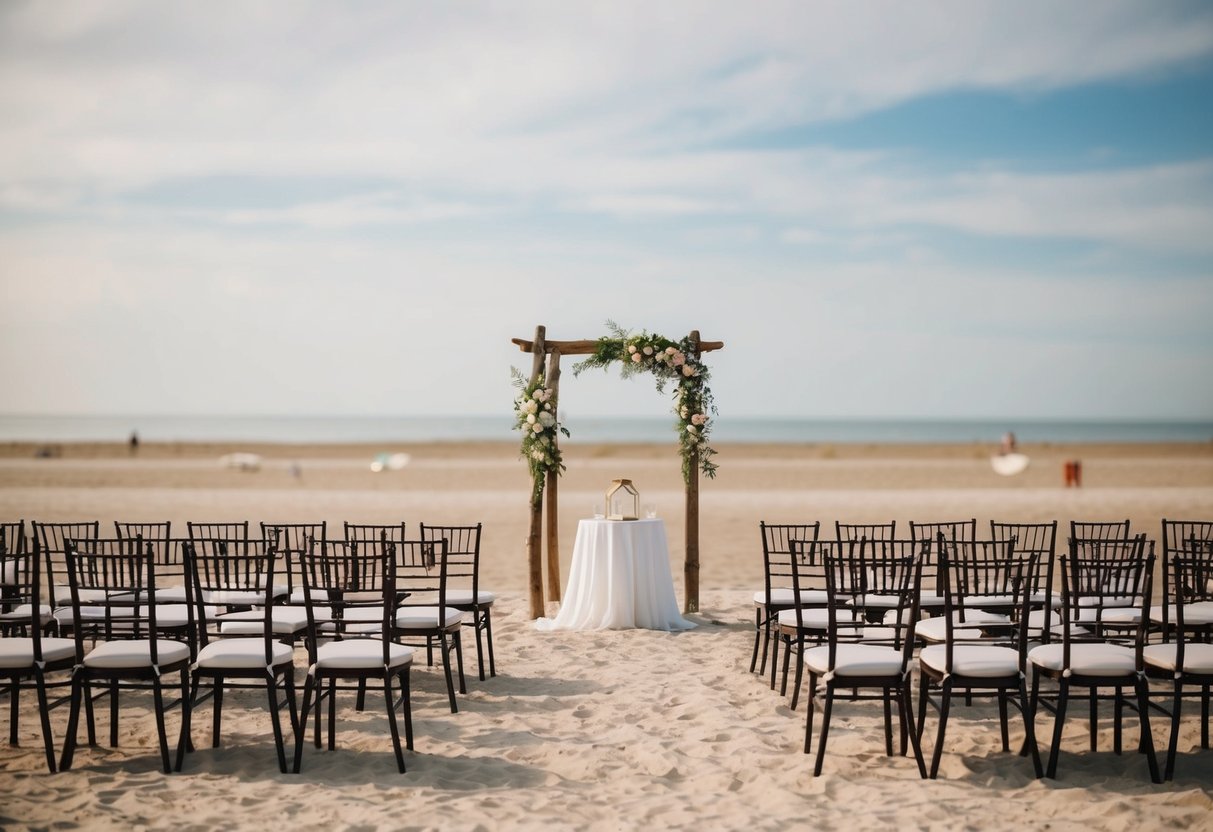
When creating your guest list, keep in mind that travel, costs, and time off work can all impact whether friends and family can make it. Many will appreciate the invite even if they can’t attend.
A little preparation can go a long way in making your special day enjoyable, even if some loved ones can’t be there. With the right planning, your destination wedding can still feel intimate and meaningful, no matter the guest count.
Understanding Destination Wedding Attendance Trends
When planning your destination wedding, it’s important to grasp the trends in guest attendance. Factors such as travel distance and guest obligations play a big role in who can make it. Knowing how these elements affect attendance can help you plan more effectively.
Factors Influencing Guest Attendance
Several factors can influence whether guests will attend your destination wedding. Travel costs are one of the biggest concerns. Many guests may be hesitant if they feel the trip is too expensive.
Work commitments also pose a significant challenge. Guests may struggle to take time off for travel.
Additionally, consider the time of year. Holidays and peak travel seasons might deter attendance due to other obligations.
For your planning, expect that about 30-40% of invited guests may decline your invitation, allowing you to set realistic expectations.
Comparing Destination vs. Local Wedding Attendance
Destination weddings often see a different attendance rate compared to local weddings. It’s common for only about 35% of invited guests to attend a destination wedding.
In contrast, local weddings generally have higher attendance rates. Many local guests can easily make it since they don’t have to travel.
To illustrate, if you invite 50 guests to a local wedding, about 40 might attend. But for a destination event, perhaps only 20-30 would make the trip.
Understanding these differences can help you decide how many people to invite, ensuring you have the celebration you envision.
Planning Your Guest List and Invitations

When planning a destination wedding, creating your guest list and sending out invitations are key steps. You want to ensure that you include the right people and give them ample notice to make travel arrangements. Here are some important points to consider for each aspect of the planning process.
Crafting the Perfect Guest List
Start by making two lists: List A and List B. List A should include your must-have guests, like close family and friends. List B can include others you’d like to invite, depending on your budget and venue capacity.
It’s helpful to keep guest list rules in mind. Aim for about 75-85% of invited guests to attend, but remember that some may decline due to travel costs or scheduling conflicts.
When deciding on plus-ones, consider how many guests are single and might want to bring a date. This can affect your final count.
Designing and Sending Invitations
Once you have your guest list, focus on designing your invitations. Make them appealing and informative. Include essential details like the wedding date, location, and travel information.
Start by sending save-the-date cards at least six to eight months in advance. This gives guests time to plan.
When sending out the main wedding invites, aim for a formal tone but also reflect your wedding style.
Don’t forget to provide RSVP options. You can include a card with a deadline for responses. This helps you finalize numbers for your overall planning.
Managing RSVPs and Follow-Ups
After sending your wedding invitations, track who responds. Handling wedding guests RSVPs can be challenging. Use a spreadsheet to monitor acceptance rates and note those who haven’t replied.
If you see some guests haven’t responded by the RSVP deadline, reach out with a friendly reminder. A quick message can help you wrap up the guest count.
This will ensure you can plan for food, seating, and other logistics accurately. Keeping open communication with your guests makes the entire process smoother and more enjoyable for everyone involved.
The Impact of Wedding Size and Costs
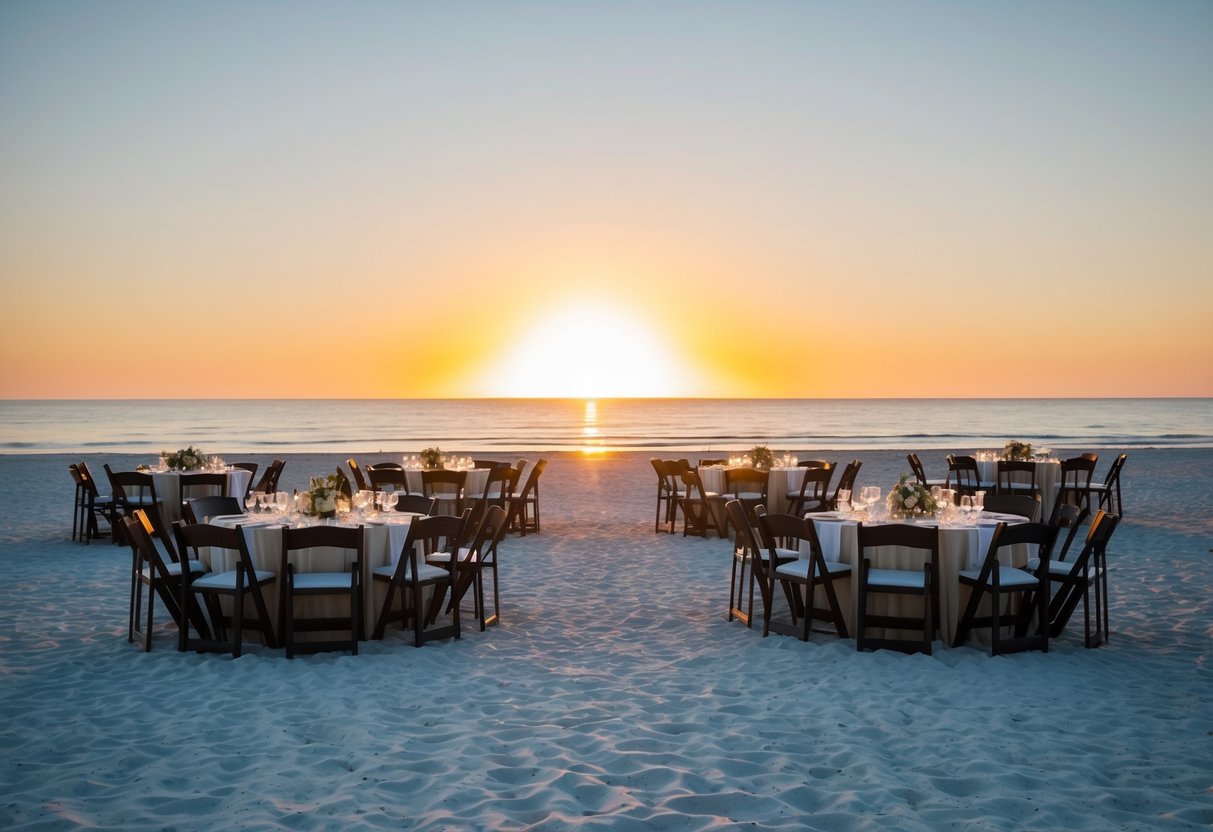
The size of a wedding and its associated costs play a significant role in how many guests will attend. Understanding these factors can help you plan better and set realistic expectations for your special day.
Factors That Affect Wedding Guest Count
When thinking about guest numbers, consider wedding size. Small weddings typically have between 10 to 50 guests, while large weddings can exceed 200.
Average Wedding Size: The average in the U.S. is about 100 guests. This number often influences your invitation list.
Destination Weddings: If you choose a destination wedding, guest attendance may drop significantly. Not everyone can travel or afford the added expenses.
Personal Connections: Close friends and family are more likely to attend. Less familiar guests may feel less obligated to show up.
By estimating a number of guests, you can better gauge the overall wedding budget needed to accommodate everyone comfortably.
Cost Considerations for Guests and Hosts
Costs can deter guests, especially with destination weddings. Travel, accommodation, and meal expenses can add up quickly.
Average Wedding Costs: For a typical wedding, catering costs range from $30 to $150 per person. High prices can lead to lower attendance, particularly at larger weddings.
Budget for Guests: You might also want to consider assisting with costs like travel or lodging for important attendees. This can increase the chance of them attending.
Expectations of Attendance: As a rule, expect about 75-85% of those invited to attend. This percentage may change based on the wedding size and location.
Accommodation and Travel Arrangements

Planning a destination wedding means considering where your invited guests will stay. Accommodations play a big role in their decision to attend.
Many guests look for hotels or resorts that offer group rates. This can help reduce costs for everyone.
Start researching places that can comfortably host your group. A good option is to choose a venue with on-site accommodations.
It’s also important to think about travel arrangements. Guests may need to book flights, rental cars, or airport shuttles.
Providing them with helpful information on local transport makes things easier. You can create a list of nearby airports and suggest transportation options. That way, your guests won’t feel lost when planning their trip.
Costs can be a big factor. About 54% of wedding guests might decline due to the expense of traveling. Keeping your guest list smaller can make it more intimate and manageable.
For your wedding, consider if you want a large gathering or a cozier celebration. Smaller groups turn into meaningful moments with loved ones.
Lastly, send out invitations early. This gives everyone time to arrange their accommodations and travel plans. You want your guests to feel excited and prepared for your special day!