
How Many Roses Do I Need for a Bridal Bouquet? A Simple Guide for Your Special Day
Choosing the right number of roses for your bridal bouquet can feel overwhelming. A classic bouquet using standard roses typically needs around 25 to 35 stems, depending on the size you want. This ensures a beautiful and full look as you walk down the aisle.
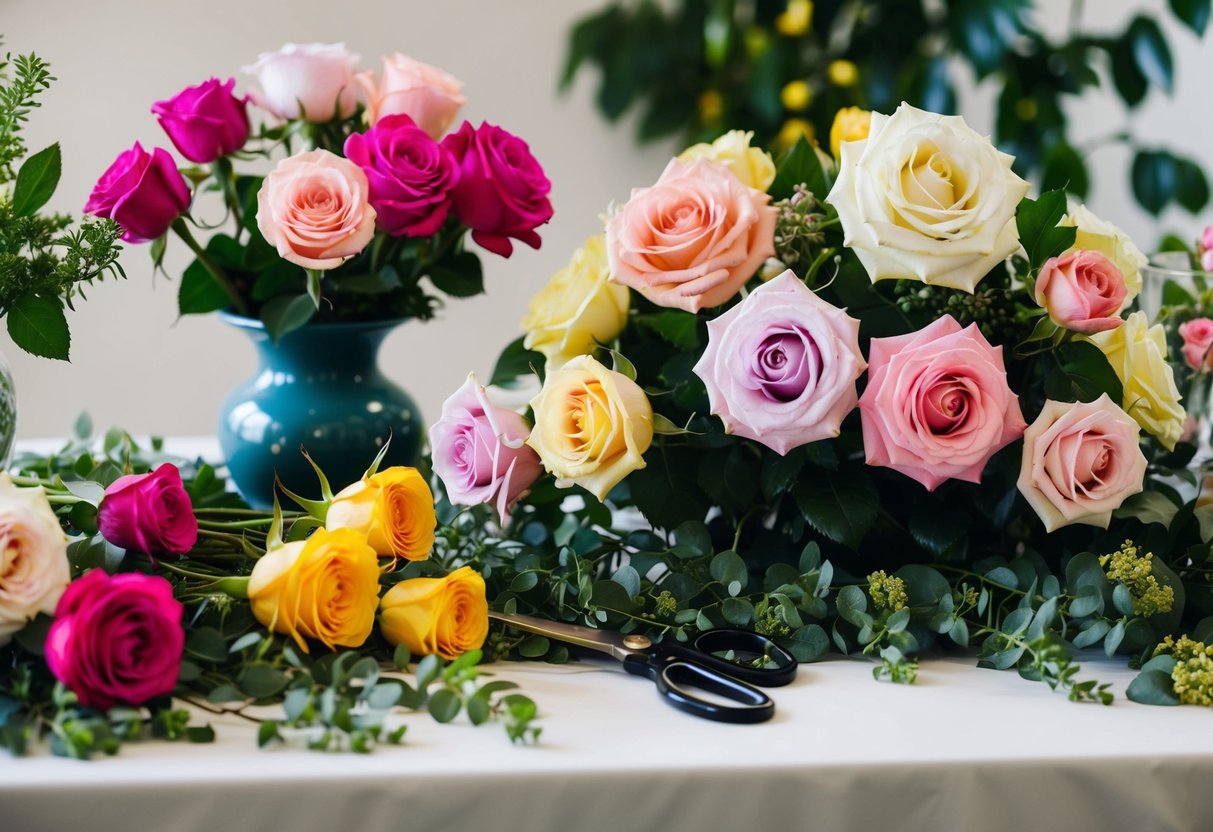
It’s important to consider the size of your bouquet alongside your personal style. Whether you prefer a large, lush arrangement or a more compact design, the number of roses can greatly affect the overall appearance. Don’t forget, adding greenery can also enhance the bouquet’s look and balance out the roses.
As you plan your special day, keep in mind the type of roses you like best. With the right stem count, your bridal bouquet can perfectly reflect your unique taste, making it an unforgettable part of your wedding.
Understanding Bouquet Sizes and Types
When choosing the right bouquet, knowing the size and style is very important. This helps you create a look that fits your wedding theme and personal taste. Different sizes and styles can affect the number of roses you’ll need, so let’s break it down.
Bouquet Size Variations
Bouquets come in various sizes. Understanding these can guide how many roses to use.
- Small Arrangement: Typically has 6 to 12 roses, perfect for a petite look.
- Medium Arrangement: Usually includes 12 to 24 roses. This is common for traditional weddings.
- Large Bridal Bouquets: These often contain 25 or more roses, ideal for making a dramatic statement.
- Deluxe Bridal Bouquets: These can include 45 roses or more, combining various flowers for a lush, full effect.
The average size of a bridal bouquet generally ranges from 9 to 11 inches wide. For smaller bouquets, you’ll need fewer flowers, while larger arrangements require more stems and creativity.
Popular Bouquet Styles
Different styles add unique touches to your wedding.
- Standard Bridal Bouquets: Usually round and filled with a balanced mix of roses and greenery.
- Cascading Bouquets: These create a waterfall effect with flowers trailing down. They often need more flowers, making them visually stunning.
- Rustic Bouquets: Using a mix of wildflowers, these often have a more natural look and feel less structured.
Choosing a style will also determine how many roses you should use. Whether you go for a medium arrangement or a cascading bouquet, knowing these styles helps ensure your bouquet is perfect for your big day.
Selecting the Right Flowers
Choosing the right flowers for your bridal bouquet is essential to match your personal style and wedding theme. You’ll want a mix of focal flowers and accents to achieve a beautiful and balanced design.
Choosing the Main Flowers
For the main flowers, roses are a popular choice due to their classic beauty. Consider using garden roses for a lush look or standard roses for a more traditional feel. You might also want to include peonies or dahlias, which add texture and romance.
Aim for roughly 25-36 stems if you focus mainly on roses. Think about your color scheme as well. Soft pastels can create a romantic vibe, while bold colors can add drama. Choose flowers that reflect your personal style and the overall aesthetic you want to achieve.
Accent Flowers and Greenery
Accent flowers can enhance the beauty of your main flowers. Flowers like hydrangeas, wax flower, or baby’s breath work well as fillers. They add dimension without overpowering the bouquet. Use these to complement your choice of focal flowers.
Adding greenery can also make a big difference. Eucalyptus is trendy and adds a lovely fragrance. It also provides a lush background for your flowers. Aim for a mix of these elements to create an overall stunning arrangement that aligns with your vision for your wedding day.
Budget Considerations
Planning a bridal bouquet that looks beautiful can fit your budget. You can achieve this by finding cost-effective solutions and working closely with your florist.
Cost-Effective Solutions
When working with a budget, consider the types of flowers you choose. Some flowers, like roses and carnations, are often more affordable than others, such as peonies or orchids.
Using local and seasonal flowers can also cut costs. They are typically fresher and easier to find. Opt for a smaller bouquet size, as fewer flowers can still create a stunning look.
In addition, you might want to add greenery, such as eucalyptus or ferns, which can fill your bouquet without breaking the bank. Consider DIY flower arrangements if you’re crafty. You can create your own bridal bouquet and save on labor costs.
Working with Your Florist
Your florist can be a valuable resource for staying within budget. Start by sharing your budget and personal preferences. This way, they can suggest suitable flower types that won’t exceed your limits.
Discuss the option of combining different flower types or using fillers. This can give your bouquet depth and beauty while managing costs.
Ask about rental options for centerpieces that match your bouquet. This can create a cohesive look for your wedding without the need for more flowers. Your florist can guide you in making choices that honor your vision while keeping an eye on your budget.
Finalizing Your Bouquet Design
When creating your bridal bouquet, consider how it aligns with your wedding theme and color palette. The right choice of flowers and their arrangement contributes to the overall elegance of your special day.
Incorporating Wedding Themes and Colors
Start by selecting flowers that match your wedding theme. For instance, if your theme is rustic, you might choose a mix of white roses, peonies, and dahlias. These flowers offer a soft look that fits well with a natural setting.
Next, use a color palette mood board to visualize your bouquet. This can help you see how your chosen flowers—like red roses or hydrangea—work together. Remember, a mixed bouquet can add depth and interest, allowing flowers of different shapes and sizes to shine together.
Combine your flowers with your dress and venue colors for the best effect. Using orchids or spray roses can add a unique touch. Aim for a harmonious blend that reflects your personality and style.
The Importance of Stem Count and Arrangement Techniques
The number of roses in your bouquet is crucial for achieving the right look. A traditional bouquet contains around 12 to 24 roses, while a small bouquet may have 6 to 12. If you prefer a larger arrangement, opt for at least 25 stems.
Arrangement techniques also matter. Varying the height and placement of flowers creates an eye-catching design. For a fuller look, arrange larger flowers like hydrangeas around smaller blooms like spray roses.
Don’t forget about the size of your bouquet. A larger bouquet works well with a detailed dress, while a petite one complements simpler styles. Balancing these aspects ensures your bouquet enhances your overall appearance on your wedding day.