
How Many Songs Do You Need for a Wedding UK? Essential Tips for Your Big Day
Choosing the right music for your wedding can feel overwhelming, especially when you’re wondering about how many songs you actually need. For a typical wedding ceremony in the UK, you should plan for at least three songs. These include one for the entrance, one for the signing of the register, and one for the exit. This ensures that there’s music to enhance the key moments of your special day.
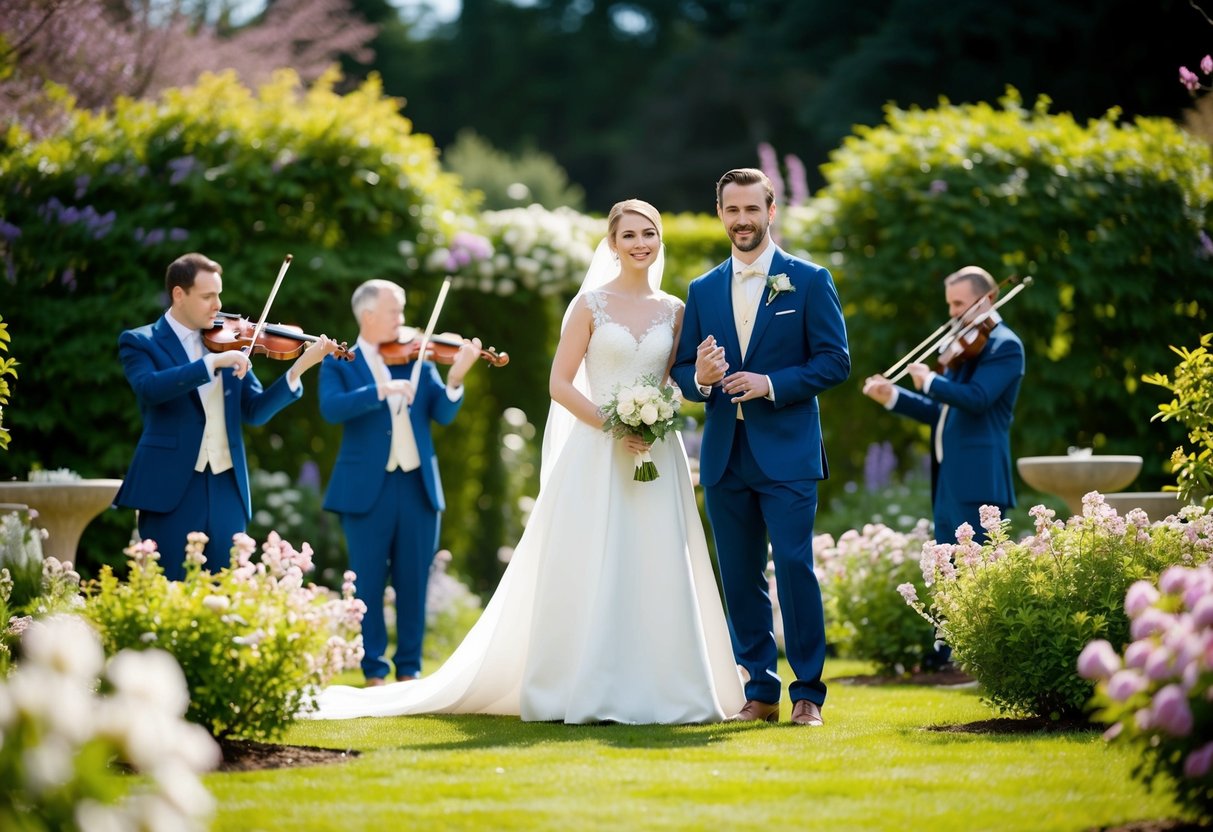
It’s important to select songs that resonate with you as a couple and reflect your unique love story. From classic tunes to modern hits, the right songs can set the perfect mood for your celebration. If you’re unsure which tracks to pick, there are plenty of resources available to help you find ideas and inspiration.
Whether you are having a church wedding, a civil ceremony, or something entirely different, understanding your music needs will make the planning process smoother.
With a bit of thought and creativity, you can create a memorable soundtrack that will make your wedding day even more special.
Deciding on Music for Different Phases of the Wedding

Choosing music for your wedding is crucial. Each phase of the day needs specific songs to set the right mood. Here’s a breakdown of what to consider for each part of your celebration.
Ceremonial Music Essentials
For your wedding ceremony, music plays a key role. Start with the processional music—this is what your guests hear as you walk down the aisle. Select an entrance song that reflects your style.
You’ll also need music for the signing of the register. This piece can be more relaxed, allowing guests to soak in the moment. Lastly, don’t forget the recessional music, which should feel uplifting as you exit as a married couple. Choose songs that are meaningful to you.
Cocktail Hour and Dinner Tunes
During the cocktail hour, the music should create a lively yet relaxed atmosphere. Select a mix of upbeat and soft tracks that encourage conversation and mingling among your guests.
For dinner, opt for background music that’s gentle and soothing. This allows everyone to enjoy their meal without distraction. Genres like jazz, acoustic, or soft classical often work well.
You might consider making a playlist that lasts around two hours. This way, you won’t have to worry about silence interrupting the festivities.
The First Dance and Reception Highlights
The first dance is a special moment. Choose a song that feels personal to you both. It sets the tone for the night ahead. After your dance, the reception highlights come next.
For this, curate a mix of danceable hits that cater to all ages. Aim for a blend of classic and current songs to keep everyone entertained. You may need about 90-100 songs to cover several hours, ensuring the energy stays high throughout the night.
Think about including some fun, interactive elements, like a group dance or sing-along to get everyone involved. Your playlist should reflect the festive mood you want everyone to enjoy.
Selecting the Perfect Playlist
Choosing the right music for your wedding can make a big difference in setting the mood. You have options like live musicians or recorded tracks, each bringing a unique vibe to your special day. Consider how to personalize your playlist for a memorable experience.
Live Music vs. Recorded Tracks
Deciding between live music or recorded tracks can shape your wedding’s atmosphere. Live musicians add a personal touch and can engage your guests in a way that recordings cannot. Imagine a talented guitarist playing your favorite love songs during the ceremony or a lively band keeping the dance floor packed.
On the other hand, recorded tracks can offer more variety and cost-effectiveness. You can create playlists that span genres and eras, ensuring there’s something for everyone. This can work well for background music during dinner or while guests arrive. Think about the feel you want for each part of the day before making your choice.
Personalizing Your Music Choices
When choosing your wedding songs, consider what reflects your style and relationship. First dance songs are particularly important and should resonate with both you and your partner. Make a list of songs that have special meanings, whether memories of trips you’ve taken or moments you’ve shared.
Don’t forget to ask family and friends for suggestions. This can help broaden your selection and ensure guests feel included. Incorporate a mix of background music for quieter moments and upbeat tracks for dancing. Personalizing your playlist like this creates a meaningful experience that reflects who you are as a couple.
Understanding Ceremony Types and Musical Traditions
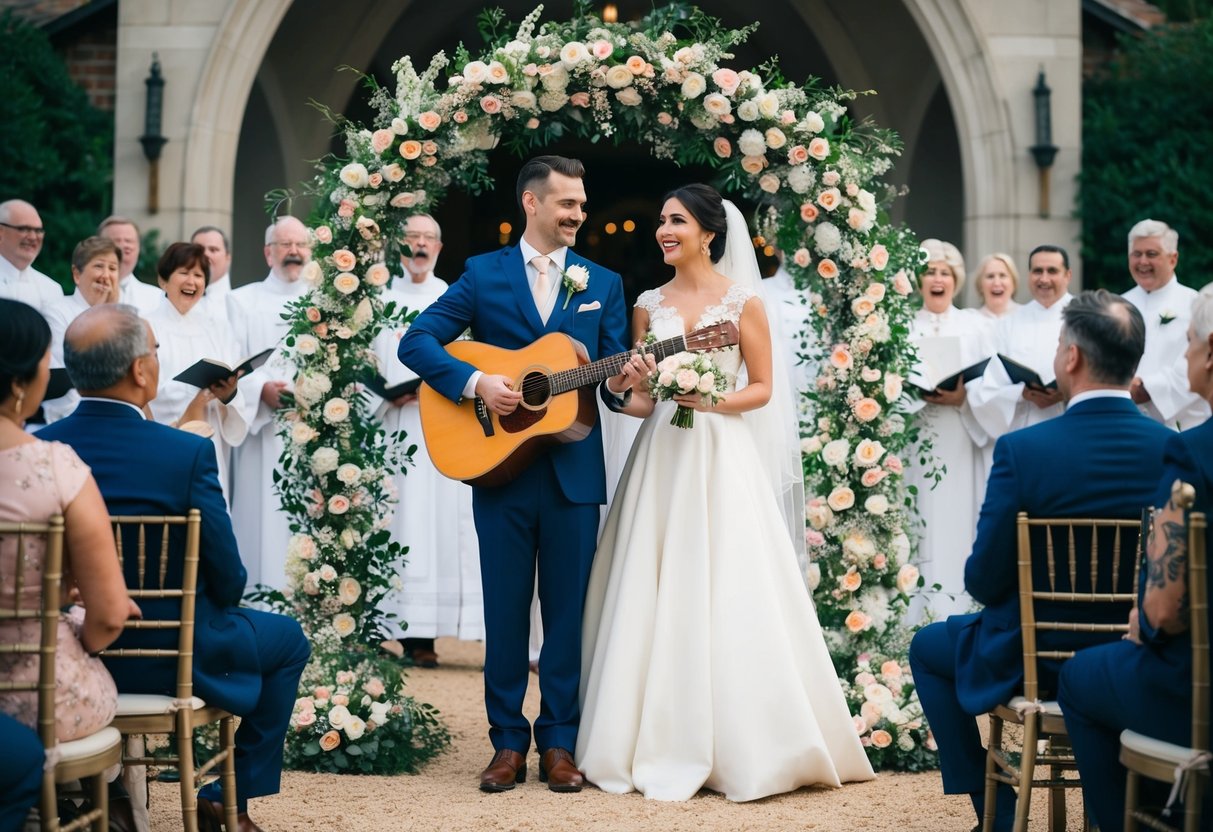
When planning your wedding music, it’s essential to consider the type of ceremony you will have. Different ceremonies have unique traditions that influence the music selection. Here are some key aspects for both church weddings and civil ceremonies.
Church Weddings and Religious Music Considerations
In a church wedding, you are expected to follow certain religious music traditions. This usually means incorporating hymns or sacred music that aligns with the faith you practice.
Common music styles include:
- Preludes: Soft, welcoming music played as guests arrive.
- Processionals: The song chosen for your entrance. This is often more dramatic.
- Recessionals: Music played as you leave, usually upbeat to celebrate your union.
Talk to your officiant or music director to choose songs that fit the ceremony.
Civil and Celebrant-led Ceremonies
Civil and celebrant-led ceremonies offer more flexibility with music choices. While there may still be some guidelines, you are not restricted to religious music.
Consider these options:
- Personal favorites: Choose songs that reflect your taste as a couple.
- Theme-based music: If you have a wedding theme, include songs that match.
- Guest involvement: You might want to invite guests to suggest songs.
Make sure you discuss your choices with your officiant, as they may have suggestions that reflect the ceremony’s atmosphere.
Coordinating with Wedding Professionals
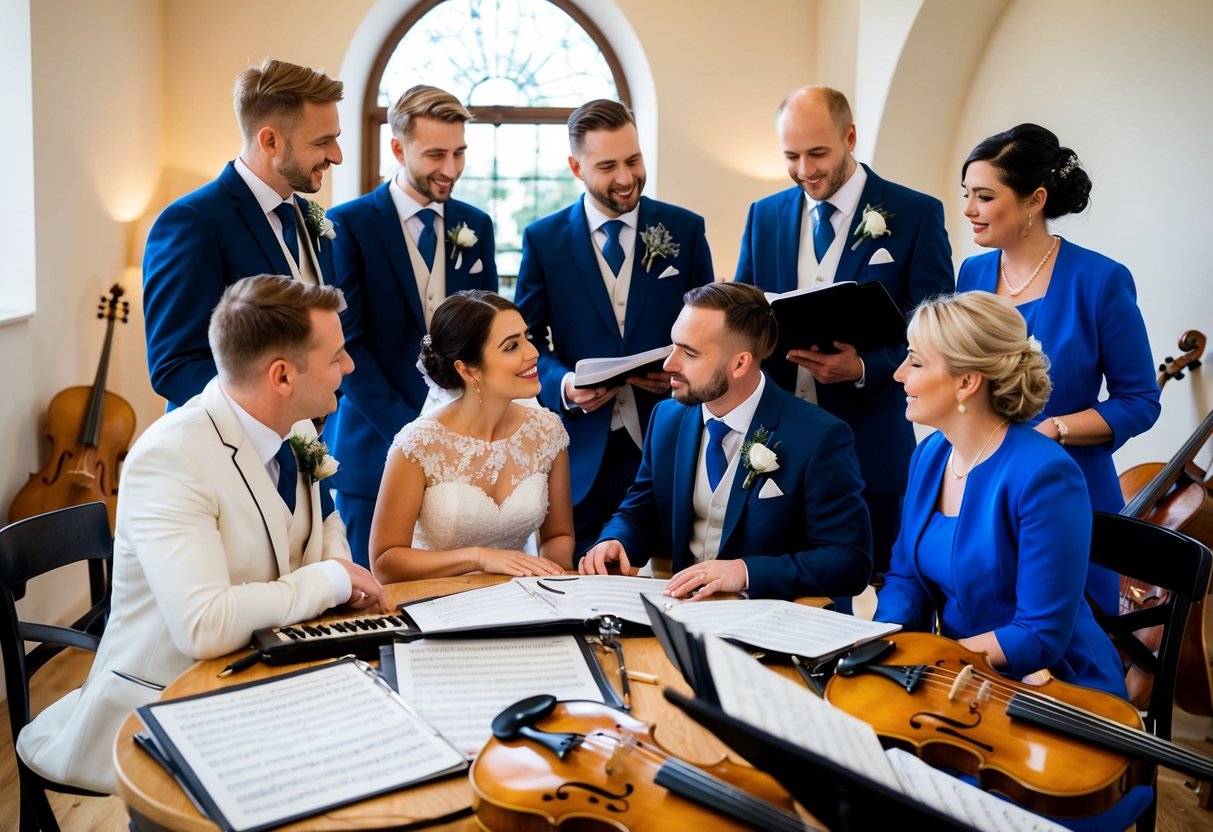
When you plan your wedding, working with professionals can make a big difference. They can help you choose the right songs for each part of the day, including the marriage ceremony, wedding reception, and first dance.
1. Talk to Your Venue
Your venue coordinator can suggest local DJs or musicians. They know what works well in their space and can help you plan the flow of music for your guests.
2. Consult with a Wedding Planner
A wedding planner can help you create a music timeline. They will consider key moments like the processional, signing the register, and the recessional to ensure everything is seamless.
3. Meet with Your DJ or Band
Your DJ or band will have experience with different styles of music. Share your preferences and create a playlist that reflects your tastes.
4. Personal Touches
Consider including songs that are meaningful to you. Mention these to your wedding professionals so they can incorporate them into the ceremony and reception.
5. Checklists
Create a checklist of songs. This can include:
- Arrival: 3-4 songs for guests as they settle.
- Ceremony: 1 for the processional and 2 for signing the register.
- Reception: 20 songs per hour for dancing.