
How Many Songs Does a Wedding Band Play in 4 Hours? Tips for Your Special Day
When planning your wedding, music plays a vital role in setting the mood and keeping your guests entertained. A common question you might have is about the number of songs a wedding band typically plays during a reception. A wedding band typically performs about 80 songs in a four-hour timeframe.
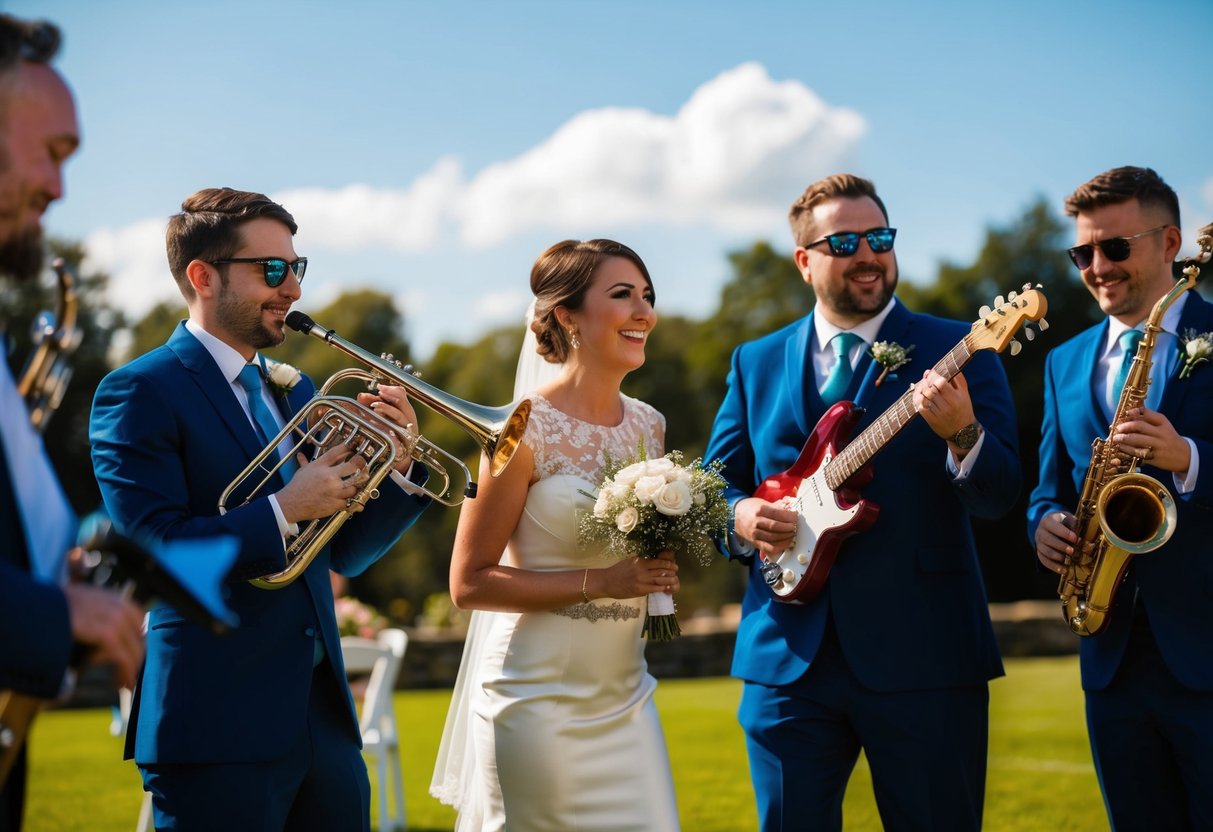
Understanding the timing and structure of a wedding band’s performance can help you organize your event better. Most bands play in sets, often taking breaks, which impacts the total number of songs. This insight can guide your decisions on song choices, styles, and how to keep the energy flowing throughout your special day.
Whether you want a mix of classic hits or the latest dance tracks, knowing how many songs will be played can help ensure your wedding is memorable for everyone involved.
Let’s dive deeper into what to expect from a wedding band’s performance to make your planning smoother.
Planning Your Wedding Music
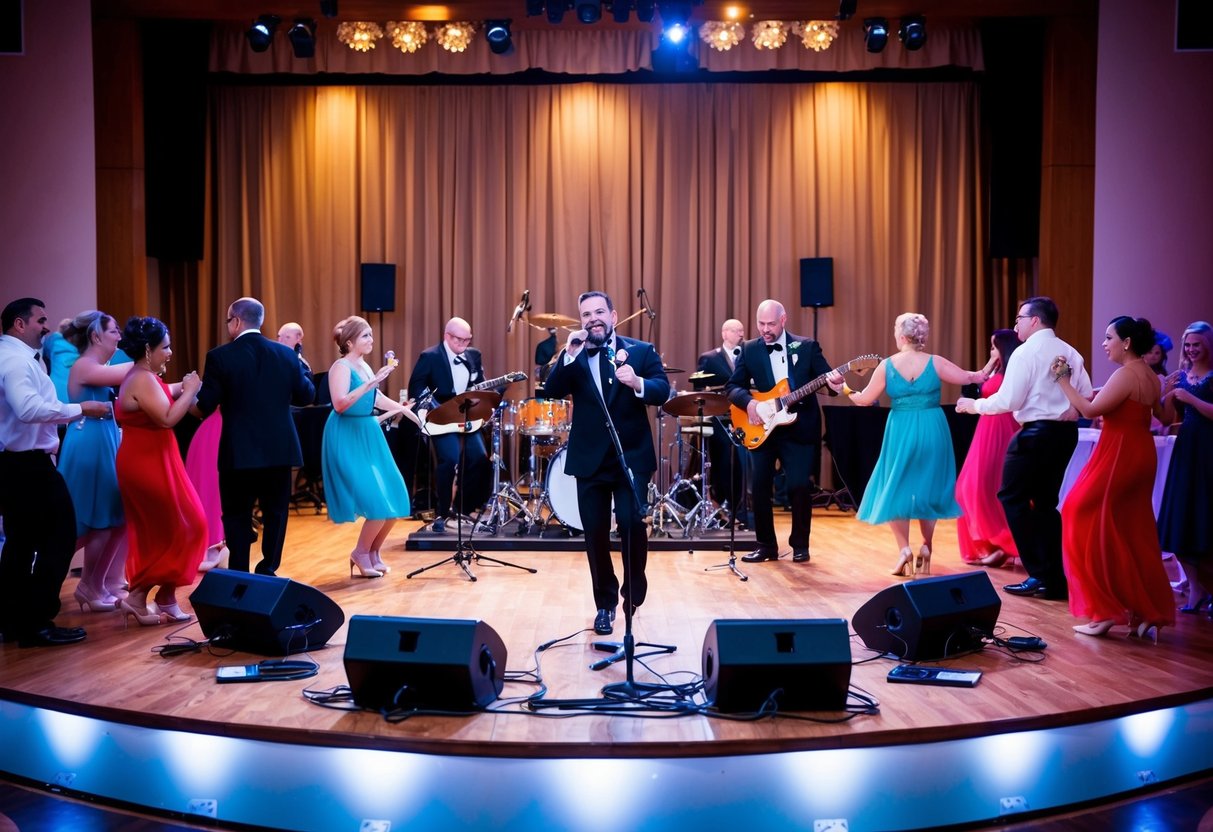
Choosing the right music for your wedding is essential for setting the mood. Understanding how many songs your wedding band will play and how to optimize your set list can help create a memorable experience.
Understanding Performance Times
Most wedding bands perform for about two hours within a four-hour event. This includes breaks where no music is played. Generally, during each hour, a band can deliver about 15 to 20 songs.
To plan effectively, consider the flow of your wedding day. If you have a cocktail hour, an average of 30 minutes of music could include around 10 songs.
Make sure to work with your band to establish a realistic timeline for performances based on their typical set lengths. Understanding this will help you manage the music throughout the celebrations without gaps.
Optimizing Your Set List
When it comes to your set list, think about what songs you and your guests will enjoy. Collaborate with your band to select music that resonates with everyone.
Consider themes for each part of your wedding. For instance, softer songs during the ceremony can create a lovely atmosphere, while upbeat tracks are great for dancing later.
Provide your band with a list of must-play songs and any “do not play” requests.
Keep in mind the energy levels you want to maintain throughout the event. Mixing slow and fast-paced songs can help keep the excitement up.
Communication with your band about your vision will ensure a smooth musical experience on your wedding day.
Selecting the Right Wedding Band
Choosing the right wedding band can make a big difference in your celebration. It’s important to weigh the benefits of live bands against DJ services. Additionally, a proper sound check can ensure everything goes smoothly on the big day.
Live Band vs. DJ Service
When deciding between a wedding band and a DJ service, consider your vision for the celebration. A live band brings energy and a unique touch that can elevate your event. Musicians can interact with guests, creating an unforgettable atmosphere.
On the other hand, a DJ offers a wider selection of music. They can play various genres and adapt to the crowd’s mood. If you have specific songs in mind, ensure your DJ can accommodate your requests.
Both options have merit. Live music can engage guests, while a DJ can keep the dance floor full with continuous tunes. Think about the vibe you want and your budget when making your choice.
The Importance of Sound Check
A sound check is essential for a successful performance. It allows the wedding band to adjust levels, ensuring the music sounds great. This step can prevent any issues during the event, which is crucial for you and your guests’ enjoyment.
Make sure to schedule the sound check ahead of time. This will give the musicians the opportunity to test their equipment. A good band will know how to adjust their vocals and instruments for the best sound quality.
Don’t forget to communicate any special requests during the sound check. This helps musicians prepare for specific moments, like your first dance.
Having everything in place will help create a memorable and enjoyable experience for everyone.
Key Moments in Your Wedding Celebration
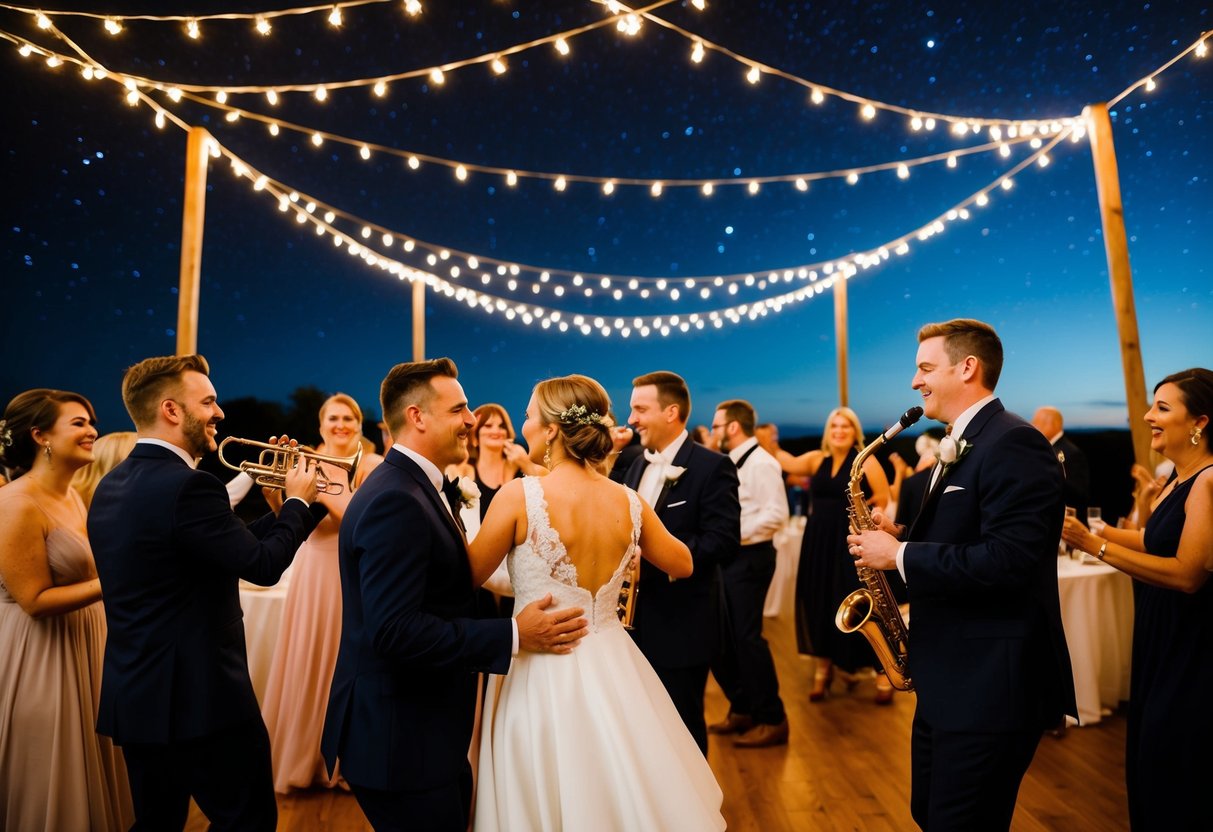
Music plays a crucial role in your wedding day, setting the tone and creating memorable experiences. This includes everything from the ceremony to special dances that highlight your love story.
Ceremony and Prelude Music
During the ceremony, music helps create an atmosphere that matches the emotion of the day. Prelude music sets the stage as guests arrive, which usually lasts 30-45 minutes. Aim for about 4-5 songs to create a warm welcome.
As the ceremony begins, different key moments also require music:
- Processional: 1-3 songs for the wedding party and bride walking down the aisle.
- Bride Entrance: Typically, this involves a single, powerful song to highlight your entrance.
- Interludes: Consider 1-2 songs for any special moments during the ceremony.
Choosing the right songs creates a memorable experience for everyone involved.
First Dance and Romantic Songs
After the ceremony, the first dance is a cherished moment that requires the perfect song. Selecting a first dance song holds special meaning for you as a couple. Consider romantic songs that represent your love story.
Following this, it’s common to play additional romantic tracks. These should carry on throughout the reception to keep the atmosphere alive. Plan to include 20 songs per hour for dancing and socializing.
Don’t forget about the last dance either. A sentimental song can cap off the night, leaving you and your guests with lasting memories. Choose something that resonates with both of you for that final moment.
Ensuring a Seamless Wedding Reception
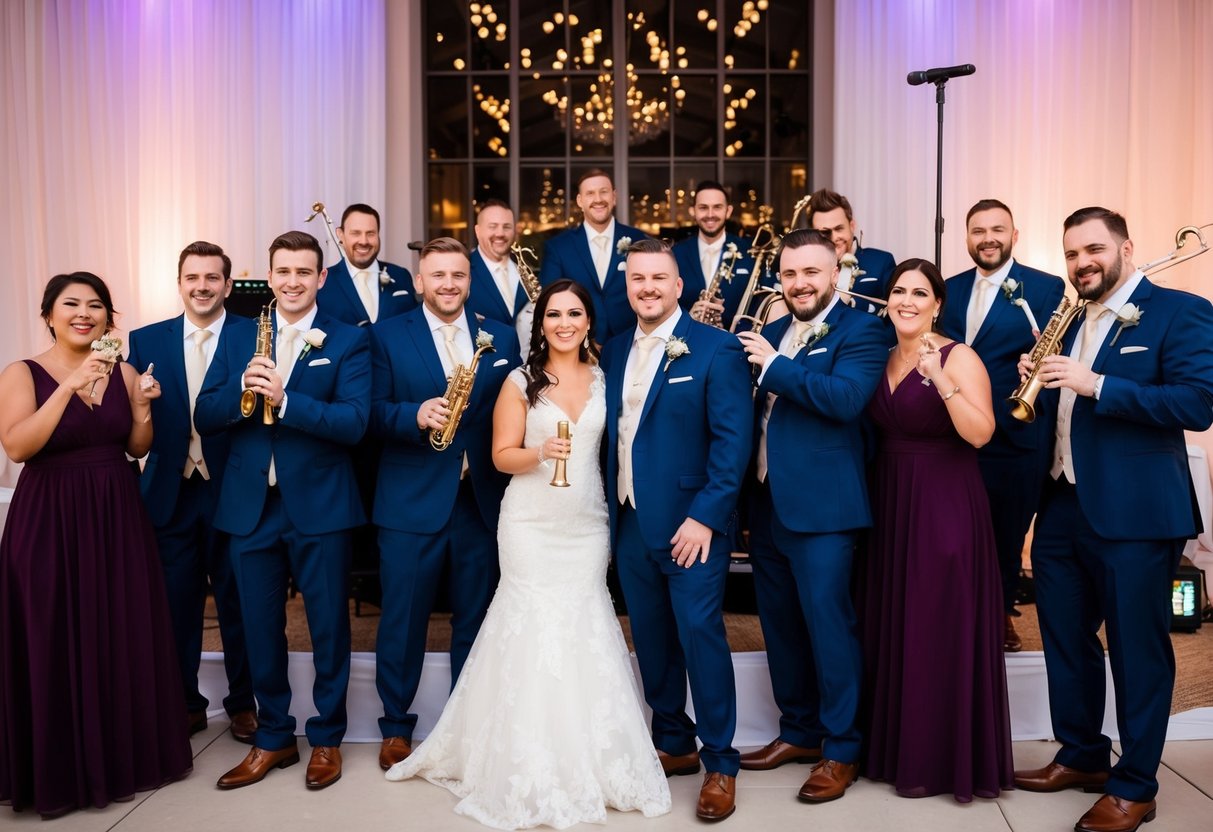
A smooth wedding reception sets the stage for a memorable evening. You want your guests to enjoy the dance floor and adhere to any venue requirements. Managing these aspects can enhance the flow of your celebration.
Gauging the Dance Floor
Monitoring the dance floor is key during your wedding reception. A packed dance floor signals that your guests are having a great time.
You can encourage dancing by selecting a variety of songs that appeal to all age groups.
Consider hiring a band that can read the crowd and adjust their playlist accordingly. A mix of upbeat songs, classics, and slow dances will keep everyone engaged.
Ensure that the band knows important moments, like the first dance, so they can prepare.
Let your guests know about special songs, or gather requests during the drinks reception. This encourages participation.
With the right music, you can create a lively atmosphere that keeps everyone dancing throughout the evening.
Handling Noise Restrictions and Venue Policies
Every wedding venue has its own rules regarding noise levels. You need to understand these restrictions ahead of time to avoid disruptions. Some venues have specific hours when music can be played or limits on volume.
Make sure to communicate with the venue coordinator to learn about their policies. This will help you plan the evening reception timeline and avoid surprises. Share this information with your band as well, so they can prepare accordingly.
If you’re hosting a loud celebration, consider finding a venue where noise is less of an issue. Also, having an outdoor area can provide a perfect space for guests to take a break. Planning ahead ensures you can enjoy your day without worries about noise complaints.