
How Many Songs for a 5 Hour Reception? Planning Your Perfect Playlist
Planning a wedding can be exciting, but figuring out your music can feel overwhelming. You might wonder how many songs you’ll need for a 5-hour reception. A 5-hour reception should aim for around 100 to 150 songs to keep the energy high and your guests dancing all night.
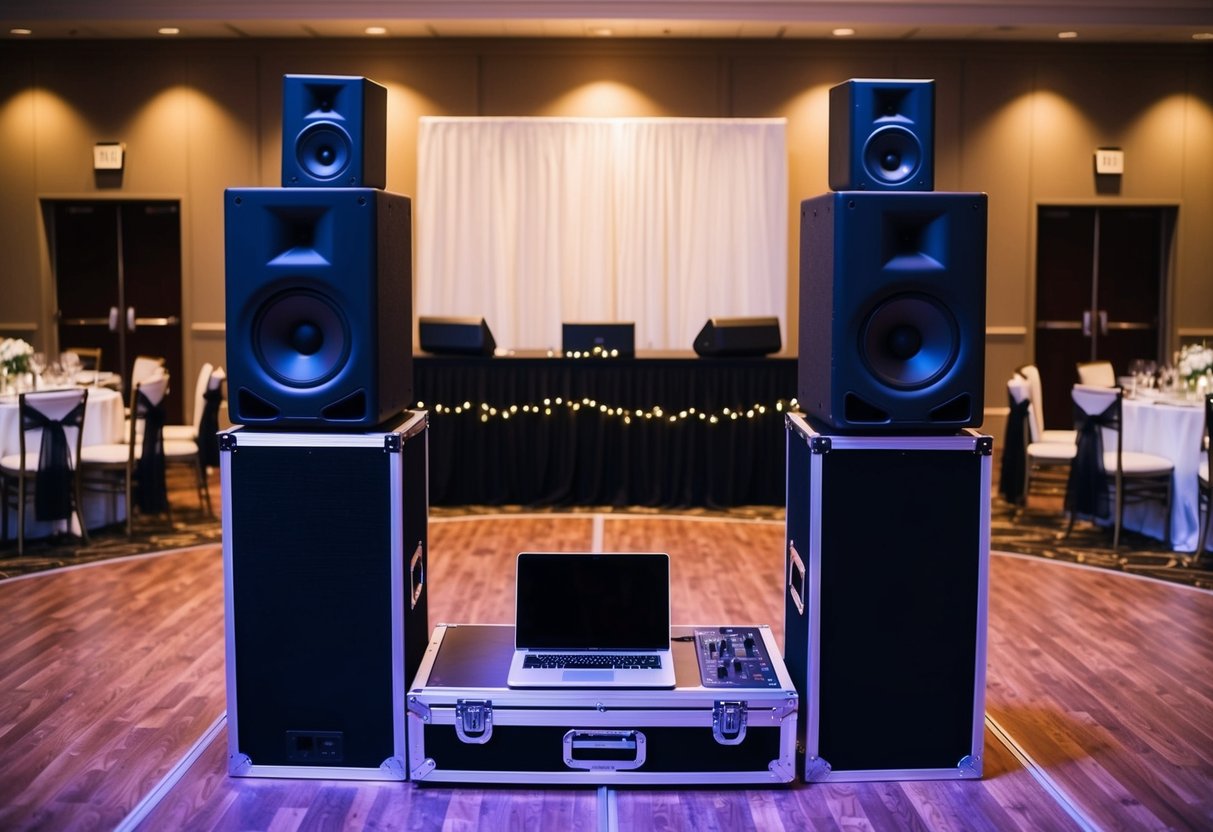
Choosing the right wedding songs is essential for creating the perfect atmosphere. This means mixing upbeat tracks for dancing with slower songs for special moments. Building a diverse wedding playlist will ensure that everyone feels included and has a great time.
Don’t forget to think about your song selection. You can organize your playlist into sections for different parts of the evening, like the cocktail hour, dinner, and dancing. This strategy helps make your wedding reception flow smoothly and keeps your guests entertained throughout the night.
Determining the Number of Songs for Your Reception
Calculating how many songs you need for your wedding reception is key for a great party. The length of the event and the type of music you want will help you plan your playlist effectively.
Songs Per Hour Breakdown
For a lively reception, you generally want to play 15 to 20 songs per hour. If your reception lasts for five hours, this means you will need between 75 and 100 songs. This range provides a mix of slow songs for dance breaks and upbeat tracks for when the energy is high.
Here’s a quick breakdown for different reception lengths:
| Reception Length | Songs Needed (15-20 per hour) |
|---|---|
| 3 Hours | 45 – 60 |
| 4 Hours | 60 – 80 |
| 5 Hours | 75 – 100 |
This method ensures you don’t run out of music, and guests stay engaged throughout the event.
Wedding Reception Playlist Length
When planning your wedding reception playlist, think about the flow of the event. Start with slower, softer tunes while guests arrive and find their seats. This prelude can have around 5 to 10 songs during the first 30-45 minutes.
As the night progresses, you’ll want to transition into more upbeat tracks to get everyone on the dance floor. Therefore, having a diverse selection is crucial. Consider including different genres to cater to all your guests. Mixing classic hits, current favorites, and some romantic ballads can create a memorable experience.
Creating a Dynamic Wedding Music Experience
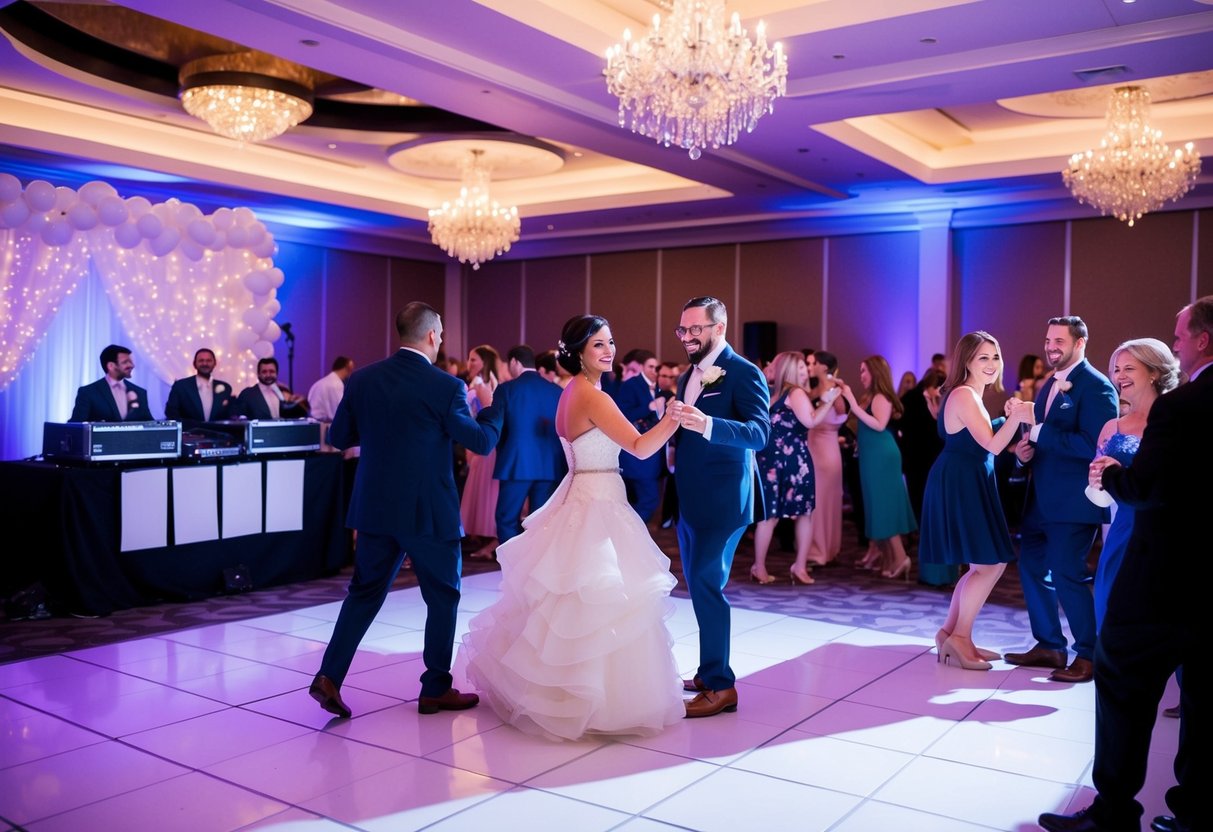
Creating a vibrant atmosphere for your wedding reception involves careful planning of your music choices. Mixing different song tempos and incorporating personal touches can keep your guests engaged and create lasting memories.
Mix of Fast and Slow Songs
A successful wedding playlist includes a thoughtful balance of fast and slow songs. Fast songs get your guests dancing and energized. Aim for a ratio of about one slow song for every five fast songs. This helps maintain a lively atmosphere without overwhelming anyone.
Consider starting the reception with upbeat tracks to encourage guests to join the dance floor. As the evening progresses, sprinkle in slower songs for romantic moments, like welcoming your first dance.
Having around 15-20 songs per hour is a good guideline. For a five-hour reception, plan for about 75-100 songs in total. This ensures you have a diverse selection without any awkward silences.
Incorporating Special Dance Songs
Don’t forget to include special dance songs that are meaningful to you and your partner. These could be:
- Your first dance song
- The father-daughter dance song
- A mother-son dance song
Start by creating a Must-Play List with these significant songs. Explain their importance to your guests to make these moments even more special. Include a mix of general favorites and personalized picks to keep everyone excited.
Discuss these songs with your DJ or band to ensure they understand your vision. This will help create moments that truly reflect your relationship and let everyone share in the joy.
Considering a Silent Disco Option
If you want to offer something unique, think about a silent disco. In this setup, guests wear wireless headphones to listen to different music channels. This allows them to choose between various playlists, giving everyone a chance to enjoy their preferred music style.
With a silent disco, you avoid overwhelming noise levels while still offering a dance experience. Guests can switch channels based on their taste, whether they want to dance to classic hits or newer tracks.
It’s a fun way to engage all guests because people can still socialize even if they aren’t dancing. This option can be particularly appealing for larger weddings where music choices can vary widely among guests.
Essential Reception Music Moments
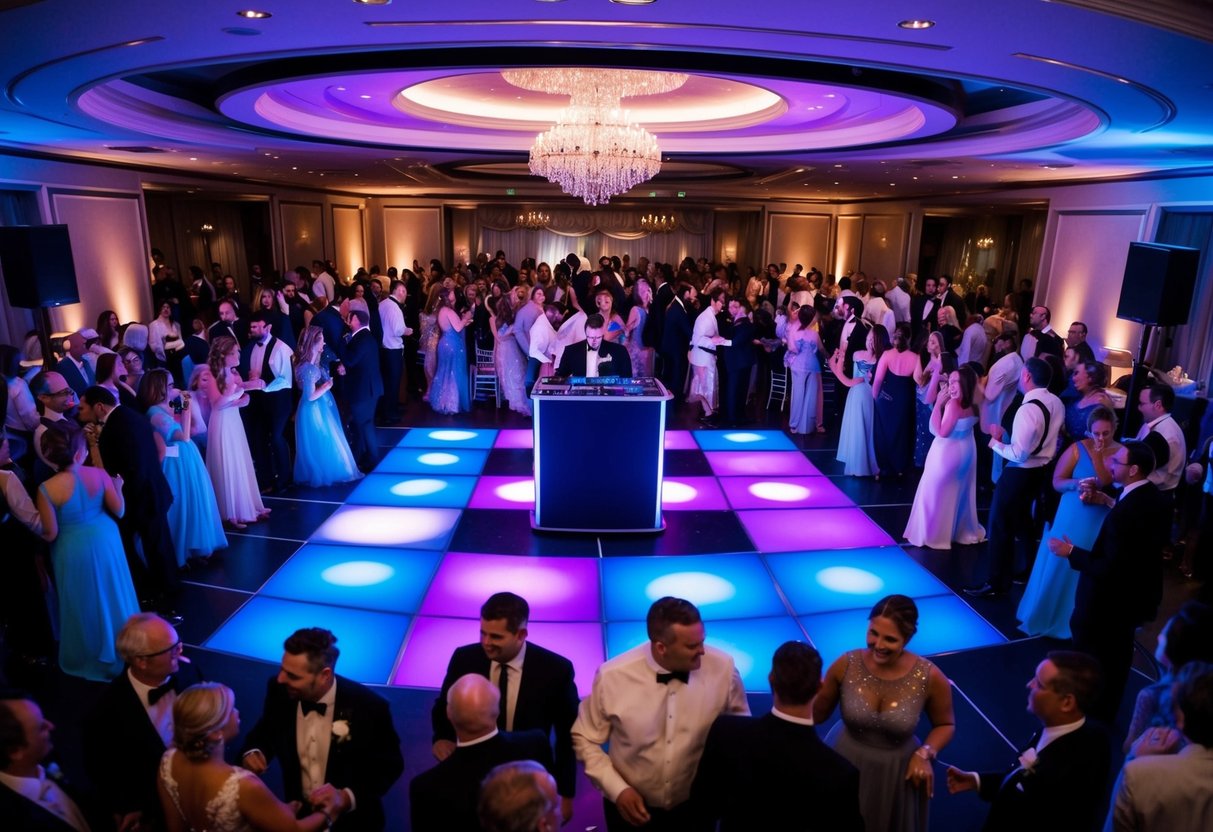
The right music can make key moments in your wedding reception unforgettable. From your first dance to the last song of the night, choosing the perfect tunes can leave lasting memories for you and your guests.
Choosing a Memorable First Dance Song
Your first dance is a special moment that sets the tone for the rest of the evening. Select a song that reflects your relationship.
Think about lyrics that resonate with your journey together. Popular choices range from classic love songs to modern ballads.
Consider the tempo too. A slower song allows for a romantic atmosphere, while an upbeat tune can get your guests excited. Make sure it’s a song you both love, as this moment is your chance to shine as a couple.
Recessional and Bouquet Toss Music
The recessional song plays right after you are declared married. This upbeat tune should celebrate your new union. Choose something lively to keep spirits high as you walk down the aisle together.
For the bouquet toss, pick a fun, energetic song to engage your guests. This moment typically brings laughter and excitement, so the right song can boost the energy in the room.
Make sure both songs are memorable and upbeat. They set the mood for the festivities following your ceremony.
Selecting an Unforgettable Last Dance Song
The last dance of the night is a signal that the celebration is coming to a close. Choose a song that captures the essence of your day.
You might want to select a heartfelt ballad or an upbeat anthem that gets everyone involved. This song should reflect the joy of your wedding day and create a lasting memory.
Consider inviting guests to join you on the dance floor. A great last dance song can unite everyone for one final celebration.
Tips on Working With Wedding Musicians and DJs
Working with your wedding band or DJ can help ensure your celebration has the right vibe. Clear communication and setting expectations are key. Here are some practical tips to get the best experience from your wedding music providers.
Communicating With Your Wedding Band or DJ
Open and honest communication is essential when working with your wedding band or DJ. Start by sharing your musical preferences early on. Discuss your favorite genres, specific songs you want, and the overall atmosphere you hope to create.
Make a list of must-play songs. This helps them plan the flow of the evening. Be clear about the timeline so they know when to play certain songs, like the first dance or cake cutting.
Don’t forget to ask about their equipment and setup needs. Knowing where they will be situated can help with logistics on your wedding day. Keep their contact info handy in case any last-minute changes arise.
Creating a Do-Not-Play List
A do-not-play list is just as important as your must-play list. This list includes songs that you really don’t want to hear at your wedding. It ensures that your wedding band or DJ respects your musical tastes.
Begin by identifying songs that may remind you of bad memories or simply aren’t your style. Share this list with your wedding musicians well in advance.
It’s helpful for them to know what to avoid, so everyone enjoys the music.
Consider common wedding clichés that you might dislike, like “Chicken Dance” or “Macarena.” By providing this information, you can steer the music in a direction that excites you and your guests.