
How Many Songs Should Be Played at a Wedding? Tips for Choosing the Perfect Playlist
Choosing the right music for your wedding can feel overwhelming, but it’s a crucial part of creating a memorable day.
Generally, a typical wedding that lasts about 5 to 6 hours will need around 90 to 100 songs. This includes music for the ceremony, the couple’s first dance, and plenty of lively tunes for the reception.
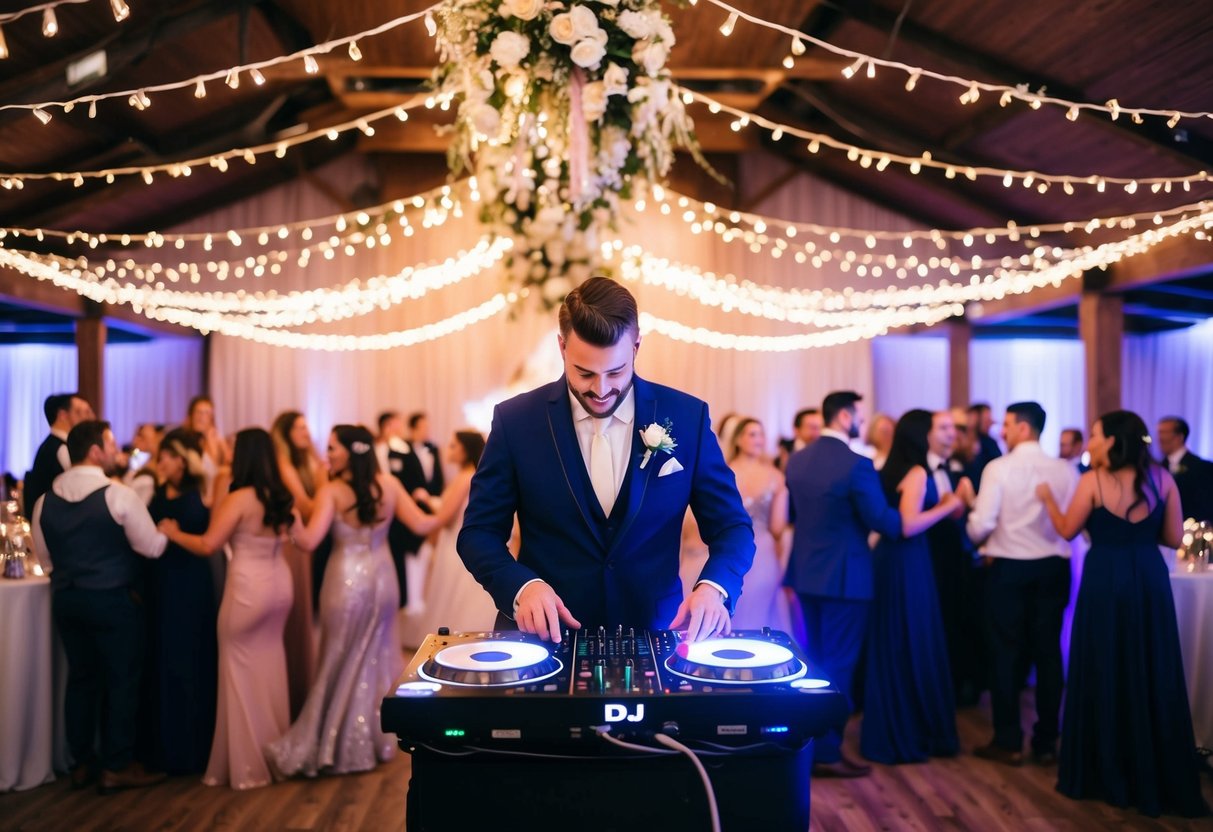
During the ceremony, you might choose 3 to 15 songs depending on the type of event you’re planning.
For the reception, you can expect to play about 20 songs per hour, helping to keep your guests dancing and having fun through the night.
By understanding how many songs to prepare, you can take a huge step toward crafting a celebration that feels just right for you and your guests.
Planning Your Wedding Music
Choosing the right music for your wedding is important for setting the mood and making lasting memories.
Focus on both the ceremony and the celebration to create a playlist that reflects your style and keeps guests engaged.
Understanding Ceremony Music
When it comes to ceremony music, think about different sections of the event.
Start with prelude music as guests arrive. Aim for 3 to 5 calming songs to create a warm atmosphere.
Next, consider your processional music for when you walk down the aisle. This song should be meaningful to you.
After the ceremony, the recessional music should be upbeat to celebrate your union. You may need 3 to 15 songs in total for the ceremony, depending on its length and structure. This keeps everything running smoothly.
Crafting the Perfect Wedding Playlist
Your wedding playlist should match your personality as a couple.
Include songs for different parts of the day, like the reception, first dance, and dancing with family.
Think about how many songs you want to play per hour. For a typical reception, plan for about 10 to 15 songs per hour.
Make sure to mix genres to keep the energy high. You might want a few classic hits along with some modern favorites to keep everyone entertained.
Creating the perfect playlist will help make your wedding day truly memorable.
Selecting Music for Key Moments
Choosing the right music for significant moments can make your wedding truly unforgettable. Each song sets a special tone and creates lasting memories. Focus on the key moments, and you’ll find the perfect soundtrack for your celebration.
Processional and Recessional Songs
The processional song is vital as it marks the entrance of the bridal party. It sets the mood as everyone gathers for this important moment.
Choose a song that feels meaningful to you. Consider traditional options or something that reflects your personality.
The recessional song follows the ceremony and celebrates your new union. It should be upbeat to match the joy of the moment. This song can bring energy to your exit as a couple, leaving a lasting impression on your guests.
Special Dances
Special dances are highlights of the reception. The father-daughter dance is emotional and often one of the day’s most poignant moments.
Pick a song that resonates with your relationship.
The mother-son dance follows, showcasing a unique bond. Select a tune that honors this special connection. Each dance allows family members to share in your joy.
Memorable Moments
Don’t forget songs for fun parts of your celebration like the bouquet toss and garter toss.
Choose lively music that gets everyone excited and keeps the energy up.
As the night winds down, the last song of the night should be memorable. Select a song that captures the spirit of your celebration, ensuring a beautiful send-off for you and your guests.
Live Band vs. DJ
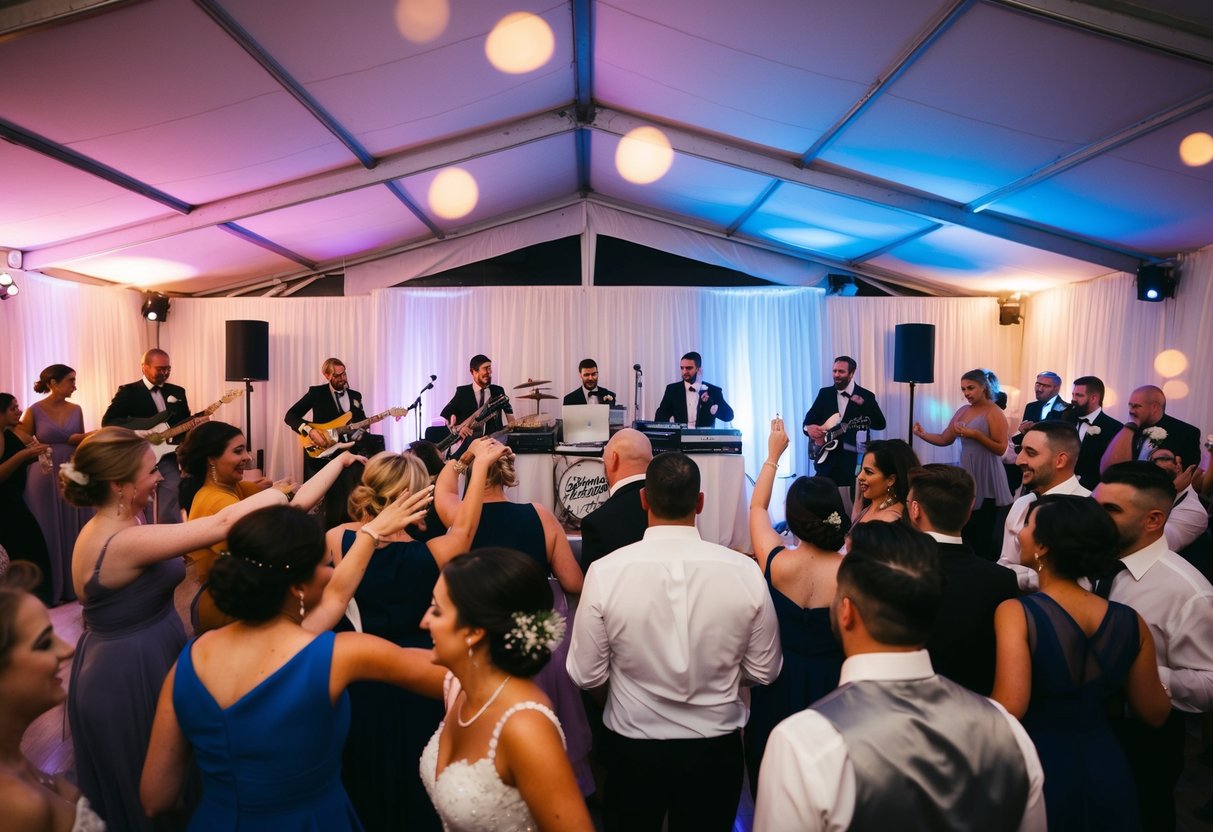
When planning your wedding music, choosing between a live band and a DJ is a key decision. Each option has unique benefits that can shape your celebration’s atmosphere.
Hiring a Live Band
A live band can create an energetic and lively atmosphere. They often play in sets, usually around three to four, with each set lasting about 45 minutes.
You can expect a band to perform 15-20 songs per set, giving you a mix of styles and genres.
With a wedding band, you’ll enjoy the personal touch of live music. Bands can engage with your guests and adapt their performances based on the crowd’s energy.
However, keep in mind that hiring a live band can be more expensive. Costs can range from $5,000 to $20,000 depending on the band’s popularity and size.
Many couples feel that the excitement of live music enhances the experience. Just make sure to check set lists and listen to samples of their performances to choose the right fit for your wedding.
Choosing a DJ
Opting for a DJ offers more flexibility in song selection. A good DJ will have a diverse range of music, covering everything from classic hits to the latest chart-toppers.
This means you can tailor your playlist to suit your specific tastes.
DJs usually have a wealth of songs, ensuring that everyone can hear something they love. They can seamlessly blend tracks together, maintaining the dance floor’s energy.
Also, with a DJ, you often get the advantage of lower costs compared to a live band.
Another benefit is the ability to adjust the music during the event. A skilled DJ can read the crowd’s vibe and switch tracks to keep everyone dancing.
Don’t forget to discuss your favorite songs and any key moments with your DJ ahead of time.
Keeping the Party Going
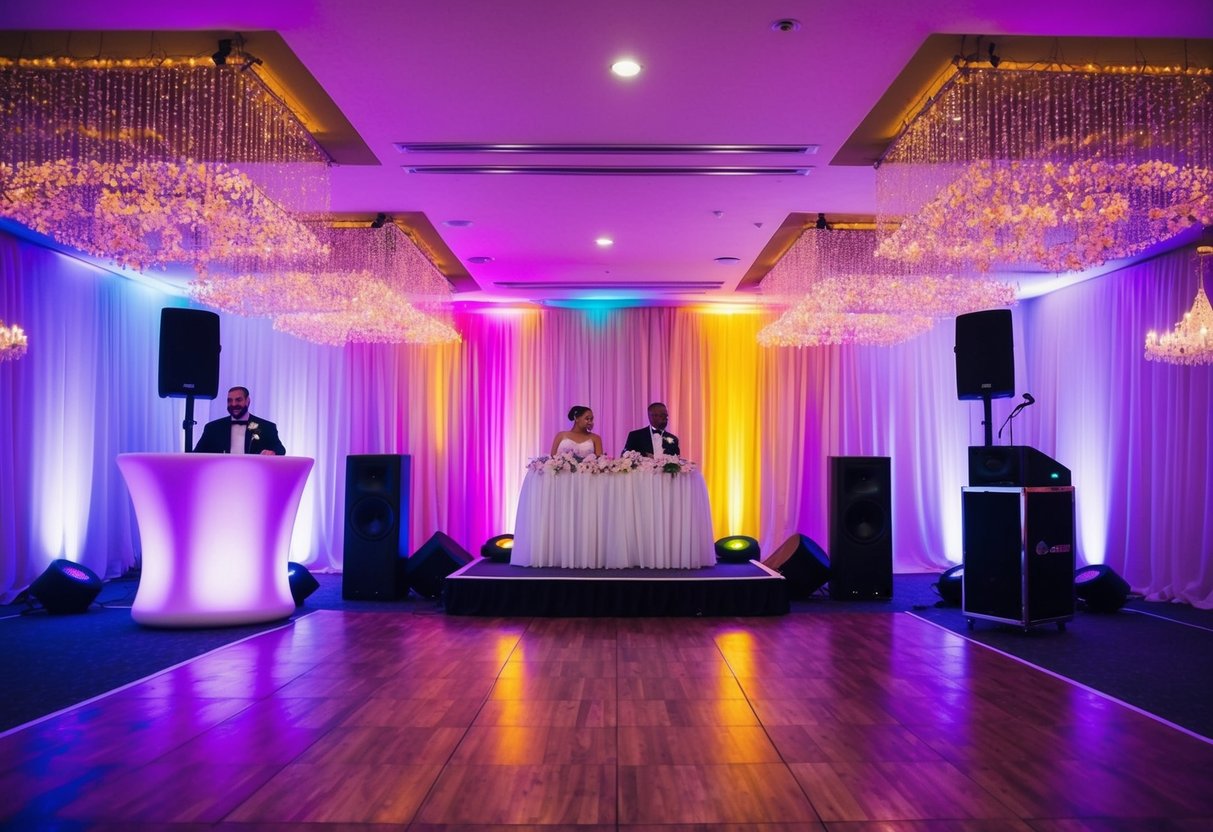
A lively wedding reception depends on the right music to keep guests engaged and dancing. Choosing the right songs and creating the perfect playlist will set the tone for a memorable celebration. Here are two important areas to focus on.
Reception Songs and Playlists
Your reception songs should cater to various moments throughout the event.
Start with getting ready tunes to create a fun atmosphere as everyone prepares.
As guests arrive, consider lighter, instrumental background music.
During key parts like the wedding party grand entrance, upbeat songs can build excitement.
A well-curated must-play list should include songs that resonate with you and your guests. Aim for a mix of genres to keep everyone happy.
For the dancing portion, select at least 80-100 songs to cover a four-hour reception. This will give everyone a chance to enjoy themselves and celebrate.
Crowd-Pleasers and Dance Floor Hits
To really get the dance floor moving, pick songs that known crowd-pleasers. These tracks often bring a sense of nostalgia or fun.
Consider including popular hits from various eras. For example, “Shout” by The Isley Brothers or “Uptown Funk” by Bruno Mars can get everyone singing along.
Incorporating a few wedding party dance tracks will allow the bridal party to showcase their energy as well. This adds an engaging element to your party.
Don’t forget to include slower songs. These offer a good balance and allow guests to refresh before jumping back into the upbeat tunes. An enthusiastic dance atmosphere will ensure your wedding is unforgettable.