
How Many Types of Flowers Should Be in a Bridal Bouquet? Tips for Creating the Perfect Arrangement
When planning your wedding day, choosing the right flowers for your bridal bouquet is essential. A well-balanced bridal bouquet typically includes between two to five different types of flowers. This variety allows you to showcase your personal style while also coordinating with your color scheme.
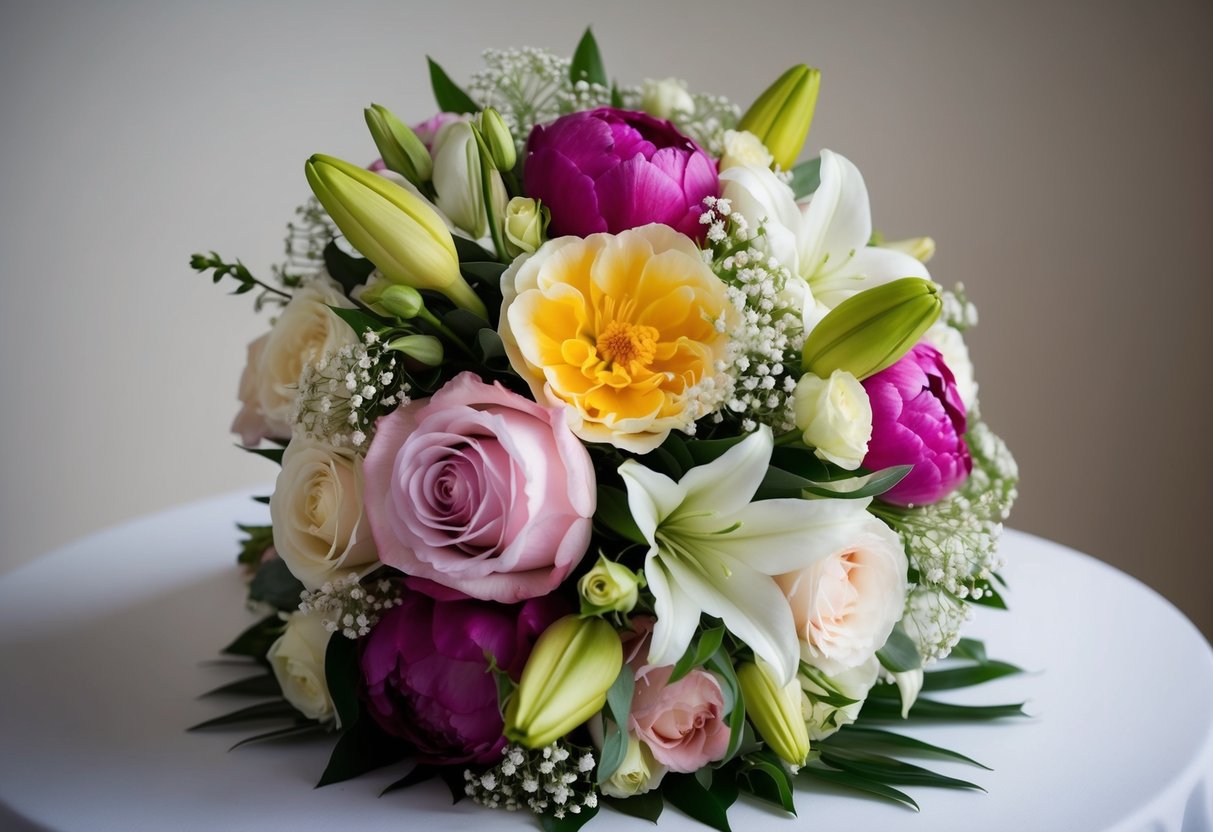
Each flower type brings its own charm and character, making your bouquet a truly unique reflection of you. Whether you prefer classic roses, vibrant tulips, or delicate peonies, mixing these elements can create a stunning arrangement that complements your dress and overall wedding theme.
Don’t be afraid to experiment with different flower combinations to find what feels right for you. The right mix will not only enhance the beauty of your bouquet but also add a personal touch that will make your special day even more memorable.
Determining Bouquet Size and Flower Count
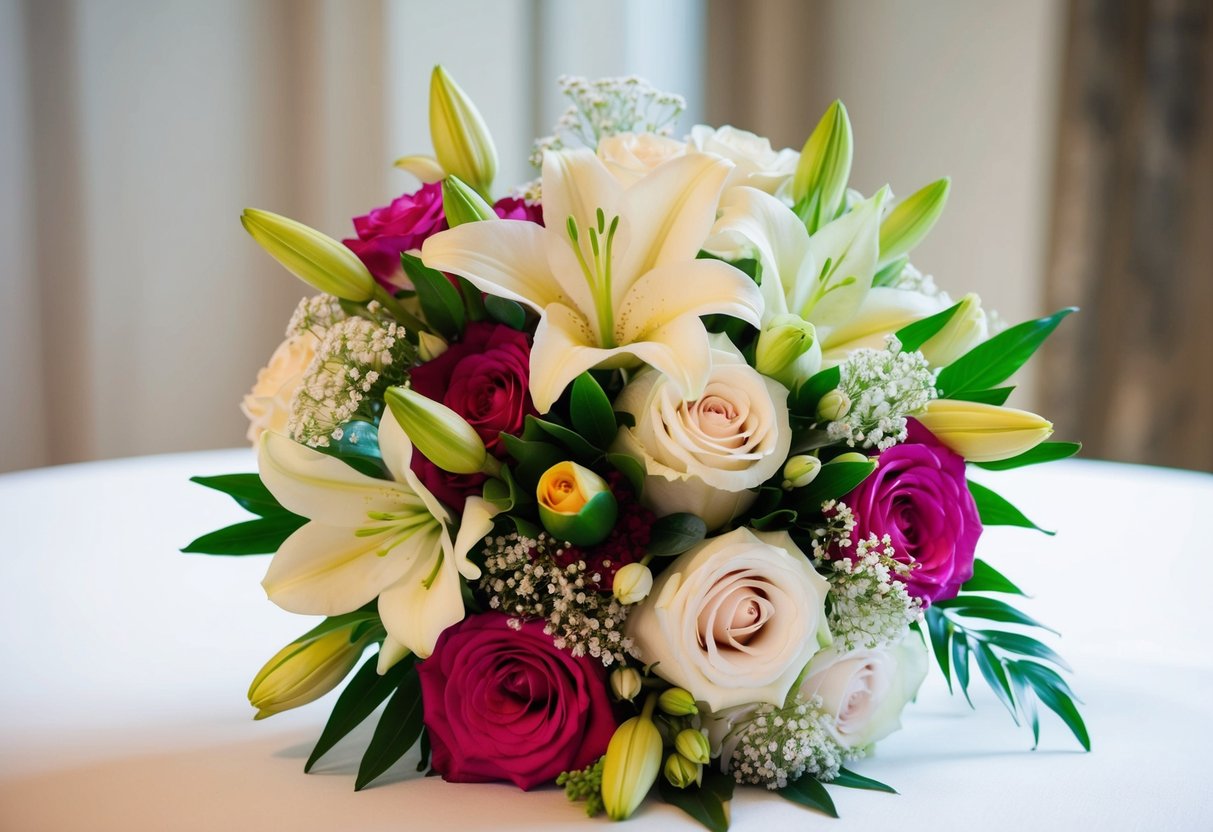
When creating your bridal bouquet, understanding the right size and flower count is essential. The size impacts the number of flowers you should use, ensuring your bouquet looks balanced and beautiful.
Understanding Standard Bouquet Sizes
Bridal bouquets come in various sizes, often categorized as small, medium, and large. A small bouquet typically uses about 15-20 flowers, making it perfect for more intimate styles. Meanwhile, a 9” bouquet usually contains around 25-30 stems, ideal for a fuller look without being overwhelming. For a large bouquet, you’ll want to use 35 stems or more to create a dramatic effect. Each size contributes to a different aesthetic, so consider your overall wedding style when making your choice.
Choosing the Right Number of Flowers
The flower count in your bouquet should align with its size. For a small arrangement, aim for about 15-20 flowers, which provides a delicate look. If you prefer a medium-sized bouquet, 25-30 flowers will give you a nicely balanced appearance. For a large bouquet with striking visual impact, plan on at least 35 stems. Remember to factor in foliage or greenery when counting flowers, as they add volume and texture to the bouquet. This will also help create a natural and romantic vibe that complements your wedding.
Selecting the Perfect Flower Types and Colors
Choosing the right types and colors of flowers for your bridal bouquet is crucial. You’ll want to select blooms that not only look beautiful together but also complement your wedding theme and color palette. Consider the following popular flowers and how to coordinate them effectively.
Popular Flowers for Bridal Bouquets
Some flowers are favorites for bridal bouquets because of their beauty and meaning. Here are a few options to consider:
-
Roses: Timeless and classic, roses come in various colors. They symbolize love and passion, making them ideal for weddings.
-
Peonies: With their lush, full blooms, peonies are perfect for a romantic look. They usually bloom in late spring and early summer, adding freshness to your arrangement.
-
Dahlias: Available in various shapes and colors, dahlias add unique texture. They’re in season from summer to fall.
-
Calla Lilies: With their elegant, sleek shape, calla lilies are stunning. They work well in modern bouquets and are available year-round.
-
Hydrangeas: Their large clusters of blooms can fill out a bouquet beautifully. They come in many colors, making them versatile.
Coordinating with the Wedding Theme and Color Palette
Your wedding theme and color palette play a large role in flower selection. Begin by defining these elements.
-
Seasonal Flowers: Choose flowers that are in season during your wedding date. This will ensure freshness and often lower costs.
-
Color Scheme: Select blooms that complement your color palette. For a soft, romantic theme, go for pastels like blush, lavender, or light blue. Meanwhile, bright colors such as sunflowers or tulips can add a cheerful touch.
-
Wedding Theme: If you have a rustic theme, consider wildflowers or sunflowers for a more casual look. For a formal ceremony, opt for elegant flowers like orchids or calla lilies.
Incorporating Greenery and Unique Elements
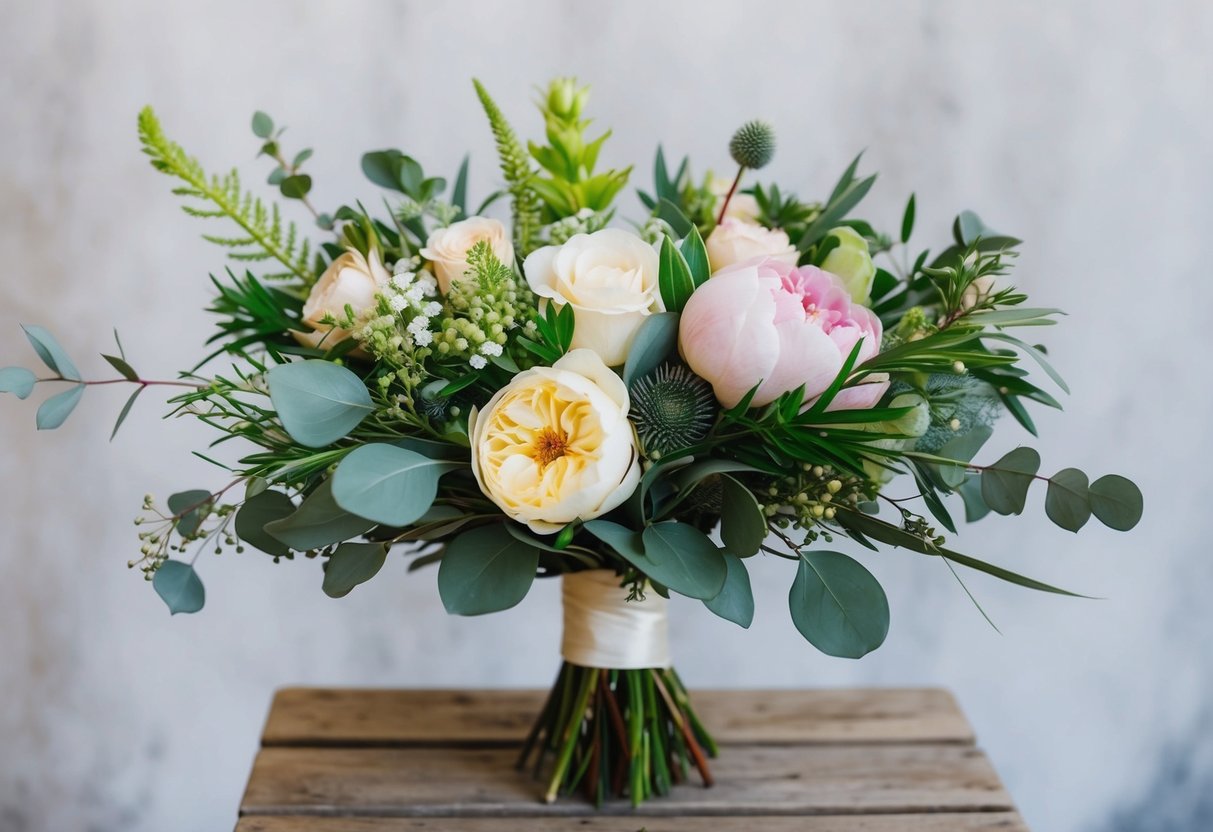
Adding greenery and unique elements to your bridal bouquet creates depth and enhances the overall design. This section will help you understand how to choose the right greenery that complements your flowers and how to add personal touches to make your bouquet truly yours.
Choosing Complementary Greenery
Greenery is essential for giving your bouquet a fresh look. Eucalyptus is a popular choice due to its soft, muted tones and lovely fragrance. Its large leaves add texture and fullness to the arrangement.
You might also consider ferns for a more delicate touch. Their feathery leaves add a lovely contrast to bold flowers.
Using fillers like baby’s breath can help create a softer, romantic feel. Just remember, it’s best to keep the greenery balanced with your flowers. Too much can overwhelm the bouquet, while just the right amount will enhance it beautifully.
Adding Personal Touches to the Bouquet
Incorporating unique elements makes your bouquet special. You could add sentimental items, like a small locket or a piece of lace from a family member’s gown. This gives your bouquet personal significance.
You can also play with colors and textures based on your theme. Consider using unique flowers that have personal meaning to you. Each flower has its symbolism; for example, roses symbolize love, while lilies represent purity.
Don’t shy away from experimenting with shapes and styles, either. A loose, organic design can give a more natural look, while a tight arrangement can feel more formal. Your bouquet should reflect your personality and style.
Professional Florist Tips and DIY Advice
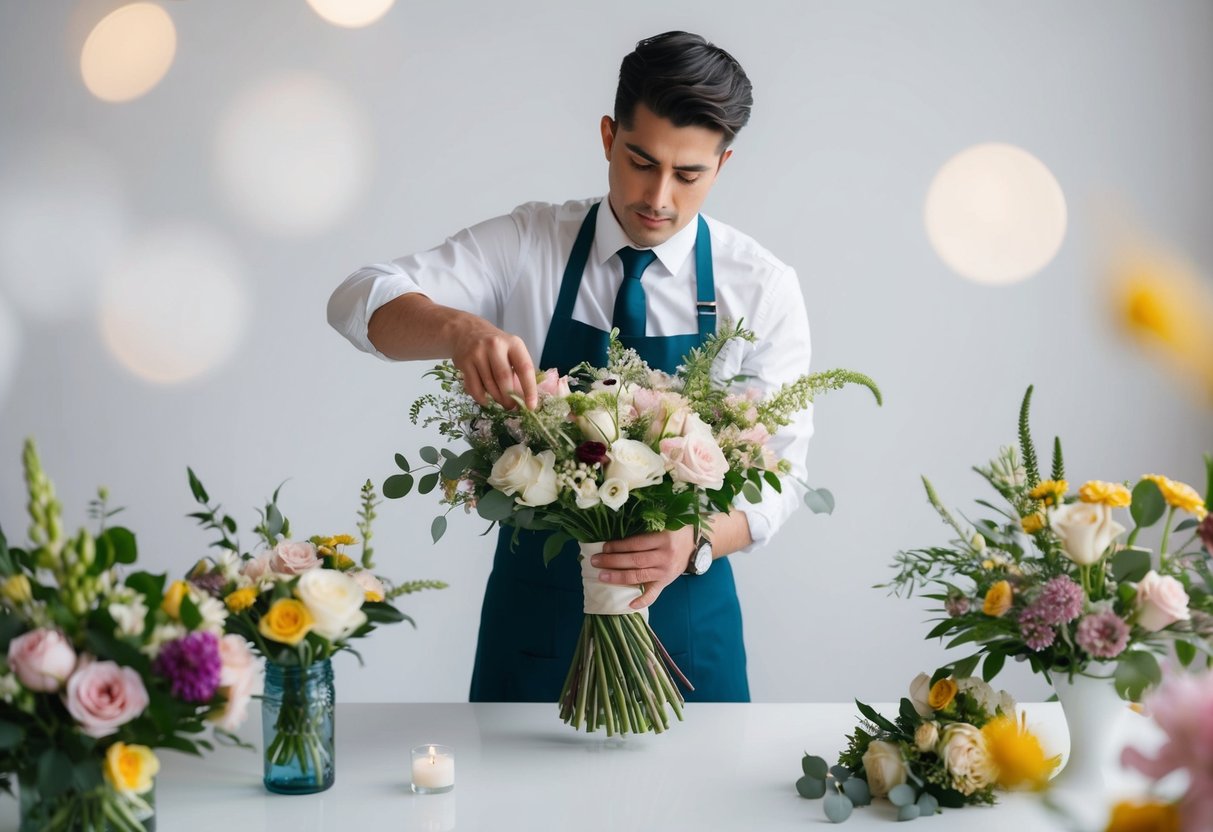
Choosing the right flowers for your bridal bouquet involves understanding different styles and options. Whether you work with a professional florist or create a DIY bridal bouquet, you can achieve a beautiful and meaningful arrangement. Here’s what you need to know.
Working with a Professional Florist
When you opt to work with a professional florist, you get expert guidance. Start by discussing your wedding theme and color palette. This helps the florist suggest floral arrangements that match your vision.
Make sure to mention the bouquet style you prefer, whether it’s a cascading bouquet or a round bouquet. Florists can create unique touches like corsages and boutonnieres for your bridal party.
Be open to suggestions, especially regarding flower availability. Some blooms may not be in season, and a good florist can recommend alternatives that fit your style while maintaining the look you want.
Creating a DIY Bridal Bouquet
If you’re considering a DIY bridal bouquet, planning is key.
First, gather materials like strong stems, floral tape, and ribbon.
Choose flowers based on your theme. Popular options include roses for romance or wildflowers for a more natural look.
Think about the bouquet style you want. A minimalist look can be elegant with just a few well-chosen flowers.
You might also want to include bridesmaids bouquets that complement yours.
Assemble your bouquet in a way that balances the colors and shapes. Don’t forget to add greenery, as it enhances the overall appearance.
Practice your arrangement before the big day to ensure it meets your expectations.