
How Many Wedding Guests Give Gifts? Understanding Guest Generosity and Traditions
When you plan your wedding, one important aspect to consider is how many wedding guests will give gifts. Studies reveal that around 75% of invited guests typically bring a gift to the celebration. This can help you understand the customs around wedding gifts and how to show gratitude for those generous gestures.

Navigating wedding etiquette can be tricky, especially when it comes to gifts. Knowing what to expect can ease your mind and help you plan accordingly.
Whether you’re unsure about what kind of gifts to register for or how to express your appreciation to guests, understanding these aspects can make a big difference in your wedding experience.
Join us as we explore who gives gifts, the reasons behind it, and tips on how to thank your loved ones properly. You deserve to enjoy every moment of your special day, and we’re here to help you with all the insights you need!
Understanding Wedding Gift Traditions
Wedding gift traditions are shaped by history and cultural practices. These gifts represent your support for the couple as they begin their new life together. Knowing the background of these traditions can help you navigate gift-giving more easily.
Historical Context of Wedding Gifts
The tradition of giving wedding gifts dates back centuries. Originally, these gifts were practical items to help newlyweds set up their households. Farm tools, linens, and kitchenware were common in earlier times.
As society evolved, so did the types of gifts. Guests started giving more personal or valuable items, reflecting their relationship with the couple. Cash gifts became popular as they allow newlyweds to choose what they truly need.
Additionally, the expectation of gift-giving varies based on the couple’s culture and traditions. Understanding this context can enhance your experience as a wedding guest.
Cultural Variations in Gift-Giving
Cultural differences play a major role in wedding gift-giving practices. In some cultures, it’s customary to give cash gifts, while others prefer physical items.
For example, in Chinese weddings, red envelopes filled with money are a common gift. This symbolizes good luck and prosperity.
In many Western cultures, registry systems are popular. Couples create lists of desired items, making it easier for guests to choose gifts. Knowing the couple’s preferred gift style helps you follow proper etiquette.
Be sure to consider the couple’s background when choosing a gift. This will show your respect for their traditions and enhance your gift-giving experience.
Guests’ Approach to Giving
When it comes to wedding gifts, guests often consider various factors. Financial constraints, social expectations, and personal choices can greatly influence their decisions on whether to give a gift or not.
Financial Considerations for Guests
Many guests weigh their financial situation before attending a wedding. Costs can add up quickly with travel, attire, and accommodation. As a result, some might feel they can’t afford an additional expense like a gift.
Typically, the average amount spent on a wedding gift is around $160. In some regions, like the Northeast, it can climb to $200.
Guests may also prioritize their spending based on their relationship with the couple. For example, they might spend $50-$75 for coworkers or distant relatives, while for close friends, they might give $75-$100.
Social Expectations and Gift Giving
Social norms play a big role in gift-giving. Many people feel a sense of obligation to bring a gift to a wedding, as it’s considered a way to show support and love.
Statistics show that 20-30% of guests may attend without bringing a gift. This could stem from cultural differences or personal beliefs regarding the necessity of giving gifts. It’s important to remember that some guests might feel pressured due to these social expectations, often leading to stress.
Guests Who Choose Not to Give Gifts
Not all guests give gifts, and there can be various reasons for this choice. Some might genuinely feel they cannot afford it, especially if they are dealing with financial constraints.
Others might prioritize their presence over material gifts, believing that celebrating with the couple is the most important part. In some cases, guests may feel disconnected from the couple, leading them to opt out from giving a gift entirely.
Understanding this perspective can help couples set realistic expectations for their wedding.
Types of Wedding Gifts
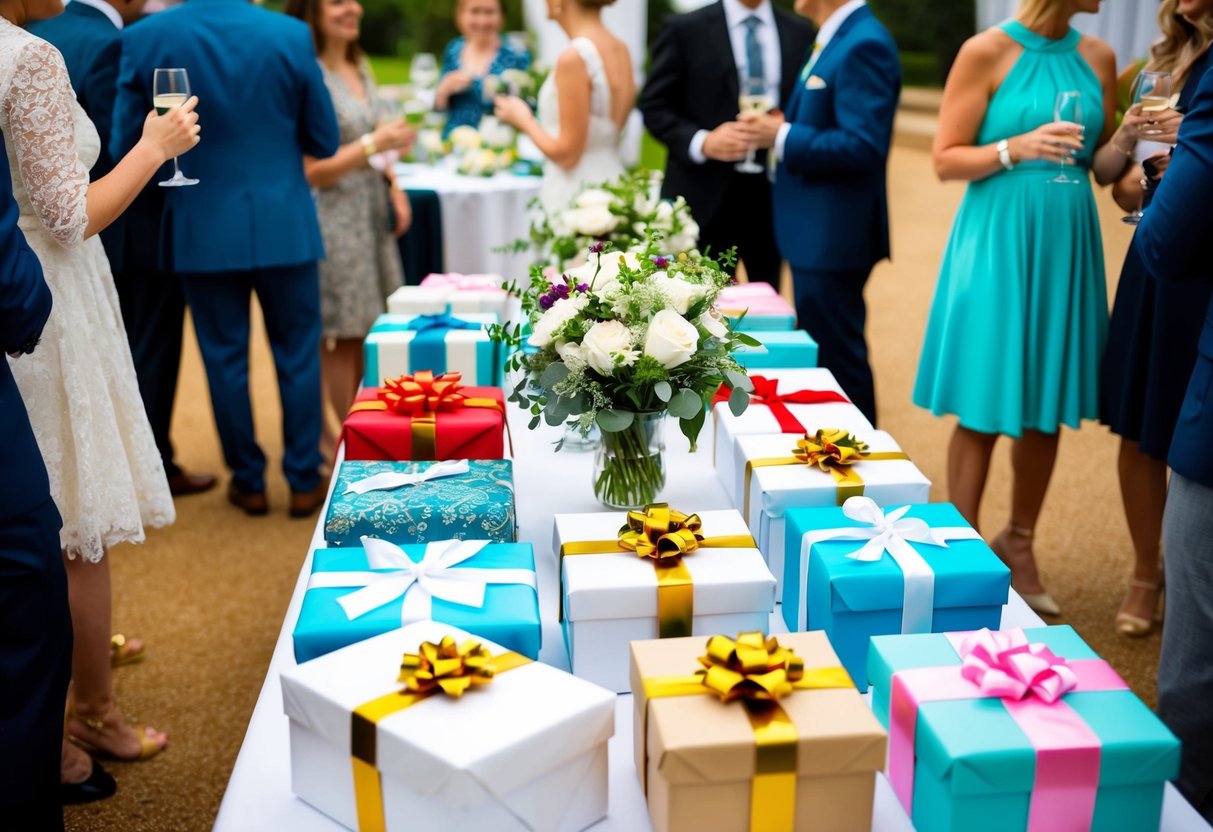
When it comes to wedding gifts, there are several popular options you can choose from. Each type offers its own benefits, making it easier for you to select the perfect gift for the happy couple.
Registry-Based Gifts
Many couples create a wedding registry to help guide their guests. This list includes items they would love to receive, ranging from kitchen gadgets to home decor.
As a guest, you can browse the registry and choose something that fits your budget.
Registry gifts often come with the added bonus of being something the couple specifically wants. This makes your gift more meaningful.
When selecting a registry-based gift, consider including a gift receipt. This way, the couple can exchange it if they receive duplicates.
Monetary Contributions and Cash Gifts
Giving cash gifts is still a common practice in many cultures. Often, guests opt to contribute money to help the couple start their new life together.
Cash gifts allow the newlyweds to use the funds however they see fit—whether for a honeymoon or a home purchase.
If you’re unsure how much to give, consider the amount that feels comfortable for your relationship with the couple.
You can also send cash in a card or use a digital payment service. Just make sure to include a note to express your best wishes!
Personalized and Sentimental Presents
Personalized gifts are a wonderful way to add a special touch. You can consider items like custom photo frames, engraved cutting boards, or monogrammed towels.
These presents show that you put thought into what the couple would cherish.
Sentimental gifts can also include a heartfelt letter or a scrapbook capturing shared memories. Such tokens often hold deep meaning and help create lasting memories for the couple.
When giving this type of gift, think about what reflects their journey together. Choose something that symbolizes their love or shared interests.
Best Practices for Wedding Gift Etiquette
When it comes to wedding gift etiquette, remember to be thoughtful and considerate. Here are some best practices to keep in mind.
1. Choose a thoughtful gift.
Select something meaningful that the couple would appreciate. Consider their interests and needs.
2. Send gifts promptly.
It’s best to send your gift soon after the wedding. A good rule is to do it within three months.
3. Include a card.
Always add a personal message in your card to express your gratitude and best wishes. A few heartfelt words can mean a lot.
4. Respect the registry.
If the couple has a gift registry, consider selecting something from it. This ensures your gift fits their needs.
5. Be mindful of the value.
You don’t have to spend a lot. Give what you can comfortably afford. Average gifts often range around $100 to $200.
6. Acknowledge your gift.
If the couple has a wedding reception, ensure you see them to say hello. They appreciate your support.