
How Many Wedding Planners Are There in the UK? Exploring the Numbers Behind the Industry
The UK wedding industry is bustling and ever-evolving. Couples are eager to plan their dream weddings, and this has led to a growing demand for expert assistance. As of 2024, the UK has approximately 6,311 wedding planning businesses. This number reflects the growing demand for expert assistance, helping engaged couples navigate their wedding plans with ease.

Planning a wedding can be both exciting and overwhelming. That’s why many couples choose to hire a wedding planner to turn their vision into reality. With personalized services, these professionals help manage everything from venue selection to day-of coordination, ensuring that your special day runs smoothly. The latest UK wedding industry report highlights how essential these planners are in making the wedding experience enjoyable and stress-free.
You play a crucial role in the wedding planning journey, whether you’re considering hiring a planner or are simply curious about the industry. Knowing how many wedding planners are available can help you make informed decisions as you plan your big day.
Overview of the UK Wedding Industry
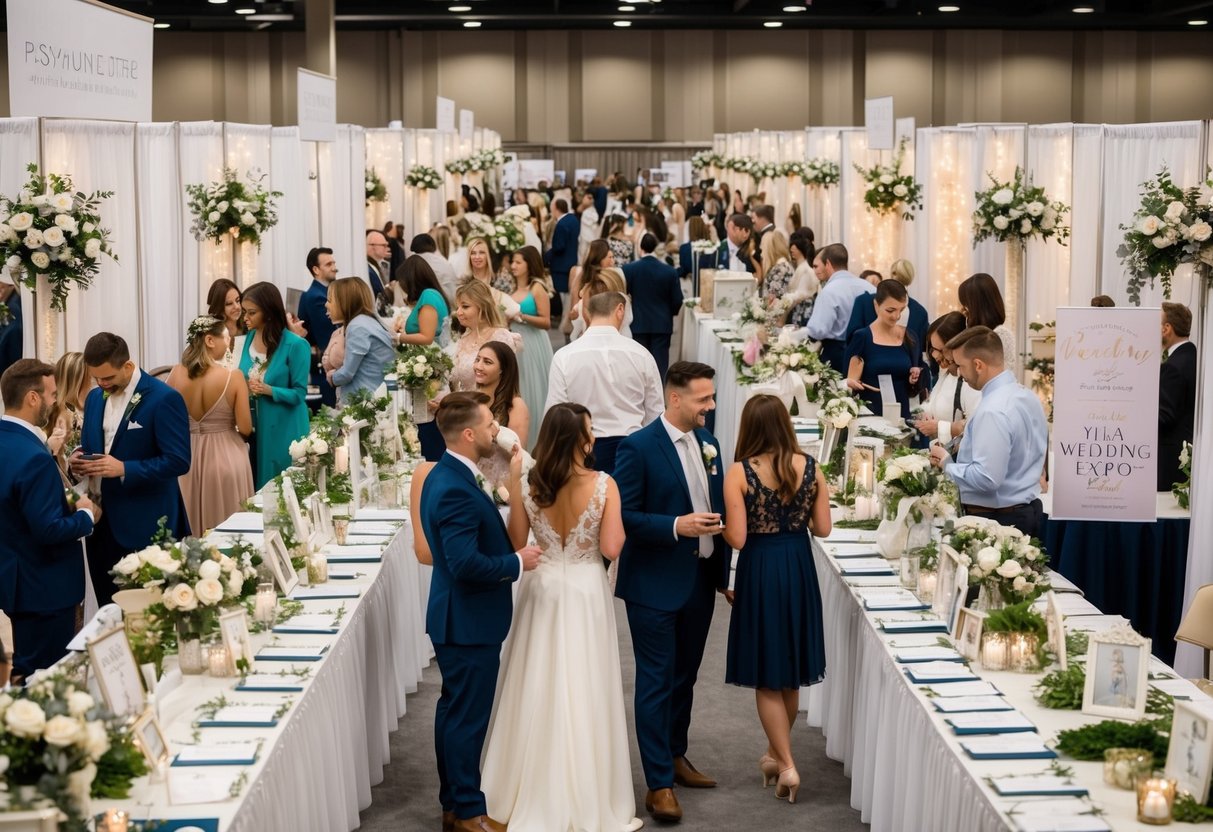
The UK wedding industry is a vibrant and evolving market influenced by various economic factors. Understanding the segments and geographic trends can help you navigate this space effectively.
Economic Factors Influencing the Market
Several economic factors shape the wedding industry in the UK. After the pandemic, there has been a noticeable increase in wedding bookings, leading to revenue growth in this sector. Many couples are willing to invest more in their special day, reflecting a strong desire to celebrate.
The average cost of weddings varies significantly based on location and services chosen. Increased disposable income among millennials also plays a role. According to recent data, venue costs rise in major cities, which can affect the overall budget that couples allocate. You’re likely to find that couples are becoming more cost-conscious, often seeking value in their wedding coordinator services.
Market Segmentation and Geographic Breakdown
Market segmentation in the UK wedding industry includes various categories such as venues, catering, photography, and planning services. Each sector experiences different growth rates.
For example, wedding planners have become essential for many couples, with around 28% of them prioritizing the planner when selecting a venue.
Geographically, the industry thrives in urban areas like London, but rural regions also have a unique charm attracting many couples. Data shows that Scotland, Wales, and Northern Ireland contribute distinct flavors to the wedding scene. Industry concentration is highest in metropolitan areas, meaning opportunities exist in both high-density and remote locations. This creates a diverse market that caters to different tastes and budgets.
Role of Wedding Planners within the Market
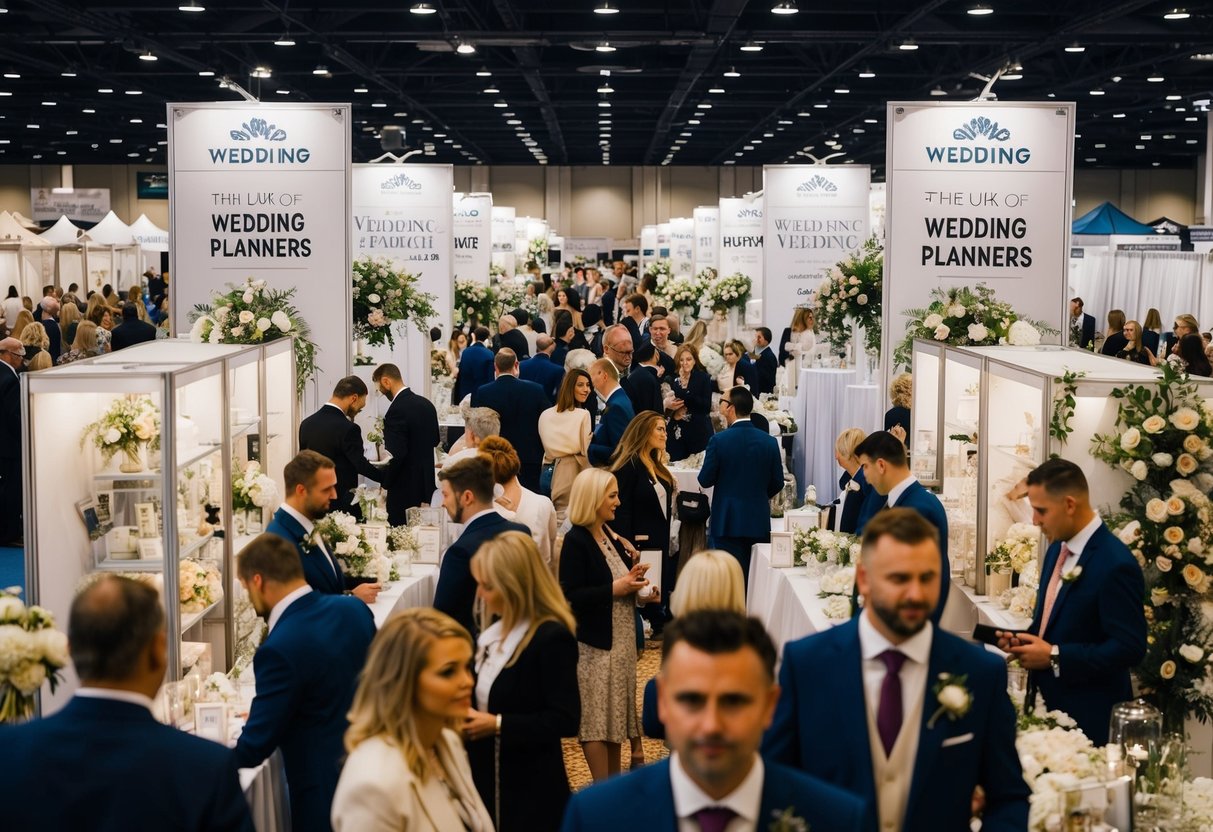
Wedding planners play a vital role in shaping the market. They not only help couples navigate their wedding journey but also influence market trends and competition. Understanding their presence and offerings can provide insights into the wedding planning landscape.
Business Locations and Market Presence
Wedding planners are found in various regions, with concentration in urban areas where demand is high. You’ll notice many planners operate in major cities, catering to a larger clientele. This location choice helps them access venues, suppliers, and diverse services effectively.
Market share concentration varies among planners. Some established planners dominate the market, creating competitive forces that new entrants must navigate. Barriers to entry can include reputation, established networks, and capital investment, which newcomers often find challenging.
Service Offerings and Product Innovation
Wedding planners provide a wide range of services. These can include venue selection, vendor management, and day-of coordination. Your experience can vary greatly based on the type of planner you choose, whether full-service or partial coordination.
Innovation is key in this market. Many planners now offer unique packages, such as themed weddings or eco-friendly options. This adaptability enhances their appeal and allows you to customize your special day.
They also strive to improve financial benchmarks, offering competitive pricing while maintaining high service quality. This focus on value is important as buyer power grows, making it essential for planners to create memorable experiences that meet your expectations.
Event Planning Elements and Personalisation
Planning a wedding involves many important elements that can be tailored for a more personal touch. By focusing on your wedding budget, cost structures, and the types of ceremonies you prefer, you can create a memorable event that reflects your unique style.
Wedding Budgets and Cost Structures
Setting a clear wedding budget is one of the most critical steps in event planning. Start by listing your priorities, such as venue selection, floral design, and catering.
Consider the following breakdown for your budget:
- Venue: 30%
- Catering: 25%
- Decor and Flowers: 15%
- Attire: 10%
- Photography/Videography: 10%
- Miscellaneous: 10%
Establishing cost structures for each element can help you stay on track and avoid overspending. Don’t forget to account for additional costs like the wedding coordinator’s fees and the guest list. Personalisation in this area can mean finding ways to save, such as choosing seasonal flowers for your decor or using a venue that provides furniture.
Destination Weddings and Micro Weddings
Destination weddings and micro weddings are increasingly popular choices.
A destination wedding allows you to celebrate in an unforgettable location, whether it’s a beach or a historic site. For a destination wedding, you need to keep the guest list small to reduce costs. You should also look for all-inclusive packages and plan ahead to secure group rates.
On the other hand, micro weddings focus on a small group, usually under 50 guests. This format allows for higher personalisation, so you can invest in high-quality elements like gourmet catering or unique floral designs. You can also create a ceremony that truly reflects your values and wishes.
Both options offer opportunities to personalise your celebration, making it uniquely yours.
Emerging Trends and Future Outlook

The wedding planning industry in the UK is evolving rapidly, influenced by changing consumer preferences and economic factors. Understanding these trends can help you stay ahead in this vibrant market.
Industry Performance and Profit Margin
The wedding market is experiencing shifts that affect both performance and profit margins. With more newly engaged couples looking for unique experiences, the focus is on custom packages and services.
Micro weddings have gained popularity as couples seek meaningful celebrations with fewer guests. This trend can help you reduce operating costs while still offering personalized services.
Wedding fairs and events are becoming essential for showcasing your offerings. These gatherings allow you to connect with couples and showcase new wedding trends that resonate with them.
Adapting to these changes can enhance your profit margins while meeting the needs of today’s clients.
Adaptation to Changing Consumer Preferences
Couples are increasingly looking for personalized and unique wedding experiences. They want their celebrations to reflect their personalities and values.
In this environment, you should consider curating specialty stations at receptions. These can represent the couple’s cultural roots or travel adventures, creating an immersive experience for guests.
Many couples are also prioritizing sustainability. Offering eco-friendly options in your services can set you apart.
Staying informed about the external environment is crucial. Economic factors might influence how couples spend on their weddings. This makes it essential to offer flexible pricing and packages.
Engaging with clients and understanding their preferences can help you adjust your approach effectively.