
How Many Witnesses Can You Have at a Registry Office Wedding? Essential Tips for Your Ceremony
When planning your registry office wedding, you need to consider who will stand by you on your special day. For a civil ceremony, you need at least two witnesses to sign the register with you. This requirement ensures that your marriage is legally binding, adding a sense of happiness and support as you exchange vows.
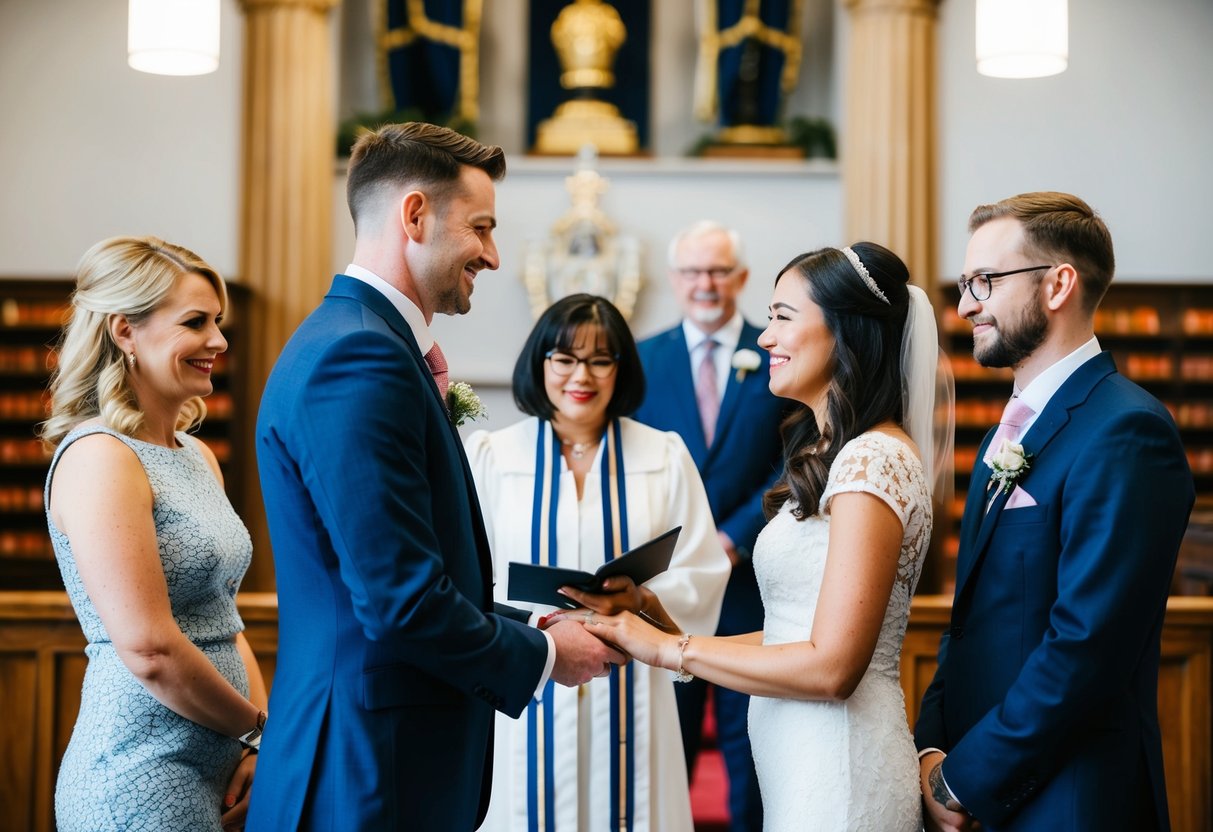
You might wonder who can serve as a witness. The good news is that pretty much anyone can do it! Your witnesses can be family, friends, or even acquaintances. Just remember, at least one of them needs to be at least 18 years old.
Having the right people there can make your marriage ceremony even more memorable. Whether you choose close friends or select new acquaintances, your witnesses play a significant role in celebrating your love. So, gather those who mean the most to you and get ready for a beautiful day!
Understanding Registry Office Weddings
Registry office weddings offer a straightforward way to tie the knot. They are legal ceremonies with specific requirements that differ from religious weddings. Let’s explore the basics of civil ceremonies, how registry office weddings compare to religious ones, and the legal requirements for marriage in the UK.
The Basics of a Civil Ceremony
A civil ceremony is a non-religious wedding conducted by a registrar. You can have your ceremony at a registry office or an approved venue. It involves saying vows and signing the marriage certificate, which is the legal document proving your marriage.
One important thing to remember is that you need two witnesses to sign this certificate. These witnesses must be of sound mind and must understand the language of the ceremony. This requirement ensures they can confirm the legality of the marriage.
Registry Office Vs. Religious Ceremony
Registry office ceremonies are quite different from religious ceremonies. While a registry office wedding focuses on the legal aspects of marriage, religious ceremonies often include spiritual elements.
In a civil ceremony, you have the freedom to choose your own words and personalize your vows. In contrast, religious ceremonies follow specific traditions and may include rituals or practices unique to the faith. Both types of ceremonies are valid, but they cater to different beliefs and preferences.
Legal Requirements for Marriage in the UK
In the UK, certain legal requirements must be met to get married. Both partners must be at least 18 years old and not already married or in a civil partnership. You also cannot be closely related to your partner.
You will need to give notice of your marriage at your local registry office at least 28 days before your wedding. This involves providing personal details and any necessary documents. For a complete list of legal requirements, visit the UK government website.
The Role of Witnesses at Your Wedding
Witnesses play an important part in your wedding ceremony. They help to validate your marriage and ensure that all legal requirements are met. Knowing who can be a witness and how many you need is essential for your special day.
Who Can Be a Witness
In most places, anyone can be a wedding witness as long as they meet specific requirements. Typically, witnesses must be at least 18 years old. This means you can choose friends, family members, or even colleagues who understand the significance of a marriage.
While you might want someone close to you, remember that they need to be present during the ceremony to sign the marriage license. It’s best to discuss this with them beforehand. Also, it is not a requirement for them to be related to you. Just make sure they are capable of understanding the legal statement involved in your ceremony.
How Many Witnesses Are Needed
The number of required witnesses can vary by location. In many places, like the UK, you need at least two witnesses to make your marriage legal. Some areas may allow for more if you want extra friends or family to take part in the moment.
For example, in Australia, the maximum is usually two as well. Make sure to check the local laws where you’ll be tying the knot to avoid any surprises. Having the right number of wedding witnesses ensures your ceremony is valid and recognized legally. Remember, choosing the right people can make this experience even more special.
Preparing for Your Big Day
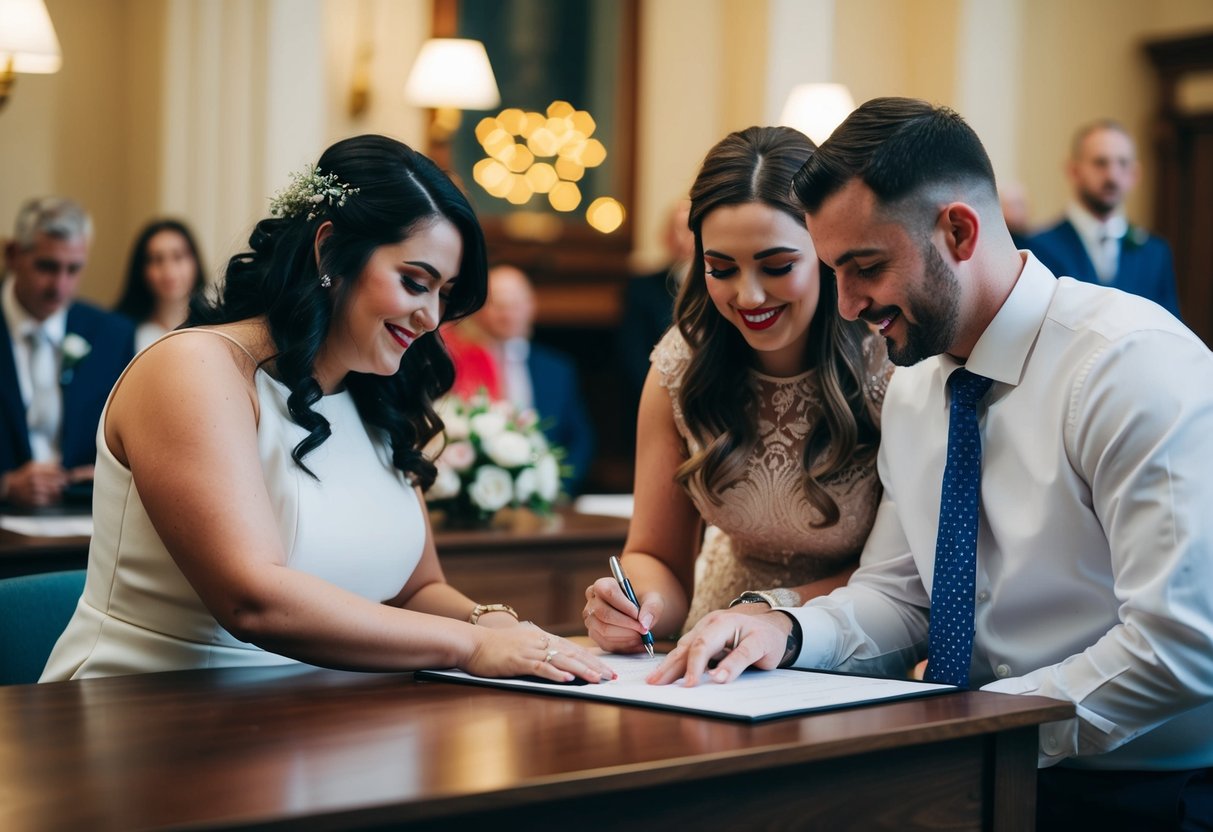
Getting ready for your registry office wedding involves several important steps. You need to give notice to the registrar, gather essential documents, and consider how to personalize your ceremony. Each of these areas plays a key role in ensuring your big day runs smoothly.
Giving Notice at the Local Registry Office
Before you can tie the knot, you must give notice to your local registry office. This step is essential and usually needs to be done at least 28 days before your wedding. You both must attend the appointment together.
During this visit, you’ll provide details like your names, addresses, and nationality. You may also need to declare if you’ve had any prior marriages. If you’ve changed your name since your last marriage, bring your official name change documents.
After giving notice, your information will be displayed publicly. This is to allow anyone to raise any objections to your marriage.
Essential Documents Required
Several essential documents are required to ensure a successful wedding at the registry office. First, you need valid identification. This can include a passport or driving license.
If either of you has previously been married, bring your final divorce decree or your spouse’s death certificate. These documents show your eligibility to marry again.
Another important document is the marriage schedule, which you’ll receive after giving notice. This schedule outlines the specifics of your ceremony. Make sure you have all documents ready a few days before your wedding to avoid any last-minute stress!
Customizing Your Registry Office Ceremony
While registry office weddings are straightforward, you can customize your ceremony. Discuss with the registrar about adding personal touches like readings or music.
You can also think about who will officiate the ceremony. Typically, a registrar will lead the proceedings, but you can check if additional officiants are allowed.
Remember, the number of witnesses required is two, but you can include more if you wish. Choose witnesses that mean a lot to you, like close friends or family. Personalizing your day makes it memorable while staying within the structure of a registry office wedding!
Beyond the Ceremony

When your ceremony is over, there are important details to consider. You’ll need to handle legal matters, including name changes, and you might think about additional celebrations like a blessing or a destination wedding.
After You Marry: Legal and Name Changes
After you marry, you may want to change your name. This can be done through a simple process, often starting with updating your name on your marriage registration. You’ll need your marriage certificate, which serves as proof of your new status.
Next, notify important institutions. This includes banks, your employer, and the government for things like your driver’s license and tax records. Each state may have different legal requirements for name changes, so check local regulations.
If you’re thinking of moving to a different country with your partner, you might require a family visa or a marriage visitor visa. This will help you stay together while ensuring you meet immigration laws.
Options for a Ceremonial Blessing or Destination Wedding
If you want to celebrate more than just the legal aspect, consider a ceremonial blessing. This is a lovely way for same-sex couples or others to express their commitment in front of family and friends.
You can also opt for a destination wedding. This often means a more intimate gathering.
Popular locations include beaches or historic sites, which can serve as stunning backdrops.
Make sure to check any marriage contract requirements for the country where you plan to wed. Each destination may have its own rules.
Also, consider how you want to register your marriage in that location, as this can affect your legal standing back home.