
How Many Witnesses Do You Need for a Registry Wedding? Here’s What You Should Know
When planning your registry wedding, you might wonder about the role of witnesses. Most registry weddings require at least two witnesses to sign the marriage register. This ensures that your ceremony is legally recognized and that there are people to affirm your union.
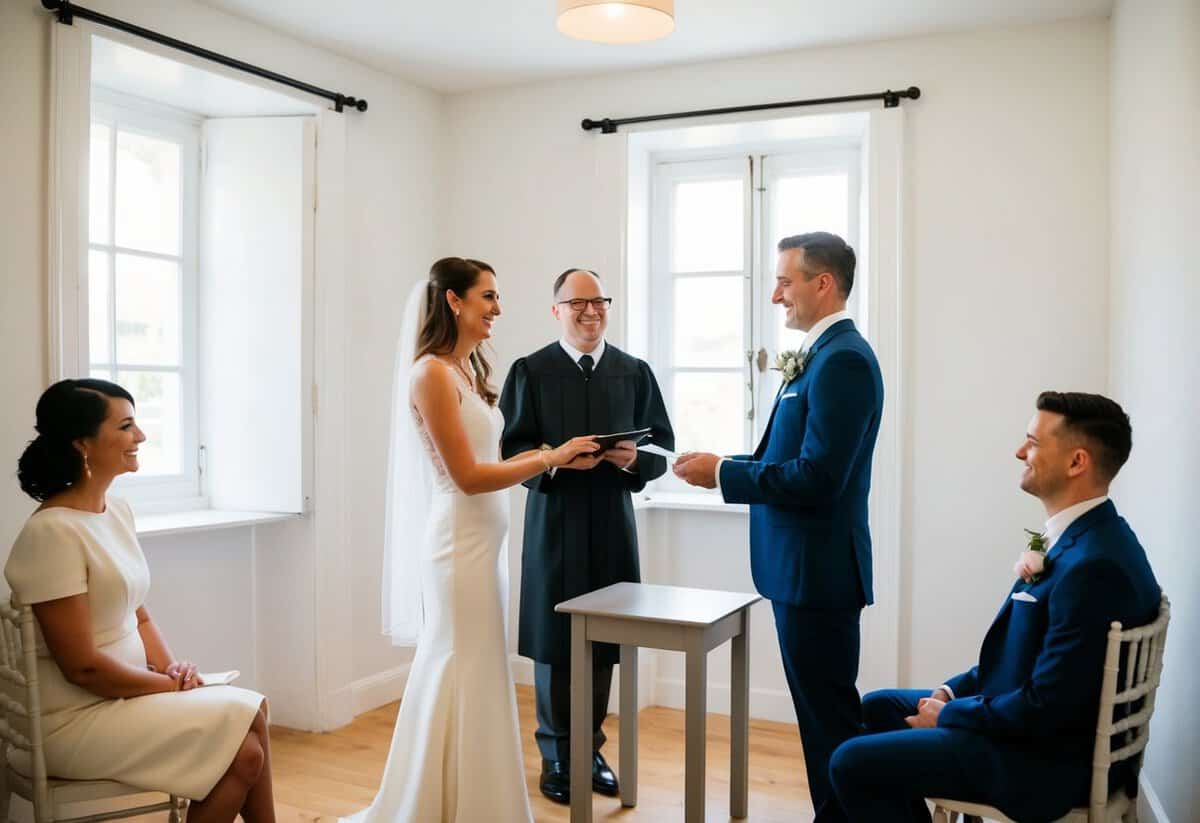
Choosing the right witnesses can be a personal decision. Many couples opt for close friends or family members who can share in their special day. It can be a lovely way to involve loved ones, making your celebration even more memorable.
If you’re unsure of the specific rules in your area, it’s always wise to check in advance. Each location may have different requirements, so being informed will help you prepare for a smooth and joyful ceremony.
Understanding the Role of Witnesses in Registry Office Weddings
Witnesses play a crucial role in registry office weddings. They are essential for the legal aspects and add a personal touch to your ceremony. Knowing how to choose the right witnesses and understanding their requirements is important for a smooth wedding day.
Legal Necessities and Witness Criteria
In the UK, you must have at least two witnesses to sign the marriage register during your registry office wedding. This requirement ensures that your marriage is legally recognized. At least one witness must be 18 years or older and understand the ceremony’s language.
Witnesses confirm that they observed the vows exchanged. They must also be able to comprehend the significance of the event. Your registry office should provide clear guidelines about the witness requirements, so it’s a good idea to check with them before your wedding day.
Selecting Your Witnesses
Choosing the right witnesses adds a special touch to your ceremony. You can select anyone, including family members or close friends. It’s important that your witnesses are supportive and truly understand the significance of their role.
Consider individuals who can maintain a calm presence during your ceremony. They will be signing important legal documents, so selecting people who are responsible is key. You might want to ask them well in advance, allowing for any scheduling conflicts.
Your witnesses should be individuals who are excited to share this important moment with you, creating lasting memories for everyone involved.
Planning Your Registry Office Wedding
Planning a registry office wedding is an exciting step toward your big day. You’ll need to cover essential aspects like giving notice for your marriage and choosing the right ceremony format that suits you.
Giving Notice and Securing a Marriage License
To legally marry, you must give notice to your local registry office. This involves completing a form and providing valid identification.
Typically, you should do this at least 28 days before your wedding date.
After giving notice, you’ll receive a marriage license which is required on your wedding day. Make sure both you and your partner meet the eligibility criteria, such as age and residency.
Failing to give notice in time can delay or even cancel your plans, so keep an eye on deadlines!
Choosing Your Ceremony Format
Your registry office wedding can be simple or slightly more elaborate. Decide if you want a short and sweet ceremony or one with personal touches like readings or music.
Each registry office may have different options available, so check with yours for specific rules.
Also, consider how many guests you want to include. Most offices allow a limited number of attendees, so plan accordingly. If you prefer an intimate ceremony, you might opt for just the required witnesses and a few close friends or family.
Budgeting for the Big Day
Budgeting helps ensure your dream wedding doesn’t break the bank. Registry office weddings generally have lower costs compared to traditional venues.
Start by listing potential expenses like the marriage license fee, any decorations, and attire. The basic cost for a marriage license is often around £36 in the UK.
You can also save money by keeping the guest list small. Fewer guests mean less spending on food and drinks, enhancing your budget for other important elements.
Research different registry offices for pricing and available packages. This way, you can find a wedding venue that meets your needs without overspending.
Personalizing Your Ceremony

Making your wedding ceremony unique is a special way to reflect your personality and love story. Personal touches can enhance the experience for you and your guests, making the day even more memorable.
Writing Your Vows
Writing your own vows is a wonderful way to express your feelings. You can talk about your journey together and what your partner means to you.
Consider these tips:
- Keep it Personal: Share specific moments that define your relationship.
- Be Genuine: Use your own voice; let your emotions shine through.
- Vow Examples: You could promise to support each other through challenges or cherish every moment together.
Remember, you can also share a lighthearted joke or a sweet memory. It’s about what feels right for you both.
Special Requests and Additions
Adding special elements to your ceremony can make it truly yours. Discussing requests with your celebrant can open up creative options.
Here are some ideas:
- Readings: Include a favorite poem or passage that resonates with you.
- Music: Choose meaningful songs to accompany your vows or as you walk down the aisle.
- Candle Lighting or Unity Ceremony: This symbolizes your joining as a couple.
If you have a wedding party, consider their roles. They can share personal reflections or even participate in unique ways. By incorporating these ideas, your ceremony will reflect your love while keeping it personal and heartfelt.
After the Ceremony

Once you’ve tied the knot, there are important steps to complete regarding your marriage. You’ll need to finalize your official documents and consider changes to your name on legal documents.
Finalizing the Official Documents
After your ceremony, the most crucial document is your marriage certificate. This certificate serves as proof of your marriage and is required for many legal processes. You must request it from the registry office where you got married.
Make sure to check your local regulations on how to obtain this document. In the UK, you can often find information on this process through the UK government website. Typically, you’ll need to complete a marriage registration application and may need to pay a fee.
Once you receive your marriage certificate, keep it in a safe place. It may be needed for various situations, such as applying for joint bank accounts or insurance plans.
Changing Your Name on Legal Documents
If you plan to change your name, that’s another step post-ceremony. Begin by updating your passport and other identification documents. You will usually need your marriage certificate for this process.
Consider making a list of all important documents that need updating. This might include your driver’s license, bank accounts, and any insurance policies.
For each document, contact the relevant agency or institution to find out their specific requirements. Some may allow online applications, while others might require in-person visits.
Keep in mind that some documents, like a death certificate for a spouse, might also need updating if they were affected by your recent marriage.