
How Much Did Kate Middleton’s Wedding Dress Cost UK? Unveiling the Price Behind the Royal Gown
The wedding dress of Kate Middleton, Duchess of Cambridge, remains one of the most talked-about garments in royal history. Her stunning gown was estimated to cost £250,000. This luxurious investment reflects its intricate design and high-quality materials. Designed by Sarah Burton for Alexander McQueen, the dress captured the elegance and grace that defined the Royal Wedding.
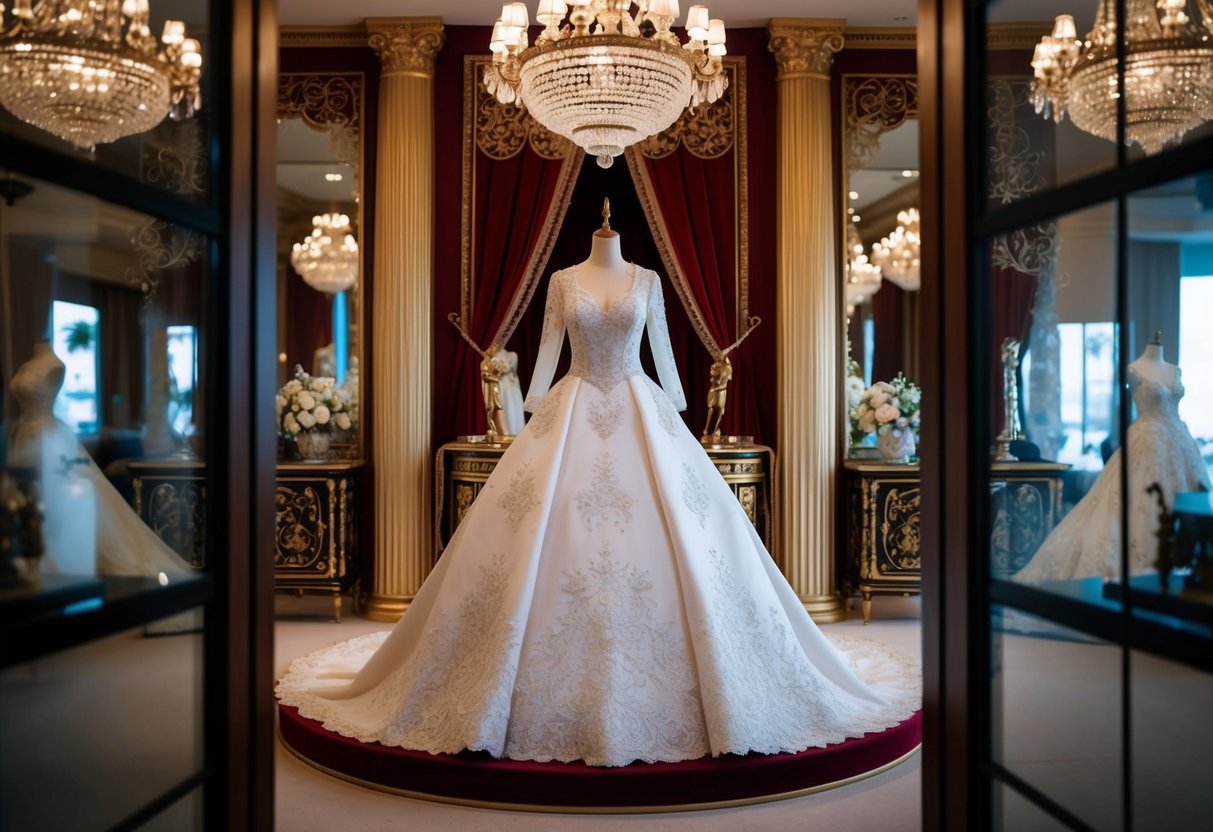
Many people are curious about what makes such a dress so expensive. From the delicate lace detailing to the skilled craftsmanship involved, every aspect of Kate’s dress was carefully curated. As you explore this topic, you’ll discover the fascinating details behind her gown’s price tag and what it meant for her wedding day.
When you think about royal weddings, images of grandeur and elegance often come to mind. Kate Middleton’s wedding dress is a perfect example of this, intertwining tradition with modern style. You’ll want to keep reading to uncover more about this iconic piece and the story behind its high cost.
The Designer Behind the Dress
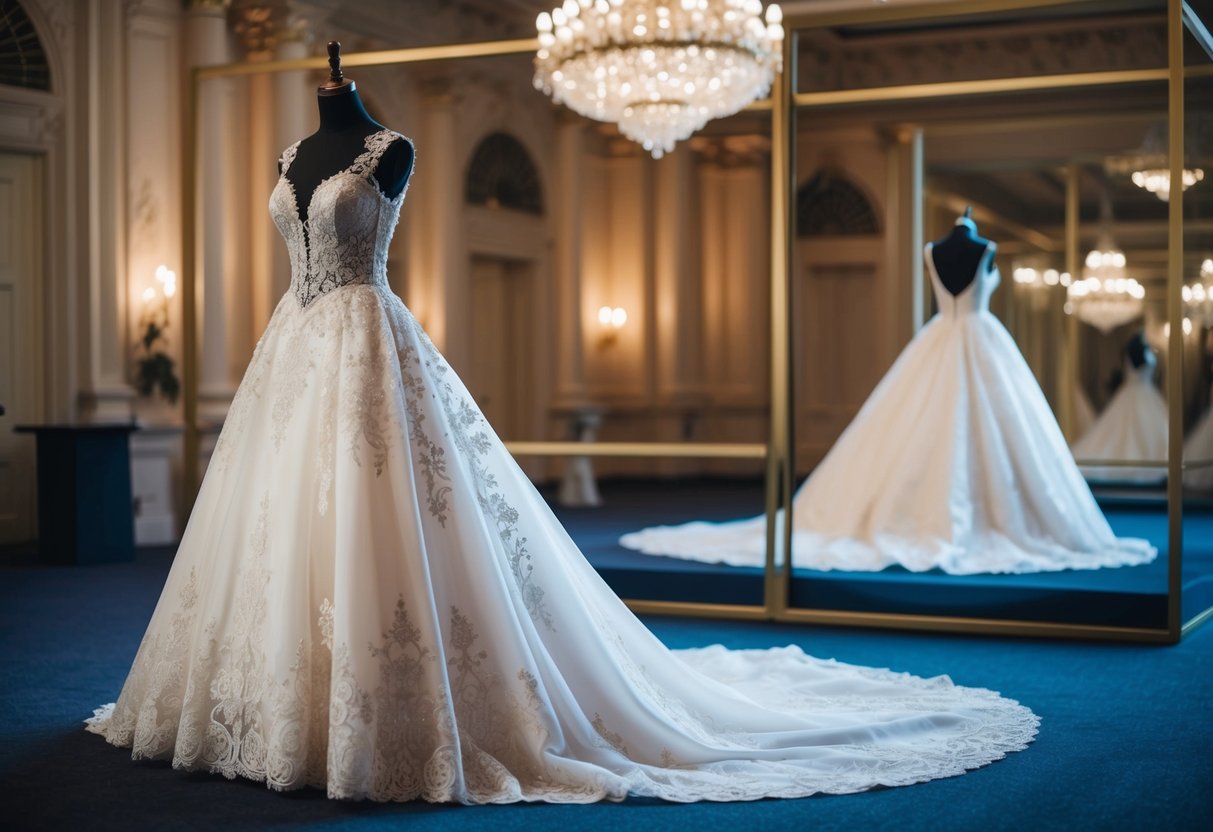
Kate Middleton’s wedding dress is not just a piece of clothing; it’s a work of art designed by Sarah Burton for Alexander McQueen. This section explores Burton’s unique vision, the exquisite craftsmanship involved, and the significance of lace in the context of royal fashion.
Sarah Burton’s Vision for Alexander McQueen
Sarah Burton was the Creative Director of Alexander McQueen when she designed Kate Middleton’s wedding dress. Her artistic vision combined both traditional elements and a modern touch.
Burton sought to create a gown that reflected royal elegance while also being accessible. She aimed to highlight Kate’s natural beauty and grace.
The iconic dress featured a fitted bodice, a voluminous skirt, and a long train. Each detail was carefully considered to represent a fairytale quality. The overall design showcased Burton’s ability to balance heritage with contemporary flair.
Design Influences and Craftsmanship
Burton drew inspiration from flowers, nature, and historical details. The wedding gown includes intricate lace appliqué that echoes floral designs, representing growth and beauty.
The craftsmanship was exceptional. Skilled artisans worked tirelessly to create the dress.
Around 30 lace workers were involved in this project, reflecting the commitment to quality. Each piece of lace was handmade, making the gown truly unique.
The process took months, ensuring that every seam and detail was perfect. This dedication to craftsmanship showcases why this dress is celebrated in fashion history.
The Significance of Lace in Royal Fashion
Lace holds a special place in royal tradition. It symbolizes elegance and sophistication, often used in royal attire.
In Kate’s dress, lace not only adds beauty but also speaks to history. It links the gown to other royal wedding dresses that featured lace, creating a timeless connection.
The delicate lace adds texture and depth, making the gown memorable. Its intricate design reflects a blend of tradition and modernity, emphasizing the importance of craftsmanship.
By choosing lace, Kate Middleton honored historical styles while embracing her own identity. This choice has inspired many future brides seeking a blend of elegance and tradition.
Details of the Dress
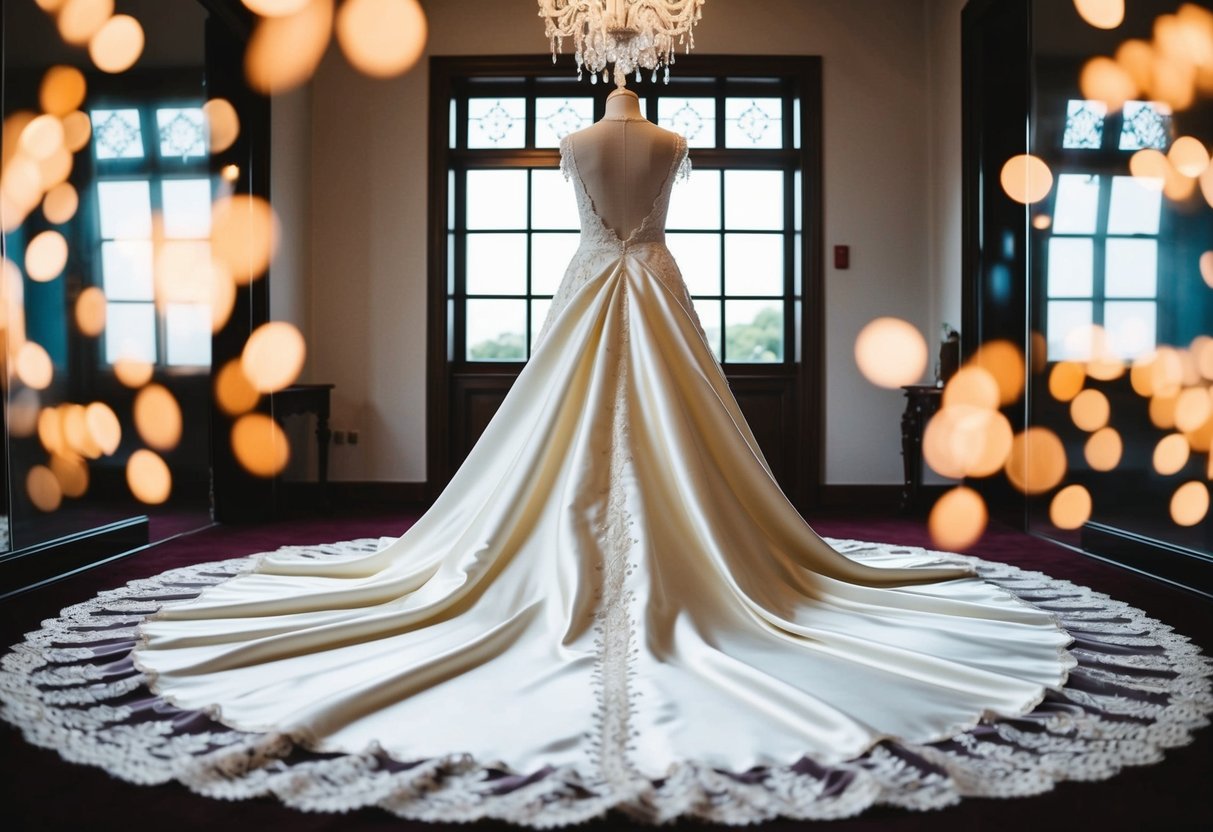
Kate Middleton’s wedding dress is a stunning blend of elegance and meaning. It features rich fabrics, intricate embroidery, and symbolic elements. Each detail serves to enhance its beauty and link to royal traditions.
Fabric and Construction
The gown, designed by Sarah Burton for Alexander McQueen, combines several luxurious fabrics. The bodice is made of ivory satin, giving it a smooth and elegant appearance. The skirt, crafted from silk tulle, flows beautifully, enhancing the overall silhouette.
The construction showcases the Carrickmacross lace-making technique, which adds intricate details to the lace appliqué bodice. The use of rouleau loops also allows for an elegant fastening. These elements together contribute to a striking design that represents both modernity and tradition.
Symbolic Embellishments
This dress holds deep meanings through its decorations. Flowers such as the rose, thistle, daffodil, and shamrock are featured as motifs into the lace, symbolizing the nations of the United Kingdom.
Furthermore, the coat of arms of the Middleton family is subtly included in the embroidery. This attention to detail reflects both family pride and national heritage. Such embellishments make the gown not just a piece of fashion but a tribute to heritage and love.
Accessorizing the Gown
Kate’s accessories completed her bridal look with elegance. The long veil, made of silk tulle, flowed beautifully to the floor and added a touch of softness. It was adorned with delicate embroidery that echoed the gown’s floral motifs.
She wore the timeless Cartier Halo Tiara, made of diamonds, which sparkled brilliantly in the light. The bouquet, composed of simple white flowers, perfectly complemented the dress. Each accessory was carefully chosen to enhance the overall appearance while respecting royal traditions.
Cultural and Historical Context

Kate Middleton’s wedding dress is steeped in rich cultural and historical significance. Its design reflects royal traditions, craftsmanship, and national identity, making it a noteworthy piece of fashion history.
Royal School of Needlework’s Role
The Royal School of Needlework played a crucial part in creating Kate’s dress. This prestigious institution is known for its expertise in embroidery and textile work. For Kate’s gown, skilled artisans from the school crafted intricate lace detailing and embroidery by hand.
This connection to the Royal School emphasizes the importance of craftsmanship and tradition in royal fashion. By using such skilled hands for the gown’s creation, the dress not only became a symbol of elegance but also a nod to the heritage of British artisanal work.
Incorporating National Symbols
Kate’s dress included elements that showcased national pride. The beautiful lace featured a design inspired by the floral emblems of the UK, including the rose, thistle, daffodil, and shamrock.
These symbols highlight the importance of national identity in royal events. By incorporating these designs, Kate connected her wedding to the rich tapestry of British culture. This thoughtful detail resonated with many, showing how royal attire can reflect broader societal values and pride.
Comparisons with Historic Royal Dresses
When thinking about Kate’s dress, it’s interesting to compare it with gowns worn by other royals. For example, Queen Elizabeth II’s wedding gown was also a statement piece, featuring satin and lace.
Similarly, Grace Kelly’s iconic gown was known for its timeless elegance, while Meghan Markle’s dress brought a modern twist to royal fashion. Each dress represents its wearer’s personality and the era in which it was created, yet all share a common thread of craftsmanship and royal tradition.
Kate’s choice of a traditional yet modern gown aligns with these past choices, showcasing how royal fashion evolves while respecting its roots.
The Dress’s Journey Post-Wedding

After the wedding, Kate Middleton’s dress took on a new life beyond the ceremony. Its journey includes public exhibitions, the tradition of a second wedding dress, and a lasting impact on fashion trends.
Public Exhibition and Reception
The iconic wedding dress was showcased at Buckingham Palace after the wedding. This exhibition drew a lot of attention, allowing countless fans and fashion enthusiasts to see the dress up close.
The gown was displayed alongside other royal items, making it part of a larger narrative about the British monarchy. Visitors admired the detailed technical construction and the traditional workmanship that went into creating it.
This public exposure helped solidify the dress’s status as a fashion landmark. Many visitors were especially captivated by the use of lace appliqué and the ivory satin bodice that embodied elegance.
Second Wedding Dress and Other Traditions
Catherine Middleton also embraced the idea of a second wedding dress, which is common in royal traditions. This dress, designed by Amanda Ewing, was worn for the evening reception.
Unlike the main gown, this dress featured a simpler, more modern style, showcasing her desire to balance tradition with contemporary fashion.
The second dress symbolized the blend of royalty and personal style, allowing you to appreciate both aspects of her wedding day. This tradition continues to influence brides today, as many choose to wear multiple outfits to their weddings.
Legacy and Influence on Fashion
Kate’s wedding dress has had a significant impact on the fashion world. Designers have sought to recreate its style, leading to a wave of similar dresses in bridal collections.
The dress’s intricate design elements inspire brides looking for a touch of royalty in their wedding attire.
Carole Middleton and Pippa Middleton have also influenced fashion trends, showing how the entire Middleton family carries a unique sense of style. The legacy of this gown is evident in many modern wedding dresses, demonstrating its lasting allure.
Catherine’s blend of tradition and trend-setting taste continues to inspire you as you plan your own special day.