
How Much Do Brides Typically Spend on Flowers? A Guide to Wedding Floral Budgets
When planning your wedding, flowers play a big role in creating a beautiful atmosphere. You might be wondering about the costs involved, especially when it comes to choosing the perfect arrangements for your special day. On average, brides typically spend between $700 and $2,500 on wedding flowers. This range lets you think about your flower budget based on your overall wedding expenses.
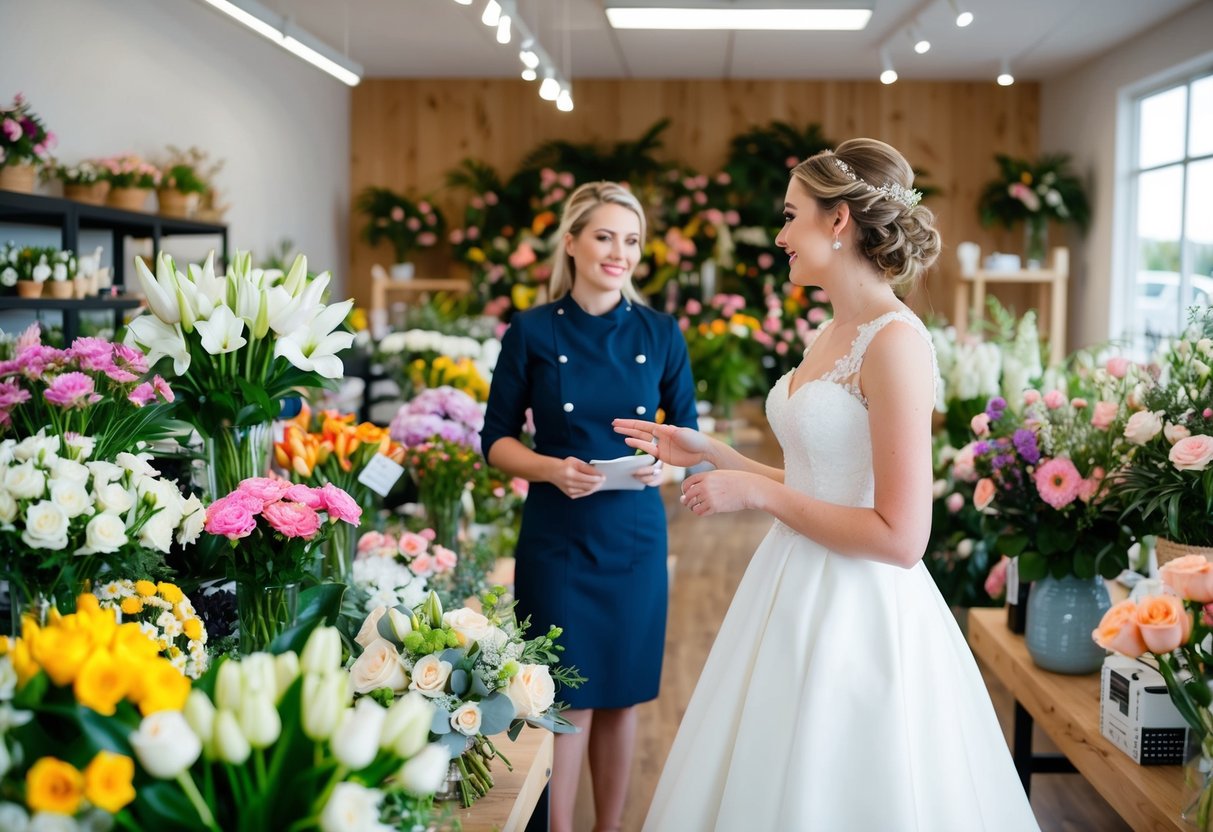
From your bridal bouquet to table centerpieces, every floral detail can influence your overall costs. The average cost of wedding flowers can vary based on the type of flowers, the season, and your personal style.
Understanding the costs will help you make informed choices and prioritize what’s most important for your wedding planning.
As you envision your dream wedding, remember that a little research can go a long way. By focusing on the aspects that matter most to you, you can create stunning floral arrangements without overspending.
Keep reading to learn more about budgeting for your wedding flowers and tips for getting the best value!
Understanding Wedding Flower Costs

When planning your wedding, flowers play a significant role in enhancing the atmosphere. Knowing how to budget and what influences costs can help you make smart choices.
Breakdown of Floral Budget
Your floral budget is typically around 8-10% of your total wedding costs. For a wedding with a budget of $30,000, you should plan to spend between $2,400 and $3,000 on flowers.
Important areas to consider include:
- Bouquets: The bride’s bouquet often takes priority. Expect to spend $150 to $300 for a beautiful arrangement.
- Boutonnieres: These small flowers for the groom and groomsmen usually cost $10 to $30 each.
- Centerpieces: Depending on the style, these can range from $50 to $150 per table.
- Ceremony Flowers: Altar arrangements and decorations might add another $300 to $800.
Engaging with a wedding florist can help tailor your budget to suit your needs.
Factors Influencing Cost
Several factors will influence the overall flower costs. Here are the main ones to keep in mind:
- Location: Prices can vary by region. Urban areas generally have higher costs due to demand.
- Season: Flowers in season are typically less expensive. For instance, peonies are cheaper in spring than in winter.
- Flower Types: Some flowers, like orchids and garden roses, can be quite pricey. Choose more affordable blooms like daisies or wildflowers for savings.
- Arrangement Complexity: Simple arrangements are usually less expensive. Detailed designs with multiple flowers can increase costs.
By understanding these elements, you can create a floral plan that fits both your vision and budget.
Choosing Your Wedding Flowers
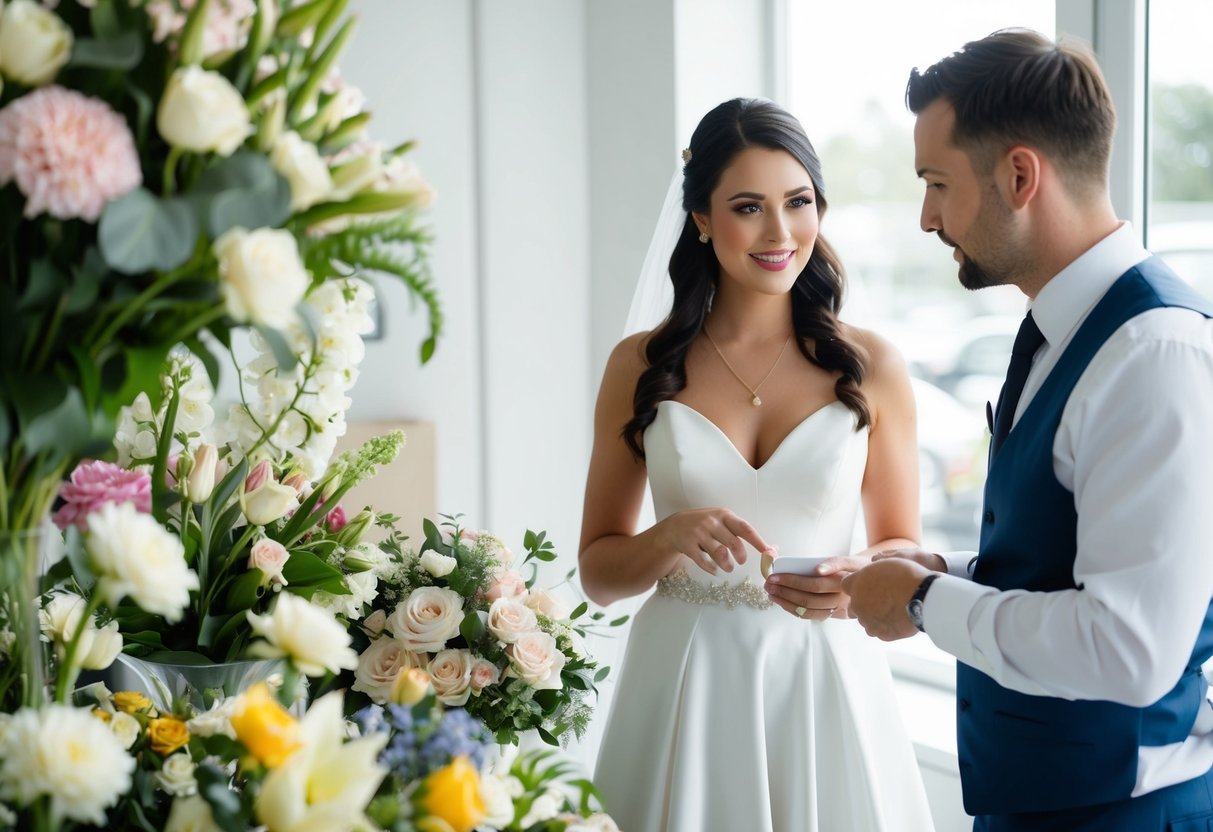
Choosing flowers for your wedding is an exciting part of the planning process. The right floral arrangements can enhance the beauty of your ceremony and reflect your personal style.
You’ll want to consider several factors, such as the types of flowers, seasonal availability, and the overall floral design.
Selecting Floral Arrangements
When picking out your floral arrangements, think about the key pieces you want. This includes bridal bouquets, bridesmaid bouquets, and smaller touches like corsages and boutonnieres.
Your bridal bouquet should reflect your personality and style, while bridesmaid bouquets can complement it.
Consider using greenery alongside flowers for a lush look. Popular flower types like roses, peonies, and orchids can create stunning arrangements.
Remember, it’s often a good idea to discuss your vision with a florist who can show you various designs and combinations.
Seasonal Flowers vs. Year-Round Blooms
Be mindful of the season when selecting your flowers. Seasonal blooms can be fresher and more vibrant. For example, spring offers tulips and daffodils, while summer brings sunflowers and dahlias.
Using in-season flowers not only supports local growers but can also be more affordable.
Year-round flowers, like roses or lilies, are always a safe choice and can fit into any season. Balancing seasonal options with year-round blooms allows you to create unique arrangements.
Discussing your options with a florist can help you decide what fits your theme and budget best.
Floral Details for Your Special Day
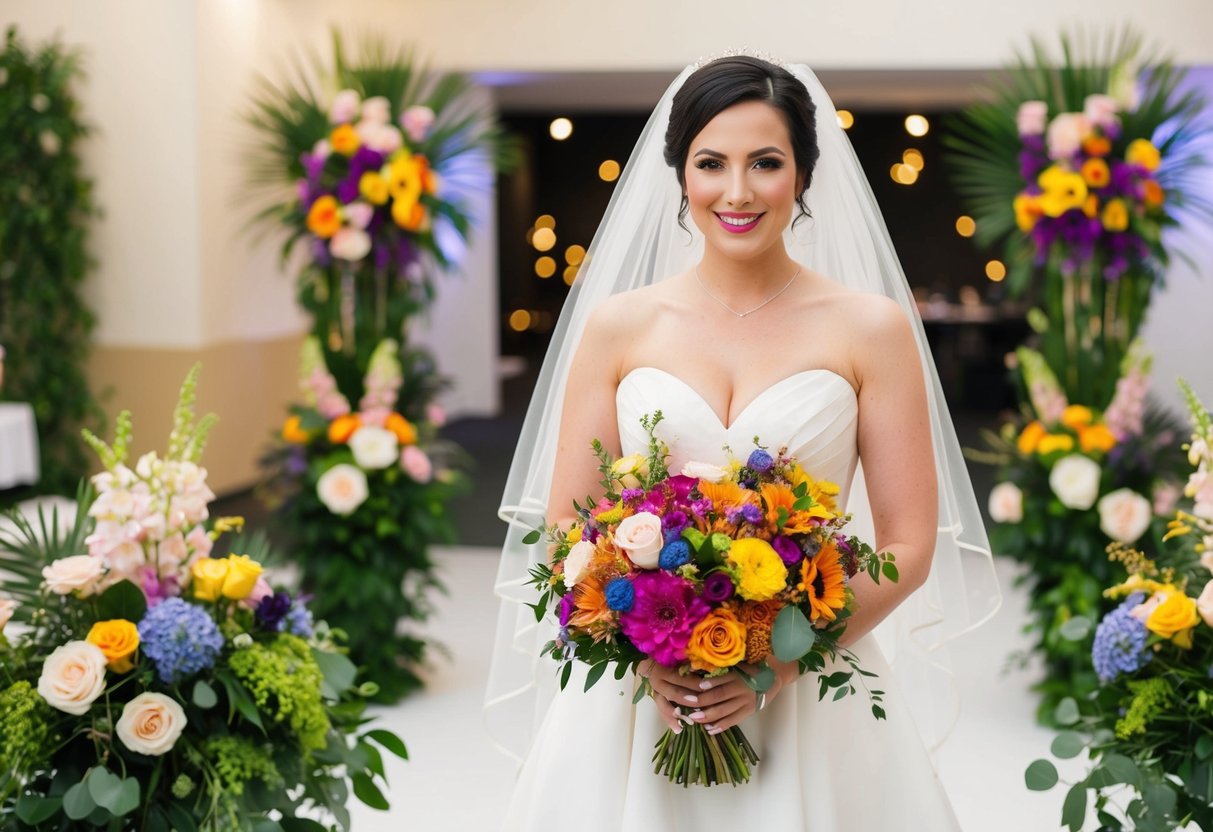
Flowers play a significant role in setting the mood for your wedding. From the ceremony to the reception, the floral arrangements you choose can elevate the entire atmosphere of your special day.
Ceremony and Reception Decor
For the ceremony, think about floral installations that can create stunning focal points. Arches or backdrops adorned with flowers can transform a simple space into something magical.
When it comes to your reception, table centerpieces are essential. You might opt for tall floral centerpieces to add height or low arrangements for a cozy feel.
Consider adding cake flowers that complement your wedding theme. You can choose blooms that match your bridal bouquet or other reception flowers to create a cohesive look across your decor.
Bouquets and Personal Flowers
Your bridal bouquet is a key detail of your wedding day. It is often the most personal element and can reflect your unique style.
Bouquets typically cost between $100 and $200, depending on the flowers selected. Bridesmaid bouquets usually range from $50 to $80 each. Personal flowers like boutonnieres and corsages can add a finishing touch, usually priced between $15 and $40.
Choosing seasonal flowers can often help you save money while ensuring freshness. Don’t forget to factor in the floral details that matter most to you.