
How Much Do Celebrants Get Paid in the UK? Discovering Their Earnings and Fees
When considering a career as a celebrant in the UK, you may wonder about potential earnings. Celebrants typically earn between £200 and £350 for conducting a funeral service. This can vary based on experience and location, but it gives you a clear understanding of the financial potential in this fulfilling role.

Being a successful celebrant means more than just officiating at events; it’s about creating meaningful ceremonies that resonate with families and friends. Many celebrants also perform weddings and naming ceremonies, where the fees can be higher, further increasing overall earnings.
If you’re thinking about stepping into this rewarding profession, understanding how much you can earn is essential. Whether it’s a heartfelt farewell or a joyous celebration, knowing your worth as a celebrant is key to making your mark in this field.
Understanding the Role of a Celebrant
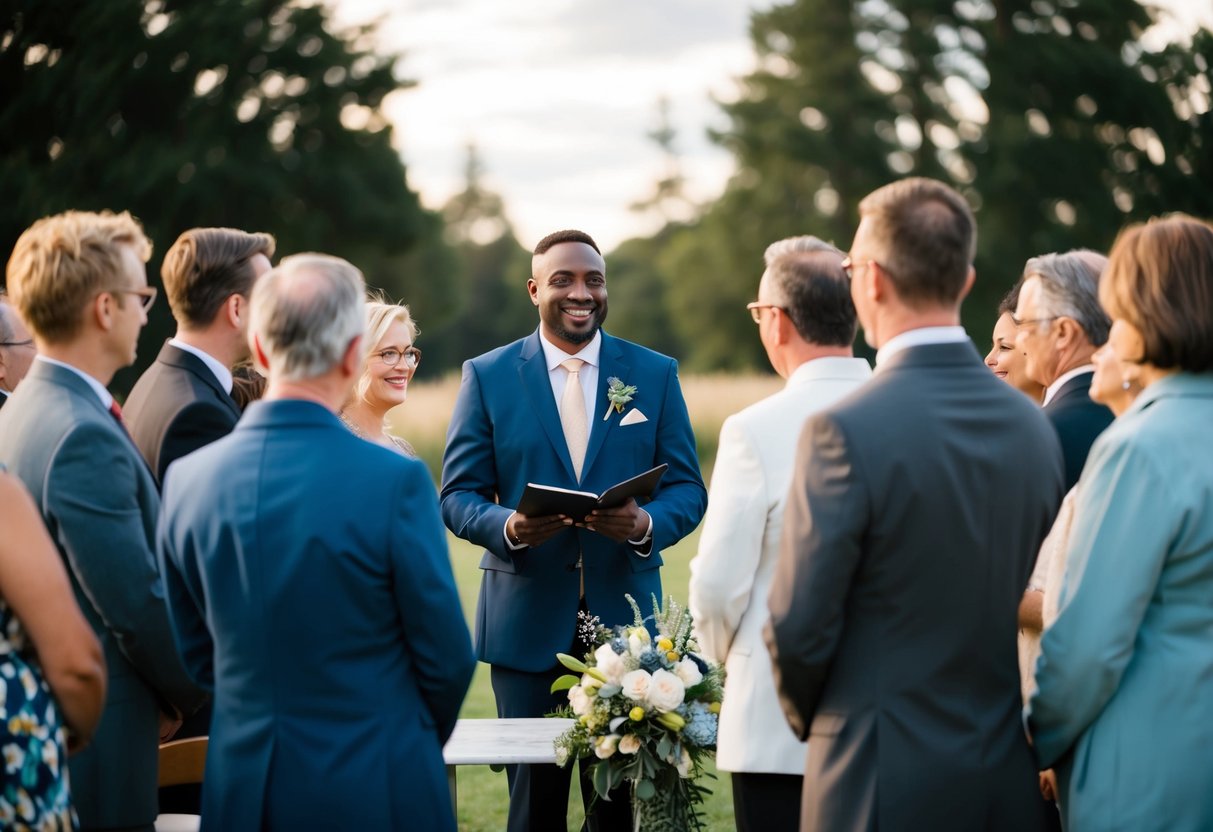
As you explore the role of a celebrant, you’ll find it involves creating and leading various ceremonies. Celebrants can specialize in different areas, such as:
-
Funeral Celebrants: They help families create meaningful ceremonies to honor loved ones. This includes writing eulogies and personalizing the service to reflect the deceased’s life.
-
Wedding Celebrants: Your wedding day is special, and a wedding celebrant works with you to design a unique ceremony. They ensure the vows and rituals align with your vision.
-
Naming Celebrants: This type of celebrant focuses on welcoming a new child into the family with a personalized ceremony. It often involves family and friends, making it a memorable event.
-
Family Celebrants: These celebrants might perform various ceremonies, such as anniversary celebrations or commitment ceremonies.
-
Civil Celebrants: They offer public speaking skills to lead various legal and non-religious ceremonies, making the process smooth and special.
Each type of celebrant aims to create ceremonies that are not just events but also significant moments in your life. With a focus on personalization, celebrants work to ensure that every detail reflects your values and beliefs, creating a lasting memory for you and your guests.
Getting Started as a Celebrant

Becoming a celebrant is an exciting journey that allows you to lead meaningful ceremonies. To succeed, you’ll need the right training and a solid plan to build your business. Here are some important steps to get you started.
Training and Certification
To begin your journey, seek celebrant training that meets your needs. Many options are available, including online celebrant training courses. These typically cover the basics of ceremony structure, writing scripts, and public speaking skills.
Consider programs that provide recognized certification. Completing a course can take several weeks or months, depending on the format. Look for established organizations that offer comprehensive training and support.
Once certified, you can join professional associations. This not only boosts your credibility but also connects you with other celebrants. Remember, training is an ongoing process, so seek opportunities for continued education.
Building Your Celebrant Business
Creating a successful celebrant business requires thoughtful planning. Start by defining your target audience: do you want to focus on weddings, funerals, or other ceremonies?
Next, prepare your marketing materials. This may include a professional website, business cards, and social media profiles. Invest time in content marketing to showcase your expertise. Share tips, stories, and insights related to celebrancy to engage potential clients.
Networking is crucial. Connect with local businesses and join community events. Remember, community over competition is key. Collaborating with other celebrants can lead to referrals and shared resources. With the right approach, your celebrant business can thrive.
Earnings and Fees
Understanding what celebrants earn is important if you’re considering this career. Fees can vary based on the type of ceremony, location, and your level of experience.
Wedding Celebrant Fees
As a wedding celebrant, your earnings can vary widely. On average, you might charge between £400 and £1,000 for a wedding ceremony. Major cities like London often see fees on the higher end of this range.
Your rates may also depend on your experience and the uniqueness of the ceremony. Couples generally prefer celebrants with good reviews and a personal touch, which can boost your salary.
To succeed, you might focus on marketing yourself effectively. Consider offering additional services like custom ceremonies or planning support to make your offerings more attractive. A sustainable income often comes from building a strong portfolio and network.
Funeral Celebrancy Compensation
When working as a funeral celebrant, the average fee is around £250 to £350 per service. In some areas, especially in the South East, fees can rise to £500 or more.
The compensation can vary based on your location and the specific services requested. Be aware that families may seek additional options such as eulogy writing, which can affect your overall earnings.
It’s important to recognize that many funeral celebrants work part-time or alongside other roles. This can help create a balanced income while navigating the emotional demands of the job. Earning a full-time wage as a celebrant may take time and dedication, so consider how this fits your long-term goals.
Legal and Ethical Considerations
As a celebrant in the UK, you must understand the legal and ethical guidelines that govern your work.
Registration and Qualifications
Make sure to properly register to conduct ceremonies. This could include weddings, naming ceremonies, or funerals. Check local laws to ensure you meet all requirements.
Assisted Dying Laws
If you are involved in ceremonies related to assisted dying, be aware of sensitive legal issues. The laws can vary by region, so always stay updated on the current legal standards related to this topic.
Confidentiality and Respect
When working with families, you must maintain confidentiality and respect. Also, respect the wishes of the deceased and their loved ones. They may have personal beliefs that shape the service.
Cultural Sensitivity
Understanding different cultural practices is vital. Make sure to honor the traditions and beliefs of the families you serve. This shows respect and care.
Professional Conduct
You should also maintain professionalism. Be clear about your fees and services. Also, avoid any potential conflicts of interest to keep trust with families.