
How Much Do Couples Spend on Their Wedding? A Look at Average Costs and Trends
Weddings can be one of the most exciting events in your life, but they can also come with a hefty price tag. Couples in the U.S. spend around $30,000 to $33,000 on their weddings, on average. This figure can vary greatly depending on factors like the number of guests, the location, and the choice of vendors.
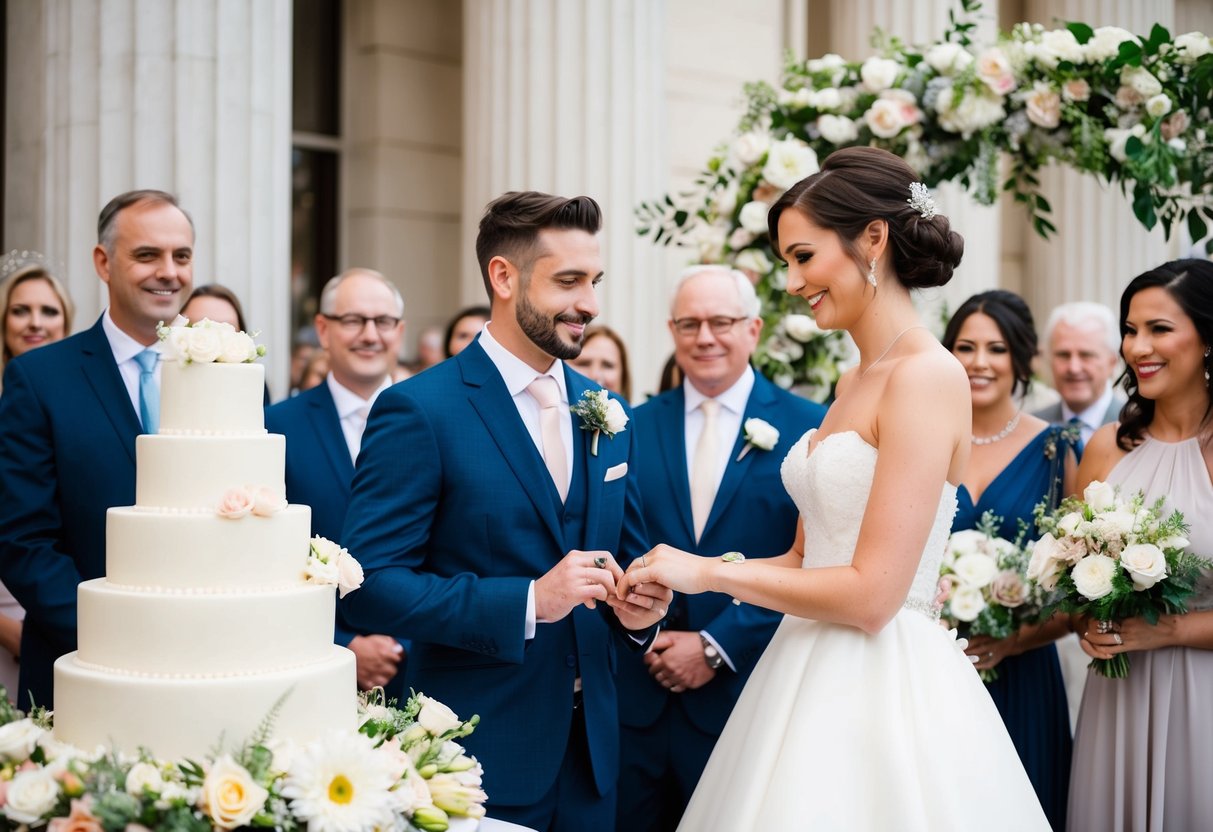
If you’re planning a wedding, it’s important to know what to expect in terms of costs. Many couples find themselves spending less than $10,000, while others might splurge on a more extravagant celebration. Understanding these spending trends can help you create a budget that works for you.
As you dive into the details, you’ll see how choices, priorities, and even the time of year can affect your wedding budget. You’ll discover insights that can help you plan a beautiful day without breaking the bank.
Understanding the Basics of Wedding Costs
Planning your wedding involves understanding the costs involved. From the average expenses to budget breakdowns, knowing these details can help you manage your finances effectively. The costs can vary greatly by location and personal choices.
The Average Cost of a Wedding
The average cost of a wedding in the U.S. can be quite surprising. Recent studies show that most couples spend around $30,000 for their special day. This figure includes numerous expenses like the venue, catering, attire, and decor.
Different states can show significant price differences. For instance, weddings in states like New York or California may exceed $40,000, while other states like Kansas might average closer to $20,000. Knowing the average wedding cost by state can help you set a realistic budget.
Wedding Budget Breakdown
Creating a wedding budget breakdown is key to managing your spending. Here’s a simple way to look at it:
- Venue and Catering: 40%
- Photography and Videography: 15%
- Attire (Dress and Suits): 10%
- Decor and Flowers: 10%
- Music and Entertainment: 10%
- Miscellaneous (Invitations, Favors, etc.): 5%
These percentages can help you understand where your money will go. Each wedding is unique, so adjust these categories to fit your needs. Focus on what’s most important to you to make sure you stay within your budget.
The Impact of Location on Wedding Cost
Location plays a huge role in determining wedding costs. Urban areas generally have higher expenses due to demand and venue pricing.
For example, metropolitan cities often charge more for venues and vendor services. In contrast, more rural locations can offer affordable options.
You should also consider travel costs for guests if you choose a remote location. Additionally, check local regulations and seasonal prices, as they can affect venue availability and pricing. Understanding these factors will help you choose the best location for your wedding without breaking the bank.
Key Wedding Expenses to Consider
Planning your wedding involves several key expenses that can significantly impact your budget. Understanding these costs will help you make informed decisions about where to allocate your funds.
Venue Costs and Considerations
Choosing the right venue is one of the biggest decisions you’ll make. The cost of a wedding venue can vary widely. You might pay anywhere from $2,000 to $20,000 depending on the location, date, and facilities.
When considering venue costs, ask about additional fees like security, cleaning, or insurance. These can add up quickly.
It’s smart to visit venues in person. This way, you can imagine your guests enjoying the space.
Remember to check the maximum guest count too. Some venues are magical, but if they can’t accommodate everyone you want to invite, it’s not the best fit.
Catering, Cakes, and Cuisine
Food is another major expense you should plan for. Couples spend around 20-30% of their budget on catering services. Depending on the menu, this can range from $30 to $200 per guest.
Think about whether you want a buffet, plated meals, or even food trucks. Each option has its costs and offers different experiences.
Don’t forget about drinks! Open bars can add significantly to your budget.
Also, consider the wedding cake. A custom cake can cost between $300 and $1,200. Make sure to taste several options to find the perfect flavor for your big day.
Photography and Videography Essentials
Capturing your wedding day is crucial. Professional photography and videography can cost between $1,500 and $4,000. This depends on the experience and hours of coverage.
When choosing a photographer, look at their portfolio to ensure their style matches your vision. Discuss details like the number of edited photos and whether you can keep the rights to prints.
For videography, ask about the type of videos they create. Highlights, full-length films, or both? Knowing this helps manage expectations and costs.
Music and Entertainment
Music sets the mood for your entire celebration. Hiring a DJ typically costs between $800 and $2,500, while a live band can start around $2,500 and go much higher.
Consider what type of vibe you want for your wedding. A DJ often offers a broader range of music. On the other hand, a live band can create a unique atmosphere.
Make sure to ask about the band’s experience with weddings. This can affect how well they engage your guests.
Attire and Rings
The cost of your attire is another important factor. The average wedding dress cost can range from $1,000 to $3,000 or more. Remember to budget for alterations as well, which can add another $100 to $500.
Don’t overlook the groom’s suit or tuxedo either. This can also range from $200 to $2,000, depending on style and tailoring.
Finally, rings are a significant purchase. The average cost for wedding rings can be about $1,000 to $5,000. Set aside funds for this as it’s often a lasting symbol of your commitment.
Planning and Additional Services
When planning your wedding, additional services like hiring a wedding planner, selecting invitations, and organizing transportation can make a big difference. These elements help streamline the process and create a memorable experience for you and your guests.
The Role of a Wedding Planner
A wedding planner can be your best friend during the planning process. They have the experience to help you stay organized and on track.
Your planner will work with you to set a budget, manage timelines, and handle vendor communication. They can also provide valuable insights on local vendors for flowers, catering, and venues. This way, you can choose the best options that fit your style and budget.
By having a planner, you can reduce stress and focus on enjoying your engagement, knowing that everything is in capable hands.
Invitations and Decor
Wedding invitations set the tone for your event, so it’s important to pay attention to detail here. You might choose from classic paper invitations or modern digital designs. Consider including a wedding website link for easy access to details about the day.
Decor is another vital aspect. Think about lighting, floral arrangements, and table decor. This can greatly enhance the venue’s atmosphere.
Couples often spend 8% to 10% of their wedding budget on flowers alone, including bouquets and centerpieces.
Selecting a cohesive theme and color palette brings everything together beautifully and creates a lasting impression on your guests.
Transportation and Accommodation
Transportation should not be overlooked. You’ll want to arrange reliable options for your guests, especially if your ceremony and reception are at different locations. This might mean hiring a shuttle service or providing options like ride-sharing apps.
Accommodations for out-of-town guests are also important. Consider blocking rooms at a hotel to ensure they have a comfortable place to stay. This can also provide a discount for your guests.
By planning these services well, you create a seamless experience for everyone attending your wedding.
Financing Your Wedding
Planning your wedding budget can feel overwhelming, but understanding your financing options can make it easier. From smart budgeting strategies to the use of loans and credit cards, there are many ways to manage costs effectively.
Budgeting and Saving Strategies
Start by determining your overall budget. The average wedding costs around $28,000, but this can vary widely based on your preferences and location.
Begin by breaking down expenses into key categories like the venue, catering, and photography. Use a wedding budget tool to help you stay organized. This tool can help you track your spending and adjust as needed.
Prioritize your must-haves and look for ways to save. For instance, consider a weekday wedding or a smaller guest list to cut costs.
Every little bit helps. Set up a dedicated savings account just for wedding expenses. Consider automating your savings to make sure you’re putting money aside regularly. You might also explore options like crowd-funding for guests to contribute as part of a gift registry.
Using Loans and Credit Cards
If your wedding costs exceed your savings, loans and credit cards can help fill the gap. Many couples utilize wedding loans, allowing them to borrow between $5,000 and $100,000. This option can work well for substantial expenses like venues or caterers.
Credit cards are another option, but be cautious. About 41% of couples put wedding costs on credit cards, often leading to high interest rates.
If you go this route, consider cards with rewards or cash back offers. Pay close attention to your credit limit to avoid overspending, and aim to pay off the balance quickly to minimize interest costs.
Wedding Insurance Options
Wedding insurance can provide peace of mind for your big day. This insurance helps cover unexpected issues, such as venue cancellations or vendor failures. It typically costs between $100 and $500, depending on the coverage.
There are two main types of wedding insurance: liability and cancellation. Liability insurance protects you against damages or injuries during the event. Meanwhile, cancellation insurance covers costs if you need to postpone or cancel the wedding for valid reasons.
Check with your venue and vendors as they may have specific insurance requirements. Investing in wedding insurance can save you from significant financial loss, allowing you to focus on enjoying your celebration.