
How Much Do Groom’s Parents Contribute to Wedding? Understanding Their Role and Responsibilities
Planning a wedding involves many decisions, especially when it comes to finances. You might wonder how much the groom’s parents typically contribute to wedding expenses. On average, the groom’s parents cover about 13% of the total costs. This can vary based on family traditions and circumstances. Understanding these traditional financial responsibilities can help ease discussions about budgeting and expectations.

The specific contributions often include costs like the rehearsal dinner, suits for the groom and groomsmen, and sometimes even wedding rings. It’s important to know who pays for what so you can better plan and allocate your budget. The groom’s parents can play a vital role, but many couples today are sharing the financial responsibilities more equally.
By recognizing these roles and discussing them openly, you can foster a smoother planning process and ensure everyone is on the same page. This approach can help reduce stress and make the journey to your big day more enjoyable.
The Role of Groom’s Parents
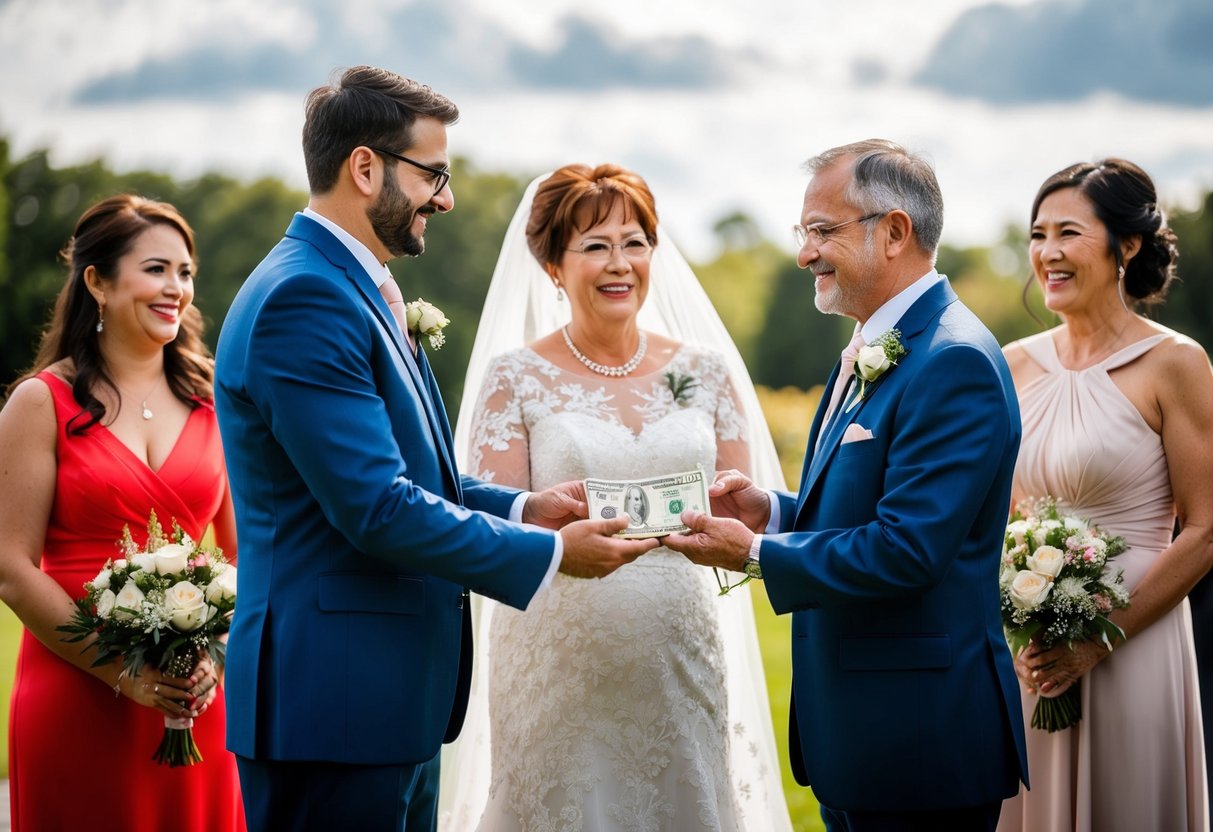
The groom’s parents play a key role in wedding planning and financing. Their contributions can vary based on traditional expectations and modern trends, making it important to understand their responsibilities and obligations.
Understanding Traditional Responsibilities
Traditionally, the groom’s parents had specific duties during the wedding. They often hosted the rehearsal dinner, which serves as a chance for the families and friends to bond before the big day. They also typically pay for certain wedding-related expenses.
Some expenses might include the marriage license, fees for the officiant, and some attire costs for the groom and groomsmen. This includes the groom’s suit and possibly some accessories. Understanding these traditional roles can help you navigate conversations about contributions with your parents.
Modern Approaches to Wedding Contributions
In recent years, the roles of the groom’s parents have shifted. While they still take care of some expenses, the percentages can vary. Currently, the groom’s family contributes around 13% to 24% of the total wedding costs, depending on financial situations and family traditions.
Many couples are also taking on more costs themselves. This means that the conflict over who pays for what is less significant today. Discussing all financial matters early can help set clear expectations.
The Groom’s Family’s Financial Obligations
Your family’s financial obligation during the wedding can be significant. On average, the groom’s parents contribute around $7,000 toward the wedding total. This amount may include costs for the rehearsal dinner, some decor, or even gifts for the wedding party.
As you plan, it’s essential to have open dialogues with your parents about what they are comfortable contributing. This helps in blending family traditions with modern expectations, ensuring everyone feels included in the planning process.
Typical Wedding Costs and Contributions

When planning a wedding, understanding where costs come from is essential. You need to know who typically pays for what, especially concerning the groom’s parents and other family contributions.
Breakdown of Wedding Expenses
Wedding costs can add up quickly, so it’s important to have a clear budget. The average wedding expenses hover around $30,000. This includes:
- Venue: Often the largest expense, typically ranging from $3,000 to $10,000.
- Catering: Costs about $70 to $100 per person.
- Attire: Includes wedding dress and suit rentals, averaging $1,500 to $4,000 combined.
- Photography and Videography: Usually between $2,000 to $5,000.
- Flowers and Decorations: Often costs about $2,000 to $5,000.
The groom’s parents traditionally cover specific costs, like the rehearsal dinner and sometimes the honeymoon, contributing around 13% to 24% of total expenses.
Rehearsal Dinner Specifics
The rehearsal dinner is an important pre-wedding event, typically hosted by the groom’s parents. This meal allows family and friends to gather before the big day.
Typically, the rehearsal dinner budget includes:
- Venue: Average cost is $1,000 to $3,000.
- Food: Often served buffet-style, costing about $30 to $70 per person.
- Drinks: You can budget around $15 to $30 per person for alcohol.
This dinner is a chance to create lasting memories before the wedding day. It sets a relaxed tone and builds excitement for the celebration ahead.
Attire and Rings
The groom’s parents may help with the cost of attire and wedding rings. This includes:
- Wedding Rings: The average cost for engagement and wedding rings can range from $1,000 to $5,000.
- Suit: The groom typically spends about $300 to $800 on his suit.
- Bridesmaid and Groomsmen Attire: Costs about $150 to $300 per person.
These contributions can lessen the financial burden on the couple and ensure everyone looks their best.
Wedding Day Specifics
On the actual wedding day, many costs need to be covered. You may find expenses for:
- Reception Venue: Can cost $3,000 to $10,000 depending on location and amenities.
- Catering and Bar: Expect to budget about $50 to $150 per guest for food and drinks.
- Entertainment: Hiring a DJ or band may cost between $1,000 to $3,500.
The groom’s family often helps with these costs, especially for elements like reception alcohol, which can significantly impact the overall budget.
Gifts and Celebrations

The contributions of the groom’s parents can extend beyond financial support. They often play a role in various celebrations leading up to the wedding day, from the engagement party to selecting presents for the couple. Here’s how they can participate meaningfully in these special moments.
Hosting the Engagement Party
The engagement party is a wonderful way for families and friends to celebrate the couple’s new commitment. Traditionally, the groom’s parents may help host this event. This can include planning the venue, arranging the food, or sending out invitations.
In some cases, they might cover costs entirely or share expenses with the bride’s family. It’s important to create a warm atmosphere where guests can mingle and share their excitement. To make it memorable, consider fun themes or unique venues. Fresh flowers and personal touches can elevate the gathering.
Wedding Gifts Etiquette
When it comes to wedding gifts, there are certain expectations. If the groom’s parents choose to give a gift, they can opt for a monetary contribution or a special item for the couple. A popular choice is to contribute to the wedding registry. This helps the couple select items they truly need.
It’s also thoughtful to send a thank-you note after the wedding. This gesture shows appreciation for the couple’s invitation and acknowledging their special day. Gifts can range from household items to cash that supports the couple’s future together.
Additional Celebratory Events
Apart from the engagement party, there are other celebrations where the groom’s parents can contribute. For instance, hosting a bridal shower can be a delightful way to honor the bride. They can also help plan the welcome party for out-of-town guests, creating a friendly atmosphere.
Each event allows the couple to connect with loved ones in a relaxed setting. Adding personal touches and inviting significant people in the couple’s lives will make these gatherings extra special. By participating in these celebrations, the groom’s parents can show their support and strengthen family bonds.
Finalizing the Contribution

When it comes to planning a wedding, it’s important to clarify how much the groom’s parents will contribute. This involves having open conversations with your child about the budget, discussing any potential contributions to the honeymoon, and navigating various financial situations.
Discussing the Budget with Your Child
Start by having a candid discussion with your child about the wedding budget. Talk about their vision and what they hope for on their special day. Understanding their expectations will help you determine where you can provide financial support.
You’ll want to outline costs such as the venue, catering, attire, and more. Create a simple table to break down expenses:
| Expense | Estimated Cost |
|---|---|
| Venue | $X,XXX |
| Catering | $X,XXX |
| Decorations | $X,XXX |
| Attire | $X,XXX |
This can help you visualize how much you may want to contribute. Remember, clear communication is key to managing finances without any surprises.
Contributing to the Honeymoon
Many groom’s parents like to contribute to the honeymoon as a special gift. This can be a memorable way to help the couple start their new journey together. Discuss with your child whether this is something they would appreciate.
Consider offering to cover specific costs like flights, hotels, or activities. You might suggest a financial contribution based on your budget. For example, if airlines are offering great deals, contributing to their tickets could be a generous option.
Always check if the couple has a honeymoon fund registered. This allows you to support their trip effectively and with ease.
Navigating Financial Situations
Every family has a unique financial situation, and it’s important to approach this topic with understanding. If finances are tight, communicate this openly.
Discuss what is feasible for you and look for creative solutions that won’t stretch your budget too far.
For instance, if you can’t contribute as much as you’d like, think of other ways to help. You might volunteer to take care of decorations or assist in planning.
This way, you become an integral part of the wedding without overstepping your financial limits.
Remember, your role as the mother of the groom can be supportive, providing both emotional and financial assistance as much as you can.