
How Much Do Makeup Artists Charge in the UK? A Guide to Prices and Services
As you consider hiring a makeup artist in the UK, it’s important to know what to expect in terms of pricing. New freelance makeup artists typically charge between £80 and £100 per day. Meanwhile, experienced professionals can command £200 to £300 per day. The costs can vary depending on the artist’s experience, location, and the type of services you require.
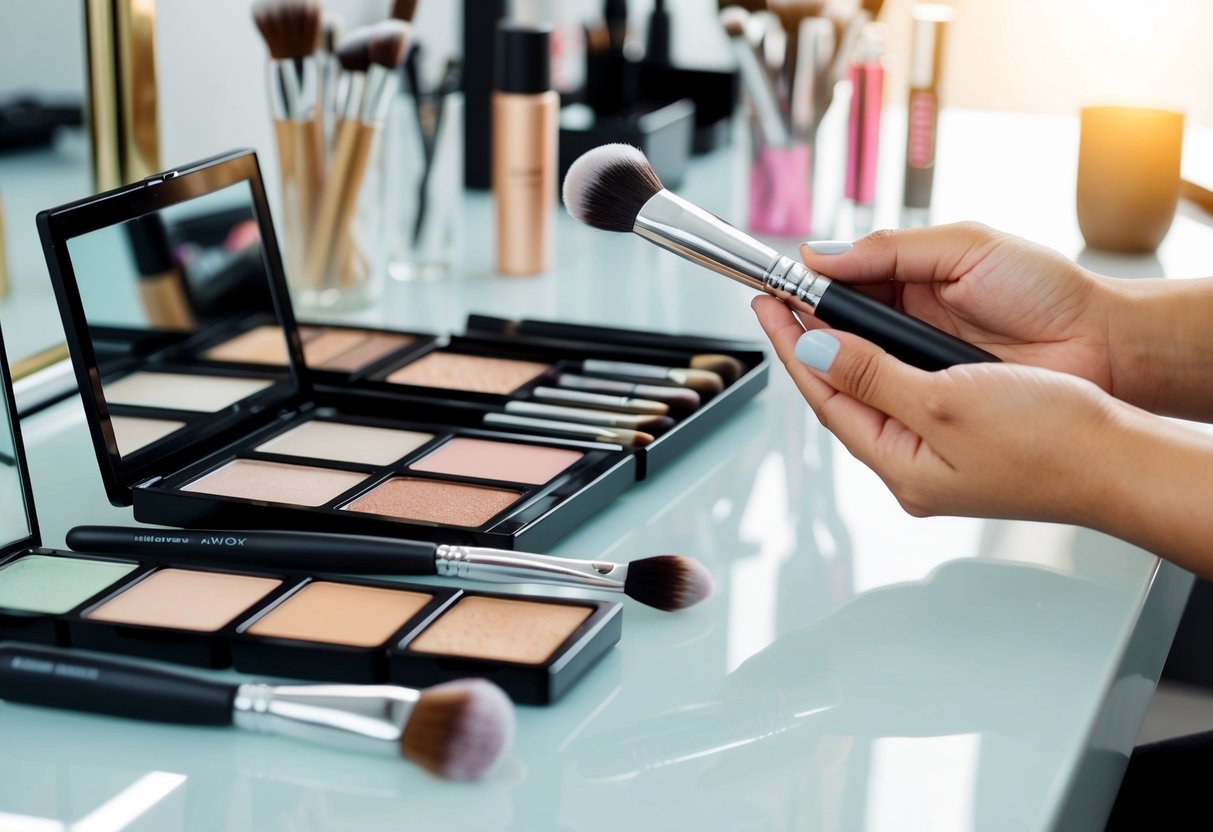
Many makeup artists also work as freelancers, which means their fees may depend on their background, skills, and the demand for their services. Understanding these factors can help you find the right artist for your needs and budget.
Whether it’s for a wedding, special event, or just a makeup tutorial, knowing what to expect can make the process smoother. You can enjoy great results without overspending if you make informed choices about your makeup artist in the UK.
Understanding Makeup Artist Services in the UK
Makeup artists in the UK offer a range of services tailored to different needs. Whether you’re preparing for a wedding, a special event, or a photo shoot, knowing the type of makeup artist you need can help you make the right choice. Here are some key types of makeup artists and their services.
Celebrity Makeup Artist
Celebrity makeup artists specialize in working with high-profile clients, including actors, musicians, and public figures. They often prepare clients for events such as film premieres, award shows, or photo shoots.
These professionals must stay updated on the latest beauty trends and techniques. Many, like Lisa Eldridge, have built a strong reputation through social media and video tutorials.
Expect to pay premium rates for their services, reflecting their experience and the demand for their skills.
Fashion Makeup Artist
Fashion makeup artists focus on creating looks for runway shows, photo shoots, and fashion editorials. They work closely with designers and photographers to achieve specific aesthetics and concepts.
Their work requires creativity and a strong understanding of color theory and skin tones. They often use a variety of techniques, ranging from everyday looks to avant-garde styles.
Rates vary widely, but many fashion artists charge by the hour or project.
Bridal Makeup
Bridal makeup artists specialize in preparing brides for their big day. They understand the importance of creating a look that reflects the bride’s style while also ensuring longevity throughout the event.
These artists often provide trials to help you find the perfect look before the wedding day. They should be attentive to detail, as the goal is to enhance your natural beauty without overpowering it.
Pricing can range from £150 to £500, depending on experience, location, and included services.
Special Effects Makeup Artist
Special effects makeup artists create dramatic looks for film, TV, and theater. They use advanced techniques to create wounds, aging effects, and other transformations.
This type of makeup requires specialized skills and a strong understanding of materials like latex and face paint. Often, these artists work in collaboration with directors to achieve the desired effect.
Rates can vary, often starting around £200 for smaller projects and increasing based on complexity and duration.
Retail and Counter Makeup Artist
Retail makeup artists work in stores and counters, helping customers choose products and providing makeup applications. They often work for brands like MAC or Estée Lauder, demonstrating their products to clients.
In these roles, they provide personal consultations, teaching customers how to apply makeup effectively. They usually receive a base salary plus commissions based on sales.
Hourly pay for these artists typically starts around £12, with opportunities for additional earnings through sales bonuses.
Factors Influencing Makeup Artist Rates
When considering what makeup artists charge, you will find various factors at play. These include their level of experience and education, whether they work freelance or in a salon, and their location as well as the type of service they provide. Understanding these aspects can help you navigate pricing more effectively.
Level of Experience and Education
The experience and education of a makeup artist greatly influence their rates. A freelance makeup artist with advanced training or a degree in makeup artistry can command higher fees due to their expertise.
As they gain experience, their portfolio expands, showcasing their skills. This can lead to a more robust clientele and premium rates. Newer artists typically start at lower hourly pay, which may be more budget-friendly but could lack the specialized skills.
Freelancer Versus Salon Employment
Makeup artists working as freelancers often have different pricing structures compared to those employed in salons. Freelancers can set their rates based on demand, competition, and the services they offer.
They may charge clients directly and keep all the earnings, but they also handle their own expenses. On the other hand, salon employees may have a fixed salary or commission-based pay, which can affect how they price services. Working in a salon often means set prices compared to the flexibility that freelancers enjoy.
Location and Type of Service
Location is another key factor influencing makeup artist rates. For instance, artists in large cities like London usually charge more due to higher demand and living costs.
The type of service also matters. Services for special events, like weddings or fashion shows, typically come at a premium due to their complexity and the time involved. Additionally, last-minute bookings may incur extra charges. Knowing the market rates in your area will help you choose the right artist for your needs.
Building a Career in Makeup Artistry
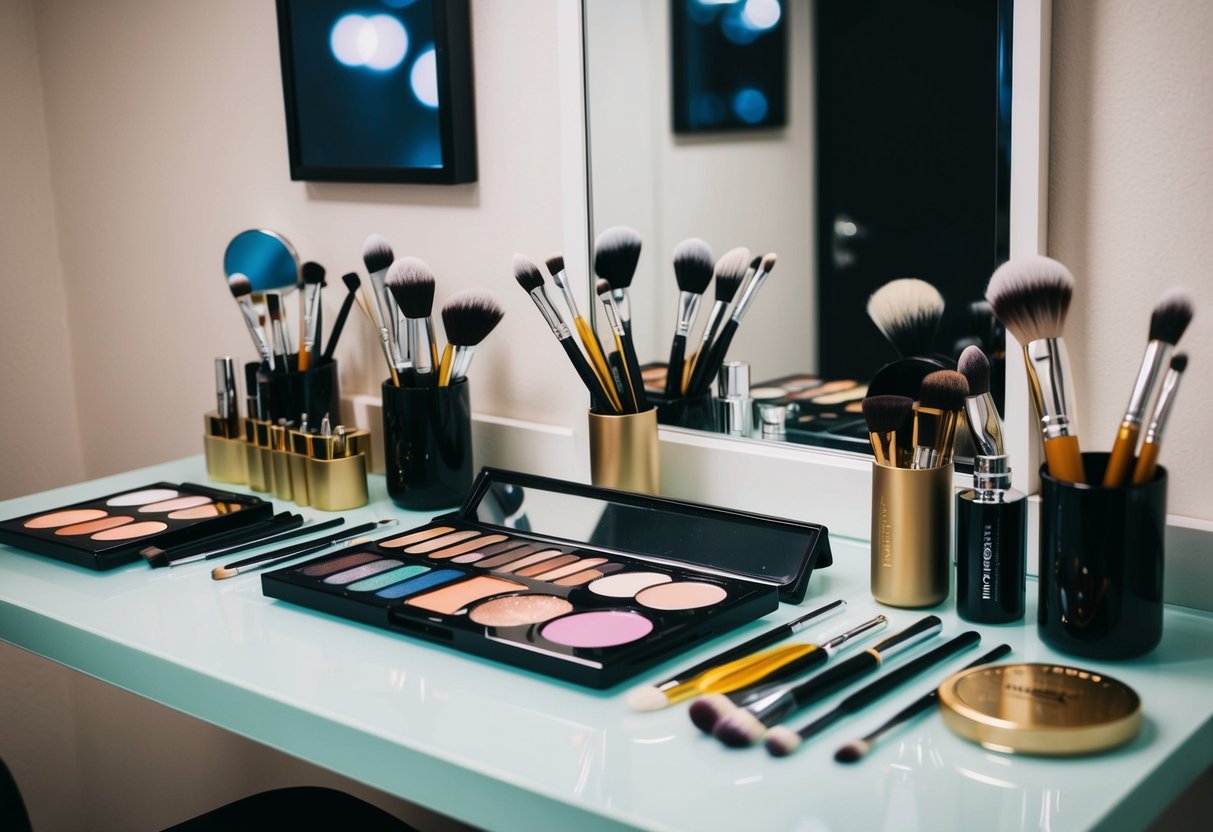
Starting a career in makeup artistry involves finding jobs, showcasing your work, and connecting with others in the industry. Each of these steps is important to grow your skills and gain experience.
Securing Makeup Artist Jobs
To get your foot in the door, search for entry-level makeup artist jobs in salons, spas, and retail locations. These positions often provide valuable hands-on experience.
Networking is crucial, too. Attend beauty events and connect with other professionals. Consider looking for freelance gigs where you can build your resume and earn extra income. Websites like Indeed and LinkedIn can be helpful for job hunting as well.
Setting up alerts for new job postings can keep you informed about openings that fit your skills. Don’t hesitate to reach out to potential employers directly.
Building a Portfolio on Instagram
Instagram is a great tool for showcasing your skills and attracting clients. Start by posting high-quality images of your makeup looks. Use natural light and diverse angles to highlight your work.
Engage with followers by responding to comments and messages. Using relevant hashtags can help new clients find you, such as #MakeupArtistUK or #FreelanceMakeup.
Consider collaborating with photographers or models to create unique content. This can enrich your portfolio and increase your visibility on the platform. Regularly update your feed with fresh looks to keep your audience interested.
Joining Freelancer Clubs
Freelancer clubs offer valuable resources that can help you navigate the makeup industry. These clubs often provide job boards, networking opportunities, and workshops to develop your skills.
Search for local makeup artist clubs or online communities. Being part of these groups can help you connect with other artists and potential clients.
Look for groups that focus on your area of interest, like wedding makeup or special effects. This specialization can make you more appealing to certain clients.
Engage regularly in these clubs for maximum benefit.