
How Much Does a Celebrant Get Paid? Understanding Compensation for Ceremonial Services
Many people wonder about the income of those who lead important ceremonies like weddings and funerals. On average, a celebrant in the UK makes around £190 per ceremony, while in the US, the annual income can reach about $53,214. The amount a celebrant charges can depend on various factors, such as their experience, the type of ceremony, and regional demand.
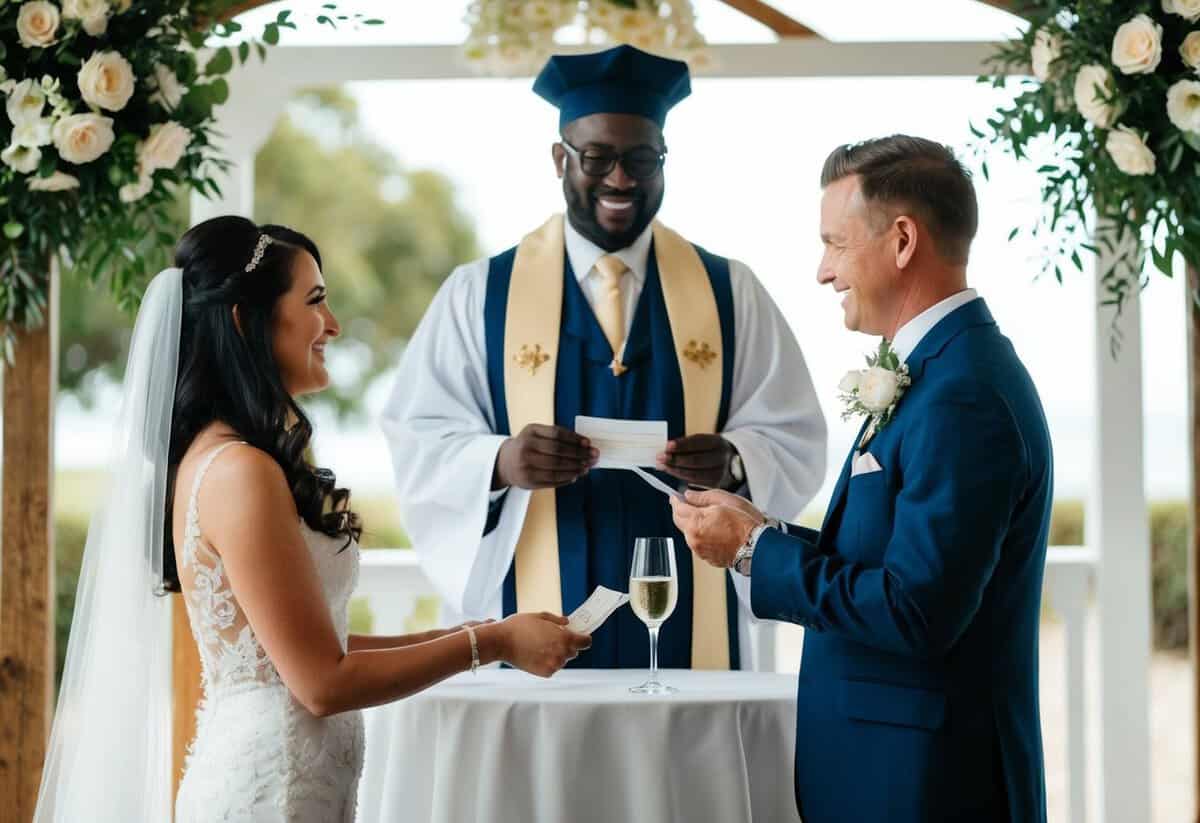
Wedding celebrants might charge between $250 and $1,000 per ceremony, while funeral celebrants often work at a lower rate, around $200 to $500 per service.
If you consider a celebrant’s workload, someone performing just one wedding a week can earn a solid income, especially when adding in other types of ceremonies throughout the year.
Understanding these numbers can help you make informed decisions whether you’re hiring a celebrant for a special event or considering a career in this rewarding field. The role is not just about officiating; it’s about creating meaningful experiences that people will cherish for a lifetime.
Understanding Celebrant Fees and Income
Celebrants have varied income levels based on the types of services they provide. Knowing how fees are determined and what can influence your earnings is essential if you’re considering this career path.
Determining Celebrant Costs
Celebrant fees can vary widely depending on several factors. Typically, a wedding officiant charges between $400 and $1,500 for a ceremony. The complexity of the event, the celebrant’s experience, and geographical location can affect costs.
For example, a basic wedding might have a lower fee than a large, elaborate ceremony.
Funerals are another area where celebrants often work, with fees typically ranging from $200 to $500. Some celebrants may focus exclusively on weddings, while others offer services for funerals and other events. Pricing can also include travel costs if the ceremony location is far from the celebrant’s base.
Average Earnings for Different Types of Celebrants
Your earnings as a celebrant will differ based on the ceremonies you perform.
A full-time celebrant conducting one wedding per week for 40 weeks can earn around $32,000 annually, assuming a fee of $800 per wedding. If you include funeral services at an average of $250 each, that total could rise significantly.
Marriage celebrants typically earn more during peak wedding seasons, especially in popular locations. You might also find that offering additional services, such as premarital counseling, can enhance your earnings. The key is to build a broad client base and offer a variety of ceremony types.
Factors Influencing Celebrant Income
Several factors can play a critical role in shaping your income as a celebrant. Geographical location is significant; celebrants in urban areas may charge more due to higher demand.
Your client base also matters. Building strong relationships with clients through positive experiences can lead to referrals.
Additionally, your training and credentials can influence your fees. More experienced celebrants or those with specialized training might charge higher rates.
Other considerations include your market strategy and how you promote your services. Online presence through social media and wedding websites can help increase visibility and attract clients, ultimately boosting your earning potential.
Building a Celebrant Career
Creating a successful career as a celebrant involves a mix of training, skills, and personal attributes. It’s important to focus on the formal qualifications needed, how to grow your business effectively, and the characteristics that lead to success in this field.
Necessary Training and Qualifications
To become a celebrant, formal training is crucial. Many countries require you to complete a recognized program, such as a Certificate IV in Celebrancy. This qualification covers essential areas like legal requirements, types of ceremonies, and effective communication skills.
Besides initial training, ongoing professional development is important. Attend workshops and refresher courses to stay updated on trends and regulations in the celebrant industry. This commitment not only enhances your skills but also builds your credibility, helping you stand out from other celebrants.
Growing a Successful Celebrant Business
Once trained, focus on building your celebrant business.
Start by creating a professional business website. This site should showcase your services, testimonials, and contact information. It acts as a hub for potential clients to learn about you.
Effective advertising is also vital. Use social media platforms to reach a broader audience and connect with your community. Networking with local businesses and participating in community events can also increase your visibility.
Don’t forget customer service. Building strong relationships with clients is key. Listen to their needs, provide guidance, and ensure they feel valued throughout the planning process.
Personal Attributes for Successful Celebrants
Certain personal attributes can significantly impact your success as a celebrant. A friendly and approachable personality helps clients feel comfortable with you.
Empathy is crucial, as you often deal with sensitive events.
Strong communication skills are essential. You need to convey information clearly and confidently during ceremonies.
Additionally, being organized will help you manage multiple events efficiently.
Lastly, having creativity will allow you to tailor ceremonies uniquely for each client. With these skills and attributes combined, you can build a fulfilling and lucrative career as a celebrant.
Managing Celebrant Expenses and Professional Development

As a celebrant, it’s important to keep track of your expenses and commit to ongoing professional development. These aspects not only help you stay organized but also enhance your skills and credibility in the field.
Ongoing Costs for Established Celebrants
Maintaining a celebrant business involves several ongoing expenses.
Insurance is one of the key costs you should consider. Celebrants often carry liability insurance to protect against possible claims. The cost of this insurance can vary, ranging from $200 to $600 annually.
Other expenses include marketing, website maintenance, and supplies for ceremonies. Depending on your approach, you might spend around $100 to $500 yearly on advertising.
Additionally, tools like computers or printers can contribute to your costs.
Take time to create a budget that covers these aspects, ensuring you remain financially stable while providing quality services.
Professional Development and Certification Renewal
Investing in your professional development is crucial.
Keeping your skills fresh and relevant can attract more clients. Participation in workshops and training can cost between $100 and $500. Certification renewal might also be necessary, depending on your region or association.
Look for online courses or local events that cater to celebrants. Many organizations offer annual conferences, which can be both informative and a great way to network. Dedicate time each year for this, as it will not only boost your knowledge but also increase your marketability.
Types of Ceremonies and Their Impact on Fees
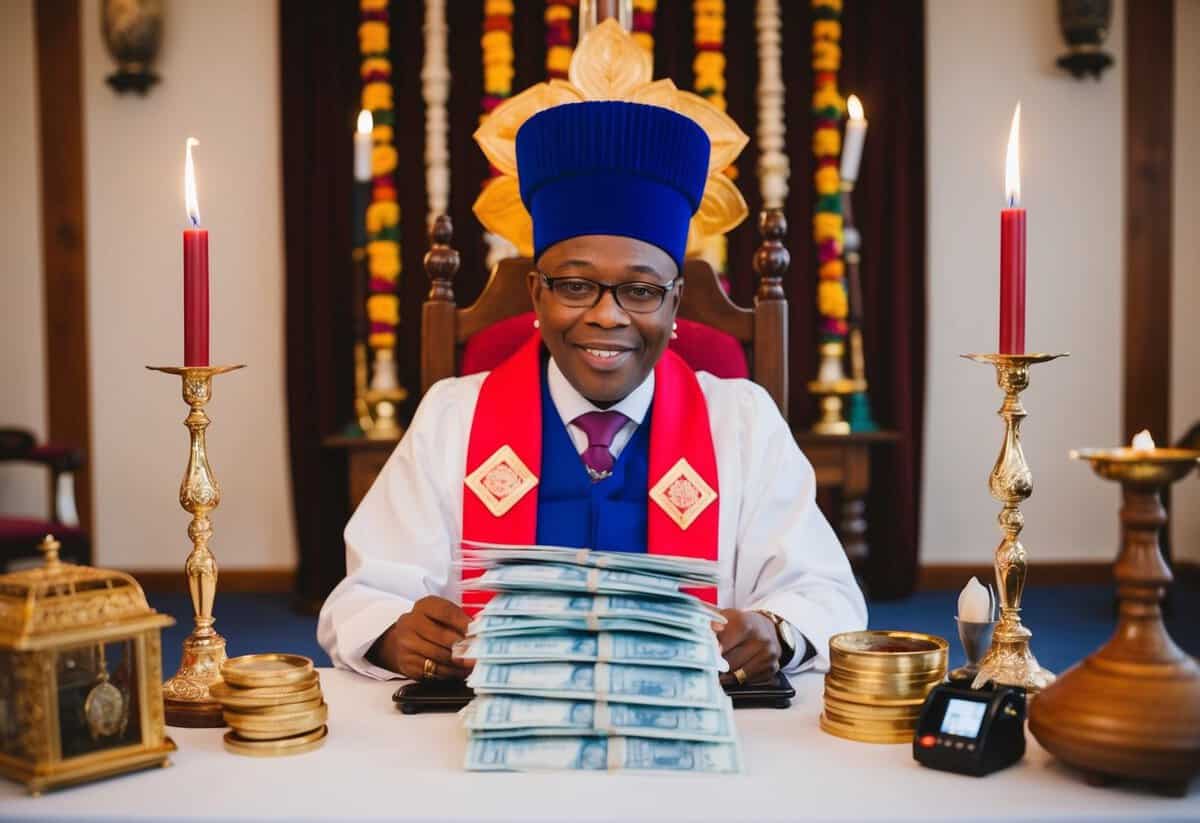
Different types of ceremonies can greatly influence how much celebrants charge. Each ceremony often requires unique preparation and customization, which factors into the overall cost. Below, you’ll find insights on how specific ceremonies affect fees.
Weddings and Variations in Wedding Celebrant Fees
Weddings are among the most common events for professional wedding celebrants. Fees can vary widely based on several factors.
For instance, basic ceremonies may cost between £500 and £2,500, depending on your location and the celebrant’s experience.
If you want a personalized wedding, such as a themed ceremony or unique rituals like using handfasting cords, expect additional charges. Special ceremonies like a renewal of vows may also have different pricing structures.
The average cost for a wedding officiant typically ranges from $400 to $1000, reflecting their reputation and demand. Don’t forget to factor in any travel expenses if your wedding is held at a distant location.
Funerals, Rites of Passage, and Other Ceremonies
Funerals and rites of passage, such as coming of age ceremonies, require a different skill set and emotional sensitivity. Funeral celebrants may charge less per ceremony when compared to wedding celebrants. Their fees can range from $300 to $800 based on the complexity of the service and the details involved.
For rites of passage, the cost can also vary. Celebrants may offer packages that include eulogies, personalized tributes, and other unique elements to honor the individual. The emotional significance of these ceremonies means that celebrants often strive to provide meaningful experiences, which can influence fees slightly upward.
Understanding the specifics of each type of ceremony will help you better anticipate the costs involved when hiring a professional celebrant.