
How Much Does a Hindu Priest Cost in the UK? Exploring Prices and Services
If you’re planning a Hindu ceremony in the UK, you might wonder about the costs involved in hiring a Hindu priest. A Hindu priest typically charges £200 to £500, depending on the location and specific rituals required. This fee can vary based on the priest’s experience, the complexity of the ceremony, and travel expenses.
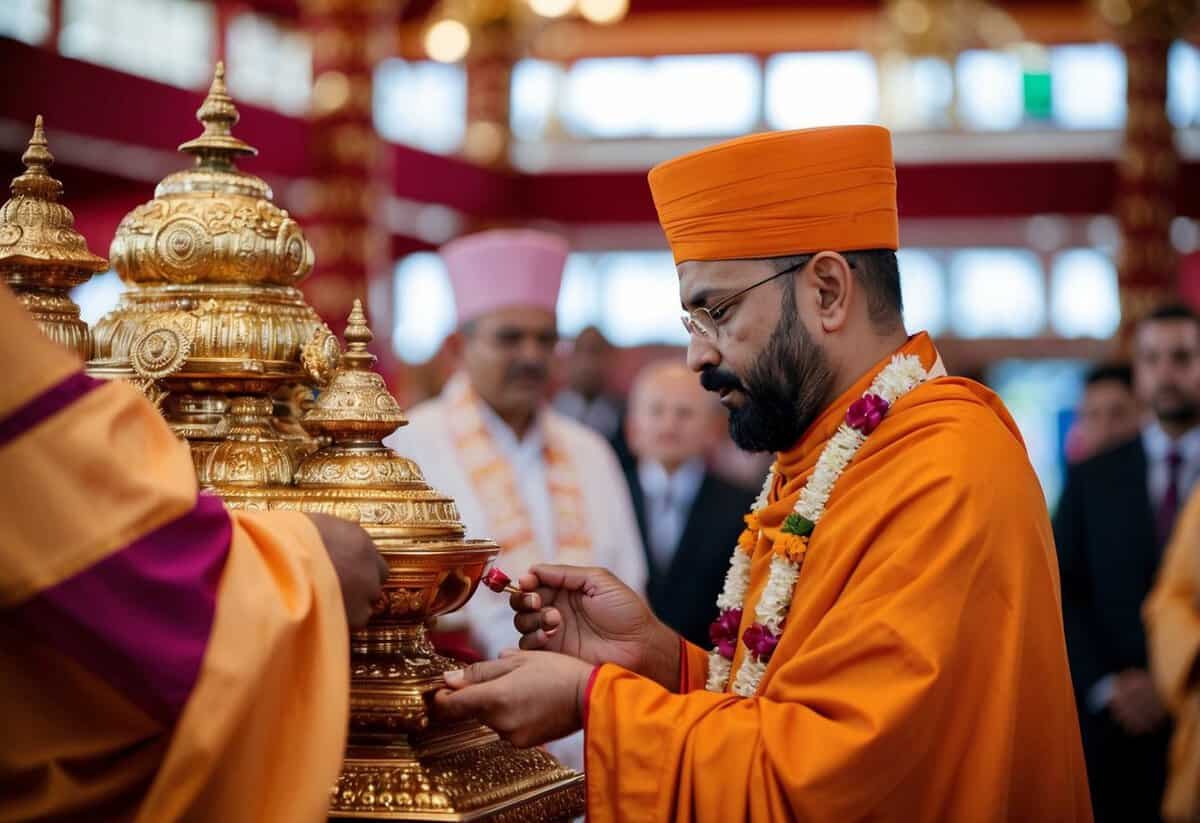
Understanding these costs can help you budget for your event and ensure that everything goes smoothly. Whether it’s a wedding, a naming ceremony, or a last rites service, having a priest who understands the rituals is essential.
Keep reading to learn more about factors influencing these costs and tips for finding the right priest for your needs.
Understanding Hindu Priest Services in the UK
Hindu priests offer a range of important services that are essential for various ceremonies in the Hindu community. Understanding their roles and how their costs compare to other clergy can help you make informed decisions when seeking their assistance.
Role of a Hindu Priest
Hindu priests serve as spiritual leaders. They mainly perform rituals and ceremonies, which include weddings, naming ceremonies, and last rites. They are knowledgeable about Hindu scriptures and traditions.
During a ceremony, the priest guides the family through each step. This includes chanting prayers, performing rituals, and explaining the significance of each act. Their presence brings comfort and spiritual guidance, especially during difficult times, such as funerals.
The cost of a Hindu priest can vary based on experience and location. It’s common for them to charge a fee for their services plus additional costs for offerings or travel if applicable.
Comparing with Other Clergy
When compared to other clergy, like vicar or ministers from the Church of England, the costs of Hindu priests can be similar. A Church of England vicar may have set fees for services, which can include baptisms, weddings, and funerals.
Hindu priests often have flexible pricing based on the ceremony’s requirements and the family’s needs. You might find that some Hindu priests ask for a donation instead of a fixed fee, reflecting the communal nature of many Hindu rituals.
While both types of clergy provide valuable spiritual support, the pricing structure may differ due to the unique nature of each tradition. Understanding these differences is essential when planning any ceremony and can help you budget accordingly.
Components of Hindu Priest Services
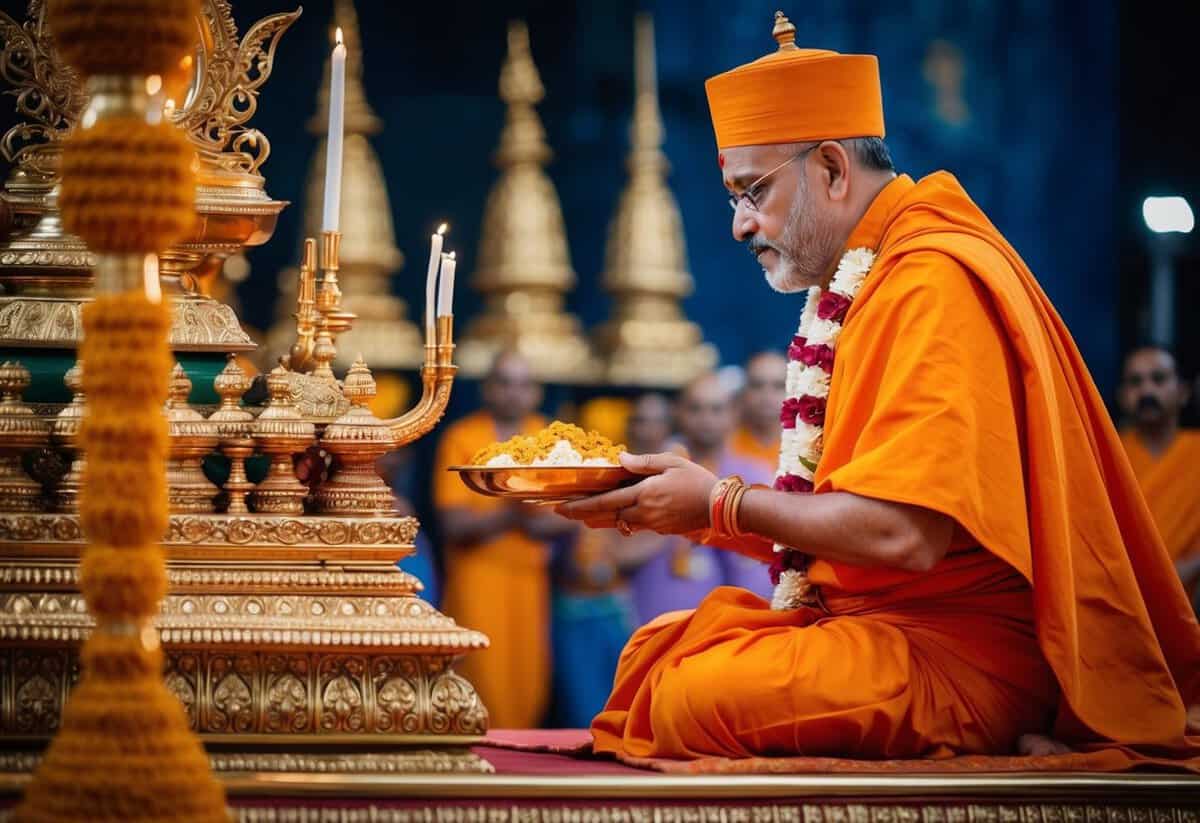
When you seek the services of a Hindu priest, there are several important components to consider. These include ceremonial rituals and the guidance you receive on spiritual matters. Each part plays a significant role and adds value to your experience.
Ceremonial Rituals
Ceremonial rituals performed by a Hindu priest are essential in various life events such as weddings, naming ceremonies, and funerals. Each ritual has specific traditions and hymns that are chanted to invoke blessings.
These rituals may also include offerings and other activities that symbolize respect and devotion. The priest’s role is crucial in ensuring that every part of the ceremony aligns with cultural beliefs.
Typically, you might expect to pay a stipend for these services. The cost can vary based on the complexity of the ritual and the priest’s experience. You can discuss these details upfront to avoid misunderstandings.
Spiritual and Religious Guidance
In addition to rituals, Hindu priests offer valuable spiritual and religious guidance. They help you navigate various aspects of your spiritual life, whether through personal consultations or community teachings.
You can ask questions about religious texts, practices, and how to incorporate spirituality into daily life. The priest often shares hymns and mantras that can enhance your connection to spiritual traditions.
This guidance is especially important during significant life transitions. The personalized support can make a meaningful difference in your understanding of Hindu practices.
Cost Factors for Hindu Priest Services
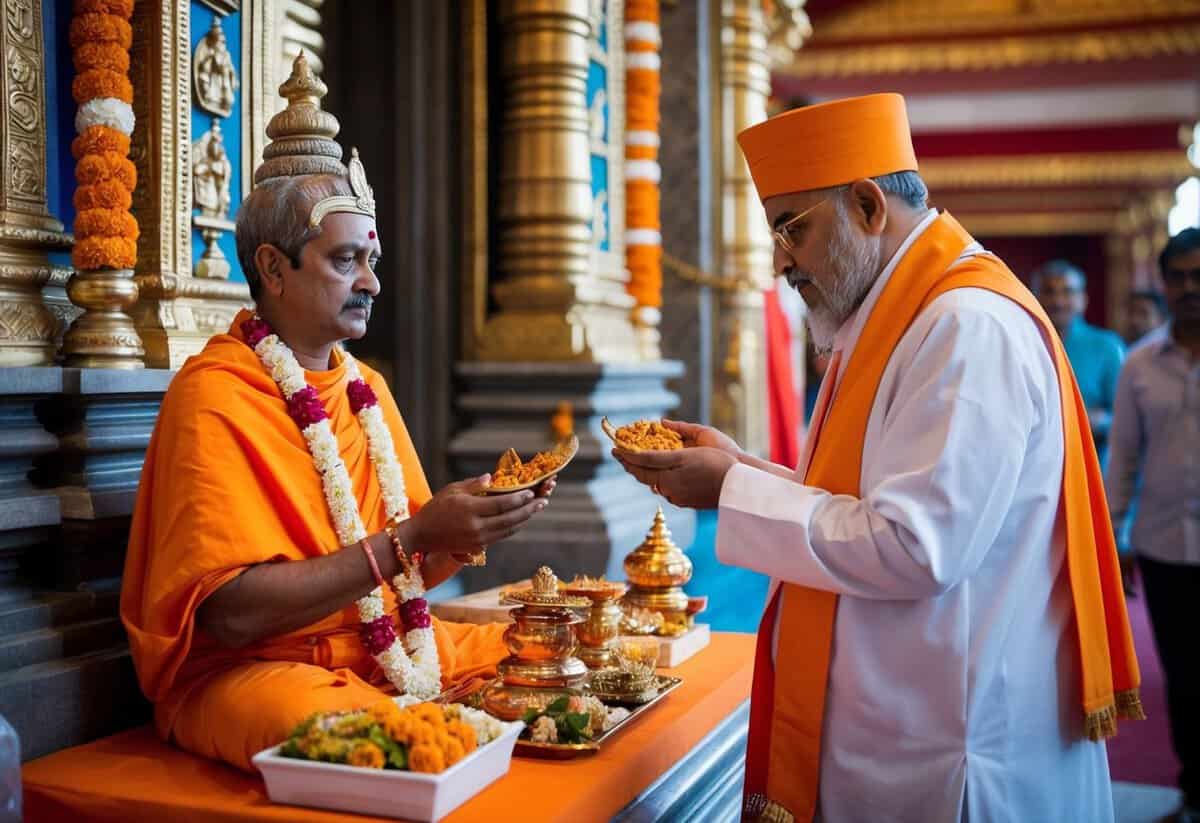
Understanding the costs associated with hiring a Hindu priest involves looking at several important aspects. Key factors include the type of service you need, any travel requirements, and additional ceremonial expenses that might arise during the rituals.
Service Types and Duration
The type of service you select plays a significant role in determining the cost. Simple ceremonies, like a naming ritual, might start around £51 for a one-hour session. More extensive services, such as weddings or funerals, can range from £150 to £300, based on their complexity.
Duration also affects pricing. A longer ceremony often requires more preparation time and may lead to higher costs. For instance, a traditional Hindu funeral could involve various rituals over multiple days, resulting in additional charges for the priest’s time and expertise.
Travel and Accommodation
Travel fees can add to the overall cost of hiring a Hindu priest. If the priest must travel a significant distance to reach your location, you might need to cover these expenses. Fees typically start at £30 for short distances and can increase based on mileage.
In some cases, accommodation costs may also apply, especially for services that last several days. If the priest needs to stay overnight, you may have to provide lodging. This could add £100 or more to your total costs, depending on the local rates.
Additional Ceremonial Expenses
Along with the priest’s fees, there are other costs to consider. Ritual items often have associated prices. For instance, flowers for the ceremony, offerings, and other traditional items can range from £50 to £200, depending on local availability and your specific preferences.
Furthermore, if you’re planning a cremation, related expenses—like the cost of the cremation itself, embalming, and a casket—will also need to be factored into your budget. These can quickly add hundreds to thousands of pounds to your overall expenses. It’s important to discuss these details with the priest to avoid surprises later.
Post-Ceremony Considerations
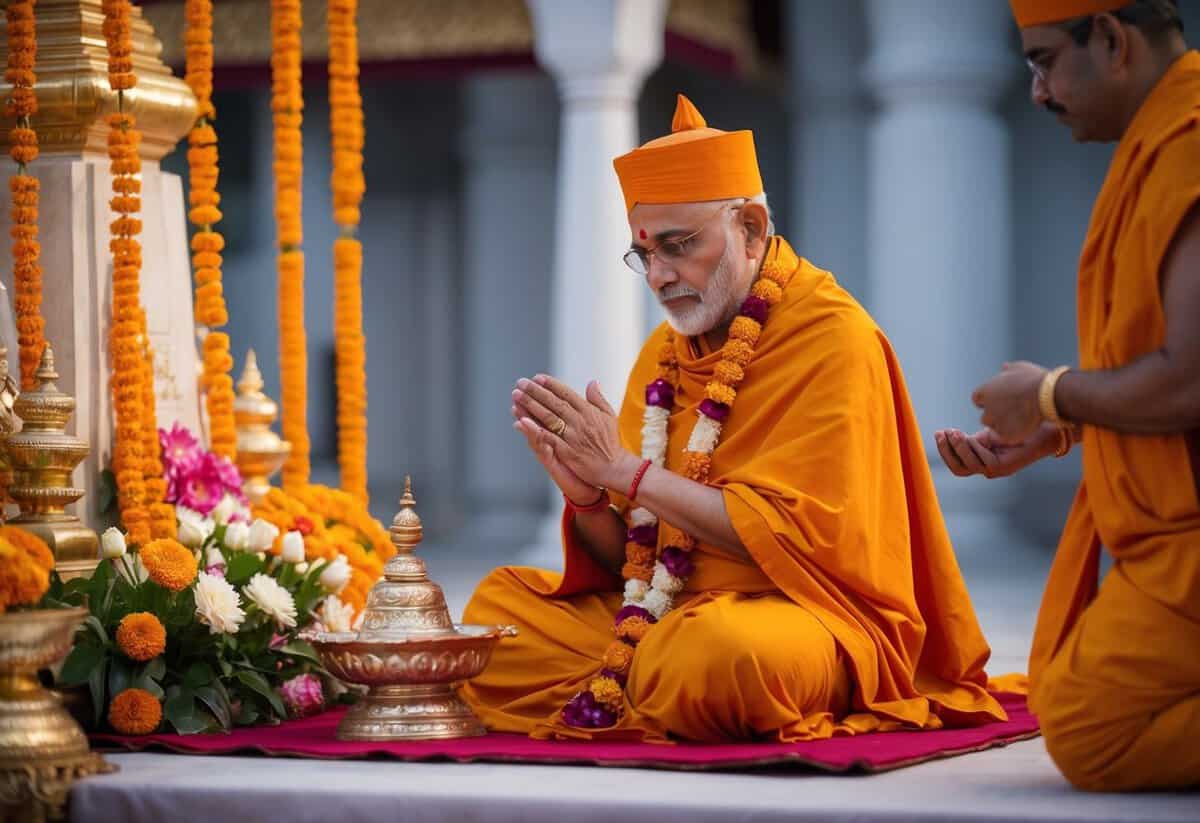
After the ceremony, there are important aspects to consider. These include how to handle the ashes and the support available for the bereaved. Understanding these points can help you navigate this sensitive time.
Handling of Ashes
Once the cremation is complete, you will receive the ashes, known as “asthi.” These can be stored in an urn or a meaningful container. You may also choose to scatter the ashes in a location that holds significance for the deceased.
Several options are available for handling the ashes:
- Keep in an Urn: This is a common choice. It can be displayed in your home or a special place.
- Scattering: This can be done in a meaningful location, such as a favorite park or beach.
- Burial: Some families opt to bury the ashes in a garden or cemetery.
Make sure to discuss your options with your family and reflect on what feels best. This moment is personal, so consider what the deceased would have preferred.
Bereavement Support
Losing a loved one is challenging, and you need to find support during this time. Many services offer assistance to the bereaved. You are not alone, and help is available.
Here are a few options for support:
- Grief Counseling: Professional guidance can help you process your emotions. Look for local therapists specializing in grief.
- Support Groups: Joining a group can connect you with others who share similar experiences. It’s comforting to talk with people who understand.
- Family and Friends: Lean on your support network for help. Sharing memories and feelings can ease your burden.
Many crematoriums also provide resources for bereavement support to help you through this difficult period. Do not hesitate to seek help; it’s a vital part of healing.