
How Much Does a Wedding Cost in the UK? A Complete Breakdown for Couples
Planning a wedding can be both exciting and overwhelming, especially when it comes to budgeting. The average cost of a wedding in the UK for 2024 is approximately £20,775. This often rises to about £25,952 when including engagement rings and honeymoons. Understanding these figures can help you make informed choices and keep your spending on track.
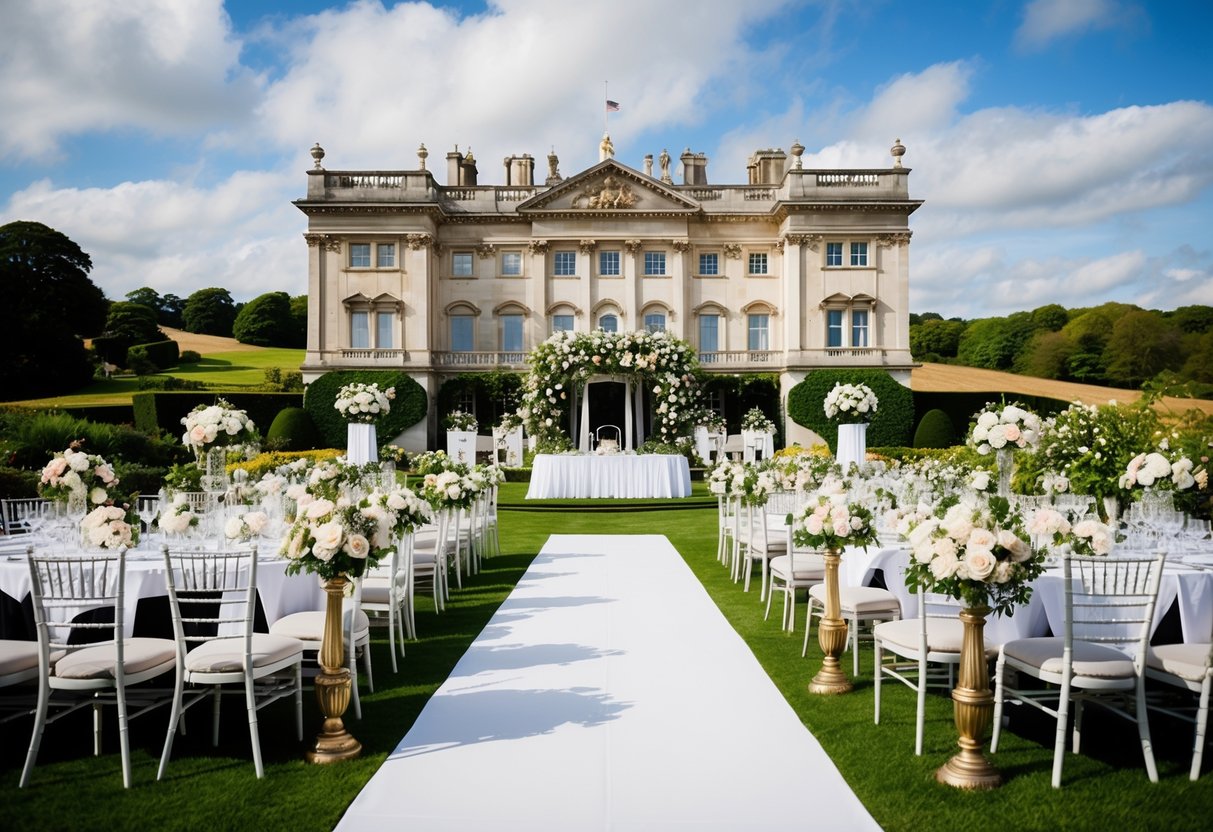
Each region has different costs, with London weddings averaging around £36,778. In contrast, weddings in areas like Scotland and Wales are generally more affordable, at about £19,387 and £15,529, respectively. This range reflects the local wedding market and can significantly influence your overall budget.
As you dive into your wedding planning, knowing the average costs can help you decide where to invest your money wisely. Whether your dream wedding is intimate or grand, having a clear idea of expenses can guide you through the planning process with ease.
Understanding Wedding Costs in the UK

Planning a wedding involves knowing what you can expect to spend. Costs can vary based on many elements, from where you live to your guest count. Knowing these details can help you create a wedding budget that works for you.
Average Wedding Cost
The average cost of a wedding in the UK is approximately £20,700. This figure includes many expenses, such as venue, catering, and decorations. If you’re in London, be prepared for higher costs, with the average sitting around £36,778. In contrast, Scotland and Wales tend to be more affordable, averaging £19,387 and £15,529, respectively.
Here’s a quick look at average costs by region:
- London: £36,778
- Scotland: £19,387
- Wales: £15,529
Keep in mind that these amounts can fluctuate based on the time of year and day of the week.
Factors Affecting Wedding Costs
Many factors can affect your wedding budget. One of the biggest is your guest count. More guests usually mean higher costs for catering and seating.
The choice of venue plays a crucial role too. Prices differ greatly depending on the location and amenities offered.
Wedding season also matters. Summer weddings can be pricier due to demand. The day of the week influences costs as well; weekdays are often cheaper than weekends.
Lastly, consider your wedding theme. A simple ceremony may be less expensive than a lavish event. Being clear about your priorities can help you manage your wedding costs effectively.
Key Wedding Expenses Breakdown

When planning your wedding, key expenses can add up quickly. It’s essential to understand where your money will go. Below are the main areas you’ll need to consider for your budget.
Venue and Catering
One of the largest expenses you’ll face is the venue. In the UK, the average cost for a wedding venue is around £9,877, which can vary greatly by region. Venue hire often includes space for the ceremony and the reception.
Catering costs are typically included in this price or charged separately. Expect to spend about £50 to £100 per guest for food and drinks, depending on your menu choices. This means if you have 100 guests, catering alone could range from £5,000 to £10,000.
Attire and Rings
Your wedding attire also plays a significant role in your budget. A wedding dress can cost anywhere from £1,000 to £2,000 or more, depending on the designer and style you choose. Don’t forget about alterations, which can add an extra £100 to £500.
Additionally, wedding rings are a crucial part of the celebration. The average cost for wedding rings in the UK is around £1,000 to £2,500. Factor in these expenses to ensure you stay within your budget.
Photography and Decor
Great photography is essential to capture your special day. In the UK, hiring a professional photographer can range from £1,000 to £2,500. This will cover the photographer’s time, editing, and sometimes an engagement session.
Decor matters too! Depending on your theme, decor costs can vary widely. Basic decorations may start at £1,000, while more elaborate designs can reach £5,000 or more. Always consider your style and what will make your wedding feel special.
Flowers and Cake
Flowers are another significant expense. The price for wedding flowers can vary, with a bouquet costing around £200 to £300 and additional floral arrangements going up to £1,000 or more. Choose seasonal flowers to manage costs better.
Finally, don’t overlook the wedding cake. The average cake costs about £300 to £600, depending on its size and design. A beautifully crafted cake can be a stunning centerpiece for your reception, so choose one that reflects your taste.
Planning for Your Wedding Budget

Setting a wedding budget is key to a smooth planning experience. It helps you prioritize what is most important for your big day while keeping track of expenses. Let’s explore how to create a budget, consider hiring a planner, and discover some tips to save money.
Creating a Wedding Budget
Start by figuring out your total budget. Consider all sources of funding, including family contributions, personal savings, and any wedding packages you’re interested in. The average cost of a wedding in the UK can be around £20,700, so plan accordingly.
Next, break down costs into categories such as venue, catering, flowers, and entertainment. You might have about 80-100 guests, which affects catering and venue costs. Use a spreadsheet or budgeting app to keep these figures organized.
Discuss priorities with your partner. Knowing what you both value helps allocate funds wisely. For instance, if photography is important, allocate more money to that category and adjust elsewhere.
Hiring a Wedding Planner
Hiring a wedding planner can be a smart investment for your wedding budget. They have experience, can save you time, and often know where to find the best deals. This could help you avoid overspending or hidden costs.
A planner can help you choose a venue that fits your needs while fitting into your overall budget. They can also assist with coordinating the average number of wedding guests and managing RSVPs. Some wedding planners offer packages that can maximize your budget savings.
If you decide to hire one, research their reviews and ask for testimonials. This helps ensure you find someone who understands your vision and budget.
Savings Tips
To keep your wedding budget on track, consider these savings tips.
First, choose to get married in the off-peak months. Typically, January and February are the cheapest months to get married.
You can also limit your guest list. Cutting down from 100 to 80 guests might save a significant amount on catering and venue costs.
Lastly, consider DIY options for decorations or favors. This adds a personal touch and can help lower costs.
Explore local markets or online shops for deals on items you need, such as flowers or centerpieces. Every little savings adds up!