
How Much Does It Cost to Become a Celebrant in the UK? A Quick Guide to Fees and Training
Becoming a celebrant in the UK can be a rewarding path for those who enjoy creating meaningful ceremonies. The cost to become a celebrant typically ranges from £400 to £4,500, depending on the training program you choose. This investment covers essential training that equips you with the skills needed to lead weddings, funerals, and other special occasions.
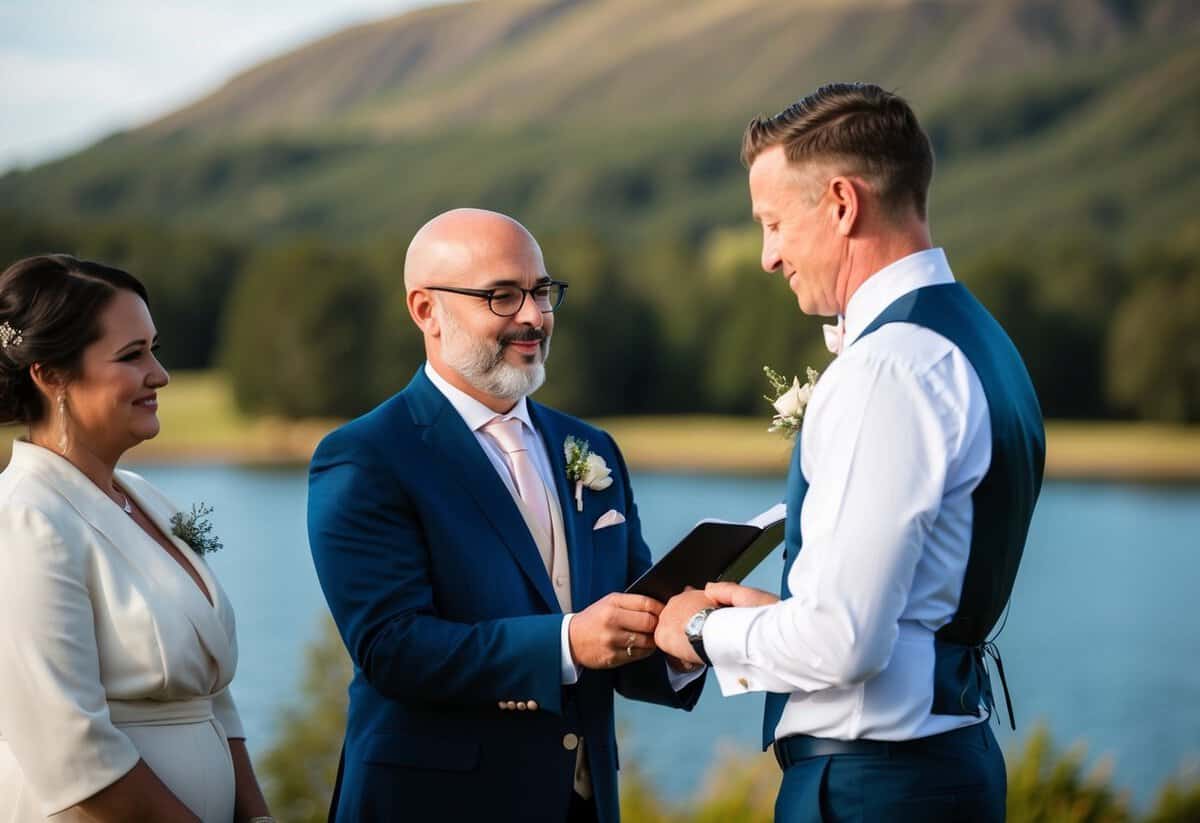
As you explore this career option, you’ll discover that the expenses can vary widely based on factors such as the type of celebrancy you wish to pursue and the specific course you select.
Besides training costs, consider potential annual expenses like travel and professional memberships, which can add up.
Joining this profession not only allows you to guide people through important life events but also lets you express your creativity and compassion. If you’re curious about what steps to take next or how to weigh the costs effectively, keep reading!
Understanding the Role of a Celebrant

Becoming a celebrant involves understanding not just the ceremonies you will conduct, but also the significance of your role in people’s lives. Celebrants guide individuals and families in marking important life events with meaningful ceremonies. This section highlights the importance of celebrants and the various types they represent.
The Significance of Celebrants in Ceremonies
Celebrants play an essential role in making occasions personal and unique. They create ceremonies that reflect the values and beliefs of those involved. Whether it’s a wedding, a funeral, or a naming ceremony, the celebrant’s work ensures that each event is memorable.
With their expertise, celebrants help families share their stories and emotions during significant milestones. This personal touch allows attendees to feel a deeper connection to the event. You’ll find that the significance of a celebrant often lies in their ability to craft moments that resonate with love, loss, and joy.
Types of Celebrants
There are various types of celebrants, each focusing on special life events. Here are some common categories:
- Wedding Celebrants: They specialize in creating custom wedding ceremonies, allowing couples to express their love in a way that reflects their personalities.
- Funeral Celebrants: These professionals guide families through the grieving process, helping create a respectful and comforting farewell for loved ones.
- Naming Celebrants: They focus on ceremonies that celebrate the arrival of a child, often involving rituals that honor family heritage.
- Family Celebrants: This type speaks to a range of family events, from anniversaries to renewals, crafting a narrative that celebrates family bonds.
Each celebrant type brings unique skills to your special occasion.
What Does a Celebrant Do?
A celebrant performs many important tasks to ensure your ceremony runs smoothly. First, they meet with you to discuss your vision and preferences. This helps them understand the tone and style you want.
Next, they design a personalized ceremony script that includes readings, rituals, and any special elements you wish to incorporate.
Celebrants also often attend rehearsals, guiding you through the proceedings.
On the day of the event, the celebrant leads the ceremony, ensuring everything flows well. Their support creates a warm and inviting atmosphere, allowing you and your guests to fully engage in the moment. In short, a celebrant is your partner in crafting a truly meaningful ceremony.
Becoming a Celebrant in the UK
If you’re considering becoming a celebrant in the UK, you’ll want to know what qualifications you need, how to choose the right training, and the differences between online and residential options.
Essential Qualifications and Skills
To become a celebrant, there are no strict qualifications needed, but having essential skills is crucial. Strong communication skills are a must, as you’ll be delivering ceremonies and interacting with clients. You should also be organized and empathetic, helping couples and families on special occasions.
Many celebrants undergo training to improve their skills and credibility. Look for courses that focus on creating personalized ceremonies. Some training providers may also require you to complete practical assessments. Completing a certified training course can make you more appealing to clients.
Choosing the Right Training Course
When choosing a training course, consider the cost, duration, and content.
Courses can range from £700 to £4,500, depending on the provider and depth. For example, the Academy of Modern Celebrancy offers a variety of programs that cover key aspects of celebrancy.
Make sure the course is recognized and accredited. Check reviews from other graduates to understand their experiences.
Consider what types of ceremonies you want to conduct, like weddings or naming ceremonies, as some courses specialize in certain areas.
Online vs. Residential Training Options
You have the option of online or residential training.
Online courses offer flexibility, allowing you to learn at your own pace. This is ideal if you have other commitments, such as work or family. Many distance learning programs provide video lectures, webinars, and support from tutors.
On the other hand, residential courses allow for hands-on experience and networking with fellow students. You might find these courses more engaging, as they include interactive activities.
Weigh the pros and cons based on your learning style and schedule.
Both methods provide a solid foundation for becoming a celebrant, so choose what suits you best!
The Economics of Being a Celebrant

Becoming a celebrant involves various costs and potential earnings. Understanding these financial aspects can help you plan your journey effectively. Below, you’ll find a breakdown of what to expect regarding training, business setup, and earnings.
Costs Involved in Training and Certification
To become a celebrant in the UK, you need to invest in training. The cost for accredited courses ranges from £700 to £5000.
Here are some common training costs:
- Basic courses: £700 to £1000
- Comprehensive training for weddings and funerals: around £1400 to £3000
- Master celebrant courses: can be about £3000 to £5000
These costs cover not only the classes but also materials and resources. Make sure to choose a reputable training provider to ensure you receive quality education and certification.
Setting Up Your Celebrant Business
Once you complete your training, you must set up your celebrant business. This involves some additional expenses, including:
- Creating a website: typical cost is around £200 to £1000
- Branding (logo and promotional materials): can range from £100 to £500
- Marketing costs (ads, wedding fairs, social media): £200 to £1000 based on your strategy
Investing in your online presence and marketing is crucial. Engaging in local wedding fairs can also help you connect with potential clients and grow your network.
Potential Earnings as a Celebrant
Your earnings as a celebrant depend on the types of ceremonies you conduct. On average, celebrants in the UK earn around £190 per ceremony.
Here’s a rough breakdown of potential income:
- Weddings: £200 to £500 each
- Funerals: £150 to £300 each
- Naming ceremonies: £150 to £300 each
If you build a solid reputation and market yourself effectively, your client base can grow significantly. Utilizing social media marketing and attending wedding fairs can help attract more clients and boost your earnings.
Developing Your Skills and Business
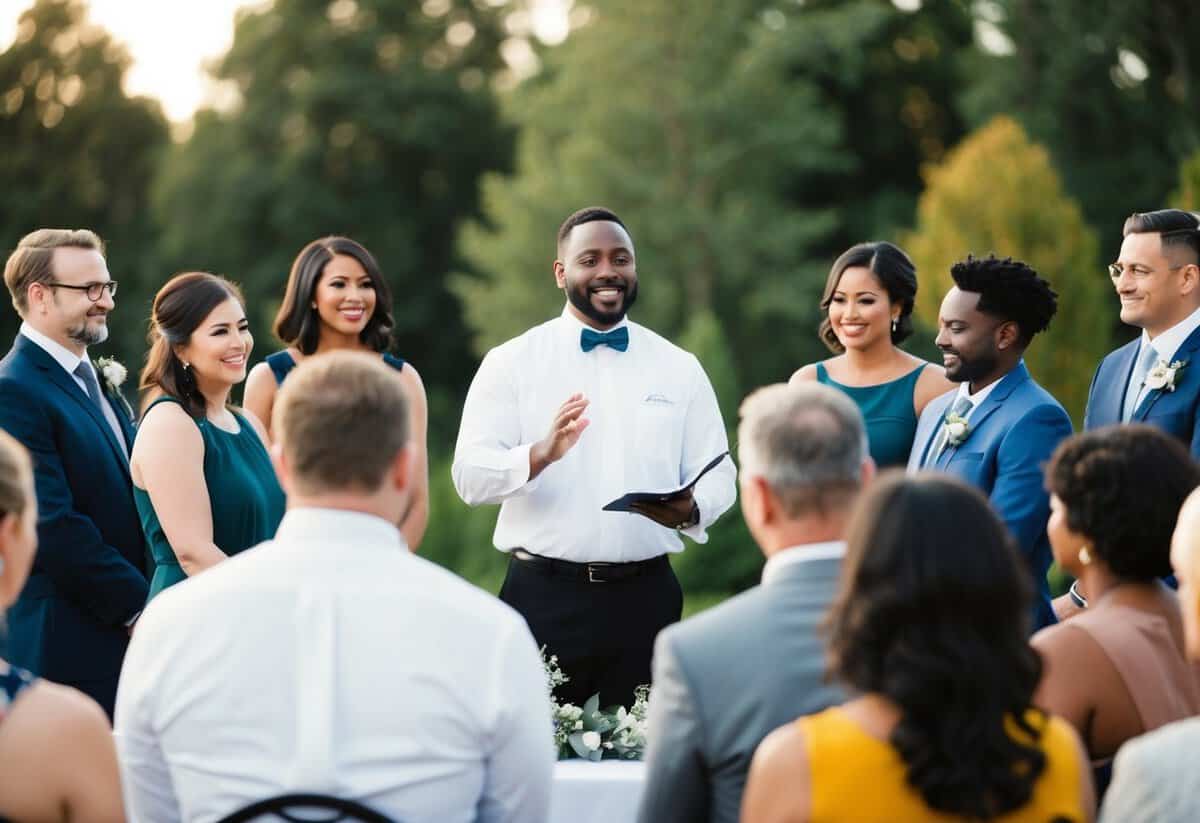
To succeed as a celebrant in the UK, you need to focus on enhancing your public speaking skills, marketing yourself effectively, and building a strong network with other professionals. Each of these areas is crucial to establishing and growing your celebrant services.
Mastering Public Speaking
Public speaking is at the heart of being a celebrant. You will often be in front of audiences during weddings, funerals, or family celebrations.
Practicing your delivery can help. Consider joining a local speaking club, like Toastmasters, where you can get constructive feedback.
Use techniques such as storytelling to engage your audience and make ceremonies more personal. Record your speeches and listen to them to catch any areas for improvement.
Being confident and articulate will greatly enhance your reputation as a wedding or funeral celebrant.
Marketing for Success
Marketing yourself effectively is essential in attracting clients.
Start by creating a professional website showcasing your services, testimonials, and contact information. Include a blog where you can share tips and stories to engage potential clients.
Utilize social media marketing to reach a broader audience. Platforms like Facebook and Instagram are great for sharing photos from ceremonies and connecting with couples planning their weddings.
Don’t forget to attend wedding fairs, where you can meet clients in person and showcase your unique celebrant style.
Networking with Other Professionals
Building a network with other professionals can benefit your career. Connect with wedding planners, photographers, and venues to create referral opportunities.
Join organizations like the UK Society of Celebrants to meet other independent celebrants and share experiences or resources.
Participating in local events or forums can also help you make valuable connections. Consider collaborating on projects, such as workshops or community events, to enhance your presence in the industry.
Networking can lead to increased visibility and, ultimately, more clients for your celebrant services.