
How Much Does It Cost to Legally Get Married in the UK? A Simple Guide to Wedding Expenses
Getting married is an exciting journey, but understanding the costs involved is crucial for planning your special day. On average, you can spend around £104 for a simple registry office ceremony, while larger celebrations can cost several thousand pounds. Knowing these figures can help you set a realistic wedding budget and avoid any surprises along the way.
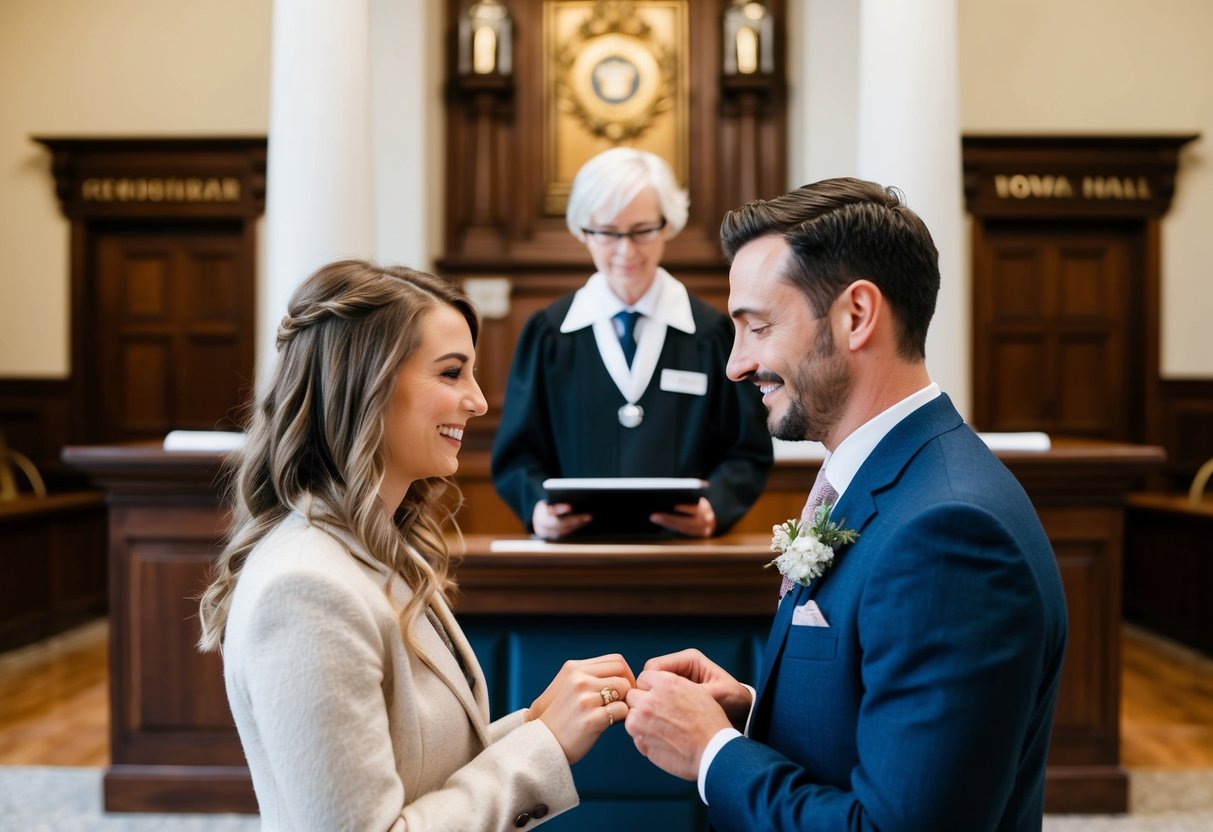
While the legal fees are only part of the total expenses, they set the foundation for your wedding costs. You’ll want to consider other factors like the venue, attire, and catering, which can quickly add up.
With careful planning and a clear vision of what you want, you can create a memorable day that fits your budget.
Legal Requirements for Marriage in the UK
When planning your wedding in the UK, it’s essential to understand the legal steps involved. This section explains what you need to do before getting married, including the notice of marriage, the marriage certificate process, name change formalities, and visitor visa requirements.
Notice of Marriage
Before you can get married, you must give a notice of marriage at your local register office. This must be done at least 28 days before your wedding date. Both you and your partner need to visit the register office together.
You will need to provide specific documents, like proof of identity, age, and address. This usually includes a passport or driving license and a utility bill or bank statement.
The notice is publicly displayed for a week. This allows anyone to raise objections if they think you’re not legally allowed to marry.
Marriage Certificate Process
After your wedding, you will need to obtain a marriage certificate. This certificate acts as your official record of marriage. You can request it on the day of your ceremony or soon after at your register office.
The cost for a standard marriage certificate is typically around £11. You may also need to pay additional fees if you need extra copies.
Make sure to keep it safe, as you may need it for legal purposes, such as changing your name or applying for joint accounts.
Name Change Formalities
If you’re planning to change your name after marriage, you need to follow some formalities. The easiest way is by using your marriage certificate.
You can update your name on documents like your passport, driver’s license, and bank accounts. Each institution may have slightly different requirements, so check before you apply for changes.
It’s a good idea to make a list of where you need to change your name. This often includes your employer, utility companies, and any subscriptions you have.
Marriage and Civil Partnership Visitor Visa
If you’re not a UK resident and wish to marry in the UK, you may need a Marriage and Civil Partnership Visitor Visa. This is important for those coming from abroad to ensure your participation in the wedding meets legal requirements.
You must apply for this visa before you travel. The visa is typically valid for six months and allows you to stay in the UK for your wedding.
Make sure you provide proof of your plans, including wedding invitations and details about your venue. This ensures a smooth process as you prepare for your special day in the UK.
Planning Your Wedding Day
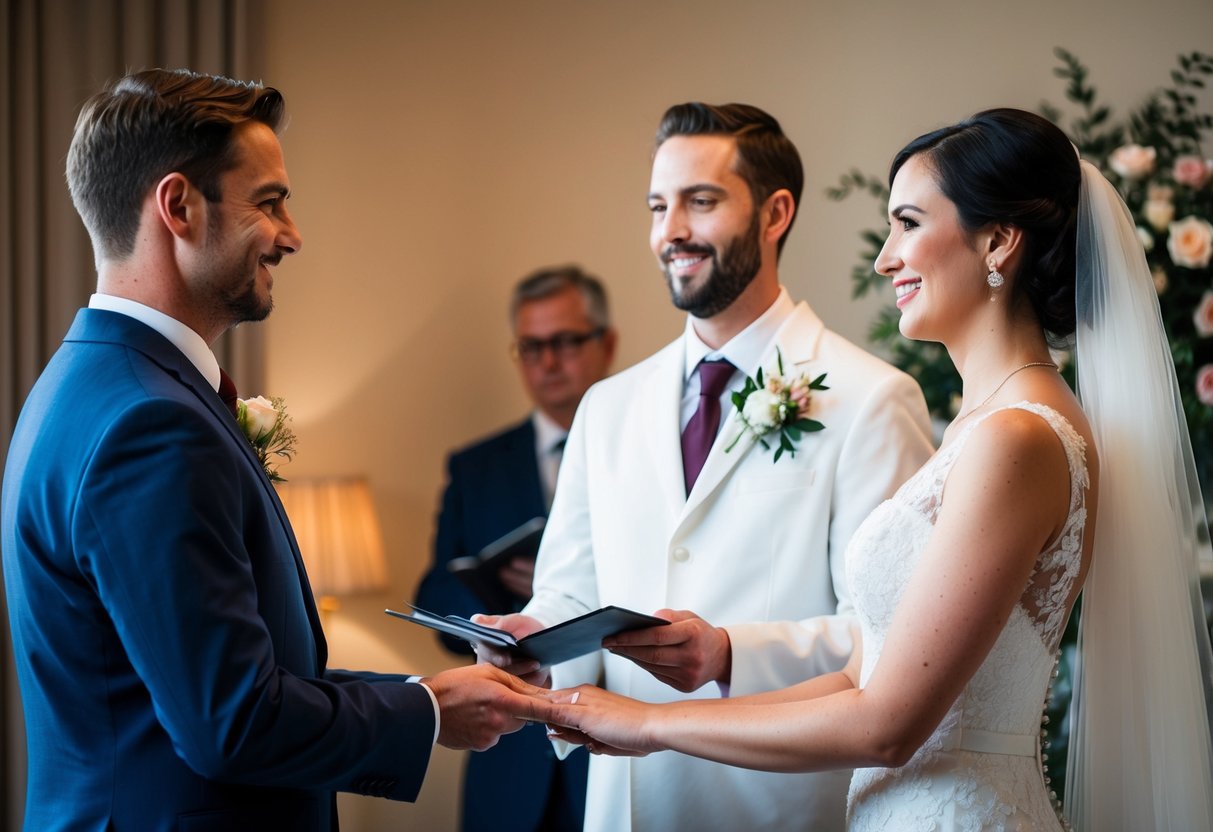
Planning your wedding day involves several important steps to ensure a smooth and enjoyable experience. From selecting the perfect date to personalizing your ceremony, each decision plays a crucial role in making your day truly special.
Selecting the Wedding Date
Choosing a wedding date is one of the first steps in your planning process. Consider factors like seasons, availability of venues, and guest schedules.
If you want a summer wedding, be aware that popular dates may be booked quickly. Also think about holidays or school breaks, which might affect guest attendance.
Once you have a few dates in mind, check with your venue to see what works best for them.
Remember to pick a date that feels meaningful to you and your partner. Whether it’s an anniversary or a special day, make it yours!
Choosing a Venue
The venue sets the tone for your wedding. Think about your style and budget when selecting a location.
Options range from traditional churches to modern hotels or beautiful outdoor spaces. Ask yourself important questions, like how many guests you want to invite and what kind of atmosphere you envision.
Make a list of potential venues and schedule tours to see them in person. This will help you visualize your day and see what fits best. Don’t forget to discuss costs, as they can vary greatly between locations.
Creating a Guest List
Your guest list is an essential part of your wedding planning. It determines how many people you can invite, which affects everything from the venue to the catering.
Start by making two lists: one for must-have guests and another for those you would like to invite if space allows. When finalizing your list, consider relationships and family dynamics.
It can be crucial to involve your partner in this process to ensure both sides feel represented. Once you have your guest list in place, you can move on to discussing invitations and seating arrangements. This can be a fun way to involve family and friends in the planning!
Personalizing Your Ceremony
Personalizing your ceremony makes it unique to you and your partner. Think about including personal vows that reflect your journey together.
Writing your vows can be a touching experience, allowing you to share your love story. Consider other elements, such as readings, music, or rituals that hold special meaning for both of you.
You might also want to involve family members or friends in meaningful ways, like having them read a poem or light a unity candle. Personal touches will not only make your ceremony special but also memorable for you and your guests.
Budgeting for Your Wedding
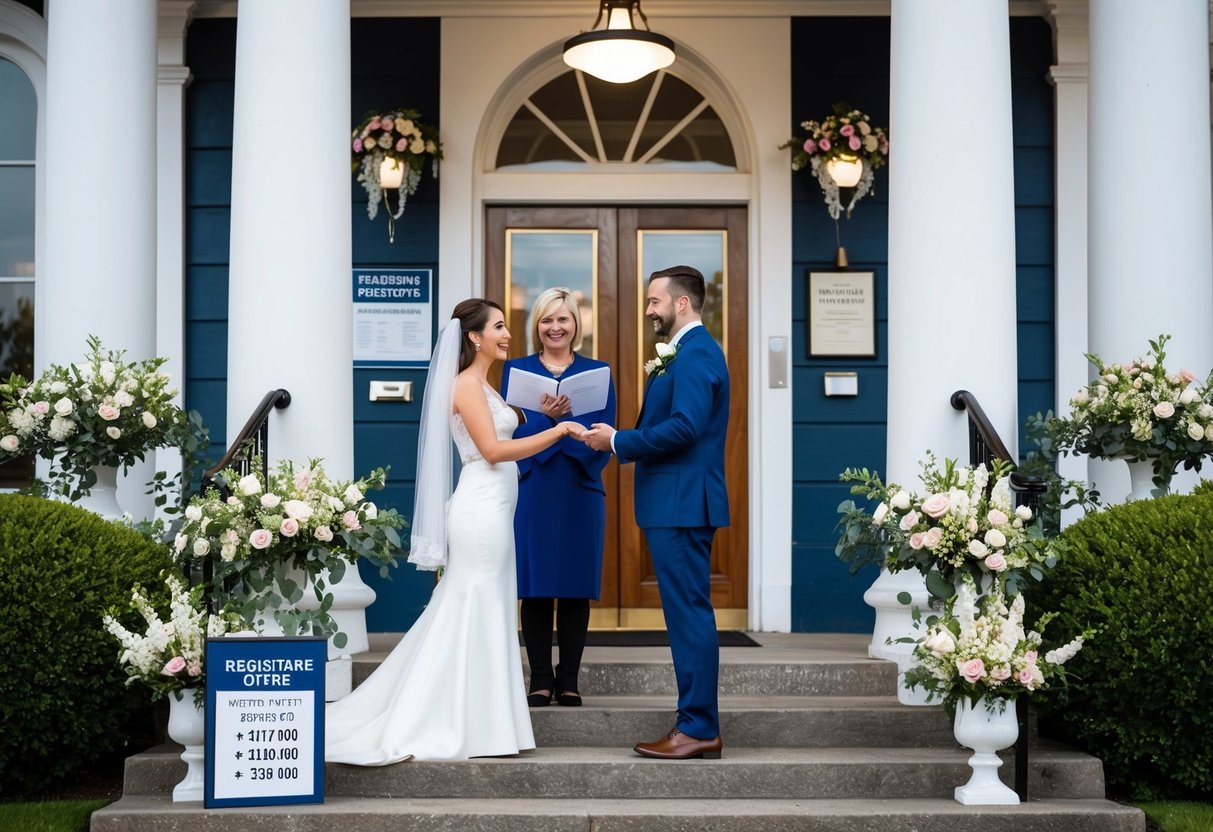
Planning your wedding budget is essential to managing your expenses effectively. Knowing the average costs, breaking down expenses, and exploring affordable packages can help you stay on track financially.
Average Costs of a Wedding
In the UK, the cost of a wedding can vary greatly. On average, couples spend over £20,000 on their big day. This includes all the elements, from venue and catering to photography and flowers.
For a simple breakdown:
- Venue Hire: £3,000 – £10,000
- Catering: £1,500 – £5,000
- Photography: £1,000 – £2,500
- Flowers and Decorations: £500 – £2,000
These figures can fluctuate depending on location and personal choices. Understanding the average costs can help you decide where to allocate your budget effectively.
Itemized Wedding Expenses
When budgeting, it helps to list specific expenses. Here’s a handy list of common costs:
- Venue Fee
- Catering Costs
- Attire (Dress & Suit)
- Entertainment (DJ or Band)
- Photography/Videography
- Flowers and Decorations
- Invitations and Stationery
- Cake
- Transportation
- Wedding Rings
By detailing these expenses, you can determine what fits into your budget. You might find areas to cut back or splurge based on your priorities.
Affordable Wedding Packages
Consider searching for affordable wedding packages that include multiple services. Many venues offer all-inclusive options, which can save you time and often money.
Look for deals that bundle:
- Ceremony & Reception Venue
- Catering & Cake
- Flowers & Decorations
- Photography Services
These packages typically range from £5,000 to £15,000, making them a convenient choice. Check local listings and read reviews to ensure you get the best value for your wedding budget.
The Marriage Ceremony Details
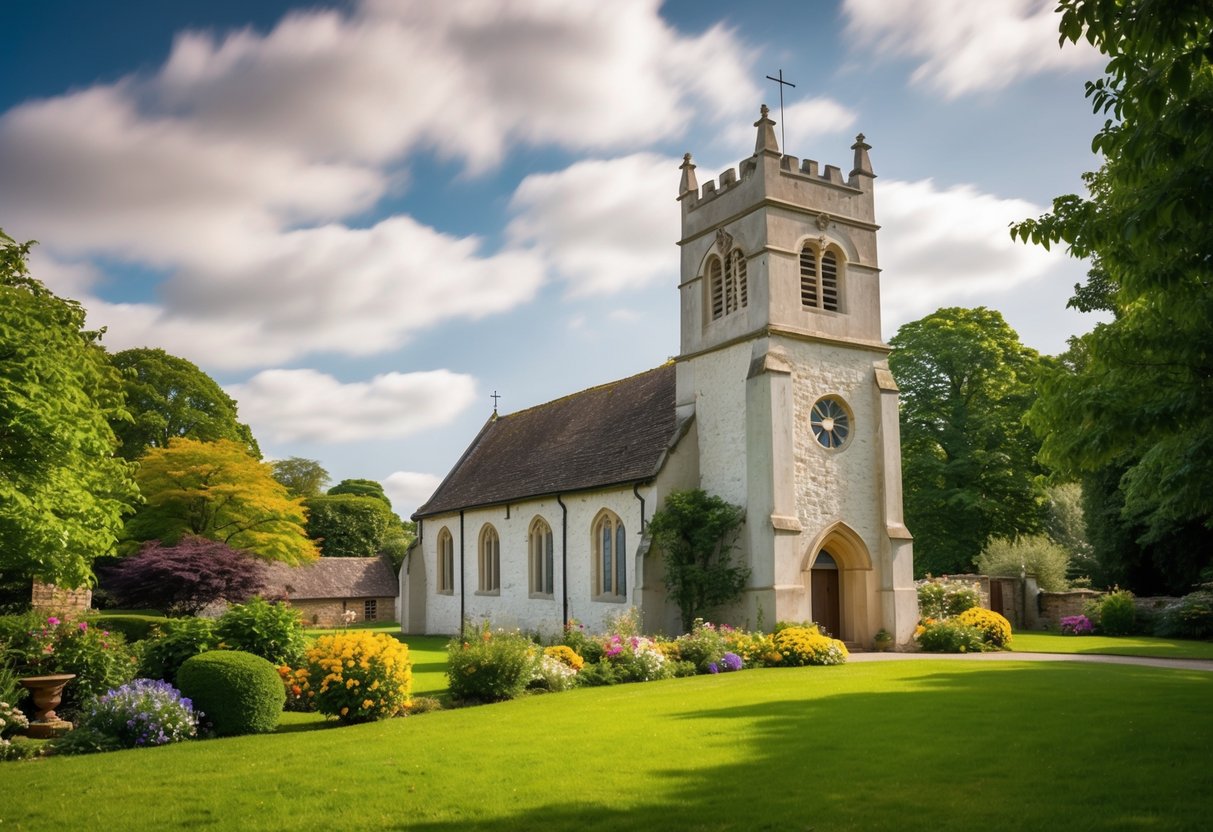
When planning your marriage ceremony in the UK, there are several important aspects to consider. From choosing the type of ceremony to selecting your attire, each choice contributes to your special day.
Choosing a Civil Ceremony
A civil ceremony is a simple and straightforward option for couples looking to get married. This type of ceremony usually takes place in a local register office or an approved venue.
You can personalize your civil ceremony within legal guidelines. This includes selecting music, readings, and vows. You may also want a small number of guests to make it more intimate.
It’s important to book your ceremony date well in advance since popular days can fill up quickly. Check with your local register office for availability and specific requirements.
Hiring a Registrar
To conduct the marriage ceremony, you will need a registered officiant. This person is typically a registrar from your local register office.
The registrar fees for conducting the ceremony can vary based on location and time. Costs can range from £46 for basic ceremonies to higher amounts for weekend dates and popular times, such as evenings or bank holidays.
Make sure to schedule a meeting with the registrar before the big day. They can provide guidance on what to expect during the ceremony and discuss your personal touches.
Decorating the Ceremony Room
Decorating the ceremony room can add your personal style to the day. Most registry offices have guidelines regarding what is allowed.
You can often bring in flowers, banners, or other decorations, but check ahead to avoid issues. Some registrars may also provide basic decorations, so inquire about what is already included.
Consider the size of the room when planning your decorations. You want the space to feel warm and inviting without overcrowding it. Simple touches can make a big difference in creating a lovely atmosphere.
Deciding on Wedding Attire
Choosing your wedding attire is an exciting part of the planning process. Whether you opt for a traditional wedding dress or a simple outfit, comfort is key.
When you select a wedding dress or suit, think about the setting and tone of your ceremony. A registry office wedding may call for formal attire, while a more casual look can fit an outdoor venue.
Don’t forget the accessories! These can reflect your style and add a unique touch. Be sure to break in your shoes in advance to avoid any discomfort on your special day.