
How Much Does Wedding Videographer Cost? 2026 Guide
Wedding videography is a significant part of your budget, and prices can range from a few hundred dollars for limited coverage to several thousand for a full-day film. In the U.S. in 2026, you can expect wedding videographer cost to land around $2,000 to $4,000 for common coverage, with larger productions costing $5,000 or more.
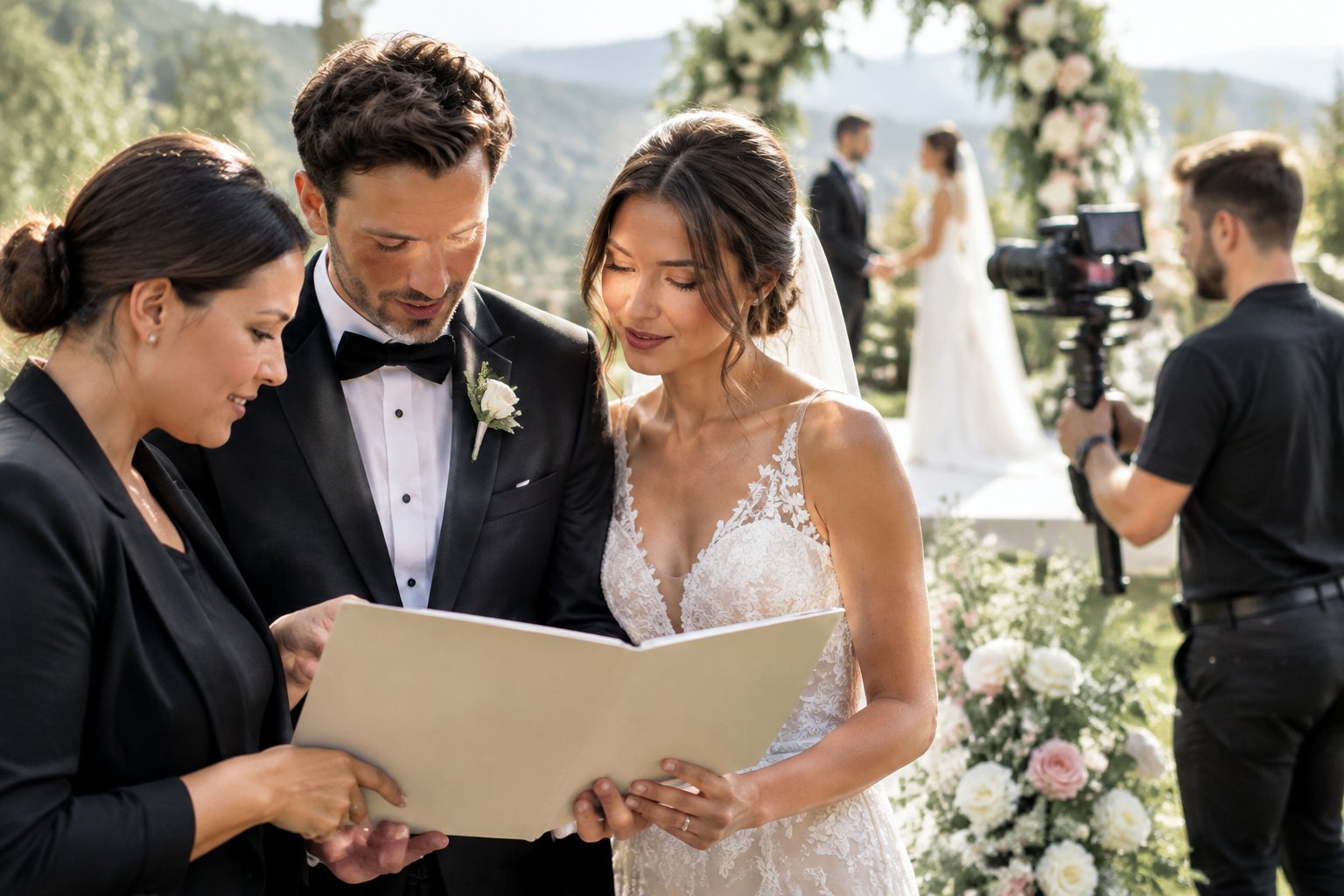
Your final quote reflects the time spent filming and editing, the size of the crew, and the videos you receive. As you plan, compare the package details with your budget and the moments you want to revisit.
What Do Couples Typically Spend?
In 2026, a $2,000 to $4,000 budget covers many U.S. wedding videography needs, while location and package details can move the price in either direction. Reported national averages differ, so use them as reference points and compare quotes for the same coverage.

If you are setting a total spending limit, looking at how much the average person spends on a wedding can help you put video costs in context.
How Do National Estimates Compare?
The Knot Real Weddings Study has reported an average cost of about $2,300 for a wedding videographer. Zola’s 2026 Wedding Cost Index puts its national average at $3,993, with many couples spending between $3,200 and $4,800.
Those figures offer different snapshots of wedding videography cost. A quote below $2,000 may reflect shorter coverage or fewer deliverables, while a package near $4,000 may include a second shooter, more filming hours, and a longer edit.
Why Is There No Single Reliable Average?
National averages draw on different surveys, couples, and package definitions. One estimate may include entry-level bookings, while another reflects higher-cost cities or more extensive films.
Your location also shapes pricing. A videographer working in a major metro area may charge more than one serving a smaller market. Treat the national figure as a starting point, then compare local quotes with matching hours, crew size, and finished videos.
What Does Each Package Tier Include?
A wedding videography package combines filming time with the crew, editing, and finished videos included in your agreement. As you compare wedding videography packages, check each item in the quote so you know what your wedding video package delivers.
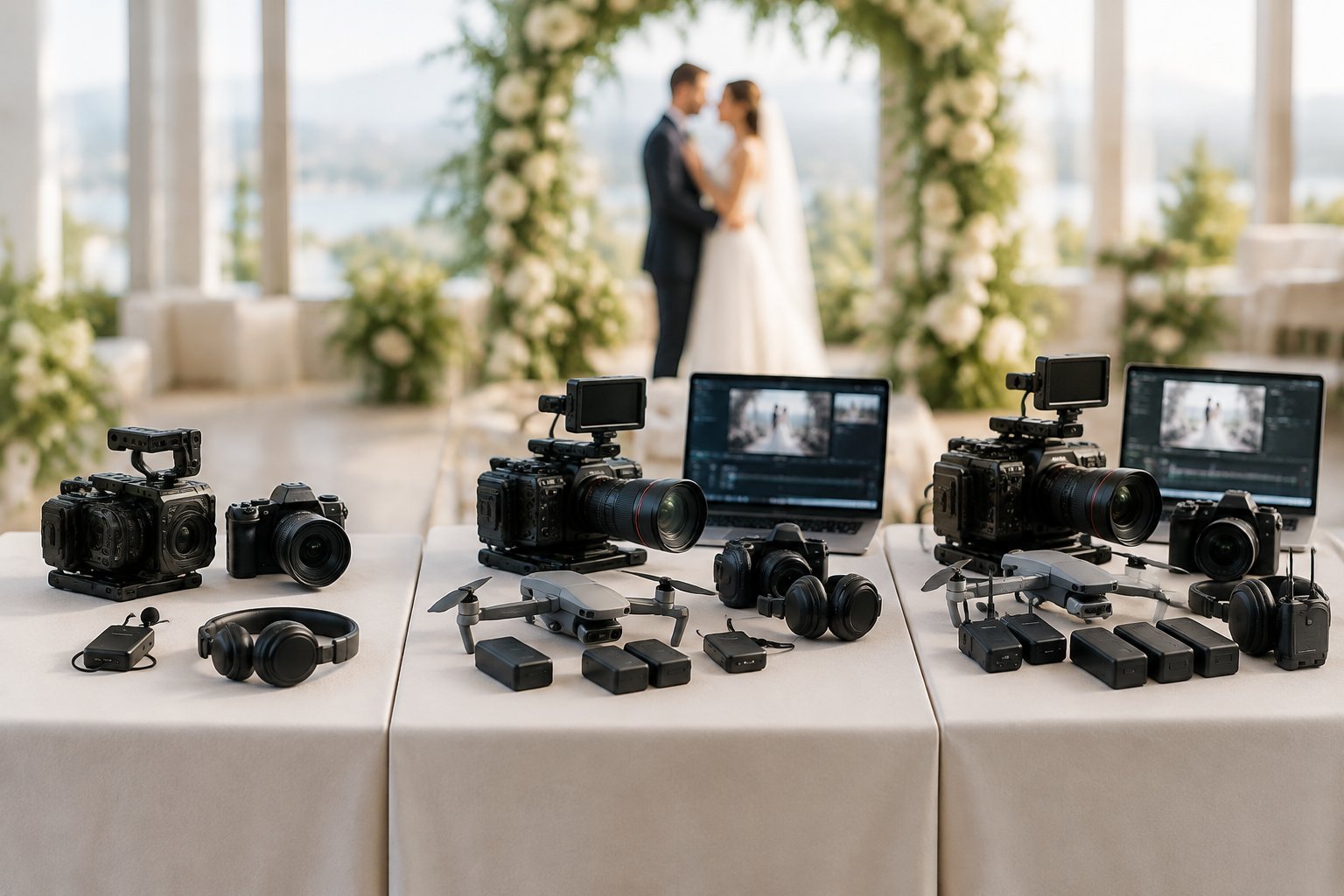
The price bands below are planning ranges, not fixed market rates. Your location, wedding schedule, and videographer’s experience can shift them.
What Can a Budget Package Cover?
A budget package may cost about $1,000 to $2,000 and cover a shorter part of your day with one videographer. You might receive four to six hours of filming and a short highlight film.
This tier can suit an intimate wedding or a schedule focused on the ceremony and reception entrance. Check which moments fall outside the booked hours, and ask how vows and speeches will be recorded.
What Comes With a Mid-Range Package?
A mid-range package often falls between $2,000 and $4,500. It may include six to ten hours of coverage, a highlight film, and sometimes a second shooter or an extra edit.
You may also receive professionally recorded ceremony audio and a longer film that includes key parts of the day. Ask for the exact film length and a sample from a similar package before you book.
What Sets Premium Coverage Apart?
Premium coverage can start around $4,500 and rise well beyond $8,000 for larger productions. Packages at this level may include a multi-person crew, extended filming, several cameras, and multiple finished edits.
You might choose this tier for a large wedding with several locations or a detailed film plan. Confirm which extras are part of the quoted price, since a premium label alone does not define the deliverables.
Which Choices Push the Quote Higher?
Longer coverage, a larger crew, and extra editing work are the main factors that raise wedding videographer cost. Special requests such as drone footage or a same-day edit add time, equipment, or staff.
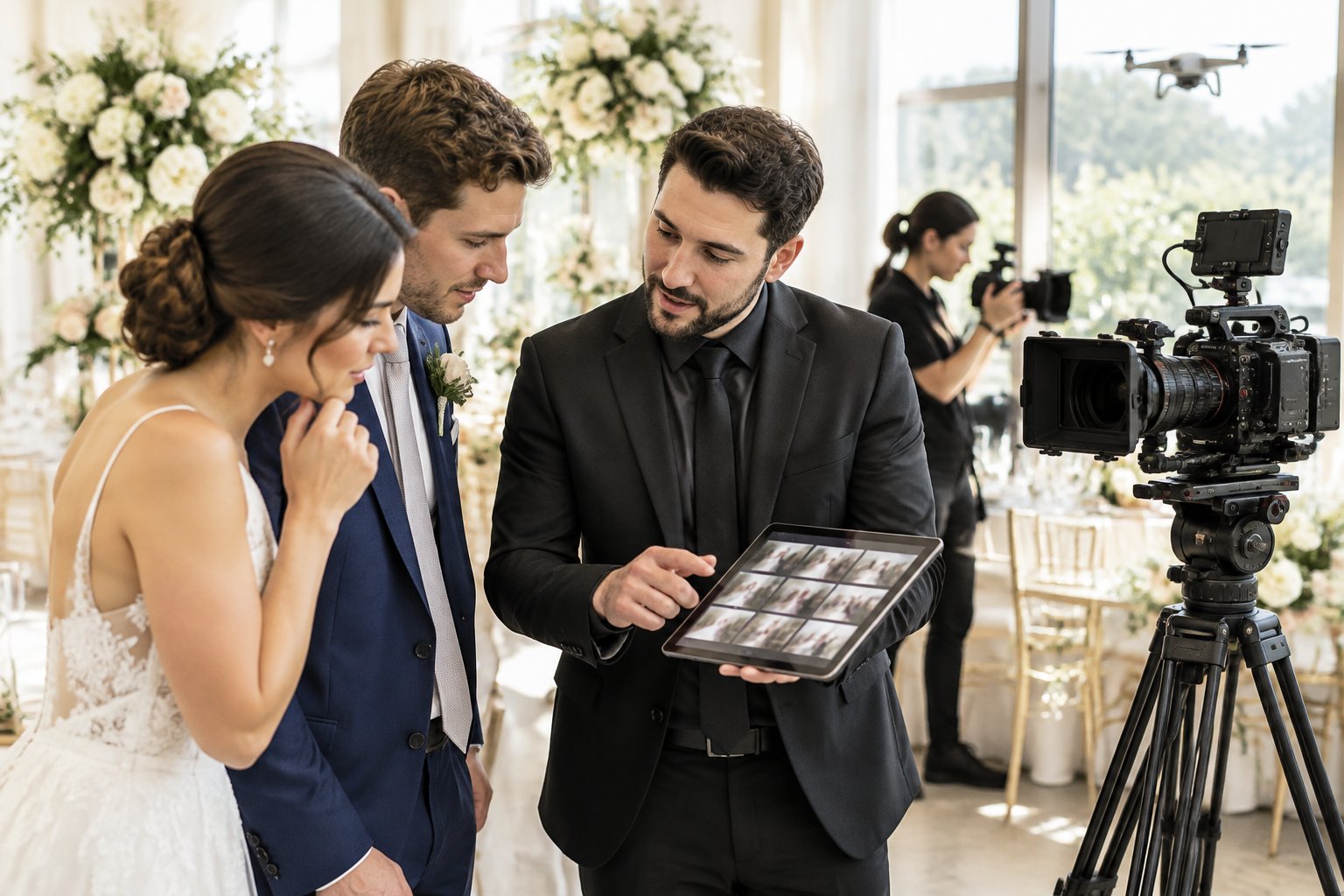
When you compare the videographer’s quote with other vendor costs, an hourly guide to wedding photographer pricing can help you think through how coverage time affects your budget.
How Do Coverage Hours and Crew Size Affect Price?
More filming hours mean more time on site and more footage to review and edit. A package covering preparations through the last dance will cost more than one focused on the ceremony and early reception.
A second shooter raises the price because you are hiring another professional. In return, your team can capture moments happening at the same time, such as one partner getting ready while the other arrives at the venue. If you are weighing camera coverage, how many cameras you need for a wedding video can help you match the setup to your schedule.
What Do Drone Footage and a Same-Day Edit Add?
Drone footage may add a fee for the extra operator, equipment, and time needed to capture aerial views. Your venue’s rules, local flight limits, and weather also affect whether a drone can fly.
A same-day edit is a short film prepared during the wedding and shown at the reception. It calls for a fast workflow and dedicated editing time, so it can raise your quote by several hundred dollars or more. Ask whether the fee includes the screening setup and what length of film you will receive.
How Can Travel and Overtime Change the Total?
Travel costs may include mileage, lodging, parking, or other expenses for a venue outside the videographer’s usual service area. Ask for those fees in writing so they appear in your total before you sign.
Overtime applies when filming runs past the hours in your package. Check the hourly rate and how the team tracks extra time, especially if your reception schedule has no firm end point.
Which Finished Videos Are Worth Paying For?
Choose finished videos based on the moments you want to watch again and the amount of editing you value. A short highlight film gives you a quick way to relive the day, while longer edits preserve more of the ceremony and reception.
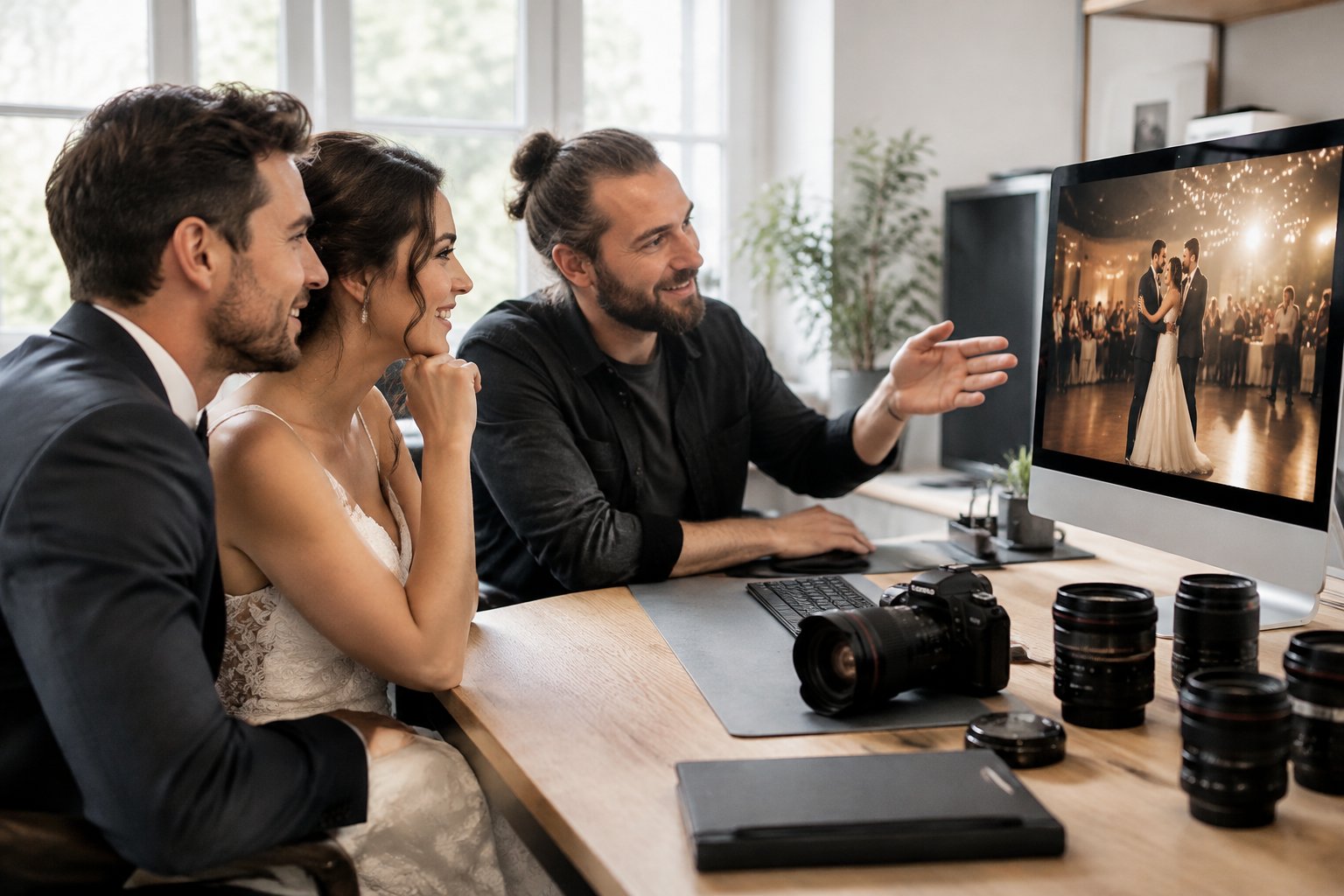
Before you add an extra deliverable, ask for a sample and confirm its length, format, and delivery timeline.
What Is the Difference Between a Highlight Film and a Full Ceremony Edit?
A highlight film is a short, edited wedding film built from selected moments, music, and natural sound. It often runs a few minutes and gives you a polished summary of the day.
A full ceremony edit records the ceremony in sequence, including the vows and readings. It runs longer and preserves the complete event, so it is useful if hearing your full vows and ceremony matters to you.
Should You Pay Extra for Raw Footage or Speeches?
Raw footage gives you unedited clips from the day. It can be useful if you want the original recordings, though it does not have the color, sound mix, or pacing of a finished film. Ask about the file format, transfer method, and any added fee.
A separate edit of speeches preserves the full toasts, including words and reactions that a highlight film may only sample. If you want to hear each speech in full, confirm that the edit includes clean audio and every speaker.
How Can You Compare Quotes and Control Costs?
Compare quotes by matching their filming hours, crew size, audio setup, and finished videos. Once you have those details, you can spot package differences and trim add-ons that hold little value for you.
What Should You Check Before Booking?
Review the contract and ask for details on:
- Coverage hours and the overtime rate
- Number of videographers and cameras
- Ceremony audio and speech recording
- Film lengths, file formats, and delivery dates
- Travel charges, deposits, and cancellation terms
Watch a full film from a wedding similar to yours, along with the highlight reel. The longer sample helps you assess pacing and sound across a complete ceremony or reception segment.
Where Can You Save Without Sacrificing Quality?
Set a clear maximum spend as part of figuring out your wedding budget, then prioritize coverage of the moments you care about. You could choose fewer filming hours, skip a same-day edit, or select one polished highlight film instead of several edited versions.
Keep strong audio in your package if you want to hear your vows and speeches clearly. Before removing a second shooter, check whether key parts of your day happen at the same time; then ask for a revised quote with the specific coverage you want.