
How Much Is a Platinum Wedding Band? 2026 Price Guide
If you’re asking how much is a platinum wedding band, budget about $1,200 to $4,500 for a plain or moderately detailed ring in 2026. Diamond-set bands and custom designs can reach $7,500 or more, with the final price shaped by width, weight, stones, and retailer.
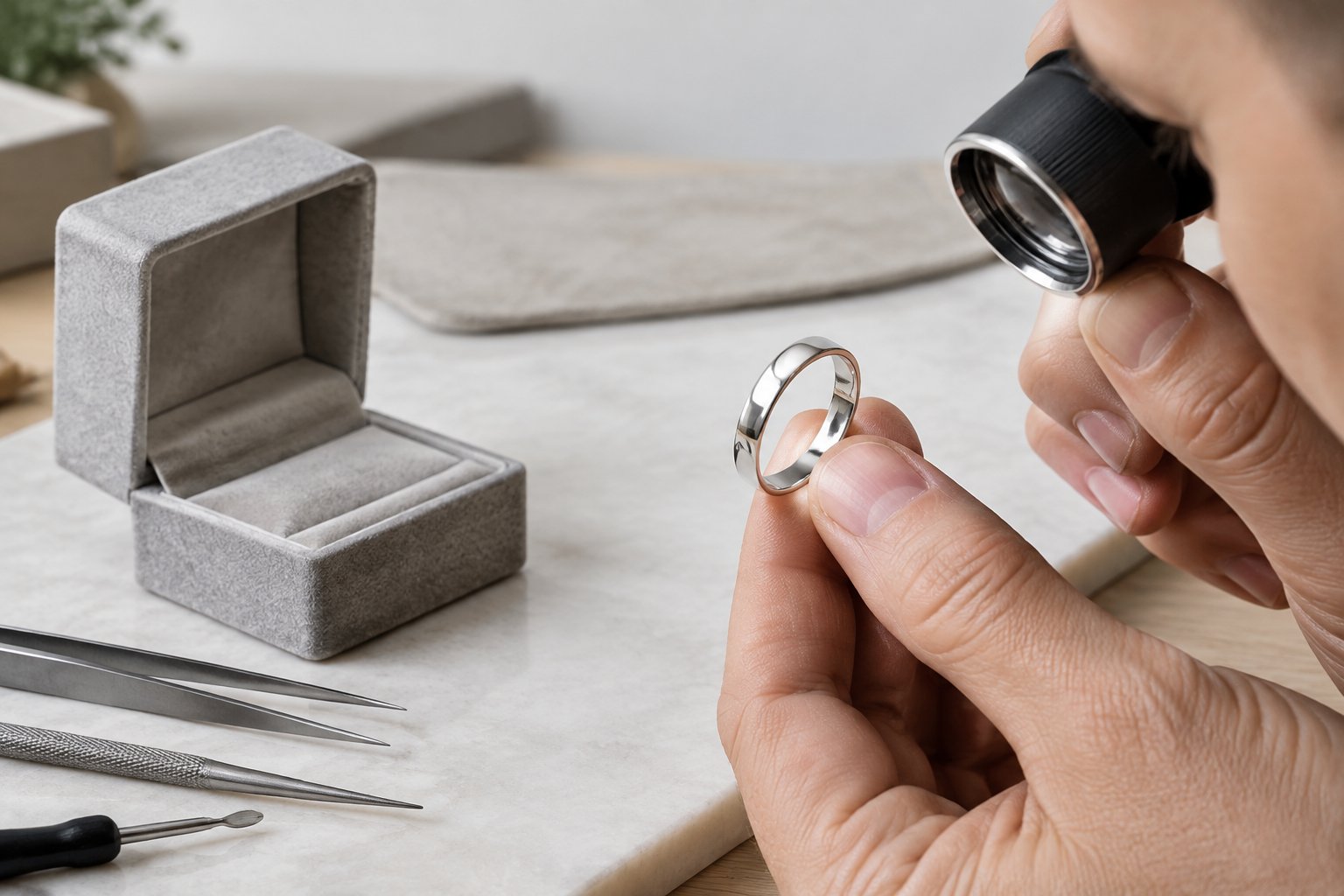
Platinum costs more upfront than many other wedding-band metals, and its density gives the ring a noticeable weight. If you’re setting a spending limit for your rings, start with a practical wedding band budget and leave room for sizing or design changes.
When you’re ready to shop, ask a jeweler for a written quote based on your preferred width and finish.
What Should You Budget by Style and Width?
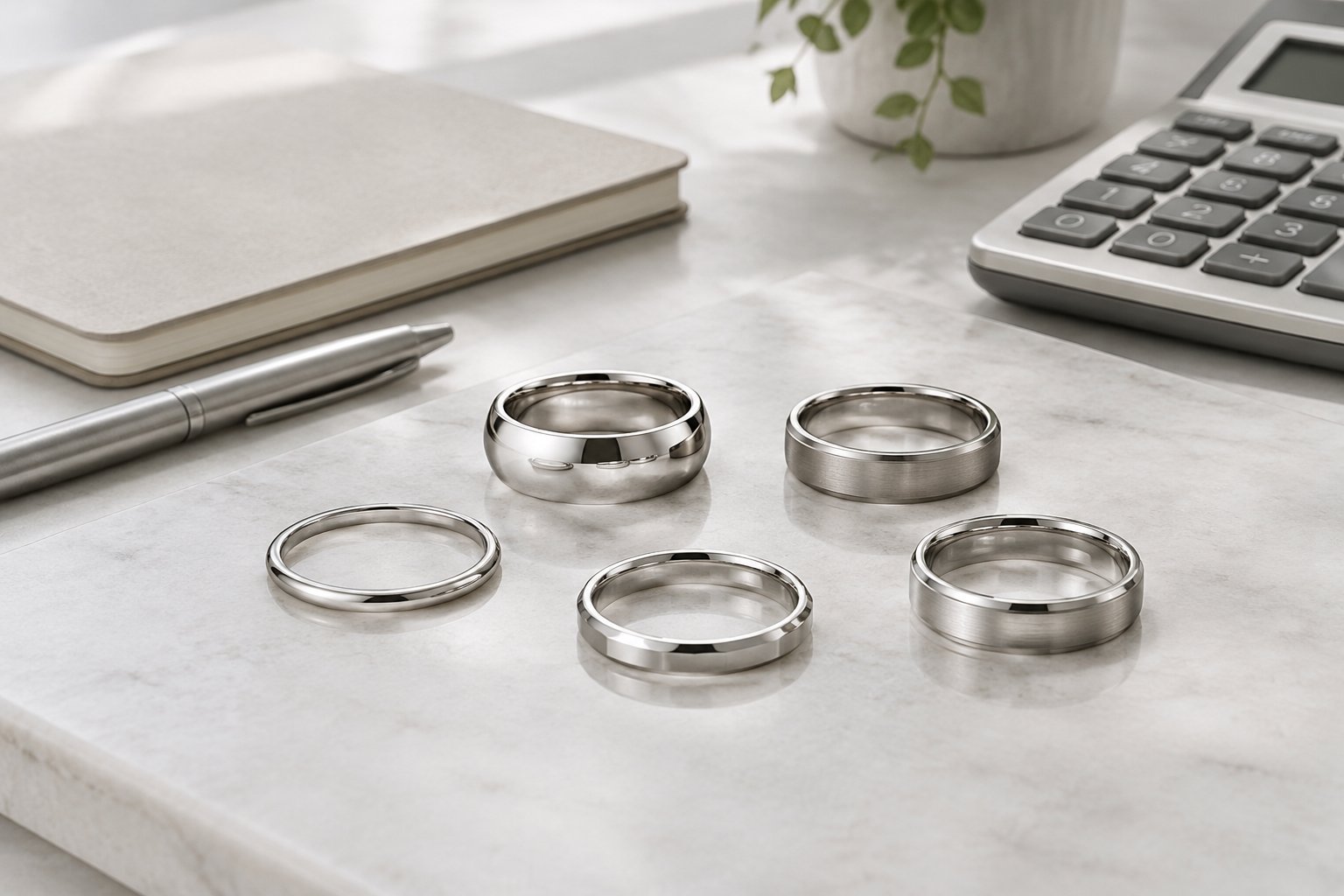
A plain platinum wedding band gives you the clearest starting point: a 4 mm design often falls around $1,200 to $2,500, while a heavier or more detailed ring can cost $2,000 to $4,500. The ranges below help you compare styles, though each retailer prices its designs differently.
What Do Plain Bands Cost?
A basic polished band with no stones is the simplest way to estimate platinum wedding band cost. For a 4 mm band, plan on roughly $1,200 to $2,500. A slimmer ring may cost less, while added thickness, a comfort-fit interior, or a textured finish can raise the price.
A comfort-fit band has a rounded interior designed to feel smooth against your finger. That shaping, along with extra metal, can make it cost more than a basic flat band. If you’re comparing a ring for a man, consider how your width and style choices fit with your planned spend on a man’s wedding band.
How Does Width Affect the Price?
A wider band uses more platinum, so it generally costs more than a narrow band with a similar profile and finish. Moving from 4 mm to 6 mm can make a noticeable difference, especially if the ring is also thick or domed.
Width affects how a ring looks and feels on your hand, too. If you’re choosing between two sizes, try both on and check that the wider option feels comfortable through the day. A retailer’s published width and ring size help you compare platinum wedding bands with similar designs.
How Much Do Diamond and Custom Designs Add?
Diamonds, custom details, and labor-intensive finishes can push the price well above that of a plain band. Diamond-set platinum bands may range from about $2,500 to $7,500, with larger stones or more coverage increasing the cost. Custom designs can also exceed $7,500, depending on the materials and work involved.
Before choosing a stone-set style, ask for the diamond details, including stone count, total carat weight, and whether the stones are natural or lab-grown. For a broader price reference, compare your estimate with average wedding ring costs.
What Drives the Final Price?
The final price reflects the amount of platinum in the ring, the work needed to shape and finish it, and the retailer’s pricing. Matching those details lets you see why two rings with similar designs may carry different price tags.
How Do Weight and Ring Size Affect Cost?
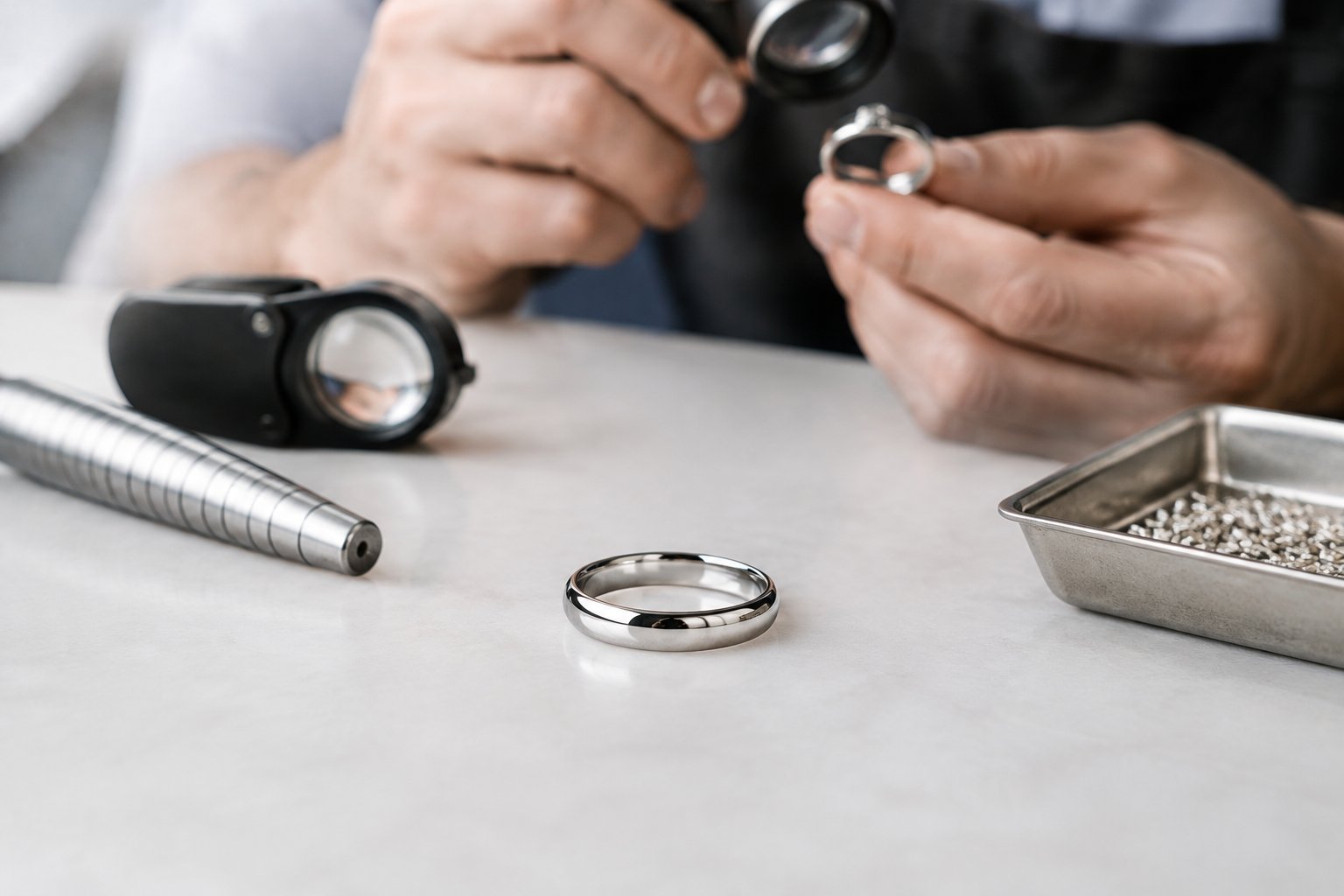
A heavier ring contains more platinum, which raises its material cost. Width, thickness, profile, and ring size all affect weight. A broad, domed band can use more metal than a narrow, flat ring, even when both share the same diameter.
Ask for the ring’s weight in grams if the seller provides it. That figure gives you another way to compare similar plain bands, especially when one design looks close to another but costs more. A larger ring size also uses more material, so the same style may have a higher price in a larger size.
How Much Does Craftsmanship Matter?
Craftsmanship affects the time and skill needed to shape, set, and finish a band. A plain polished ring has fewer details than a hand-finished design with engraving, milgrain edges, or a complex profile. Each added step can increase labor costs.
If a ring includes diamonds, ask how the stones are set and what the warranty covers. For a polished look, check whether the finish is even across the inside and outside of the band. Small details help explain what gives a wedding ring an expensive look, while the metal weight and craftsmanship help explain its price.
How Can Brand and Retailer Pricing Differ?
Two retailers may charge different prices for rings with similar metal content and design. Brand name, service, design work, and retailer markup can all affect the tag. Compare the ring’s specifications and included services before treating a higher price as a sign of better quality.
Check whether the quote includes engraving, resizing, taxes, shipping, or a warranty. A lower listed price may not include the same services as a higher one. Ask what is covered in writing so you can compare the full cost.
How Does 950 Platinum Compare With Other Metals?
A 950 platinum band is 95% platinum, while white gold uses gold mixed with other metals and may have a rhodium-plated surface. Platinum costs more upfront in many designs, and its naturally white color avoids the replating associated with white gold.
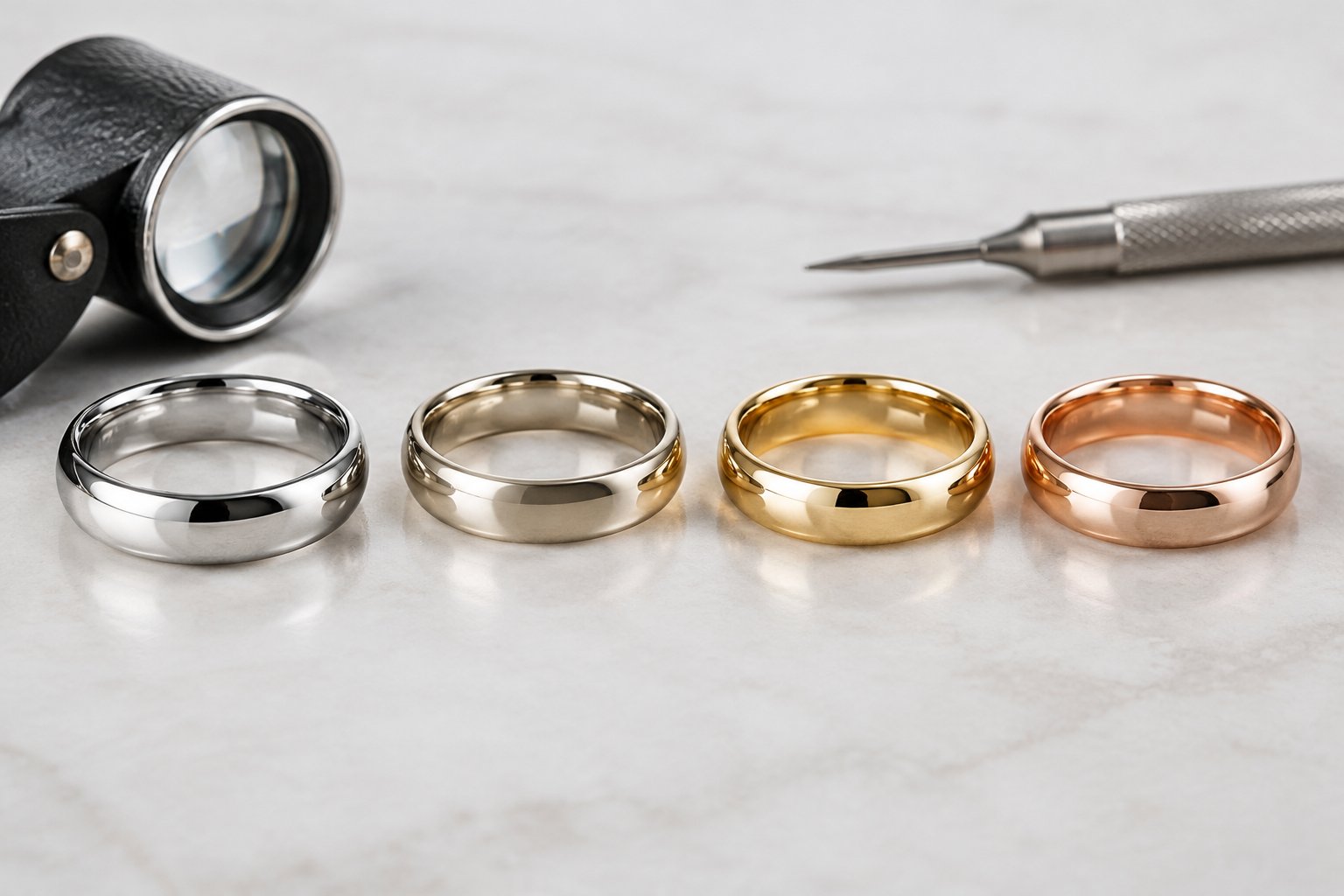
| Feature | 950 platinum | White gold |
|---|---|---|
| Metal content | 95% platinum | Gold mixed with alloys |
| Natural color | White | Warm white beneath plating |
| Rhodium plating | Not needed | Often used for a bright white finish |
| Feel | Dense and weighty | Lighter for a similar size |
| Upfront price | Often higher | Often lower |
What Does a 950 Platinum Stamp Mean?
A 950 stamp means the ring contains 950 parts platinum per 1,000 parts metal, or 95% platinum. The remaining 5% consists of alloy metals used to support the ring’s strength and workability. You may also see a mark such as Pt950 or 950Pt inside the band.
Check for a clear purity mark and ask the seller to confirm the metal composition. A stamp helps you identify the stated fineness, while a written product description gives you the details to keep with your purchase records.
How Does Platinum Compare With White Gold?
Platinum has a naturally white color and a heavier feel. White gold is made by combining gold with other metals, and its appearance can be finished with rhodium plating. Platinum may have a higher purchase price, while white gold can need periodic replating to maintain a bright surface.
Your choice also depends on the gold purity you’re considering. If you’re weighing those options, compare 14K and 18K white gold for a wedding band alongside platinum’s weight and care needs.
Why Doesn’t Platinum Need Rhodium Plating?
Platinum is naturally white throughout the ring, so it does not need rhodium plating to create a white finish. White gold’s rhodium layer can wear with regular use, and a jeweler may need to restore it when the underlying color shows through.
Platinum can develop surface marks with daily wear, but those marks change its finish rather than its color. If you prefer a bright, polished look, a jeweler can refinish the surface.
What Should You Check Before Buying?
Before you buy, get a quote that spells out the ring’s metal purity, weight, dimensions, included services, and return terms. These details make it easier to compare rings accurately and avoid surprises after checkout.
Which Details Should a Quote Include?
A useful quote lists the price, platinum purity, ring size, width, thickness, and estimated weight. If the band includes stones, check the stone type and specifications. The quote should also identify extra charges for engraving, resizing, shipping, or taxes.
Ask whether the quoted price is fixed or subject to change before purchase. Keep a copy of the quote and product description so you can check that the ring you receive matches the agreed details.
How Can You Compare Rings Fairly?
Compare rings with the same purity, width, size, profile, and finish. If one band includes diamonds or custom work, account for those features before comparing it with a plain design. A lower price alone does not show whether two rings contain the same amount of platinum or include the same services.
If you’re buying online, check the seller’s product specifications and customer service terms. For in-store shopping, try on rings with similar widths and profiles to judge the weight and fit on your finger.
What Should You Know About Returns and Sizing?
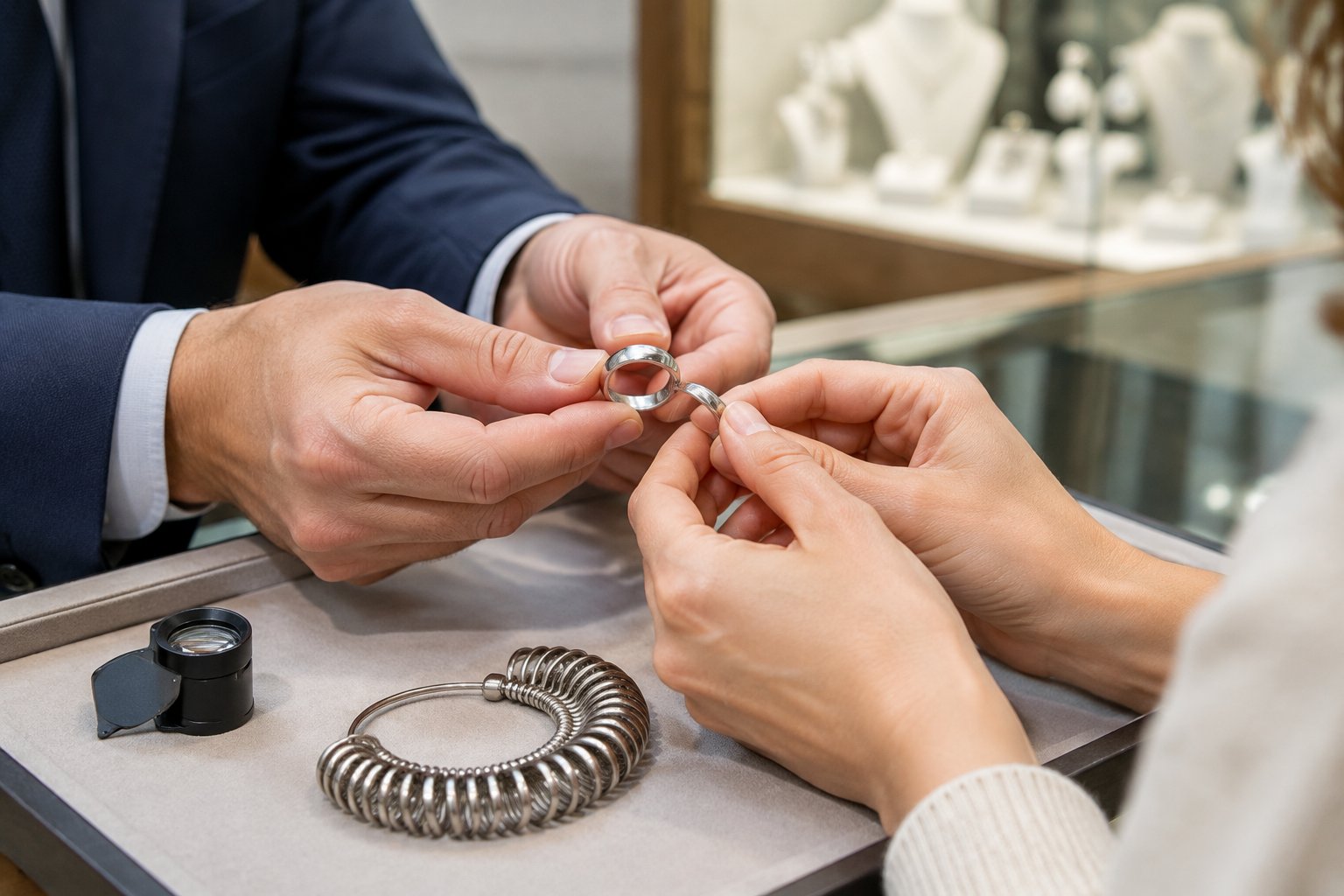
Read the return, exchange, and resizing policies before you pay. Custom rings and engraved pieces may have different return terms from stock designs. Confirm whether resizing is included, how long it takes, and what it costs if you need it later.
Get your finger sized by a professional, and ask how the ring’s width affects the fit. Wider bands may feel tighter than narrow ones in the same size, so an in-person fitting can help you choose comfortably.
What Are the Long-Term Care and Wear Considerations?
A platinum wedding band develops surface marks with daily wear, and its finish can be polished or left to form a soft patina. Basic cleaning and occasional professional service help keep the ring in good condition.
Will Platinum Scratch or Develop a Patina?
Yes. Platinum can scratch, and repeated surface marks create a soft, satin-like patina over time. The metal shifts around a scratch, which means the ring’s surface changes as it wears.
Some people like this lived-in finish; a jeweler can polish the band if you prefer a brighter shine. Remove your ring for activities that expose it to hard impacts or rough surfaces. This helps reduce the chance of dents or deep marks.
What Maintenance Might the Band Need?
Clean your band at home with warm water, mild soap, and a soft brush, then dry it with a soft cloth. A jeweler can inspect the ring and refresh its polish when you want to restore a smoother finish.
If your band has diamonds, ask for periodic checks of the settings. Platinum does not need rhodium plating, though polishing and resizing may involve a service charge.
Keep your receipt and any care or warranty information, and ask the jeweler about costs before scheduling maintenance.