
How Much is the Average Bridal Bouquet? A Guide to Floral Pricing for Your Big Day
When planning your wedding, every detail matters, and one of the key elements to consider is your bridal bouquet. The average cost of a bridal bouquet ranges from $100 to $400, depending on factors like flower type and design complexity. This makes it easy to find something beautiful that fits your budget.
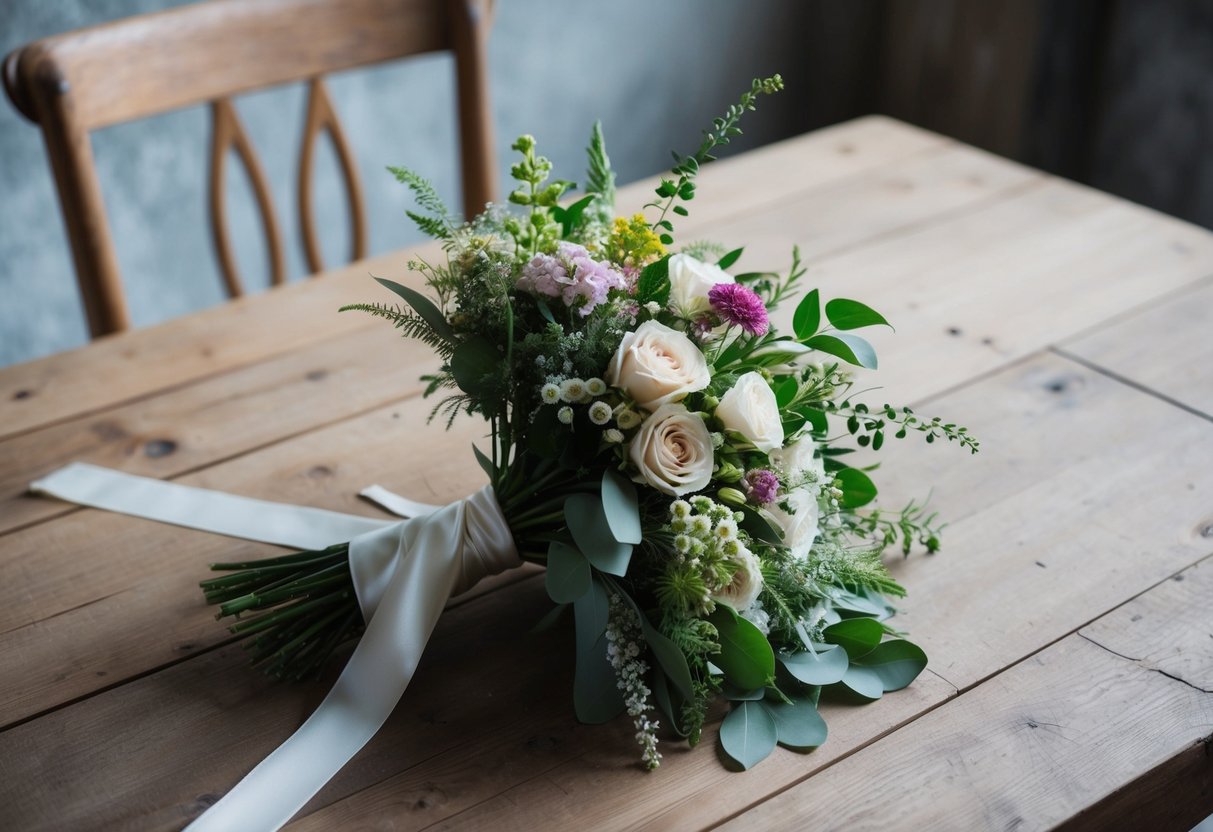
As you dive into wedding planning, understanding flower costs is essential. The bridal bouquet is often a focal point and represents your unique style. Knowing the average price helps you make informed decisions and avoid overspending.
With so many options available, you’ll want to find a bouquet that enhances your special day. By exploring the different styles and costs, you can choose the perfect arrangement that complements your wedding vision while staying within your budget.
Bridal Bouquet Basics
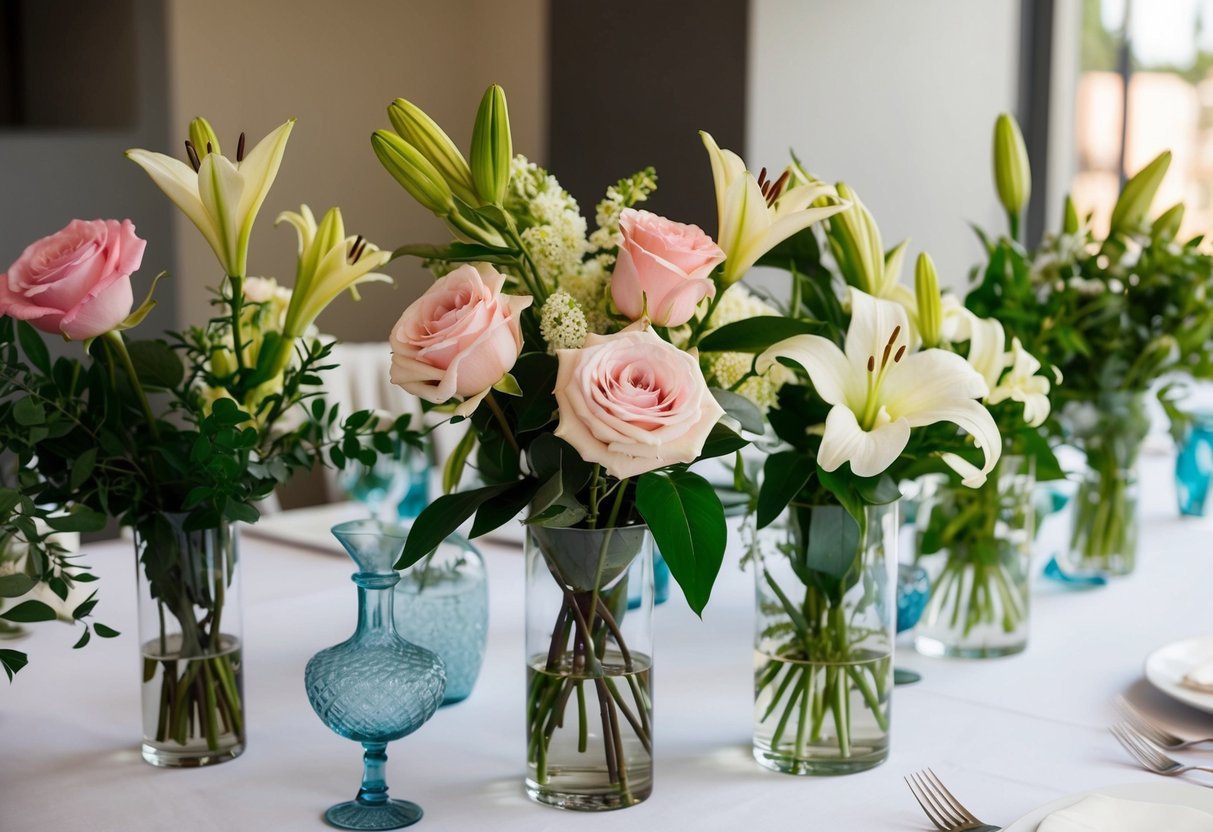
When planning your wedding, the bridal bouquet is an essential aspect to consider. It holds meaning, serves as a design element, and enhances your overall look. Here are some key factors about bridal bouquets that can help you choose what’s best for your special day.
Significance of the Bridal Bouquet
The bridal bouquet is not just a collection of flowers. It symbolizes love, beauty, and new beginnings. Many brides choose flowers that hold personal meaning or represent their love story.
Traditionally, brides carry their bouquets down the aisle. It can also be a way to express their style and personality. Whether you prefer classic roses or vibrant wildflowers, the bouquet can reflect who you are.
Additionally, some couples use flowers in their bouquets for sentimental reasons, such as representing family heritage or anniversaries. This significance will make your bouquet even more special to you.
Choosing the Right Bouquet Size
One key decision is the size of your bouquet. The right size should complement your wedding dress and your overall body shape.
- Small Bouquets: Great for petite brides while adding elegance without overwhelming the dress.
- Medium Bouquets: Perfect for a balanced look, fitting well with most dress styles.
- Large Bouquets: These can create a bold statement but may require more careful handling.
Consider how your bouquet fits into your wedding theme, too. A simple, cascading bouquet might suit a rustic wedding, while a structured design could match a formal event.
Remember to practice holding your bouquet to see how it feels and looks in your hands before the big day.
Fresh vs. Artificial Flowers
Choosing between fresh and artificial flowers affects not only the look of your bouquet but also your budget and maintenance.
Fresh Flowers: These offer vibrant colors and scents. However, they may wilt if the weather is hot. Fresh bouquets require care and should be arranged just before the ceremony.
Artificial Flowers: These are durable and can be made from various materials. They last longer, allowing for preparation ahead of time. Plus, they are often less expensive and can be kept as a keepsake.
Think about your priorities. If you prefer a bouquet that lasts and can be reused for other events, artificial flowers might be your best choice. If you want a classic look and feel, fresh flowers will be ideal.
Cost Factors for Bridal Bouquets
When planning your bridal bouquet, several key factors can influence the overall cost. Understanding these can help you make informed choices that fit your style and budget.
Influence of Flower Seasonality
The season of your wedding plays a significant role in the cost of your bridal bouquet. Using in-season flowers is usually more affordable since they are abundant and readily available. For example, blooms like peonies and hydrangeas are cheaper in late spring and summer.
If you choose flowers that are out of season, the cost can rise significantly. Specialty or imported flowers often come with a higher price tag. Be sure to ask your florist for recommendations on seasonal flowers that match your vision and budget.
Design Complexity and Customization
The complexity of the design impacts the price of your bouquet, too. A simple arrangement with fewer flowers and minimal greenery tends to be less expensive. However, intricate designs that use various flower types and additional elements can drive the cost up.
Customization can also add to the price. If you want personalized touches or unique arrangements, be prepared for additional charges. Discuss your ideas with your florist, as they can provide options that keep your costs manageable while still looking stunning.
Geographical Location Impacts
Where you are getting married matters as well. Floral prices can vary greatly based on your geographical location. Urban areas often see higher costs due to increased demand and transportation fees.
On the other hand, rural areas may offer better pricing options for locally sourced flowers. It’s essential to shop around and explore florists in your area. You might find significant differences in pricing and services offered, so don’t hesitate to compare!
Wedding Flower Budgeting
When planning your wedding, understanding how to budget for flowers is crucial. You want beautiful arrangements without overspending. Here are some helpful tips to make the most of your wedding flower budget.
Allocating Your Floral Budget
Start by deciding how much of your total wedding budget you want to allocate to flowers. On average, floral expenses make up about 8% to 10% of the total wedding budget.
If your overall budget is $20,000, consider setting aside $1,600 to $2,000 for floral arrangements.
Be specific about what you want. Consider which flowers are essential. Will you need a bridal bouquet, bridesmaid bouquets, and centerpieces? List these items to help guide your spending. This way, you can prioritize what matters most to you.
Understanding the Average Costs
The cost of wedding flowers can vary widely based on your choices. For a bridal bouquet, you might spend between $100 to $350. Bridesmaids’ bouquets typically range from $50 to $110 each.
Centerpieces can vary significantly as well, costing from $50 to $600 each. The total cost of flowers for weddings averages around $1,757, according to some estimates. Keep in mind that prices can increase based on the season and flower type.
To get the best value, compare prices from different florists. Don’t hesitate to discuss your budget with them. A good florist can help you find the best options for your style without breaking the bank.
Budget-Friendly Flower Alternatives
If you’re looking to save on your floral budget, there are several budget-friendly alternatives.
Consider using seasonal flowers, which are often less expensive. For example, sunflowers or daisies tend to be cheaper options in summer.
Another approach is to use greenery as a base for arrangements. A simple design with lots of greenery can look lush and elegant while being cost-effective.
You might also want to think about renting floral decorations. This can significantly reduce costs and allow you to have the look you want without the commitment. Lastly, consider DIY options for smaller arrangements or decorations, which can be a fun project for you and your friends.
By exploring these options, you can enjoy beautiful wedding flowers without exceeding your budget.
Additional Wedding Flower Considerations
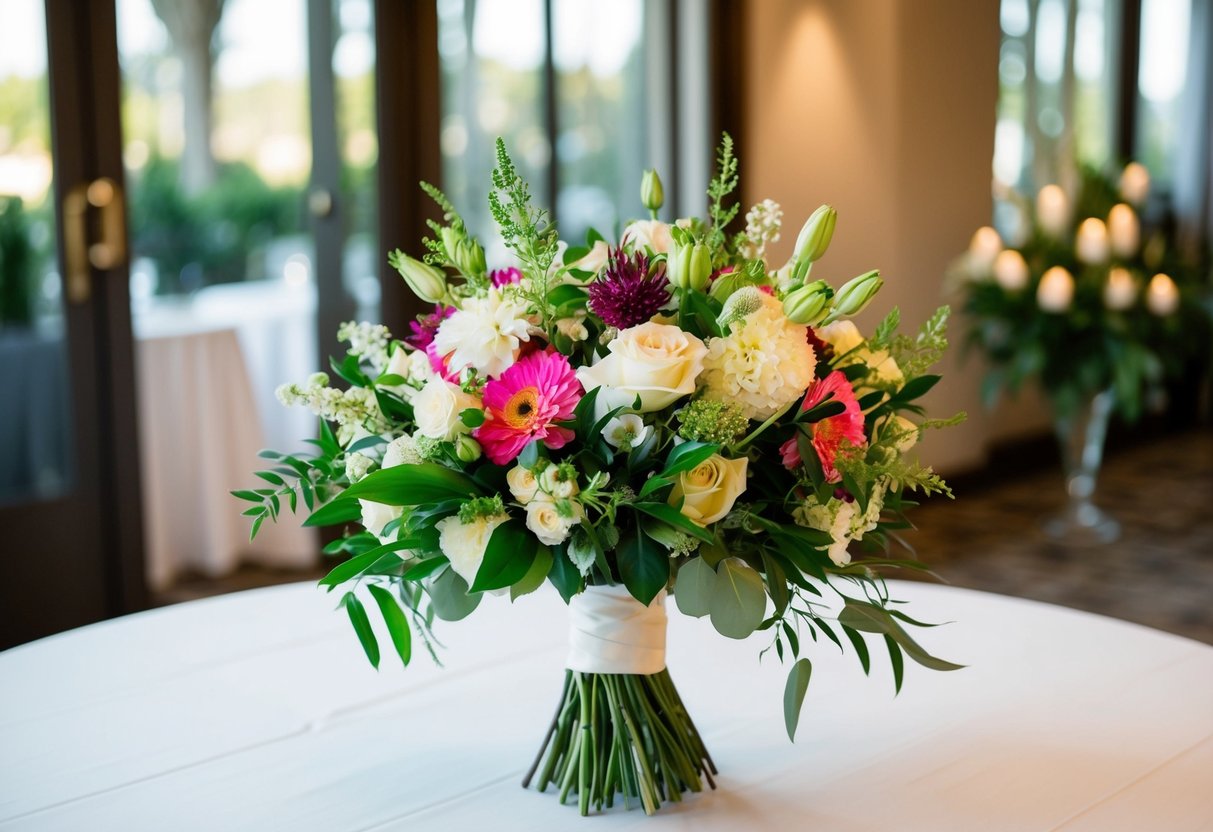
When planning your wedding flowers, think beyond just the bridal bouquet. A variety of floral elements can enhance your wedding’s beauty and theme, adding special touches throughout the day. Here are some important aspects to consider.
Corsages and Boutonnieres
Corsages and boutonnieres are charming additions for your wedding party. Corsages are often worn by mothers and grandmothers, while boutonnieres are pinned to the groom and groomsmen.
You can choose flowers that match your bouquet for a cohesive look. Common choices include small roses, orchids, or greenery for a simple touch. The average cost for corsages can range from $20 to $50, while boutonnieres may cost between $15 and $30 each.
These pieces not only add elegance but also show appreciation for your loved ones involved in the ceremony.
Ceremony and Reception Decor
Flowers play a vital role in both your ceremony and reception decor. Ceremony flowers can range from arrangements by the altar to floral installations that frame the space. For the reception, think about table centerpieces that tie into your wedding theme.
Consider using unique pieces like floral arches or hanging installations to create a stunning look.
Average costs for ceremony decor can vary, commonly running from $500 to $2,500, depending on floral choice and design complexity. Reception decorations can also add significant beauty, anywhere from $300 to $1,500, depending on the number of tables and style.
Creative Additions and Theme Integration
Integrate your flowers creatively to fit your wedding theme. For a boho look, think about using a flower crown. If you’re going for a rustic setting, lush greenery can complement it.
You can also personalize your decor with special elements. For example, use floral arrangements based on your favorite blooms. Or, try seasonal flowers that reflect the time of year.
Don’t forget about unique items like flower walls or floral accents on your cake. These creative additions can range in price. Larger installations can cost significantly more, from $1,000 to $5,000, depending on size and complexity. Consider your budget and prioritize what adds value to your special day.