
How Much Should a Man Spend on a Wedding Ring? Essential Tips for Choosing the Perfect Ring
When it comes to buying a wedding ring, many people wonder about the right amount to spend. Understanding how much to allocate for a man’s wedding ring can help you make a decision that fits both your finances and your personal style.
On average, men typically spend between $700 and $1,200 on a wedding band, but this can vary based on materials and design.
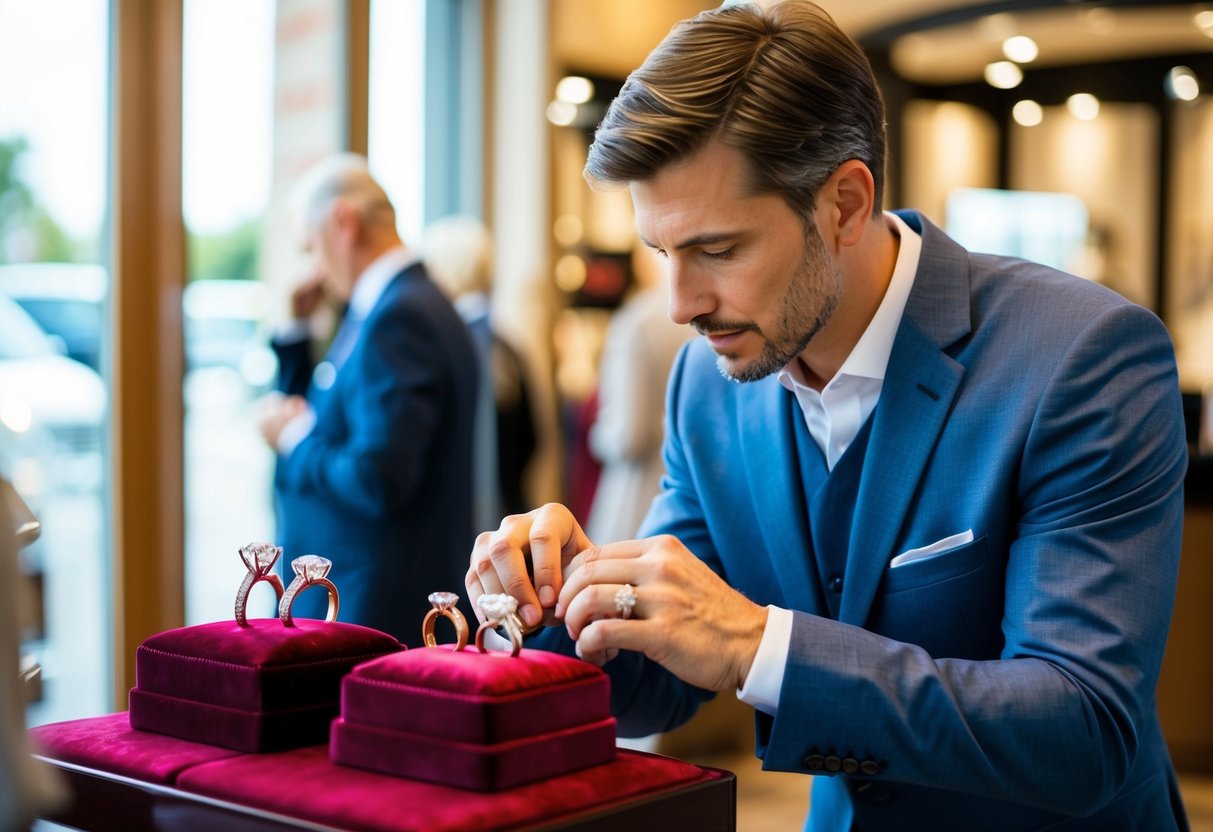
Finding the perfect ring is not just about the cost; it’s also about what feels right for you and your partner. Factors like your wedding budget and lifestyle choices play a crucial role in your decision. Whether you lean towards traditional metals like gold or modern options like tungsten, knowing your spending range can simplify the process.
The key to purchasing the right wedding ring is balancing quality and budget. Think about what you want to express through your ring. With careful consideration, you’ll find a ring that meets your needs and symbolizes your commitment.
Understanding Wedding Ring Costs
When thinking about wedding rings, understanding their costs can help you make informed decisions. This includes knowing what influences pricing and what the average costs are for various styles and materials.
The Basics of Ring Pricing
Wedding ring prices can vary widely. Basic wedding bands may start at just a couple hundred dollars, while more elaborate rings can cost several thousand.
For a simple metal band, you might spend around $250. On the other hand, higher-end rings, such as those with diamonds or unique designs, can push prices closer to $2,200.
Engagement rings typically attract more attention due to their gemstones. Most men spend between $1,000 to $3,000 on an engagement ring, reflecting its significance and design complexity.
Average Cost of Wedding Rings
The average cost of a wedding ring can depend on various factors. Men’s wedding bands generally cost between $510 and $560, according to recent statistics. Women’s wedding rings can also vary, often starting around $1,000 for those with diamonds.
One important point to note is that diamond engagement rings, known for their beauty, can greatly affect your budget. The average diamond engagement ring costs approximately $5,500. When you factor in both rings, your total spending can add up quickly.
Factors That Affect Ring Price
Several factors influence the price of wedding rings. One of the most significant is the type of material used.
Gold rings tend to be more expensive than those made from titanium or stainless steel. Also, the presence of gemstones will increase costs.
Diamonds are always a popular choice, but their quality can vary greatly. Consider the 4Cs: cut, color, clarity, and carat weight. Each of these factors can significantly impact the final price you pay for a ring.
Additionally, design complexity plays a role. Custom designs or intricate styles often come at a higher price. With these factors in mind, you’ll be better equipped to choose a wedding ring that fits your style and budget.
Choosing the Right Materials
When picking a wedding ring, the choice of materials is important. Different metals have unique qualities that can affect durability, maintenance, and appearance. You want a ring that matches your style and lifestyle.
Gold Rings: Pros and Cons
Gold is a popular choice for wedding rings, with options like yellow gold, white gold, and rose gold. One benefit of gold rings is their classic appearance. Yellow gold offers a warm, traditional look, while white gold has a more modern, sleek finish.
Gold purity is measured in karats. For example, 14-karat gold is harder and more durable than higher purities but has a lower gold content. However, gold may scratch over time. If you’re active, consider a more durable metal.
Platinum vs. White Gold vs. Sterling Silver
Platinum is a strong and durable choice for wedding rings. It resists scratching and tarnishing, making it ideal for daily wear. However, it is usually more expensive than gold.
White gold is an alloy that combines gold with metals like palladium. It is plated with rhodium for a shiny finish, but this plating can wear off and need reapplication.
Conversely, sterling silver is a budget-friendly option. It has a bright shine but can tarnish easily and may require regular polishing. If you’re looking for something more durable, platinum might be the best choice.
Alternative Materials
If you’re open to something different, consider alternative materials like titanium or tungsten. Both are highly durable and scratch-resistant. Titanium is lightweight and hypoallergenic, perfect for those with sensitive skin.
Tungsten offers a modern, industrial look and is extremely hard, making it very resistant to scratches. Ceramic is another option; it’s lightweight and available in various colors. Each of these materials has unique features that can fit your style and budget.
Selecting the Gemstone
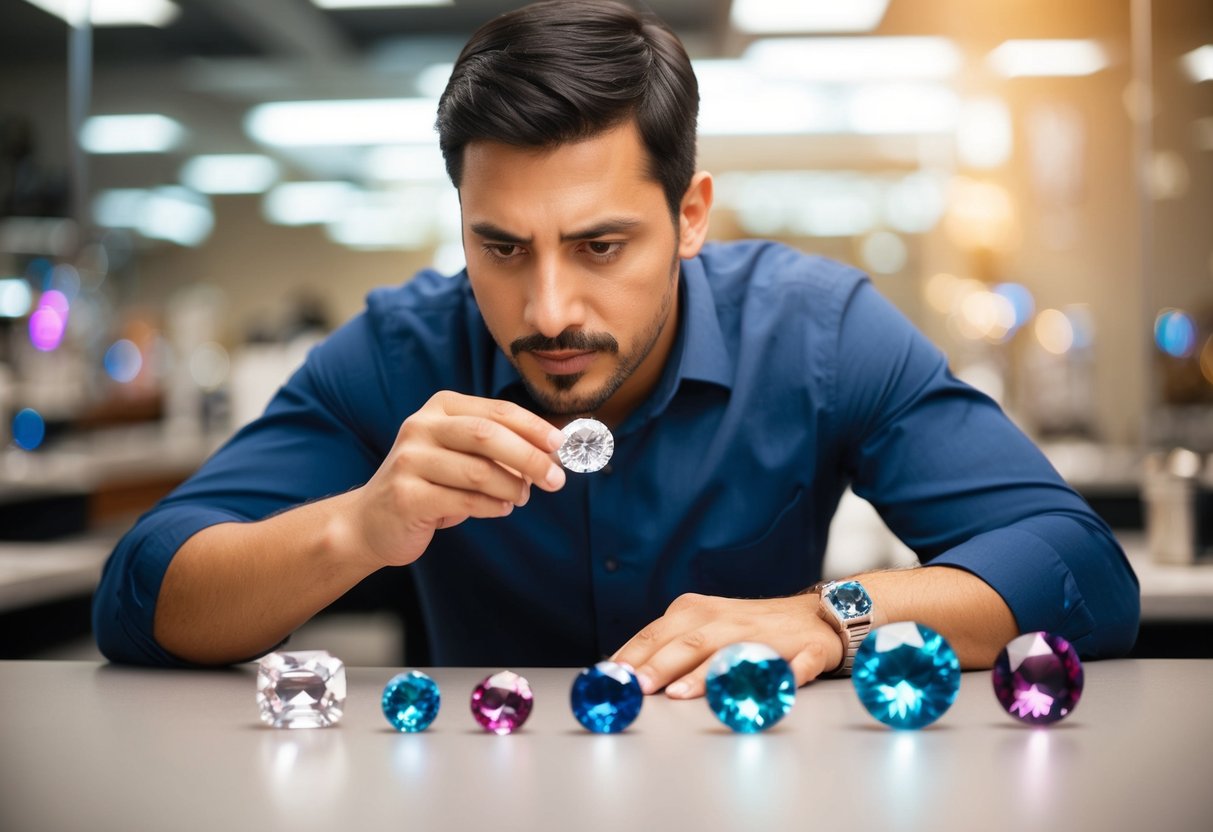
Choosing the right gemstone for a wedding ring involves understanding the different options available and their unique qualities. You’ll want to consider factors like color, clarity, and cut, as well as the type of gemstones that suit your or your partner’s style.
Diamond Quality and Characteristics
When selecting a diamond, focus on the Four Cs: carat, color, clarity, and cut.
- Carat refers to the weight of the diamond, which affects its size. Larger carat weights are typically more expensive.
- Color ranges from colorless to shades of yellow or brown. The more colorless the diamond, the higher the quality and value.
- Clarity notes the presence of blemishes or inclusions. A clearer diamond is more desirable.
- Cut impacts how well the diamond reflects light. A well-cut diamond will sparkle more.
Understanding these characteristics will help you select a diamond that aligns with your budget and preferences.
Sapphires, Rubies, and Emeralds
Other popular gemstones include sapphires, rubies, and emeralds.
- Sapphires are celebrated for their deep blue color but are also available in other shades. They are durable, making them great for everyday wear.
- Rubies possess a rich red hue and symbolize passion. Their rarity often means higher prices.
- Emeralds are known for their vibrant green color and unique inclusions, which can affect their clarity and value.
These stones offer unique beauty and meaning, allowing you to choose one that resonates with you or your partner’s personal style.
Lab-Grown Diamonds and Other Alternatives
Lab-grown diamonds are real diamonds created in a controlled environment. They have the same physical and chemical properties as mined diamonds but are often 20-40% cheaper.
This option is great if you want a diamond without the high cost.
You can also consider alternative gemstones, like moissanite, which offers excellent sparkle at a lower price. They can be ethical choices and are available in various styles and colors.
Exploring these alternatives can help you find something unique for your wedding ring.
Customization and Final Considerations
Personalizing a wedding band can make it special and unique to your relationship. Customization options are plentiful, allowing you to add meaningful touches. Additionally, ensuring the right fit is crucial for comfort and style.
Bespoke Designs and Personal Touches
When selecting a wedding band, consider bespoke designs to reflect your personality. You can choose from various styles, materials, and finishes. Think about combining metals or adding textures to create something truly unique.
Engraving is another popular option. You might include initials, a special date, or a short message inside the band. This small detail can add significant emotional value.
Also, take time to explore different gemstones. While many men opt for classic gold or silver bands, stones can provide a distinctive flair. For example, you could add a subtle black diamond or a lapis lazuli for a pop of color.
Determining Ring Size and Fit
Finding the right ring size is essential for comfort. You want your wedding band to fit well without being too tight or too loose. Remember that your hands may fluctuate in size with temperature changes, so think about your typical size.
To determine your size, visit a jeweler for accurate measurements. If that’s not possible, you can measure your ring size at home using a piece of string or a measuring tape. Wrap it around your finger and mark where it overlaps, then measure the length against a ruler.
When selecting men’s wedding bands, choose a design that complements your lifestyle. If you’re active, opt for durable materials like tungsten or titanium. Also, consider the width of the band. Wider bands can feel tighter, so ensure you account for that in your size choice.