
How Much Should an Engagement Ring Cost? A Friendly Guide to Budgeting Your Perfect Sparkler
Many people feel uncertain about the right amount to spend on an engagement ring. The average cost of an engagement ring in the U.S. is around $5,500 to $6,350, but this can vary based on your financial situation and personal values. It’s important to choose a budget that feels comfortable for you.
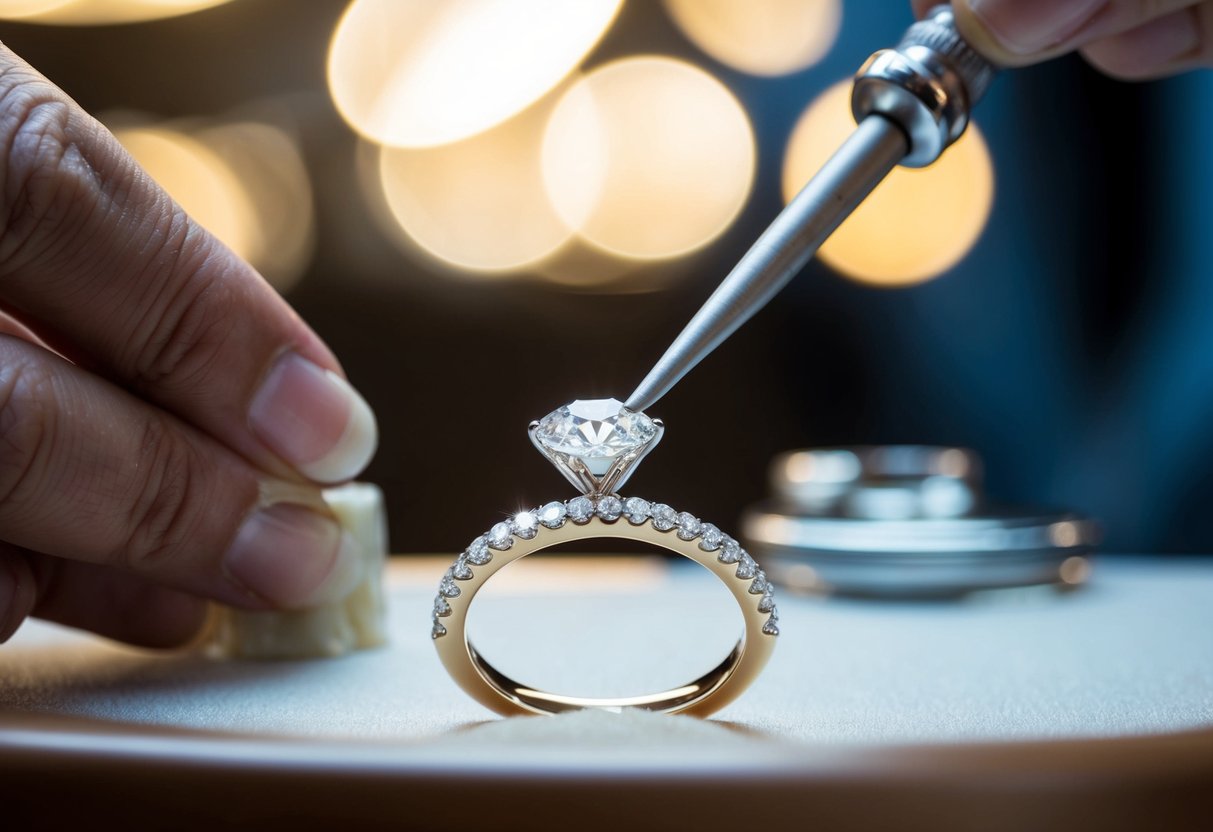
The classic advice of spending two or three months’ salary may not be the best fit for everyone. Instead, think about your current finances and long-term goals. Engagement rings can be found in a wide range of prices, meaning you can find something beautiful that suits your budget.
Ultimately, what matters most is choosing an engagement ring that reflects your partner’s style and your commitment to one another. Keep in mind that the sentiment behind the ring is what truly counts, not just its price tag.
Understanding the Cost of Engagement Rings
When it comes to buying a diamond engagement ring, several factors affect the price. These factors include the key characteristics of the diamond, often called the “Four Cs”: carat weight, cut, color, and clarity. Understanding these elements will help you make an informed decision.
Factors Influencing Diamond Engagement Ring Prices
Several factors determine the price of a diamond engagement ring. One of the most significant is the carat weight, which measures the diamond’s size. Larger diamonds generally cost more, but price increases are not linear.
Cut quality also plays a critical role. A well-cut diamond reflects light beautifully, enhancing its sparkle, which can demand a higher price.
Color and clarity are other essential factors. Diamonds with less color or more clarity often come with higher price tags. Together, these characteristics create a complex pricing structure that you should understand before making a purchase.
Why Carat Weight Matters
Carat weight is one of the first aspects you hear about when discussing diamond prices. A carat is a unit of weight for gemstones, equivalent to 200 milligrams. This measurement can affect your budget significantly.
For example, a diamond weighing one carat is usually more expensive than two diamonds that weigh half a carat each. This difference occurs because diamond prices increase sharply as you approach common weights like 1, 1.5, or 2 carats.
Choosing a stone slightly below these thresholds, such as 0.95 carats instead of one, can save you money without sacrificing visual impact.
The Impact of Cut, Color, and Clarity on Pricing
The cut of a diamond influences how well it reflects light. A diamond with an excellent cut will appear more brilliant and can command a higher price.
Color is rated on a scale from D (colorless) to Z (light yellow). Most buyers prefer diamonds that are near colorless, starting with D, E, and F.
Clarity measures how clear a diamond is. It ranges from flawless to included, with many buyers opting for a clarity grade of VS2 or SI1 for a good balance between price and appearance.
Every aspect contributes to the overall beauty and cost of the engagement ring. Understanding these will help you choose the perfect ring within your budget.
Making a Budget That Aligns with Your Financial Goals
Creating a budget for your engagement ring is an important step that can help you achieve your financial goals. By determining a clear budget, you can avoid overspending while still finding a ring that reflects your commitment.
How to Determine Your Engagement Ring Budget
Start by considering your financial situation and any future goals you may have. This means looking at your income, monthly expenses, and savings plans. It’s key to ensure that an engagement ring fits into your overall budget without causing stress.
Think about what you can comfortably spend without affecting your lifestyle. A common guideline suggests spending two to three months’ salary, but this can vary based on your personal circumstances. List your expenses, such as rent, bills, and other commitments, to see how much you can allocate for the engagement ring costs.
Be open to adjusting your budget based on what is realistic for you. A budget-conscious approach might involve prioritizing savings or cutting back on certain luxuries. The goal is to create a budget that feels right for you and contributes to your long-term financial stability.
Engagement Ring Calculator as a Budgeting Tool
An engagement ring calculator can be a useful tool for setting your budget. These calculators consider factors like your budget range, ring style, and diamond quality. They help you understand what’s achievable, given your financial goals.
To use an engagement ring calculator, input your desired budget and the calculator will show you options that fit within that range. This can help avoid the temptation to overspend and keeps your finances in check. Many calculators also allow you to play around with different features, such as diamond size or metal type, to see how they affect the price.
By utilizing such tools, you can confidently navigate the engagement ring market while sticking to your budget. This way, you can find something beautiful and meaningful without straining your finances.
Exploring Engagement Ring Options
When choosing an engagement ring, you have a variety of exciting options. The right choice reflects your style and budget. Let’s dive into the different types of metals, gemstones, and design choices available to you.
The Allure of Different Metals
Selecting the right metal for your engagement ring is essential. Each type offers a distinct look and feel.
- Yellow Gold: This classic choice is warm and timeless. It pairs well with both diamonds and colored gemstones.
- White Gold: Offering a sleek and modern appearance, white gold enhances the brilliance of diamonds. It’s often coated with rhodium for extra shine.
- Rose Gold: This trendy option has a romantic, vintage vibe. Its pinkish hue complements many skin tones and works beautifully with gemstones.
- Platinum: Known for its durability, platinum is a premium option that won’t tarnish. It’s heavier and feels luxurious, making it a popular choice for engagement rings.
Choosing the right metal can create the perfect foundation for your ring.
Diamond Alternatives and Gemstone Choices
If you’re looking for something unique, consider diamond alternatives and other gemstones.
- Lab-Grown Diamonds: These are real diamonds but created in a lab. They often cost less than natural diamonds and come in various styles.
- Moissanite: This stunning diamond alternative has a high sparkle and is more affordable. It can be a great choice if you’re on a budget.
- Colored Gems: Sapphires, emeralds, and rubies add a personal touch to your ring. These stones can represent your partner’s birthstone or favorite color and make a striking statement.
- Alternative Gemstones: Consider options like aquamarine or morganite for a unique twist.
These choices allow you to express your personality and values through your ring.
Custom Designs Versus Traditional Picks
Deciding between a custom design and a traditional ring can be fun. Each option has distinct advantages.
- Custom Designs: This route allows you to create a ring that’s truly one-of-a-kind. You can incorporate specific gemstones, preferred metals, and personalized touches.
- Traditional Picks: Antique engagement rings offer charm and history. They often have unique settings and styles that stand out.
Whether you choose a custom piece or a classic design, aim for a look that resonates with you both. Your engagement ring should reflect your love and commitment in a way that feels personal.
Shop Smart: Where and How to Buy
When it comes to buying an engagement ring, making smart decisions can save you time and money. You should weigh options for comparing prices, shopping online, and understanding certification and warranties.
Compare Prices and Shop Online
Shopping online can be a game changer for finding the perfect engagement ring. Websites like James Allen allow you to view a wide selection of rings and compare prices easily. You can filter by budget, style, and even ring settings like the popular pavé setting.
Tips for Online Shopping:
- Research Different Retailers: Check various platforms to find the best deal.
- Read Customer Reviews: Get a sense of product quality and service.
- Look for Sales and Discounts: Seasonal sales can lead to significant savings.
Comparing prices helps you understand the market and ensures you get a fair deal without settling for less.
The Importance of Certification and Warranty
When buying an engagement ring, always check for certification. Reputable gem labs provide certifications that validate the quality of the diamond. This guarantees you know what you’re getting, whether it’s clarity, color, or carat weight.
Also, consider warranties:
- Protect Your Investment: A warranty covers repairs and potential damages.
- Ask About Return Policies: Knowing your options gives you peace of mind.
Heirloom pieces may also benefit from certification to keep their value over time. By ensuring you have both certification and a warranty, you’re making a wise investment in your future.