
How Much Should I Be Paying for a Wedding Band? A Guide to Finding Your Perfect Match
When choosing a wedding band, figuring out how much to spend can be tricky. You want a ring that symbolizes your love and commitment, but it’s important to stay within your budget. On average, people spend around $1,000 on women’s bands and about $500 on men’s bands, but costs can range from as low as $50 to over $10,000.
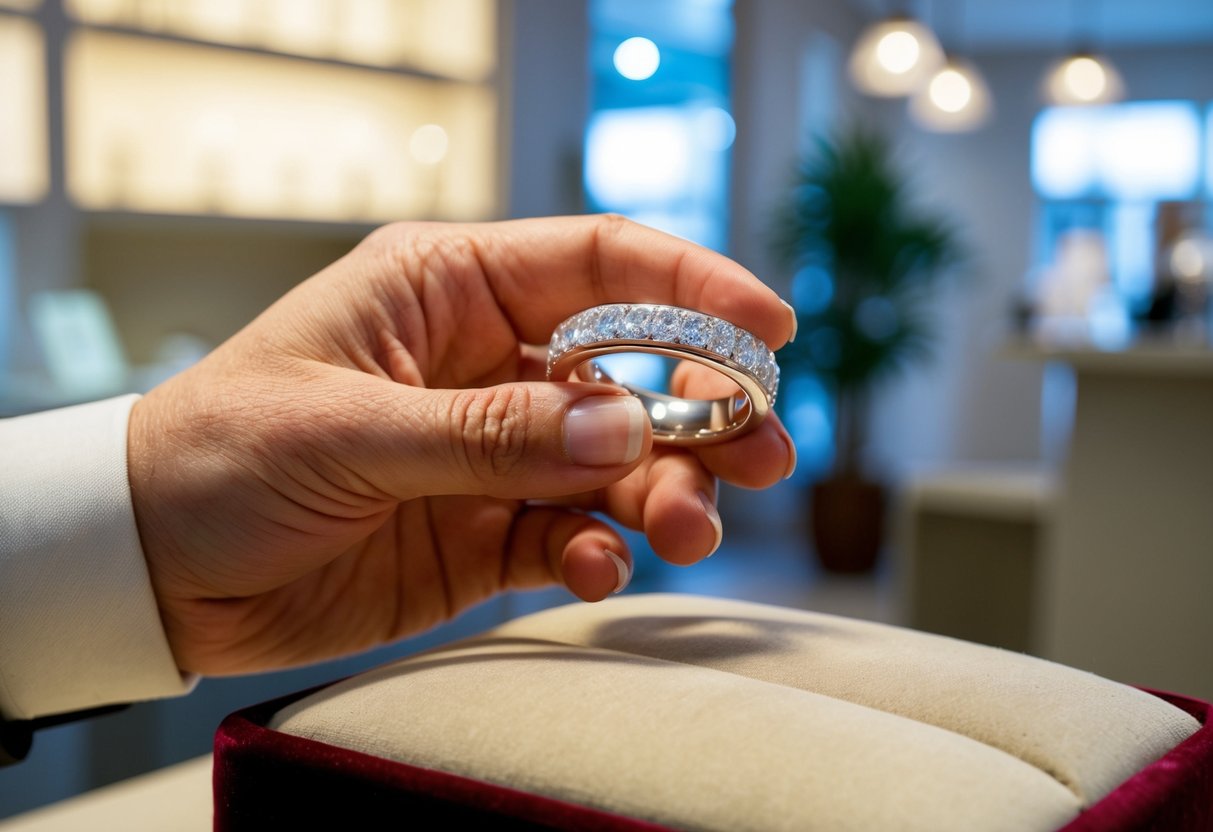
Keep in mind that the material and design of the band will greatly affect the price. Options like titanium or silicone can be more affordable, while platinum will usually cost more.
It’s essential to think about what fits your style and your financial situation.
As you start thinking about wedding bands, remember that it’s the meaning behind the ring that truly counts. Take your time, explore different choices, and find a band that you love at a price that feels right for you.
Understanding Wedding Band Costs
When planning your wedding, understanding the cost of wedding bands is important. Prices can vary significantly based on several factors.
Metal Type: The material you choose affects the price. Common options include gold, platinum, and silver. Each has its own cost range.
Design Complexity: Simpler styles typically cost less. Intricate designs or unique settings may increase the price.
Gemstone Accents: If you want diamonds or other stones, this will add to the final cost. A wedding band with gemstones can be several hundred dollars more than a plain band.
Here are some typical price ranges for wedding bands:
- Plain bands: $250 to $1,500
- More intricate bands: $1,000 to $6,000
- Average male band cost: Approximately $510
- Average female band cost: Approximately $1,100
Creating a wedding ring budget can help you decide how much to spend. Think about what features are most important to you.
Remember, the average cost of a wedding ring can vary based on your choices and preferences. Take your time to find a wedding band that fits your style and budget. Understanding these factors will help you make an informed decision.
Choosing the Right Metal For Your Wedding Band
Selecting the right metal for your wedding band is essential. It not only affects the look of the ring but also its durability and comfort. Here are some popular options to consider for your special piece.
Gold Options: Yellow, White, and Rose
Gold is a classic choice for wedding bands. You can choose from three main types: yellow, white, and rose.
-
Yellow Gold: This is the traditional option, often made with a mix of gold and copper. It has a warm, rich tone that many love.
-
White Gold: A stylish alternative, white gold is created by mixing gold with metals like nickel or palladium. It offers a modern look and is often plated with rhodium for extra shine.
-
Rose Gold: This metal has gained popularity due to its romantic hue, which comes from adding copper. Rose gold beautifully complements many skin tones and adds a unique touch to your wedding band.
Each gold type varies in price and durability, so consider what fits your style and budget.
Luxury Choices: Platinum and Palladium
If you’re looking for something truly luxurious, consider platinum and palladium.
-
Platinum: Known for its durability and rarity, platinum wedding bands don’t wear down easily. It’s hypoallergenic, making it great for sensitive skin. The ring has a natural sheen and often comes with a higher price tag.
-
Palladium: This metal is similar to platinum but is lighter and more affordable. It also resists tarnishing and scratching, making it a high-quality choice. Both options provide a sophisticated look that stands the test of time.
Affordable and Durable: Sterling Silver and Other Alternatives
If you’re on a budget, sterling silver is a great choice for wedding bands.
-
Sterling Silver: This metal is an alloy, made from 92.5% silver and 7.5% other metals, usually copper. While it’s more affordable, it can tarnish over time, so regular polishing is necessary to maintain its shine.
-
Alternative Metals: Consider materials like titanium or tungsten. They are incredibly durable and come in various finishes. These options can be both stylish and practical, providing unique choices for your wedding band.
Selecting a metal that matches your lifestyle and preferences is crucial for your wedding band.
Deciding on Gemstones and Diamonds
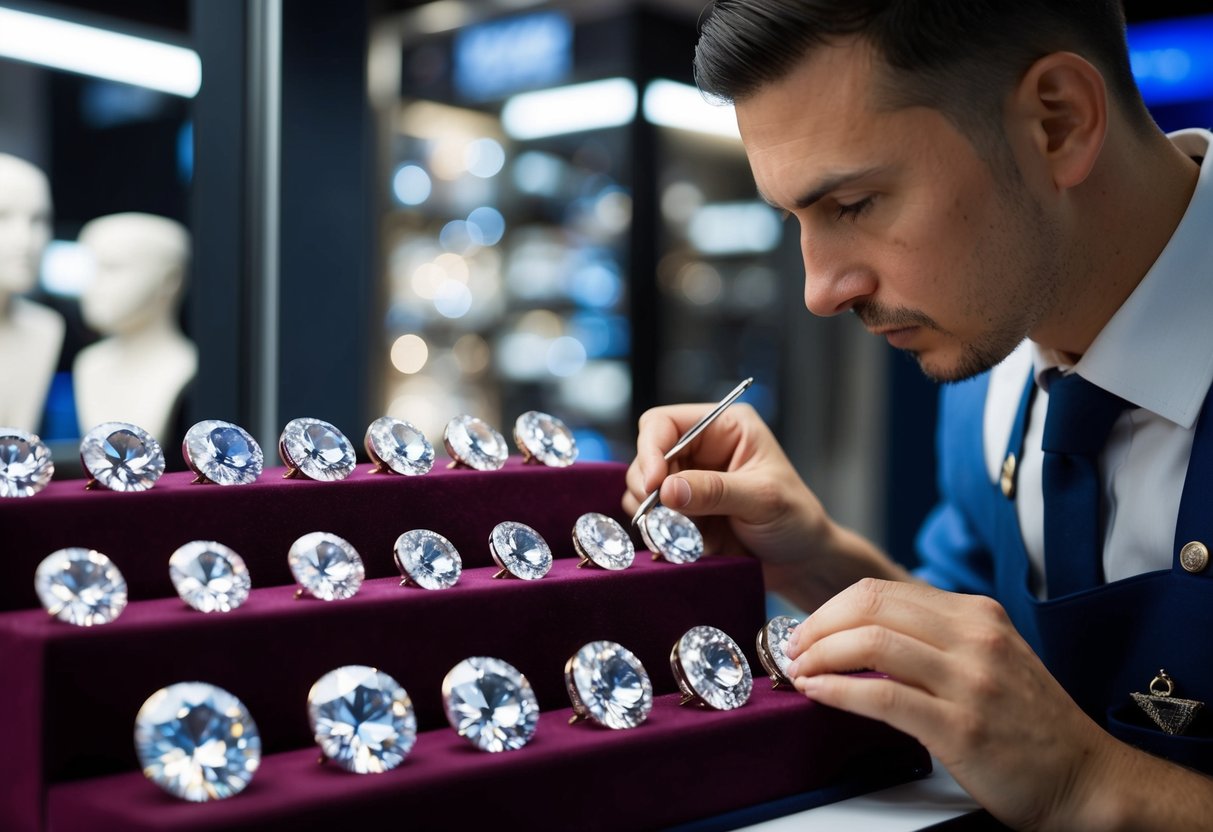
When choosing a wedding band, you might face the decision between natural and lab-grown diamonds. You may also consider colorful gemstones like sapphires, emeralds, or rubies. Knowing the differences will help you make a choice that fits your style and budget.
Natural Diamonds Versus Lab-Grown Diamonds
Natural diamonds form over millions of years deep within the Earth. They are unique and often more expensive. Lab-grown diamonds, on the other hand, are created in controlled environments and typically cost 20-40% less.
Both types have the same physical and chemical properties. If you’re looking for something more affordable yet similar in quality, lab-grown diamonds are a smart choice. However, if you want a classic engagement ring that symbolizes tradition, a natural diamond could be what you seek.
Considerations for Gemstones: Sapphires, Emeralds, and Rubies
Gemstones like sapphires, emeralds, and rubies add vibrant color to your wedding band. Sapphires are known for their deep blue hue but come in various colors. Emeralds are valued for their rich green tones, while rubies shine in bright red.
When choosing a gemstone, consider the hardness. For example, sapphires measure 9 on the Mohs scale, making them durable. Meanwhile, emeralds have a 7.5-8 rating, so they can be more prone to scratching. Each gemstone’s color and clarity will also affect its price, so ensure you shop around.
The Significance of Diamond Quality and Eternity Bands
If you choose diamonds, remember that their quality significantly impacts the price. Look for the Four Cs: Cut, Color, Clarity, and Carat. A well-cut diamond often sparkles more and enhances its overall appeal.
Eternity bands, which feature diamonds or gemstones all around, symbolize endless love. These can be a beautiful addition to your wedding band. Keep in mind that the quality of diamonds used in eternity bands can vary. Always check their certification to ensure you’re getting good value for your investment.
Budgeting for Your Wedding Bands
When planning your wedding, budgeting for wedding bands is an important step. Knowing how much to spend, choosing high-quality options, and understanding price differences can help you make informed decisions.
How Much to Spend Relative to Your Engagement Ring and Budget
Consider spending about 3-5% of your overall wedding budget on wedding bands. If your engagement ring price was significant, you might feel inclined to match that with your bands. For instance, if your engagement ring cost $5,000, consider spending around $150-$250 on your wedding band.
Your personal financial situation plays a big role in this choice. Think about other wedding expenses, like the venue, catering, and décor. Finding a balance is key, so create a budget where wedding bands fit comfortably without breaking the bank.
High-Quality Options for Every Price Range
There are plenty of high-quality wedding rings available at every price point. If your budget is tight, you can still find beautiful bands that don’t compromise on style or quality. For example, tungsten and titanium bands are affordable yet durable options.
In the mid-range, you might look at gold or white gold bands. These rings typically range from $500 to $2,000.
For those with a larger budget, consider platinum or diamond-accented bands, which can start as low as $1,500 and go up to several thousand dollars. Remember, a ring’s quality is not solely based on its price; craftsmanship plays an important role too.
Male and Female Wedding Band Price Differences
You might notice that male wedding bands tend to be less expensive than female wedding bands. Men’s bands can start at around $140 for simple tungsten styles. Meanwhile, a solid gold band typically averages about $560.
In contrast, women’s wedding bands often include more intricate designs and may have diamonds or gemstones. These can range from $500 to $3,000 or more. It’s important to choose a ring that fits your style and budget while considering both partners’ preferences. By understanding these differences, you can better plan your spending.