
How Much Should You Spend for a Wedding Ring? A Friendly Guide to Budgeting Your Perfect Ring
Many people often wonder about the right amount to spend when choosing the perfect wedding ring. The average cost of a wedding ring varies, but most couples spend around 3% of their total wedding budget on their rings. For example, if your wedding costs about $25,000, you might consider spending around $750 on wedding bands.
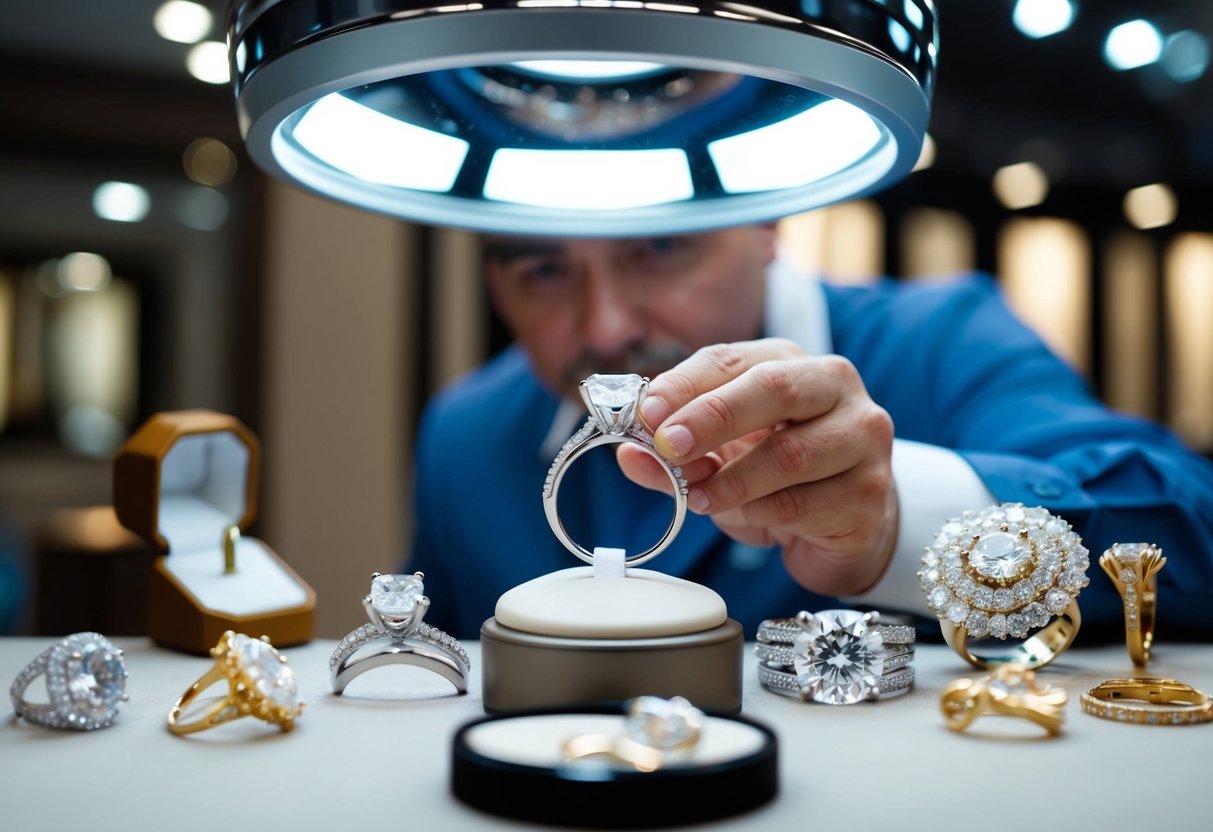
Your lifestyle and personal style also play a big role in determining how much to spend. If you lead an active life, you might prefer a more durable and simpler design. This can help you find a ring that fits both your budget and your daily needs.
With so many options available, it’s essential to think about what suits you and your partner best. Exploring different styles and prices can make the process exciting and help you make a decision that feels right for you.
Establishing Your Wedding Ring Budget
Creating a budget for your wedding ring is an important step in your wedding planning. Knowing average costs and what factors influence your budget can make this decision easier.
Understanding the Average Costs
The cost of wedding rings varies widely. On average, couples typically spend between $1,000 and $5,000 for a wedding ring. Engagement rings can range from $1,000 to over $20,000, with the average being around $3,500.
Here’s a simple breakdown:
- Wedding Bands: $500 to $3,000
- Engagement Rings: $1,000 to $20,000
- Total Ring Budget: $1,500 to $25,000
Researching local jewelers can also help you find the best prices. Look for sales or discounts during special occasions, as these can save you money.
Factors Influencing the Budget
Several key factors impact how much you should spend on your wedding rings. Your personal finances play a huge role, so make sure to assess what you can comfortably afford.
Consider these factors:
- Style: Different styles, like classic, vintage, or modern, can have varying prices.
- Material: Gold, platinum, or silver can significantly affect costs. For example, platinum is more expensive than gold.
- Gemstones: The presence of diamonds or other precious stones adds to the price.
It’s also vital to discuss with your partner. Knowing what each of you values helps in making a decision that suits both your tastes and budget.
Choosing the Right Materials and Quality
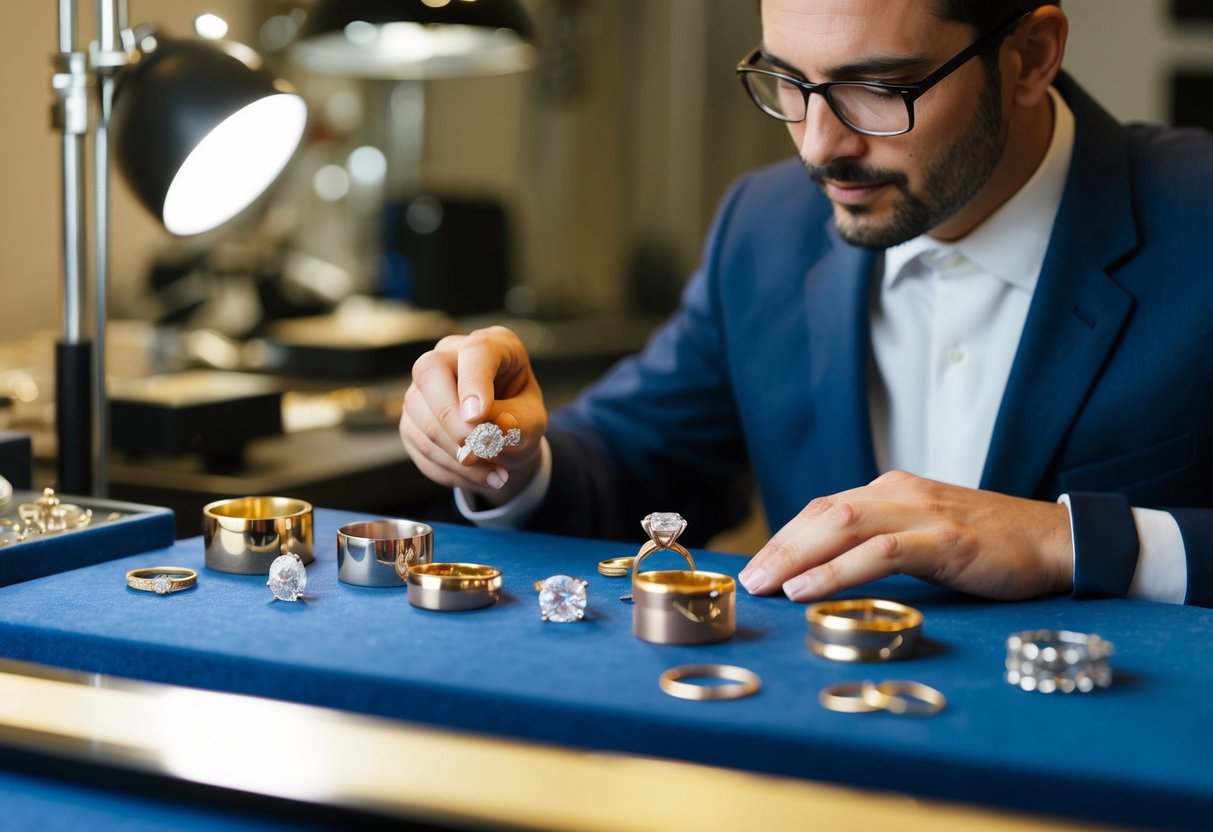
Selecting the right materials and quality for a wedding ring is essential. Your choice affects both durability and style. You’ll want to consider different types of metals and stones to find what fits best for your needs.
Precious Metals Breakdown
When picking a wedding ring, the metal plays a crucial role. Here are some popular options:
-
Platinum: Highly durable and resistant to tarnish, platinum is a top choice. Its natural white hue complements diamond and other stone colors well.
-
Yellow Gold: This classic option is timeless and warm. It comes in various karats, with 14K and 18K being the most common.
-
White Gold: An alloy made from yellow gold mixed with metals like palladium. It often has rhodium plating for extra shine and protection.
-
Rose Gold: Known for its romantic hue, rose gold is made by adding copper to gold. It offers a unique touch that’s increasingly popular.
-
Sterling Silver: A budget-friendly alternative, but it can tarnish over time. Consider it if you’re looking for more affordable options.
Each type of metal has its own charm and longevity, so choose one that matches your lifestyle and taste.
Diamonds and Alternative Stones
When it comes to stones, diamonds are the traditional choice, but alternatives are becoming more accepted. Here are some options:
-
Diamonds: Known for their sparkle and durability, diamonds come in many qualities and cuts.
-
Lab-grown Diamonds: These have the same physical and chemical properties as natural diamonds but are often less expensive. They are an eco-friendly choice.
-
Alternative Stones: Consider sapphires, emeralds, or even moissanite as unique options. They can suit various styles and preferences, often at lower prices.
Choosing a stone is about personal preference and what resonates with you.
Understanding Diamond Quality
Understanding diamond quality is key to making an informed choice. Focus on the Four Cs: Cut, Color, Clarity, and Carat weight.
-
Cut: It affects how well a diamond reflects light. Aim for an excellent or ideal cut for maximum brilliance.
-
Color: Diamonds are graded from D (colorless) to Z (light yellow). A colorless diamond will typically have a higher value.
-
Clarity: This measures the absence of inclusions or blemishes. Higher clarity grades indicate a more valuable stone.
-
Carat Weight: This refers to the size of the diamond. Larger diamonds are rarer and more expensive.
Understanding these aspects helps you find a high-quality diamond or stone that fits your budget.
Selecting the Perfect Wedding Ring
Choosing the right wedding ring is an exciting yet important task. You want a ring that reflects your style and meets practical needs. Consider both the design and fit to ensure you’ll love wearing it every day.
Ring Design and Customization
When it comes to design, think about what styles resonate with you. Do you prefer a classic look with a simple wedding band or something more intricate? Consider options with diamonds, sapphires, rubies, or emeralds. Each gemstone has its unique charm and meaning.
Customization is also a great way to make your ring special. You could choose the metal type, such as white gold, yellow gold, or platinum. Think about the cut, color, and clarity of the stones too. These factors impact the ring’s overall appearance.
Many jewelers offer the chance to create a personalized piece, allowing you to engrave a message or pick a unique setting. Take your time to explore various designs so your ring feels truly yours.
Sizing and Comfort Considerations
Getting the right size is crucial for comfort. A ring that is too tight may cause discomfort, while one that is too loose could slip off. Visit a jeweler to measure your finger accurately.
Also, consider how the ring will fit with your lifestyle. If you lead an active life or work with your hands, a flatter wedding band may be the best option. A raised setting, especially for a diamond engagement ring, can be more prone to damage.
Finally, think about whether you want a matching wedding band that complements your engagement ring. Many couples choose rings that harmonize in style, metal, and gemstones. This enhances the overall look and ensures both rings pair beautifully.
Final Considerations Before Purchase
Before you buy your wedding ring, consider how to protect your investment and the timing of your purchase. These choices play a key role in ensuring you have a ring that you will love for years to come.
Protecting Your Investment
When you buy a wedding ring, think about insurance. A good policy can cover loss, theft, or damage. Many jewelers recommend insuring your ring within a few days of purchase.
Things to consider for insurance:
- Coverage: Make sure it covers replacement costs.
- Premiums: Compare rates from different providers.
- Valuation: Get an appraisal to determine value.
The average cost of wedding bands can vary, so knowing what to insure is important. Quality wedding rings may have a higher appraisal value, which can affect your insurance premiums. Consider adding the ring to your homeowner’s or renter’s insurance if the option is available.
Timing Your Purchase
Timing matters when buying your wedding ring. Start your search early, ideally two to three months before the wedding. This allows time for any adjustments or customizations.
Tips for timing your purchase:
- Sales Events: Look for holiday sales, which can lower costs.
- Custom Orders: If you want a custom ring, allow extra time.
- Holidays and Travel: Avoid purchasing during busy seasons to ensure better service.
The average cost of wedding rings can fluctuate depending on market trends. Waiting until the right moment can help you find a quality ring within your budget. This is a significant purchase for your wedding planning, so it pays to be prepared.