
How Much Should You Spend on Wedding Day? A Guide to Budgeting for Your Perfect Celebration
When planning your perfect wedding day, you need to know how much you should spend. The average cost of a wedding in the U.S. is around $34,000. However, this can vary widely based on factors like your location, guest list size, and the type of services you want. Understanding where to allocate your budget can help you create a memorable experience without breaking the bank.
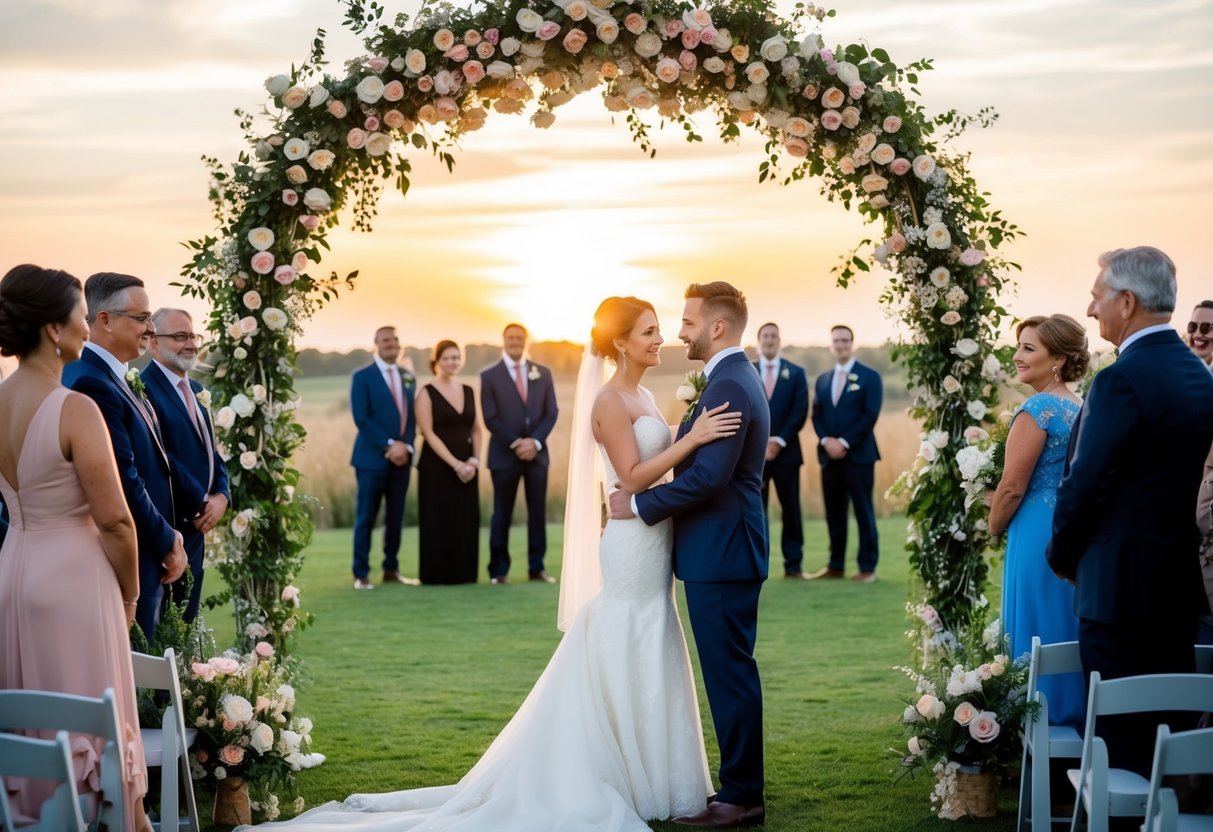
You might be wondering how to prioritize your spending. For most couples, the venue, catering, and entertainment take up a significant portion of the wedding budget. By focusing on the elements that matter most to you, you can plan a day that reflects your style and fits within your financial comfort zone.
As you dive into wedding planning, set a clear budget and stick to it. This way, you can enjoy your day knowing you have made informed financial choices.
Understanding Your Wedding Budget

Creating a wedding budget is essential to ensure your big day goes smoothly. By knowing your financial limits and how to allocate funds properly, you can keep expenses in check and avoid unwanted stress.
Determining Your Financial Capacity
Before you start planning, take a close look at your finances. Calculate how much you and your partner can afford. Include any contributions from family or friends. Knowing your total budget helps you make informed decisions.
Using a wedding budget template can help you avoid missing important costs. Consider setting aside an emergency fund for unexpected expenses. Common wedding costs include the venue, catering, attire, and flowers. Some couples spend around 40% of their budget on venue and catering combined, based on typical wedding budget breakdowns.
Allocating Funds for Key Expenses
Once you know your total budget, it’s time to allocate funds. Start with the essentials like the venue, catering, and photographer.
Here’s a suggested breakdown of your wedding budget percentages:
- Venue and Catering: 40%
- Photography and Videography: 15%
- Attire: 10%
- Music and Entertainment: 10%
- Flowers and Decorations: 10%
- Invitations and Stationery: 3%
Make sure to adjust these percentages based on what matters most to you. A wedding budget checklist can help you keep track of everything. Remember that costs can vary greatly based on your location and the wedding industry trends, so plan accordingly.
Essential Wedding Costs

Planning your wedding involves several key costs that you need to account for. Understanding these essential expenses will help you create a realistic budget that covers all aspects of your special day.
Venue and Catering Details
The venue is often the largest part of your budget. It typically takes up about 40-50% of your total costs. When you choose a venue, consider the number of guests, location, and any extra fees like rentals or service charges.
Catering also adds to this cost. You’ll need to decide between a buffet or plated meal. Buffets can be cheaper, but plated dinners offer a more formal experience. Don’t forget about drinks—factor in the cost of alcohol, soft drinks, and bar services.
Additionally, you may need to include cake or dessert costs in this section.
Photography and Videography
Capturing your special day through photography and videography is essential. You’ll want to hire professionals who understand your vision.
Hiring a photographer can cost anywhere from $1,000 to $3,500. Meanwhile, videography ranges from $1,000 to $4,000, depending on the packages offered. Look for packages that cover pre-wedding events, the ceremony, and the reception for a complete story of your day.
Check for reviews and portfolios to ensure their style matches what you envision.
Attire and Rings
Your attire and rings are significant pieces of your wedding. Bridal gowns cost between $1,000 and $3,000, while tuxedo rentals can be anywhere from $100 to $300.
Don’t forget about accessories like shoes, veils, and jewelry, which can add to your overall cost.
Wedding rings are also essential. The average couple spends around $3,500 on wedding bands, but this can vary based on materials and styles. Set aside a budget to find rings that symbolize your love.
Flowers and Decorations
Flowers and decorations set the mood for your wedding. Floral arrangements usually cost around 8-10% of your total budget.
Consider bouquets, boutonnieres, ceremony flowers, and centerpieces. Seasonal flowers can save you money, so think about what’s available.
Decorations include table settings, lighting, and draping. Create a list of items you want, like arches for ceremonies or lounge areas for guests. This helps you visualize your decor and stick to your budget.
Entertainment and Music
Choosing entertainment for your wedding is important for keeping your guests engaged. This could mean hiring a live band, DJ, or ceremony musicians.
Live bands often cost between $1,500 and $7,000, while DJs range from $800 to $1,500. Consider what suits your style and the kind of atmosphere you want to create.
Don’t forget about ceremony music, too. Whether you choose a string quartet or a soloist, this adds a special touch. Be sure to ask about any additional fees.
Additional Wedding Considerations
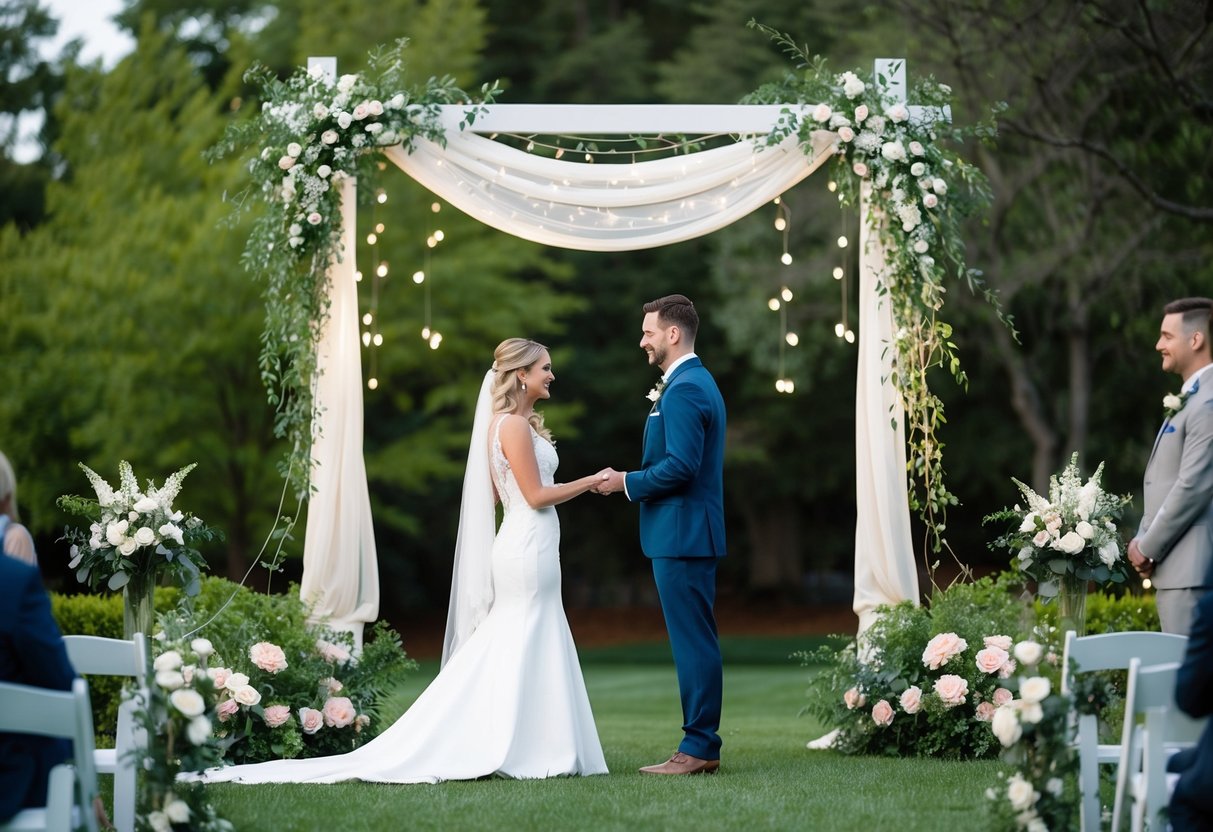
When planning your wedding budget, don’t forget about the details that can enhance the day for you and your guests. Focusing on invitations, guest experience, and transportation can help ensure everything runs smoothly and joyfully.
Invitations and Stationery
Your wedding invitations set the tone for your special day. Think about the design, paper quality, and whether you’ll go digital or print. If you’re on a budget, consider using e-invitations, which can be both stylish and cost-effective.
For printed invites, opt for single-page postcards to avoid envelope costs. Don’t forget to budget for RSVP cards and thank-you notes, as well. You can also save by buying stationery in bulk or from online vendors offering discounts.
Guest Experience and Favors
Making your guests feel appreciated is essential. Start with the guest list; keep it manageable to control costs. Think of creative wedding favors that reflect your personality.
Small tokens, like personalized candles or homemade treats, show gratitude without breaking the bank. You might also consider an experience, such as a photo booth, which adds fun and gives guests a keepsake from the day.
Transport and Accommodations
Transportation can be a significant expense, so explore your options. A rental car, shuttle service, or even carpooling with close friends can save money. Choose a vehicle that fits your wedding style and budget.
Accommodations for your guests should also be considered. Look for local hotels offering group rates or special deals. Providing a list of nearby options will help your guests plan their stay.
Final Touches for Your Big Day
As your wedding day approaches, focusing on the essential details can help make everything come together smoothly. From securing key services to planning for unexpected events, these final touches are important for a memorable celebration.
Securing the Ceremony Essentials
Make sure to book your officiant well in advance. This person will guide you through the ceremony, so find someone whose style matches your vision. Don’t forget to discuss any specific readings or vows that you want to include.
Next, consider the venue cost. The location will set the tone and influence other expenses. Whether you’re choosing a beach, garden, or banquet hall, ensure it fits your guest list comfortably.
Your wedding cake is another essential. Taste-test options and decide on a design that reflects your style. Also, coordinate your catering to provide delicious food and drinks. Consider household favorites to delight your guests.
Lastly, if you’re planning a big celebration, think about rentals for tables, chairs, and linens. Confirm all these aspects a few weeks before the big day to avoid last-minute stress.
Planning for the Unexpected
Even with careful planning, surprises can happen. Wedding insurance is an essential step that can protect your investment against potential mishaps, such as cancellations or vendor issues.
It’s also wise to set aside a portion of your budget for unexpected costs. This could include extra alcohol, late-night snacks, or unexpected guest gifts.
Having a wedding planner can help you navigate such surprises, ensuring everything runs smoothly.
Additionally, create a wedding registry so guests know what gifts you truly want. This saves you from receiving duplicates or items that don’t fit your style.
Open communication is vital, so let your loved ones know what matters most to you.