
How Much Time Should You Give Guests for a Destination Wedding? Tips for Planning the Perfect Celebration
Planning a destination wedding can be an exciting adventure, but it also comes with unique challenges, especially when it comes to your guests. To ensure everyone can attend, give your guests at least 6 to 12 months’ notice for a destination wedding. This allows them ample time to arrange travel, accommodations, and any time off work they may need.

Sending out Save-the-Date invitations is a great way to kickstart this process. Once you’ve set the date, your guests can start planning ahead without feeling rushed. Following etiquette, it’s also wise to set a clear RSVP deadline about 3 to 4 months before the big day, giving you enough time to finalize arrangements with your venue and other vendors.
By providing this generous time frame, you show your guests that you care about their ability to join in the celebration. A well-planned destination wedding ensures that your friends and family feel included, making your special day even more memorable.
Understanding the Destination Wedding Timeline
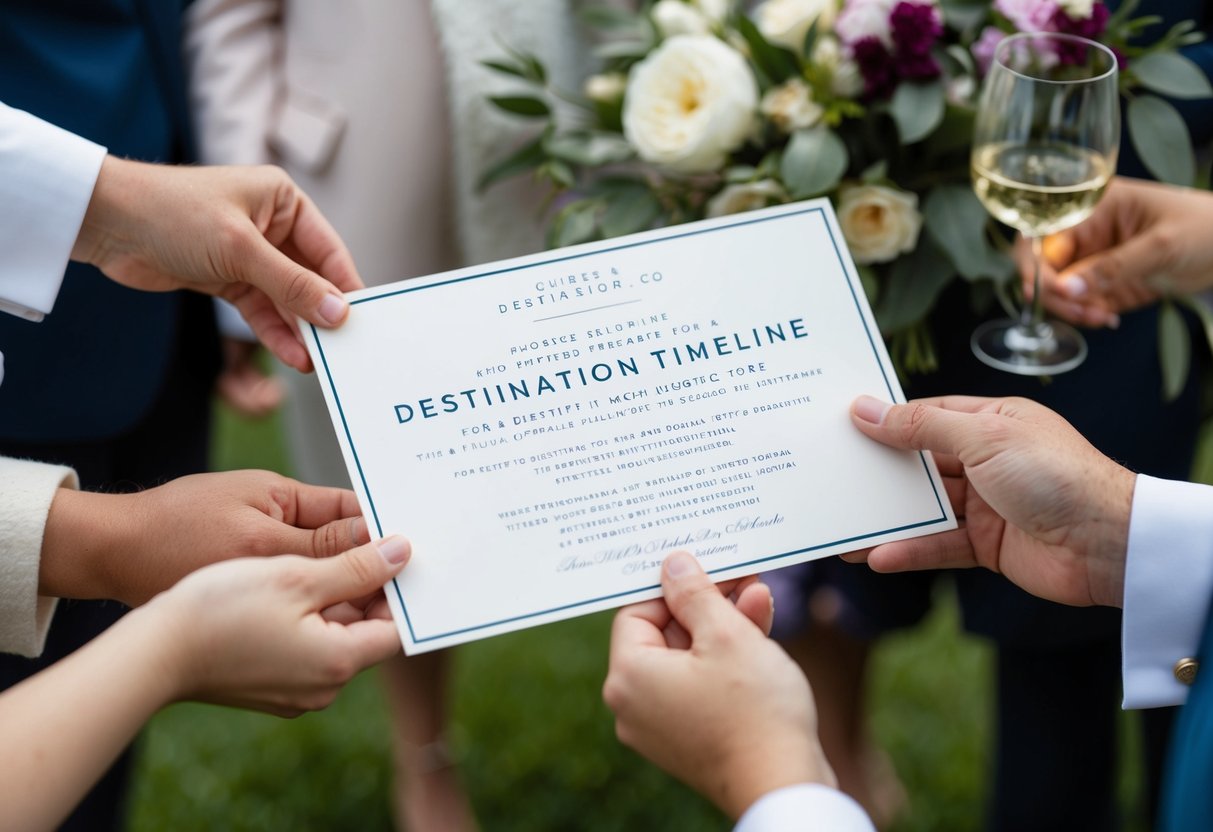
Planning a destination wedding involves careful timing. Knowing when to send out your Save-the-Date notices, wedding invitations, and setting RSVP deadlines is key to ensuring your guests have enough time to make arrangements.
Save-the-Date Notices
Send out Save-the-Date notices at least 6 to 12 months before your wedding date. This early notice helps guests to mark their calendars and start planning.
Consider including essential details like the wedding location and date. You don’t need to provide all the details yet, but letting them know that it’s a destination wedding is important.
These notices can be sent via mail, email, or social media. Whichever method you choose, ensure it reflects your wedding theme to build excitement!
Invitation Rollout
Once your wedding plans are more finalized, send out the formal invitations about 8 to 12 weeks before the wedding. This timeframe allows guests to make travel and accommodation arrangements.
Include clear RSVP instructions in the invitation. Make it easy for guests to understand how to respond. You might offer multiple ways to RSVP, such as through a wedding website, email, or a phone call.
Make sure to highlight the RSVP date for your guests. Setting this deadline around 3 to 4 weeks before the wedding will give you ample time to count confirmations and make necessary arrangements.
Final RSVP Deadline
The RSVP deadline is crucial for organizing your wedding. A clear timeline helps you finalize your guest list and notify vendors about the final headcount.
Ask guests to respond by a specific date, giving them about 4 weeks after they receive the invitation. Let them know this date is important for planning everything from seating to catering.
If you’re worried about guests forgetting, a polite reminder a week before the deadline can help. It’s a thoughtful nudge that shows you care about their presence on your special day.
Logistics and Accommodation Details

When planning your destination wedding, it’s essential to provide clear logistics and accommodation details for your guests. This helps them feel secure and informed about their travel plans. Here are some key points to consider.
Securing Group Rates
One of the best ways to make travel more affordable for your guests is by securing group rates at hotels. Contact hotels near your venue to ask about discounts for a block of rooms. Most hotels offer reduced rates when you book several rooms.
Make sure to share this information in your destination wedding invitations. Include the hotel name, phone number, and booking code. This makes it easier for your guests to reserve their rooms.
A group rate not only offers savings but also ensures that your loved ones are nearby during your special event. Encourage your guests to book early to take advantage of these rates, as availability may change.
Travel Arrangements Assistance
Consider offering travel arrangements assistance for your guests. This can include providing recommendations for reliable travel agents or online booking sites. A travel agent can help guests find the best flights, accommodations, and possible travel packages.
You should also share important travel information, such as the best airports to fly into or transportation options from the airport to the venue. Adding this info in your invitations will help eliminate confusion.
Encourage guests to RSVP early, so they have enough time to arrange their travel plans. A well-organized travel plan can make a significant difference in your guests’ experience, helping them enjoy your wedding without unnecessary stress.
Etiquette and Consideration for Guests
Planning for a destination wedding can be exciting, but it also comes with unique responsibilities for guests. It’s essential to communicate clearly, plan enjoyable group activities, and consider travel limitations when attending these special events.
Timely Communication
When you receive an invitation, respond as soon as possible. This helps the couple finalize their plans and ensures they can accommodate everyone. If you can’t attend, let them know right away. Use the RSVP timeline they provide, which is typically four to five weeks after they send the invitations.
If the couple has a wedding website, check it for additional details. This often includes important information about travel, accommodations, and schedules. If you need clarification, don’t hesitate to follow up with the couple or wedding planner.
Planning Group Activities
Destination weddings often give you a chance to spend quality time with other guests. Consider planning group activities to bond and create lasting memories. You might coordinate group outings, like sightseeing tours or beach days, leading up to the wedding.
A wedding website can be a helpful tool for sharing these plans. You can also discuss activities through group chats or social media, making it easy for everyone to join in. Encourage others to participate but be understanding if someone cannot attend every event.
Providing Buffer Time
Travel can come with unexpected delays, so it’s wise to leave some buffer time in your itinerary. Arriving a day or two early can help ensure that you are ready for the festivities without feeling rushed. This extra time also allows you to attend any pre-wedding gatherings arranged by the couple.
Consider potential weather issues or travel overlaps. If you receive digital invitations, keep those dates saved for easy reference. This helps you plan ahead and manage your schedule efficiently while keeping stress levels low.
Finalizing the Guest Experience
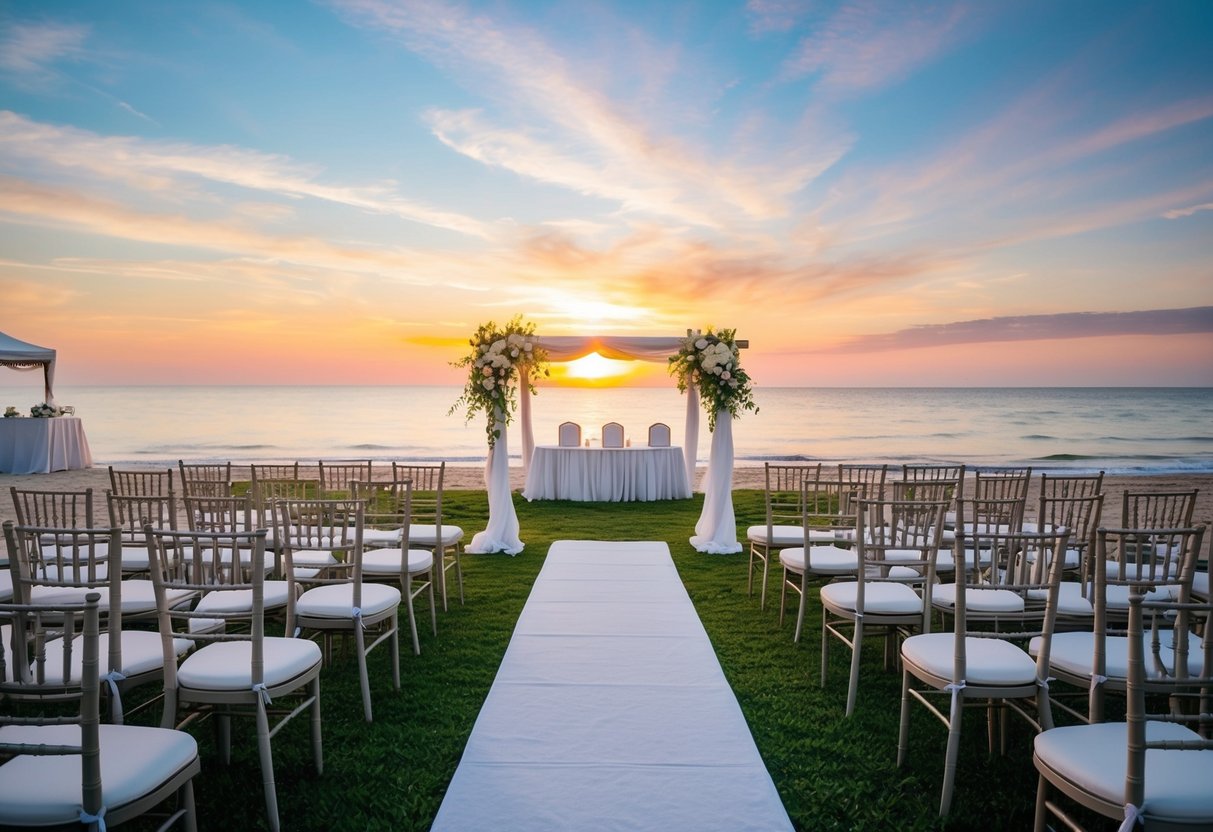
Creating a positive experience for your guests is key to ensuring they enjoy your special day. Focusing on their needs and adding personal touches can make a lasting impact.
Catering to Guest Needs
Start by considering the size of your wedding and the diverse preferences of your guests. Include a variety of meal options in your catering plan to accommodate different dietary needs, such as vegetarian, vegan, or gluten-free meals.
Ensure you have a clear seating chart that reflects these arrangements. You might also consider seating guests with similar interests together for a more enjoyable experience.
Don’t forget about travel plans. Provide helpful information about local hotels, transport options, and any group rates available. This shows you care and makes their journey easier.
Unique Touches for a Lasting Memory
Personalizing elements of your wedding can leave a lasting impression on your guests. Consider adding small, thoughtful details. For example, you could include song requests in your reception playlist.
Creating welcome bags for out-of-town guests is another great idea. Fill them with snacks, a local map, and information about nearby attractions.
You might also want to plan a small event, like a brunch the next morning. It provides an opportunity for guests to share stories and create memories together. These thoughtful gestures will show your appreciation and ensure your special day is unforgettable.