
How Much to Spend on a Daughter’s Wedding? A Guide to Budgeting with Love
Deciding how much to spend on your daughter’s wedding can feel overwhelming. With the costs of weddings rising, you might wonder what figure fits your financial situation while honoring family traditions and cultural expectations. On average, parents often contribute around 30% to 52% of the total wedding budget, but this can vary based on personal circumstances and values.

As you navigate this decision, consider not just your budget, but also what your daughter envisions for her special day. Each family has unique traditions that might influence how much you give, along with cultural factors that could play a role in setting expectations.
Keeping an open dialogue with your daughter about her wedding plans can lead to a clearer understanding of how to balance your support with what she dreams of for her celebration.
Understanding Wedding Costs
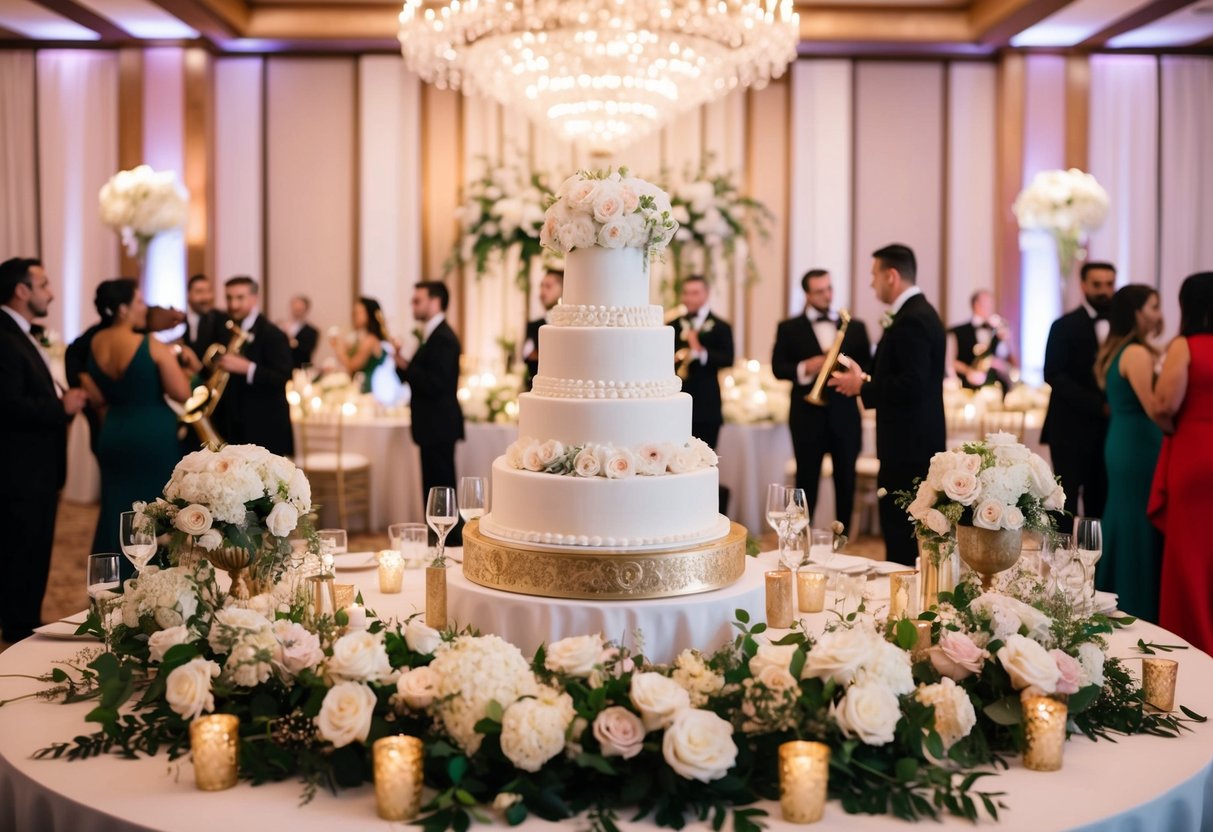
Weddings can be expensive, and knowing the key components of costs can help you plan better. It’s important to understand where the money goes and how to manage your wedding budget effectively.
Components of Wedding Expenses
When planning a wedding, certain key components define the overall expenses. Some major categories include:
- Venue: This is often the largest cost. Rental fees for the ceremony and reception can vary widely.
- Catering: Food and drink for your guests are essential. Consider different meal styles and their costs.
- Photography and Videography: Capturing the day is important, so budget for professional services.
- Attire: This includes the wedding dress, suits, and accessories.
- Decorations: Centerpieces, flowers, and lighting can add up quickly.
- Entertainment: Bands, DJs, or other performers are popular choices.
Each of these components can vary significantly based on preferences and location.
Average Wedding Budget Breakdown
According to recent studies, here’s a typical breakdown of where wedding money goes:
- Venue: 30%
- Catering: 25%
- Photography/Videography: 10%
- Attire: 10%
- Entertainment: 10%
- Flowers and Decorations: 5%
- Others (favors, gifts, etc.): 10%
This breakdown helps you see how much is typically spent in each area. Remember, personal choices can shift these percentages. Always communicate with your daughter about each element to align your wedding budget with her vision.
Assessing Financial Contributions
When planning for your daughter’s wedding, it’s vital to evaluate what financial contributions you can make. This involves not only determining an appropriate amount but also engaging in open conversations about finances with your daughter. Flexibility and understanding will help both of you navigate this important topic.
Determining How Much to Contribute
Start by assessing your financial stability. Consider your savings and any other commitments you might have. The average contribution from parents often ranges from 35% to 52% of the total wedding budget. For example, if the wedding costs $25,000, you might think about contributing between $8,750 and $13,000.
You can also consider specific costs that you are comfortable covering. This could be venue costs, catering, or even smaller elements like flowers or favors. Making a list will help clarify how much you can afford.
Conversations About Financial Contributions
Open communication is key when discussing financial contributions. Set a time to talk with your daughter about expectations and budgets. Discuss her vision for the wedding and how it aligns with what you can provide. Being transparent about your finances will help reduce stress.
Ask her about her priorities for the wedding. Is the venue the most important, or does she dream of a specific type of dress? Knowing what’s most important to her can guide your contribution decisions. Remember to keep the conversation supportive and positive.
Alternatives to Financial Gifts
If a cash gift isn’t feasible, consider other ways to contribute. You might offer your skills or time. For instance, helping with DIY decorations, managing guest lists, or coordinating with vendors can add significant value.
You might also think about giving a gift card to a wedding vendor or a contribution toward a specific item, like a honeymoon fund. These alternatives can reflect your support and love without putting a strain on your finances. Be sure to discuss these options with your daughter to see what she thinks.
Planning and Saving Strategies

Planning a wedding can feel overwhelming, but having a clear strategy can make the process smoother. By creating a budget plan, working with a wedding planner, and consulting a financial advisor, you can keep your finances in check while ensuring a memorable day for your daughter.
Creating a Wedding Budget Plan
Start by determining how much you can afford to spend on the wedding. List all potential expenses, including venue, catering, and attire.
Here’s a simple budget breakdown you might consider:
- Venue: 30%
- Catering: 30%
- Attire: 10%
- Photography: 10%
- Other: 20%
Discuss this budget with your daughter and future son-in-law to ensure their desires fit within your financial limits.
Consider using budgeting tools or apps that can help you keep track of your spending. Set aside a specific amount each month leading up to the wedding. This can help avoid stress and make it easier to manage your personal finances.
Working with a Wedding Planner
Hiring a wedding planner can ease the planning process significantly. They can help you understand the true costs involved and prioritize spending based on your budget.
A wedding planner can also offer valuable insights into what is realistic within your financial limits.
Your planner will understand your relationship with the couple and can provide suggestions based on their style and personality. Regular check-ins with the planner allow you to stay informed and adjust plans if necessary, keeping everything aligned with your budget and goals.
Consulting a Financial Advisor
Bringing in a financial advisor can help you manage the financial aspects of the wedding more effectively. They can analyze your financial situation and give tailored advice on spending strategies that won’t disrupt your long-term savings goals.
Your advisor can help you understand options like saving plans or gift strategies. This allows you to contribute to the wedding without compromising other financial commitments. They can also assist in creating a flexible budget that adapts as the planning progresses, ensuring you’re making the best choices for your personal finances.