
How Rude Is It to Wear White to a Wedding? A Guide to Wedding Etiquette
Wearing white to a wedding can spark a lot of debate among guests. Many people believe it is disrespectful, as the color white has long been associated with the bride. In most cases, it is best to avoid wearing white unless the couple has specifically requested it, as this shows respect for the bride’s special day.
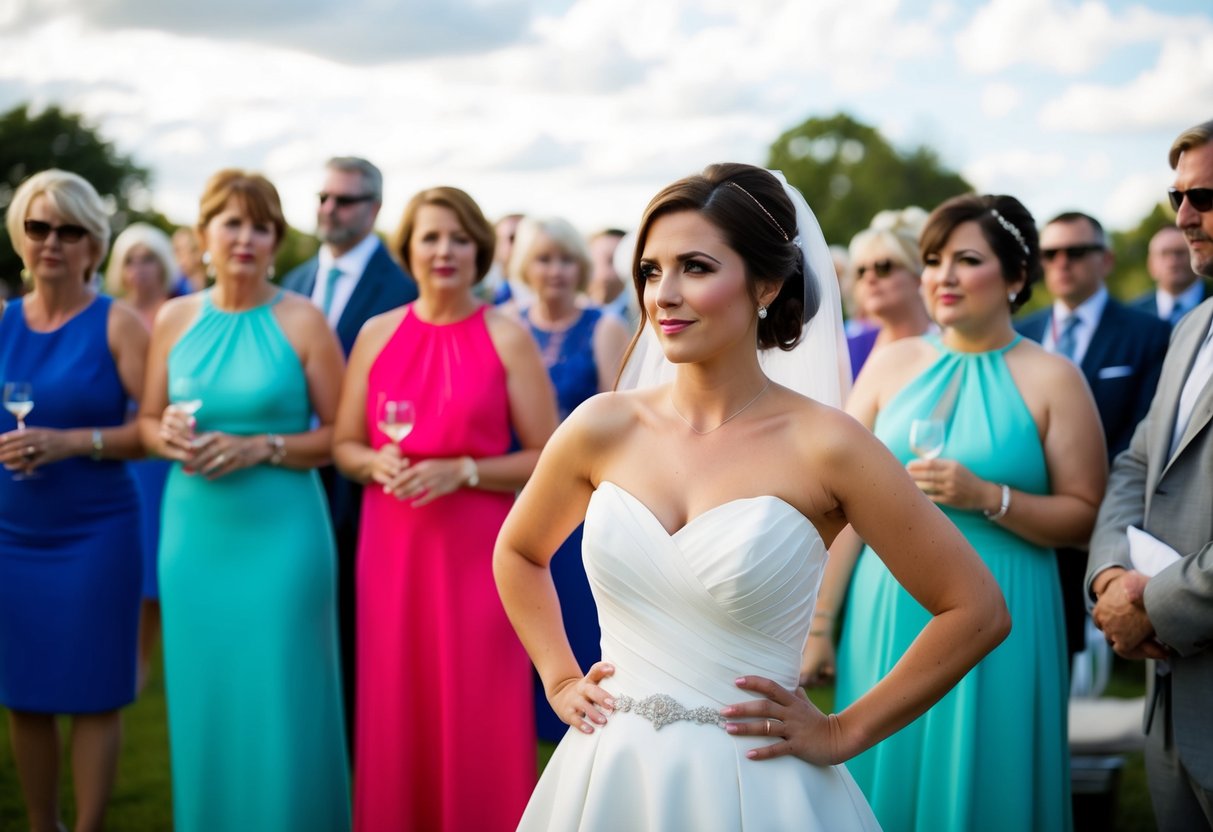
Wedding etiquette often revolves around showing respect for the couple and their chosen dress code. If the couple has a specific theme or dress code, it is important to follow it.
Not only does this keep the focus on the bride and groom, but it also helps create a harmonious atmosphere at the celebration.
Ultimately, being thoughtful about your attire can go a long way. If you’re unsure about wearing white, sticking with other colors shows your respect for the wedding’s traditions and the couple’s wishes.
Embracing the right dress code ensures everyone enjoys the day while honoring the couple’s unique style.
Understanding Wedding Attire Traditions
Wearing white at weddings has a rich history and various cultural meanings. It’s important to know the significance behind this color, especially during such an important event. Here’s a closer look at the traditions surrounding wedding attire.
Historical Significance of White in Weddings
The tradition of the bride wearing a white wedding dress started in the 19th century. Queen Victoria popularized this style when she wore white for her wedding to Prince Albert in 1840. Before this, brides often wore colorful dresses.
White symbolizes purity and innocence, ideal fits for a wedding day. This cultural norm set a standard that many follow today. Over the years, the white dress became a representation of the bride’s transition into married life.
While wearing white is mainly for the bride, guests often need to be mindful of this tradition. It can signal a lack of respect if others wear white, as this color is traditionally associated with the bride.
Cultural Traditions and Variations
Different cultures have unique traditions regarding wedding attire. In many Western countries, white is the preferred color for brides. However, in other cultures, like in India, red is the color of choice for brides, symbolizing prosperity and happiness.
Some weddings allow guests to wear white, especially if the couple specifically requests it. This may happen during themed weddings or when the couple wishes for a more relaxed atmosphere. It’s best to check the wedding invitation for dress code details before choosing your outfit.
Understanding these cultural nuances will help you respect the couple’s special day. Each wedding is unique, and being aware of different traditions adds to the celebration’s joy.
Etiquette for Wedding Guests
When attending a wedding, it’s important to follow certain etiquette rules to show respect for the couple and the occasion. This includes understanding the significance of colors, especially white, and making appropriate choices for your outfit.
The No-White Rule Explained
Wearing white to a wedding can be seen as a fashion faux pas. Traditionally, this color is reserved for the bride, symbolizing her special day. If you are a guest, choosing white may appear to overshadow her moment.
Some couples may specify their guests wear white, especially if they aren’t wearing it themselves. For example, a couple may request a white dress code for a beach wedding. Always clarify the dress code in advance to avoid confusion.
Appropriate Colors and Attire Choices
When selecting your outfit, consider the wedding’s formality and season. Look for colors that complement the wedding theme while avoiding white.
Acceptable Colors:
- Pastels
- Jewel tones
- Earthy colors
Accessories:
Choose shoes and accessories that match your outfit. Opt for elegant styles that fit the wedding vibe.
If it’s a formal wedding, consider wearing a suit or dress that aligns with the occasion.
Be mindful of prints and patterns, too. Bold patterns can sometimes distract from the couple. Aim for a balanced look that remains respectful without outshining the bride and groom.
Guidelines for Men and Women
Both men and women can follow specific guidelines to ensure they look appropriate.
For Women:
A dress or a nice skirt and blouse can be great options. If attending a formal wedding, consider a cocktail dress or evening gown. Pair it with elegant accessories and shoes.
For Men:
A suit is a classic choice. Depending on the season, a light-colored suit may work well for summer, while darker tones are perfect for winter. Don’t forget to add a tie or a nice shirt to complete your look.
Keep your attire neat and polished. Avoid overly casual items, like jeans or sneakers, unless specified by the couple.
Special Considerations and Exceptions
Wearing white to a wedding can have several special considerations and exceptions that everyone should know. It’s important to understand the circumstances under which it is acceptable, the significance of all-white weddings, and the role of wedding dress designers in these situations.
When It’s Acceptable to Wear White
You can wear white to a wedding if the couple specifically requests it. Often, this information appears in the invitation. It could also be part of a themed wedding. If you’re unsure, it’s always best to check with the couple or the wedding planner.
If you do wear white, consider choosing an off-white or cream shade to avoid overshadowing the bride. Remember that showing respect to the couple and their wishes is essential in any celebration.
All-White Weddings and Exceptions
An all-white wedding is a specific theme where all guests are encouraged to wear white attire. This unique style can create a stunning visual effect and bring everyone together in a cohesive look. Weddings like this can sometimes make the traditional “no white” rule less relevant.
If you attend an all-white wedding, you can embrace the theme fully, but it’s wise to avoid wearing attire that might steal focus from the couple. Opt for subtle designs and fabrics to keep the attention where it belongs.
Role of the Wedding Dress Designer
A wedding dress designer plays a crucial role in setting the tone for what guests should wear. Designers often emphasize the importance of the bride’s attire being unique.
This includes encouraging guests to avoid wearing white, as it can detract from the bride’s special moment.
Many designers also create dresses in shades like ivory and champagne. These alternatives allow guests to wear light colors without conflicting with the bride’s look. So, always consider the dress designer’s influence when deciding your wedding outfit.
Tips for Handling Wedding Attire Dilemmas
When it comes to wedding attire, misunderstandings can happen. You might wonder if certain choices are suitable or if they could upstage the bride. Here are some practical tips to help you navigate these dilemmas with ease.
How to Be Discreet When Unsure
If you’re uncertain about wearing white or any other color, it’s important to be discreet. A good rule is to choose colors that are less likely to clash with the wedding theme. Opt for soft pastels or muted tones, which usually work well.
Before the wedding, try to find out the dress code. Check with mutual friends or consult the invitation for hints on what to wear. If that’s not possible, consider subtle, non-distracting patterns to avoid drawing attention.
Feeling self-conscious? Choose accessories that complement your outfit without stealing the spotlight. This way, you can still look great without upstaging the bride on her special day.
The Importance of Open Communication
Open communication with the couple or wedding planner can save you from potential attire mishaps. If you’re unsure about the dress code or color choices, don’t hesitate to ask directly.
Many couples appreciate when guests reach out about their ensemble. This shows respect for their wishes and helps avoid unnecessary misunderstandings. For instance, if you suspect an all-white dress code, simply inquire whether that would be acceptable.
Additionally, discussing your outfit with fellow guests can provide clarity. You may find that many are thinking the same thing, and this can lead to a more relaxed atmosphere at the wedding.
Letting Go of Missteps
If you accidentally wear something that clashes with the wedding theme, remember to let it go.
Weddings can bring a lot of emotions, and you shouldn’t let fashion mishaps ruin your experience.
Laughing it off can ease any tension and also show your support for the couple.
Most people won’t focus on your attire when they’re enjoying the celebration.
If someone mentions your outfit, respond graciously. Share a light-hearted comment about the situation.
Your presence and joy on their special day matter much more than whether you followed every dress code guideline.