
How Short Can a Wedding Ceremony Be? Exploring Quick and Meaningful Options
When planning your wedding, you might wonder: how short can a wedding ceremony be? A short ceremony typically lasts around 20 to 25 minutes. This allows you to share your love story and include essential elements like vows and ring exchanges. Many couples worry about keeping guests engaged, but a brief ceremony can be both impactful and memorable.
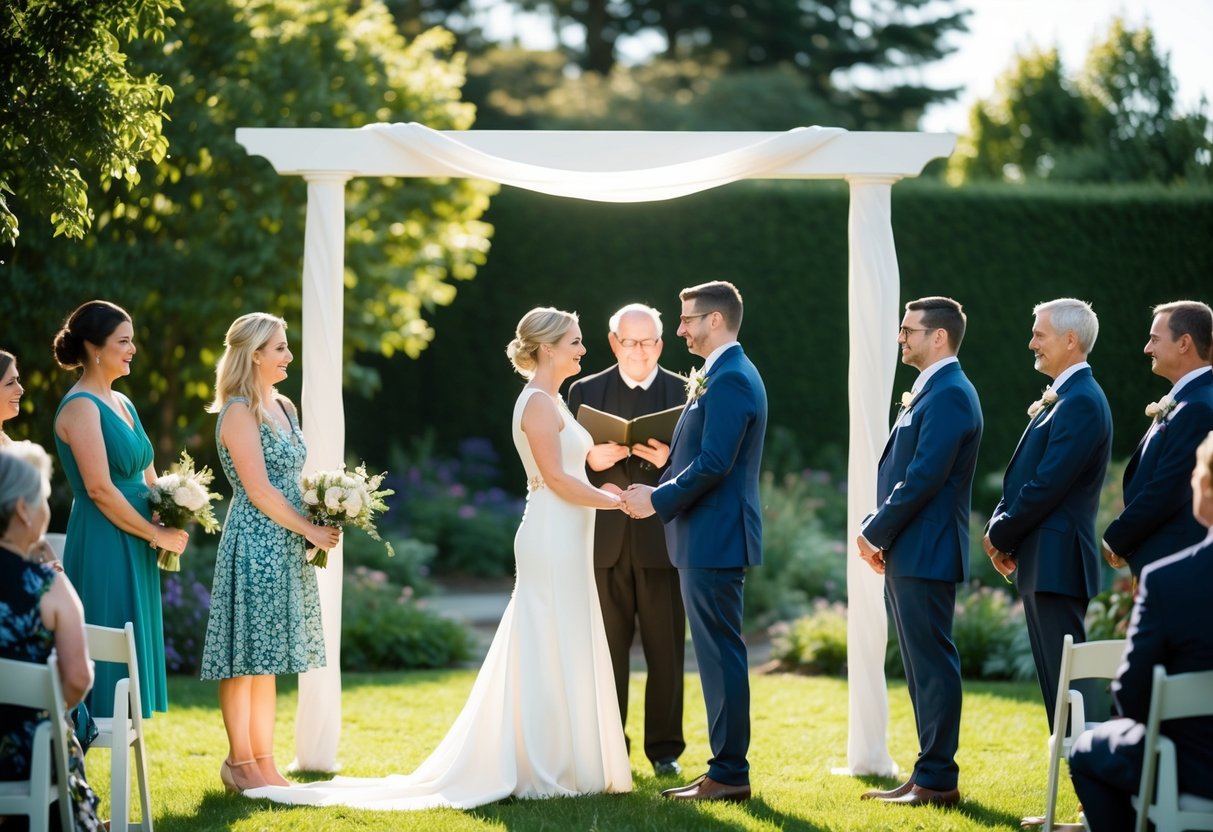
If you’re considering a very brief ceremony, some have successfully kept theirs as short as 7 to 8 minutes. However, this might feel rushed to guests. As you think about the perfect length, remember that the most essential part of the ceremony is the love and commitment you are celebrating.
No matter how short you decide to make your ceremony, what truly matters is that it reflects your unique relationship. Let your creativity shine through, and focus on what feels right for you and your partner.
Exploring Ceremony Types
When planning your wedding, the type of ceremony you choose can affect its length and structure. Each ceremony type has its own unique features. Understanding these can help you decide what suits you best.
Religious Ceremonies
Religious ceremonies can vary greatly depending on your faith. For example, a Catholic wedding often includes specific rituals and prayers that can lengthen the ceremony to about an hour.
In contrast, Protestant weddings tend to be shorter, typically lasting 20 to 30 minutes, with a focus on vows and hymns.
Meanwhile, in Hindu weddings, rituals such as the Saat Phere (seven circles) can extend the ceremony, usually running for a few hours. The depth of tradition in these services can serve to enrich your experience, reflecting your personal beliefs.
Civil Ceremonies
Civil ceremonies are non-religious and often take place in a courthouse or public space. These tend to be shorter, usually around 10 to 15 minutes.
Your officiant will guide the event, focusing mainly on your vows and the legal aspects of marriage.
Civil ceremonies can be very simple or personalized to reflect your unique relationship. You can choose the location, decor, and even the length of your vows, allowing for greater flexibility.
Cultural Ceremonies
Cultural ceremonies embrace the traditions of your heritage and can be quite involved. For example, a traditional Jewish wedding features customs like the Ketubah (marriage contract) and the Breaking of the Glass, typically lasting 30 to 60 minutes.
In contrast, some Asian wedding ceremonies, such as a Vietnamese wedding, include multiple rituals that can extend the length significantly.
Cultural ceremonies allow you to showcase your background, which can be deeply meaningful and unforgettable. You can tailor the ceremony to fit your values and preferences, reflecting your love story.
Components of the Ceremony
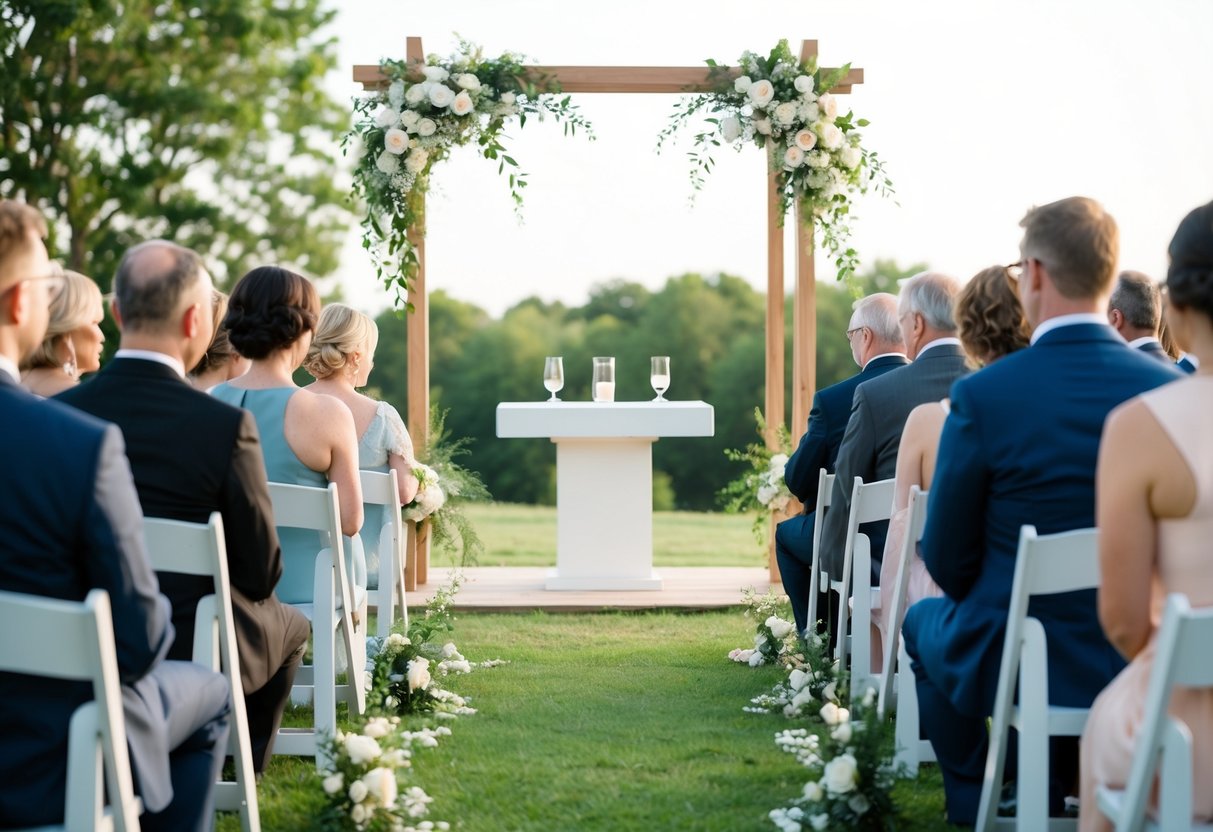
Understanding the key components of a wedding ceremony can help you plan a concise and meaningful event. Each part plays a vital role in expressing your love and commitment.
Processional and Recessional
The processional marks the entrance of the wedding party and sets the tone for the ceremony. Traditionally, it begins with the bridal party walking down the aisle, often accompanied by music. Your choice of songs can add a personal touch.
The recessional occurs at the end of the ceremony, when you and your partner walk back down the aisle together. It’s a celebratory moment and usually features lively music to reflect the joy of the occasion. Both parts can be brief, keeping the ceremony short while still engaging your guests.
Vows and Readings
Vows are the heart of the ceremony, where you express your love and commitment to each other. You can choose traditional vows or create personalized vows that reflect your unique relationship. Speaking from the heart helps keep this part sincere and focused.
Readings often complement the vows. They can be poems, quotes, or passages that hold special meaning for you as a couple. Selecting meaningful readings can enhance the emotional weight of the ceremony. Both vows and readings can be tailored to fit your time frame, making them ideal for shorter ceremonies.
Ring Exchange and Unity Rituals
The ring exchange symbolizes your commitment. As you place rings on each other’s fingers, you make a promise that lasts a lifetime. This short ritual is powerful, often taking just a minute or two.
You might also include unity rituals, like a sand ceremony, where you mix colored sand to represent your union. These rituals add depth to the ceremony and can still be done quickly. Focus on what resonates most with you to keep this part meaningful and concise.
Duration and Timing
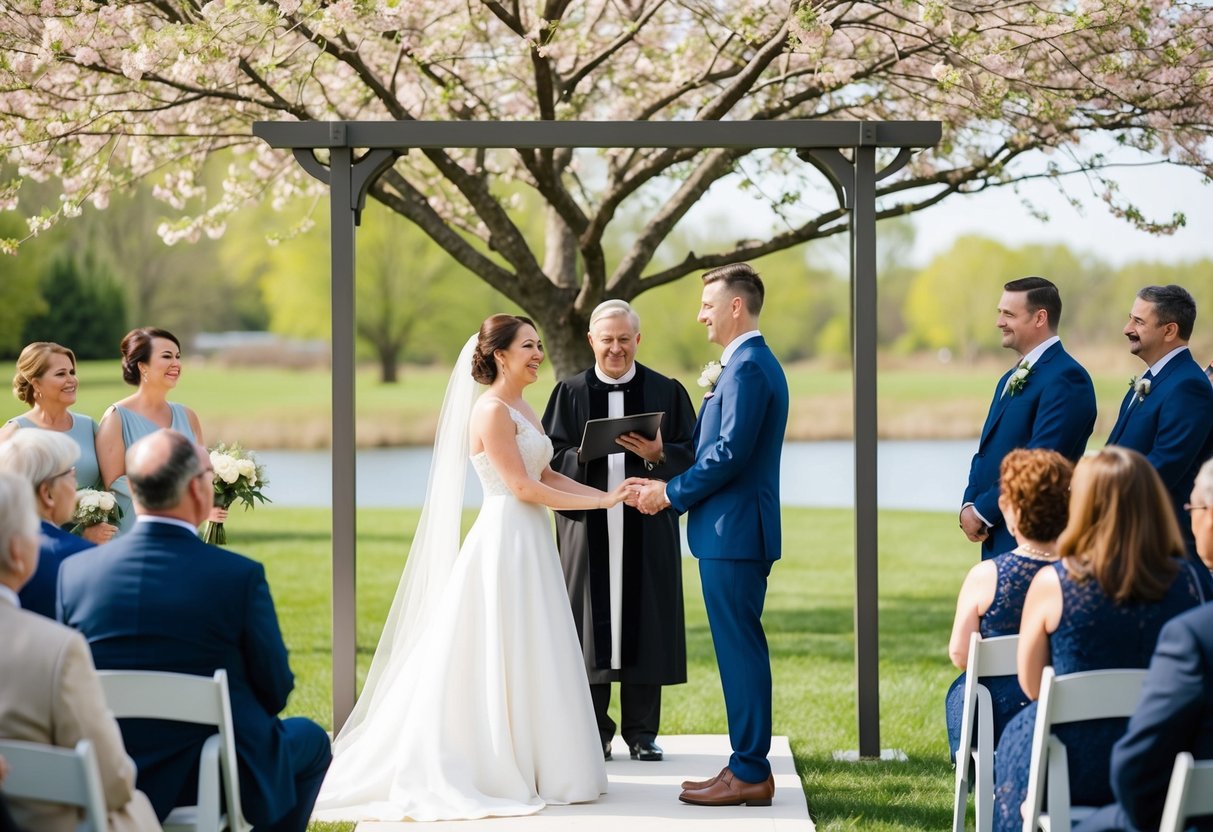
When planning your wedding, understanding the duration of your ceremony is crucial. The right timing can set the tone for your special day. Let’s look at typical ceremony lengths and options for quick or elopement ceremonies.
Typical Ceremony Length
Most wedding ceremonies last between 20 to 30 minutes. This duration allows you to include essential elements, like vows and rings, while keeping guests engaged. For a more relaxed feel, aim for 25 minutes.
Some religious ceremonies can take longer. For example, a Catholic wedding without a mass might run 30 to 45 minutes, while certain Jewish weddings can extend to 45 minutes or more due to additional readings and rituals.
If you’re considering a longer ceremony, think about how it fits into your overall wedding day timeline and the excitement of your guests.
Elopement and Quick Ceremonies
If you’re thinking about elopement or a quick ceremony, you might prefer something shorter. Many couples opt for 10 to 15 minutes for their elopement, focusing on just the essentials.
While some people believe this might be too brief, it can still work beautifully. A short ceremony may suit your needs perfectly, especially if you include heartfelt vows and a personal touch.
This type of ceremony often leads right into a fun cocktail hour, giving you more time to celebrate with friends and family later. The key is to ensure it feels meaningful, even if it’s brief.
Role of the Officiant
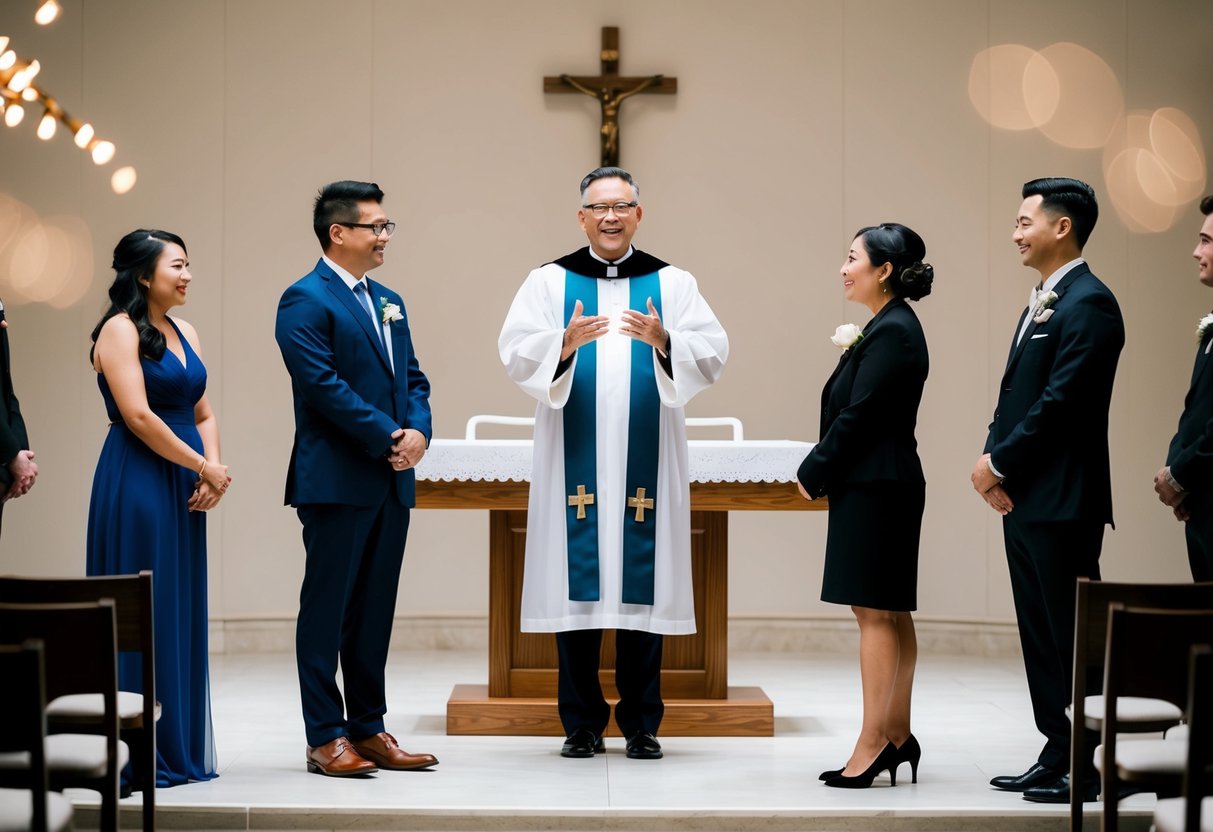
The wedding officiant is key to the ceremony’s flow and meaning. They guide the couple and help manage the experience for everyone involved. Understanding their role will help you appreciate how they contribute to your special day.
Choosing an Officiant
Selecting the right officiant is crucial for your ceremony. Think about the tone you want—fun, serious, spiritual, or personal. You can choose a religious figure, a civil officiant, or even a friend or family member who is ordained.
Questions to Consider:
- What is their experience with different types of ceremonies?
- Can they personalize the script to reflect your love story?
- Are they comfortable guiding you through the legal aspects?
Meeting potential officiants can help you feel their energy and ensure they match your vision. A good officiant will make you feel at ease during your big moment.
Responsibilities During the Ceremony
During the ceremony, your officiant has several important duties. They open the event by welcoming guests and setting the tone. This helps everyone feel comfortable and engaged.
The officiant also leads the couple through vows and ring exchanges. This moment can be emotional, marking the commitment you are making. They pause for the pronouncement of marriage, which is a key highlight.
After this, they might invite you for your first kiss, creating an unforgettable moment.
Their role is to keep the ceremony flowing smoothly, ensuring everything stays on track, so you can focus on each other and the love you share.