
How Soon After Engagement Should You Start Wedding Planning? A Guide to Timing Your Big Day
Getting engaged is an exciting time filled with joy and anticipation for your future together. Once the initial thrill settles, you might be wondering how soon you should dive into wedding planning. About three weeks after your engagement is the ideal time to start planning. This allows you to enjoy this special phase without losing momentum. This balances the excitement of being newly engaged with the practicality of arranging your big day.

As you begin to think about wedding planning, consider the timeline for your specific needs. Many couples engage in this process for about 13 months. Knowing how long it typically takes to plan a wedding can help you set realistic expectations. The key is to strike a balance between savoring your engagement and making those important decisions that will shape your celebration.
Starting to plan after a short break lets you gather your thoughts and share the joy with family and friends. It’s a wonderful time to envision your dream wedding and take those first steps toward making it a reality. By being prepared and informed, you can set off on this exciting journey feeling confident and ready!
Establishing Your Timeline and Budget
Before diving into wedding planning, it’s vital to set a clear timeline and budget. Knowing how long you plan to be engaged and how much you can spend will guide all your decisions. Below are essential steps for creating a solid foundation for your wedding planning.
Determining the Length of Engagement
The typical engagement lasts about 13 months. However, you can choose a long engagement or a short engagement based on your circumstances. A longer engagement gives you time to plan and save money. Conversely, a shorter timeline can create excitement but may lead to rushed decisions.
Think about your priorities. Are there particular venues or dates that are important to you? Consider the guest list size, as this can impact both your budget and venue selection. Take time to celebrate your engagement but also keep the planning momentum going.
Setting a Realistic Budget
A well-defined budget is key to successful wedding planning. Start by listing all potential expenses, such as:
- Venue
- Catering
- Photography
- Attire
- Entertainment
It’s often helpful to allocate specific percentages to each category. For instance, you might set aside 12% for photos and 10% for attire. Factor in some extra for unexpected costs, like last-minute changes or surprise expenses. Knowing your budget will help you make informed decisions and stay within limits.
Choosing Your Wedding Date
Your wedding date can influence many planning aspects. When selecting a date, consider the season, venue availability, and any significant family events. Check if there are holidays or local events that could affect guest attendance.
A popular date may require booking well in advance. Make a list of potential dates and check with important guests to see their availability. Your start date for planning often hinges on when you want to get married, so make it a priority to choose a date that works for everyone involved.
The Early Planning Stages
Starting your wedding planning can feel exciting and a bit overwhelming. In the early stages, you’ll focus on gathering your wedding party, creating a guest list, deciding if you want a wedding planner, and securing your venue. Each of these tasks sets the foundation for your special day.
Selecting the Wedding Party
Choosing your wedding party is a crucial early step. Think about the people who mean the most to you. This group typically includes your maid of honor, bridesmaids, best man, and groomsmen.
Consider their availability and willingness to help throughout the planning. Having a good support system makes everything easier. Once you have your team selected, communicate your expectations and roles. This ensures everyone is on the same page and excited for the journey ahead.
Creating the Guest List
Creating the guest list can be a delicate process. Start by naming everyone you want to invite. Think about family, friends, and anyone who has played an important role in your life.
You can categorize your list into groups like “must-have” and “optional.” This can help you manage the size of your wedding, especially if you have venue limitations. Remember to consider the venue capacity when making your final list to avoid last-minute stress.
Hiring a Wedding Planner
Deciding whether to hire a wedding planner is another early decision. A planner can greatly ease the stress of organizing your wedding. They have experience and know many local vendors, which can save you time.
To find the right planner, look for those with good reviews and a style that matches yours. Schedule a consultation to discuss your vision and budget. If you choose this route, be ready to collaborate closely and share your ideas.
Booking Your Wedding Venue
Securing your wedding venue is one of the most critical aspects of early planning. Popular venues can book up fast, so act quickly once you have a date in mind.
Consider the style you want—whether it’s a traditional space or a unique location like the Skyline Princess. Visit several venues to get a feel for the space. Pay attention to amenities they offer, such as catering options and decor flexibility. Finally, remember to read the contracts carefully before signing to avoid any surprises down the line.
Details That Bring Your Wedding to Life
Your wedding is more than just a day; it’s a moment filled with personal touches. Focusing on the right details can create a memorable experience for you and your guests.
Choosing the Right Vendors
Selecting vendors is crucial. Start with the essentials: a photographer and a caterer. Research and read reviews. When considering a videographer, think about how you want to preserve memories. For entertainment, you can hire a band or a DJ to match your desired vibe.
Don’t forget about your florist! They can bring your floral dreams to life. Set up meetings to discuss your style and budget. Make sure to book these vendors early, as popular choices get booked quickly. Always stick to a wedding checklist to keep track of everything.
Designing Invitations and Stationery
Your invitations set the tone for your wedding. Decide on a design that reflects your style, whether it’s classic, modern, or whimsical. Choose fonts and colors that match your theme.
Be sure to include all necessary details. Your invitations should say when, where, and the dress code. Don’t forget to send out Save the Dates, especially for an outdoor wedding. If you’re planning an engagement party, consider separate invitations for that as well.
Consider matching stationery for your ceremony, like programs and menus. This creates a cohesive look that ties it all together.
Deciding on Wedding Decor and Attire
The decor is what will truly bring your vision to life. Choose a theme that resonates with you, whether it’s rustic, elegant, or vintage. Think about table settings, centerpieces, and lighting.
As for wedding attire, start shopping for your wedding dress early. Bring a few trusted friends to help you find the right fit. Don’t forget about the bridesmaid dresses; ensure they match your color palette.
Consider special details like personalized signage or unique guest book options. Each piece plays a role in making your day special.
Finalizing the Big Day
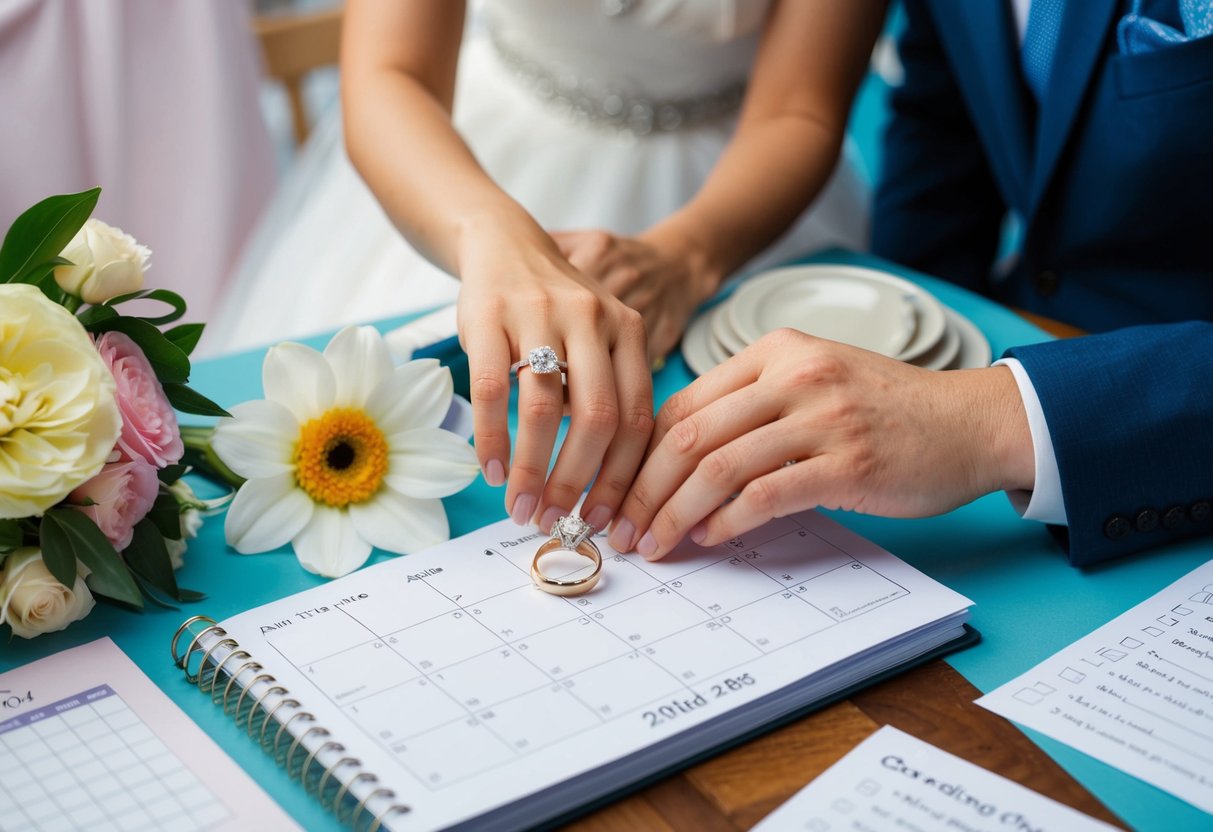
As you move closer to your wedding, there are important details to consider. Organizing guest accommodations, obtaining your marriage license, and planning the honeymoon are key tasks to ensure everything runs smoothly on your big day.
Organizing Guest Accommodations
Thinking about your guests’ needs is crucial. If you’re having a wedding in a popular location or during peak wedding season, booking accommodations early is smart.
Steps to consider:
- Research hotels: Look for hotels close to your venue. Check for group discounts.
- Communicate details: Share accommodation info with your guests early, especially for out-of-town attendees.
- Reserve a block of rooms: This allows guests to book at your chosen rate without hassle.
Including this information in your wedding invitations or a wedding website can help your guests feel welcome and informed.
Obtaining the Marriage License
Don’t forget about the marriage license! This is a legal requirement that you must complete before your wedding. The process can vary by location, so check your local requirements.
Key points:
- Know the timeline: Many places require you to apply weeks before your wedding date. Check if there’s a waiting period after application.
- Gather documents: Bring identification and any necessary paperwork to the clerk’s office.
- Fees: Expect a small fee for the license.
Confirm where and when to pick it up. Having this done early helps remove any last-minute stress.
Planning the Honeymoon
Planning your honeymoon is one of the most exciting parts! This is your chance to relax together after the whirlwind of wedding planning.
Things to Keep in Mind:
- Choose a Destination: Consider your interests and budget. Remember, popular spots might fill up quickly!
- Book Early: Once you decide, make reservations for flights and accommodation.
- Research Activities: Look for fun things to do together or places to visit.
Planning ahead ensures you secure the best deals and make the most of your time away. Enjoy this special trip that celebrates your new beginning!