
How Soon Before Wedding Should You Have Your Dress? Essential Tips for Planning
Choosing your wedding dress is one of the most exciting parts of wedding planning. Start your search at least nine months before your wedding day. This timeframe allows you enough time for fittings, alterations, and any customizations you may want to make to your dream wedding dress.
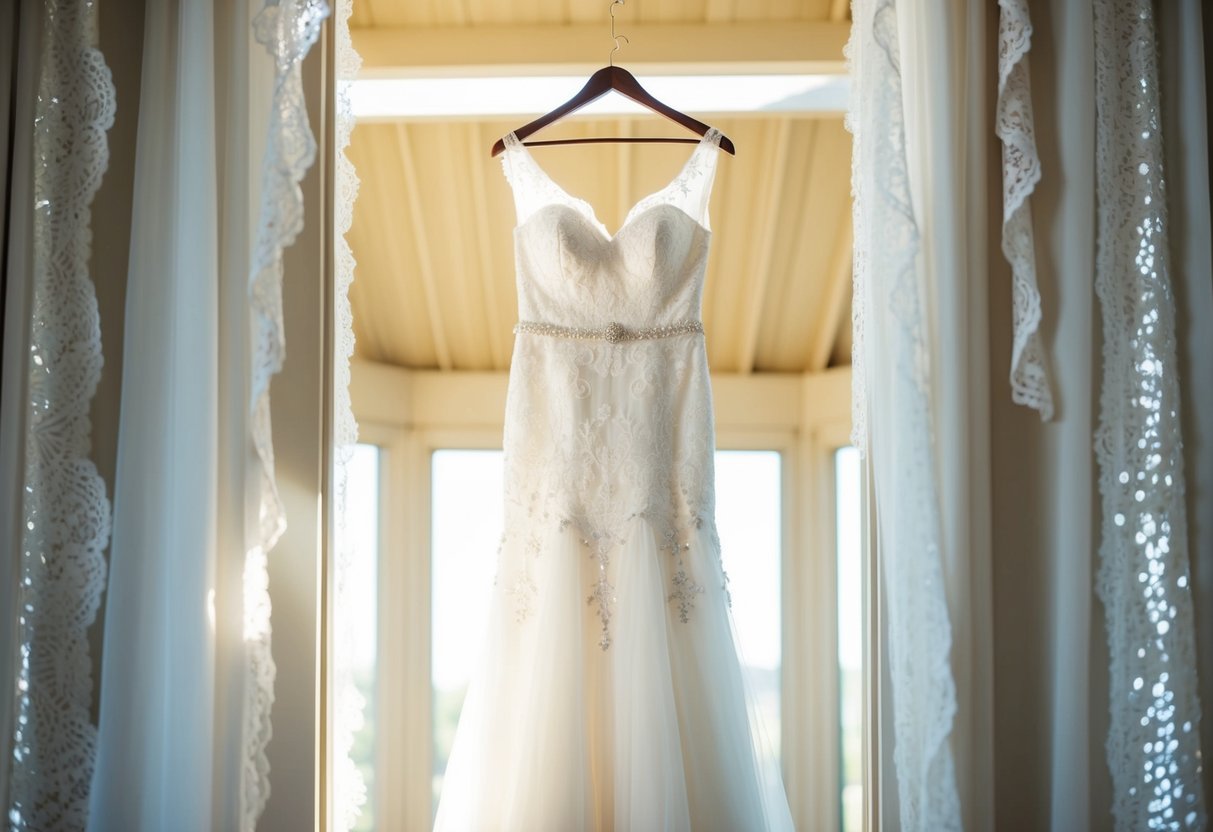
Waiting too long can lead to stress and fewer options, especially if you’re looking for something specific. By planning ahead, you ensure that you have ample time to find that perfect gown without feeling rushed.
Setting Your Wedding Dress Timeline
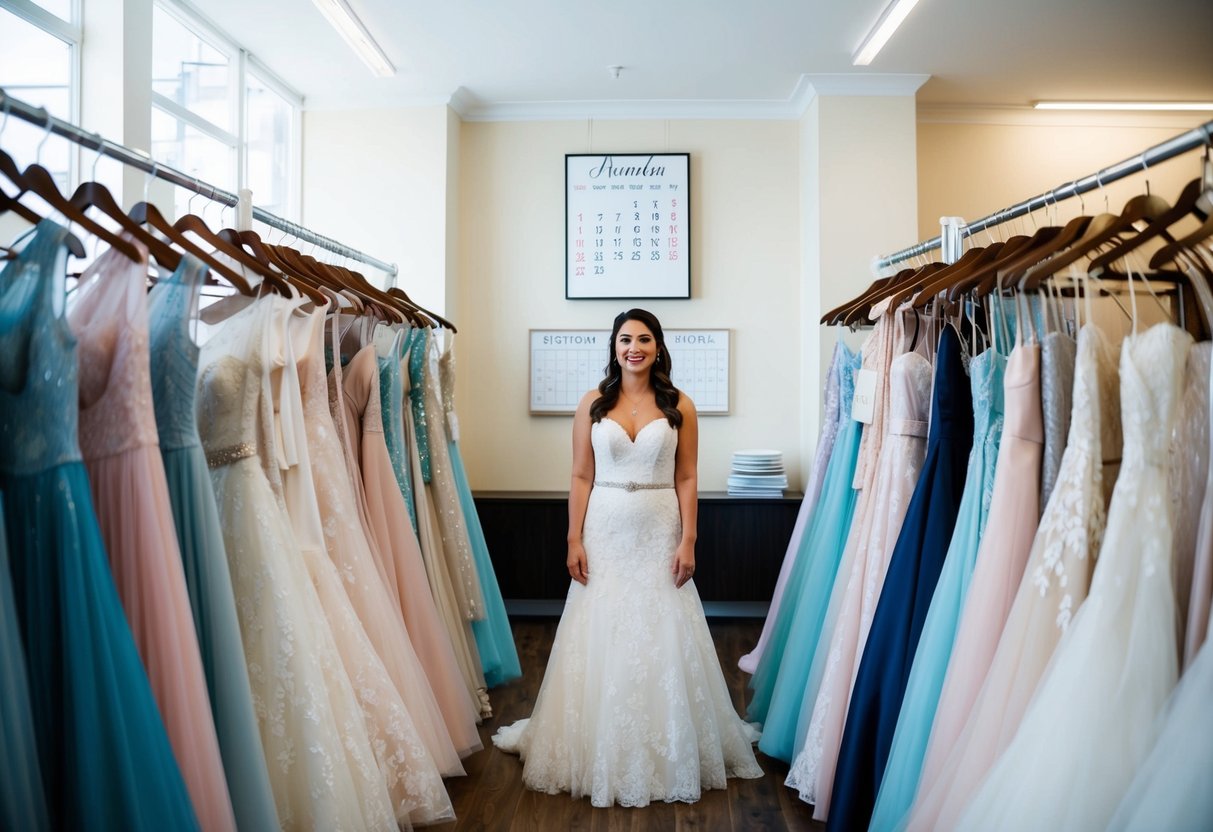
Creating a timeline for your wedding dress shopping helps you stay organized and stress-free. Knowing when to shop and fit your dress can make a big difference on your special day.
Understanding the Importance of Timing
Timing is crucial when it comes to finding your wedding dress. Starting early allows you to explore styles and consider different options. Many experts suggest shopping for your dress at least nine to twelve months before your wedding date. This timeframe helps you avoid last-minute stress.
You’ll also need time for alterations. A good rule is to have your final fitting about four to six weeks before the wedding. This gives you room to make any adjustments. Remember, custom dresses often take longer to make. Planning your timeline carefully can ensure your dress fits perfectly.
Determining Your Personal Timeline
To set your personal wedding dress timeline, start with your wedding date. From there, create milestones for when to shop, order, and fit your dress.
Sample Timeline:
- 12-14 months before: Set a budget and start researching styles.
- 9 months before: Visit shops and choose your dress.
- 4-6 months before: Schedule initial and second fittings to check the fit.
Make sure to bring your shoes and undergarments to fittings. This helps you see how everything looks together. Stay flexible in case you need extra fittings. A well-planned timeline ensures you feel confident and beautiful in your dress.
Finding Your Dream Dress

Finding your dream dress is an exciting journey. You will explore various dress styles, choose the right bridal salon, and schedule appointments to try on gowns. Each step is important to ensure you feel beautiful and confident on your wedding day.
Exploring Different Dress Styles
Start by researching various dress styles that match your personal style and body type. There are several popular options to consider:
- A-Line: Flattering for many body types; it flows from the waist to the hem.
- Ball Gown: Offers a dramatic, princess look with a fitted bodice and full skirt.
- Mermaid: Fitted through the body, it flares out at or below the knee, highlighting curves.
- Sheath: A slim silhouette that hugs the body, perfect for a modern look.
Gather inspiration by browsing bridal magazines, websites, and social media. Save photos of dresses that catch your eye. This will help you articulate your vision to bridal consultants when you shop.
Selecting the Right Bridal Salon
Choosing the right bridal salon is crucial. Start by looking for local bridal
The Alteration Process
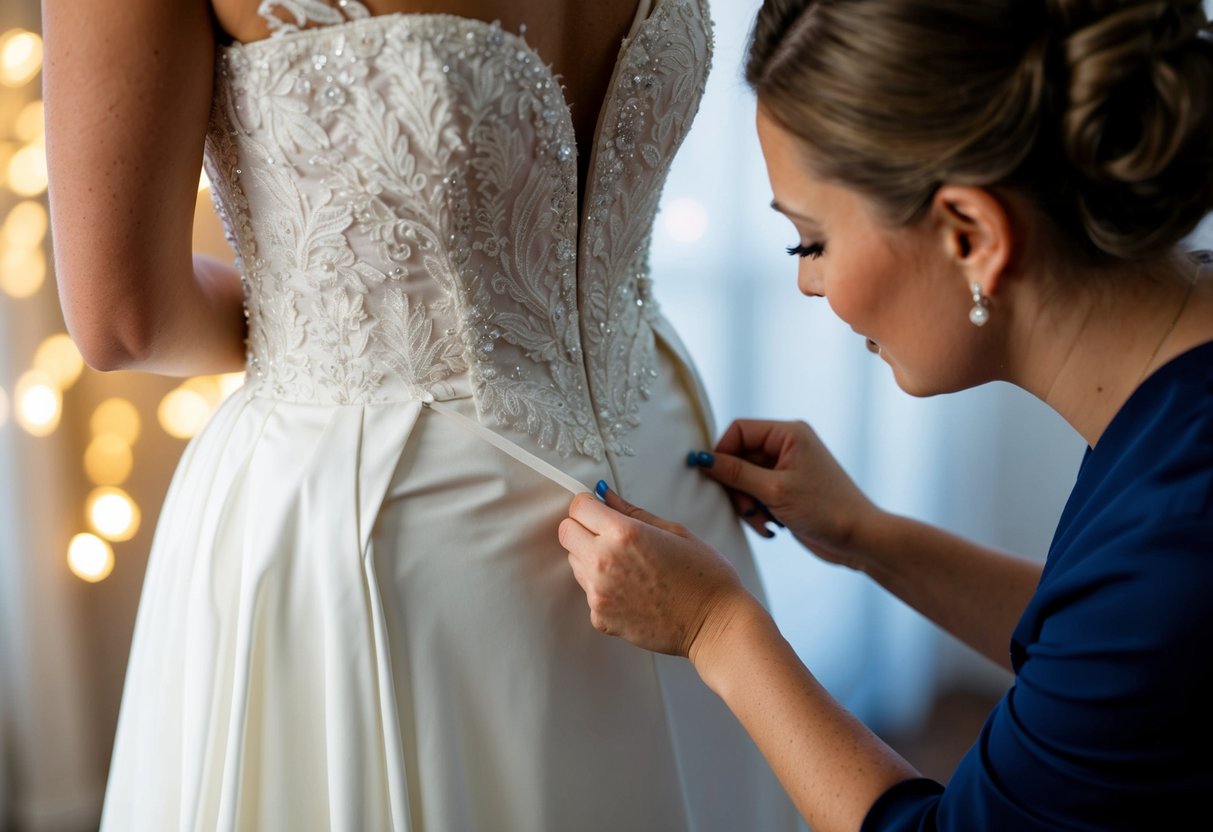
Getting your wedding dress altered is an essential step in ensuring it fits you perfectly. This process involves working closely with a seamstress and scheduling multiple fittings. Each of these steps plays a vital role in achieving the ideal look for your special day.
Working with a Seamstress
Choosing the right seamstress is key to a smooth alteration process. Start by finding someone who specializes in bridal gowns. Check their reviews and ask for recommendations from friends or bridal shops.
When you meet with your seamstress, bring your dress and any undergarments you’ll wear on your wedding day. This helps her understand how the dress should fit. Discuss any specific changes you want, like adjusting the hem or taking in the sides.
Be open to her professional advice, as she may suggest alterations you hadn’t considered. Clear communication with your seamstress ensures that your vision aligns and builds trust between you.
Scheduling Fittings and Adjustments
Timing is crucial when scheduling fittings. Ideally, begin the alteration process about two to three months before your wedding. This allows enough time for adjustments and any additional fittings if needed.
At your first fitting, the seamstress will mark where adjustments are necessary. You might need two to three fittings total, depending on the complexity of your dress and the changes required.
During each fitting, wear the same undergarments and shoes you’ll use on your wedding day. This ensures the most accurate fit. After the final fitting, confirm that you’re satisfied with every detail before you leave. This attention to detail will make your big day even more special.
Final Preparations and Considerations

As your wedding day approaches, focus on the final touches that will enhance your look and ensure everything runs smoothly. Paying attention to details, including accessories and managing last-minute tasks, is key to a successful celebration.
Accessorizing Your Look
Choosing the right accessories can elevate your wedding dress and complete your look. Think about your wedding shoes first. They should match your dress and be comfortable for a long day. Consider the height of the heels and how they work with your gown.
Bridal accessories, like veils and jewelry, can also play a big role. If your wedding has a specific theme, choose items that fit that style. For example, vintage accessories work well with retro themes, while sleek, modern pieces suit contemporary settings.
Don’t forget to consider your bridal portraits. Select accessories that enhance your features and photograph well. The right choices will help you feel confident and beautiful on your special day.
Managing Last-Minute Details
As the date nears, you need to organize last-minute details. Create a checklist to keep everything on track. This should include things like confirming the wedding venue details and double-checking rental items.
If you need to make last-minute changes or alterations to your dress, be cautious. Some shops may charge rush fees for quick services. Plan for any adjustments as soon as possible to avoid these extra costs.
Finally, ensure that all essential items are packed and ready. Consider gifts for your wedding party or any personal items you’ll need for your big day. With careful planning and attention to detail, everything will come together beautifully.