
How to Become a Solemniser: A Friendly Guide to Officiating Ceremonies
Becoming a solemniser can be a rewarding journey for those who wish to officiate weddings and other significant ceremonies. To become a solemniser, you typically need to meet certain requirements. These include being nominated by a relevant body and completing any necessary training or registrations. This role allows you to facilitate civil, religious, secular, interfaith, and even naming ceremonies, connecting deeply with couples and families during their most cherished moments.
As a solemniser, you hold the responsibility of making each ceremony unique and meaningful. Whether you are conducting a wedding ceremony or a naming ceremony, your ability to connect with individuals and understand their needs can make all the difference. If you have a passion for celebrating love and life events, this path may be the perfect fit for you.
With people increasingly seeking personalized experiences for their ceremonies, the demand for qualified celebrants is growing. This blog post will guide you through the steps to become a solemniser, helping you understand the requirements and opportunities in this fulfilling field.
Understanding the Role of a Solemniser
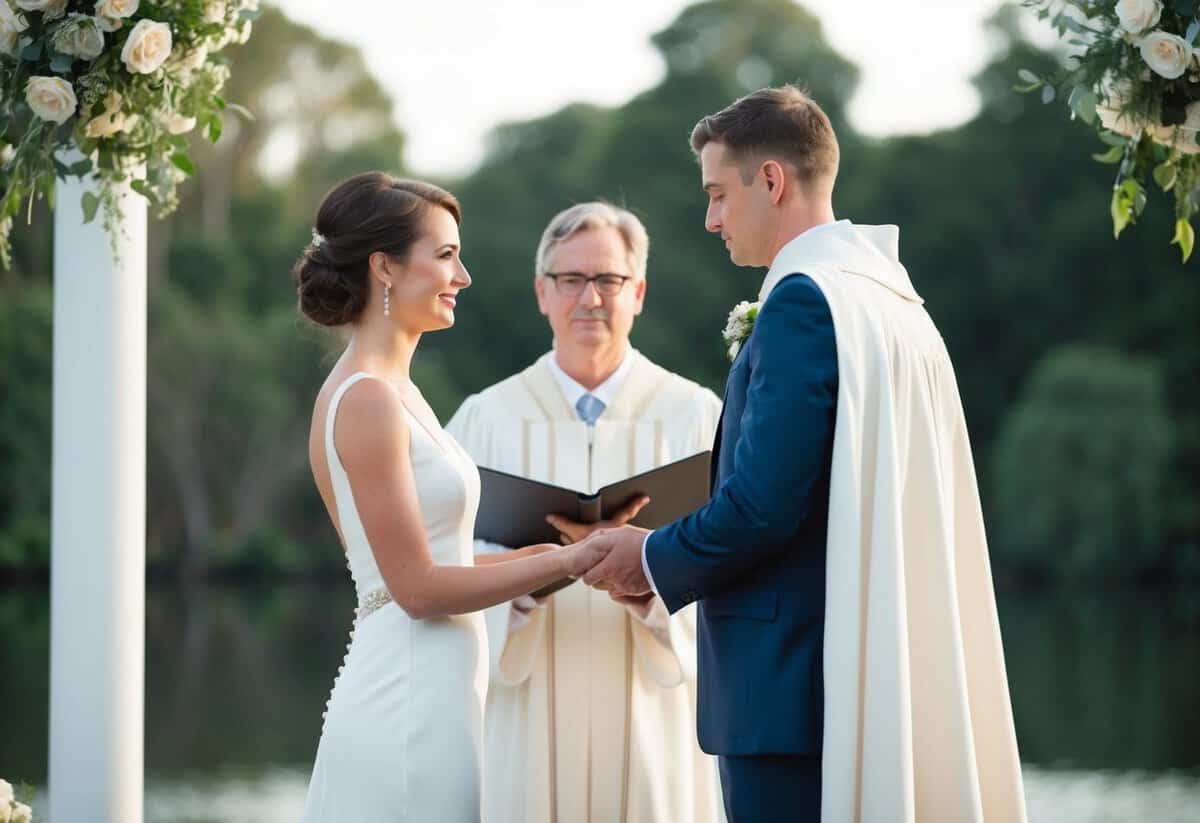
A solemniser plays a crucial role in officiating marriage ceremonies, ensuring that they are conducted according to legal requirements. This section discusses the various types of solemnisers, their legal responsibilities, and the types of ceremonies they can perform.
Varieties of Solemnisers
There are different types of solemnisers you might encounter. Civil solemnisers are typically employees of the Health Services Executive and are responsible for conducting legally-binding civil ceremonies. These are often straightforward, secular events.
On the other hand, you have celebrants who may be part of a secular body, like humanist celebrants, or religious organisations. They can conduct ceremonies that reflect personal beliefs, whether religious or spiritual. For example, the Spiritualist Union of Ireland provides independent officiants for spiritual ceremonies.
Legal Responsibilities
As a solemniser, you have important legal duties. Your primary role is to ensure that the marriage ceremony meets all legal requirements. This includes checking that all necessary documents, such as the Marriage Registration Form (MRF), are completed correctly.
If you’re a civil solemniser, you must follow specific guidelines set by the law. Failure to do so could result in the ceremony being deemed invalid. Celebrants may not have the same legal requirements, but they must still ensure that their ceremonies are meaningful to the couple while adhering to any relevant laws.
Types of Ceremonies
Solemniser conduct various types of ceremonies based on the couple’s preferences. A civil ceremony led by a solemniser is the most straightforward option for legally marrying. This type focuses on legal obligations and often takes place in a registry office.
In contrast, celebrants can offer more personalized experiences. They often perform non-legally-binding ceremonies that focus on individual beliefs and values. Some couples may also choose religious ceremonies, which are enriched with traditional practices.
No matter the type, a solemniser helps set the tone for the wedding day, making it memorable for everyone involved.
Becoming a Solemniser in Ireland
If you want to become a solemniser in Ireland, it’s important to understand the legal requirements, the necessary qualifications, and the registration process. Here are the details you’ll need to navigate this pathway successfully.
Legal Prerequisites
To perform marriages in Ireland, you must meet certain legal requirements. You must be at least 18 years old. You also need to be a member of a recognized religious or secular body.
These organizations help ensure that solemnizers follow necessary guidelines. If you are not part of a religious group, you can look into becoming a member of an accredited body such as FuturFaith. This option is good for those who want to be celebrants without traditional religious ties.
Training and Qualifications
Training is essential as a solemniser. While formal qualifications are not always needed, having skills in public speaking is very helpful.
You can consider enrolling in online training programs specifically for celebrants. Many organizations offer courses that cover the basics of conducting ceremonies. Completing celebrant training can prepare you to handle various aspects of officiating, from planning the ceremony to ensuring that all legal requirements are met.
Registration Process
The registration process involves several key steps. First, you must be nominated by a registered nominator from a recognized body. This nomination allows you to apply for the Register of Solemnisers through the General Register Office.
Once your application is submitted, it will be reviewed by the registration authority. If approved, your details will be included in the Register of Solemnisers, making you eligible to officiate marriage ceremonies. Remember, being listed in this register is crucial for the validity of any wedding you officiate.
The Business of Being a Solemniser
If you are looking to become a solemniser, it is important to build a strong presence in the wedding industry. Networking, promoting your services, and establishing an online presence are key strategies to succeed.
Networking and Promotion
Building relationships is vital in this field. Connect with other professionals such as wedding planners, photographers, and venues. Attend local events to meet potential partners.
You can also join groups like the Academy of Modern Celebrancy, which offers training and networking opportunities for aspiring wedding celebrants in Ireland.
Use social media platforms to share your experiences and showcase your ceremonies. Engaging content can attract couples looking for someone to officiate their wedding.
Don’t forget to ask for referrals from couples you’ve worked with; word of mouth can be powerful in generating new clients.
Leveraging Wedding Fairs
Wedding fairs provide an excellent opportunity to reach couples planning their big day. Set up a booth to show off your services, and offer brochures that detail your qualifications.
Engage with visitors by talking about what makes your ceremonies special. Provide a sign-up sheet for interested couples to receive more information.
Consider offering a giveaway, like a discount for those who book on the day. This can help create excitement around your services and encourage immediate bookings.
Building partnerships with other vendors at these fairs can also open new avenues for referrals and collaborations.
Online Presence
Having a strong online presence is crucial. Create a professional website that highlights your services, experience, and testimonials from happy couples. Use high-quality images from past weddings to attract visitors.
Social media is another key tool. Share posts about your ceremonies, tips for couples, and insights about becoming a celebrant. Platforms like Instagram and Facebook allow you to engage directly with your audience.
Consider starting a blog where you discuss topics related to wedding ceremonies. This not only showcases your expertise but also improves your search engine ranking.
The more visible you are online, the easier it is for couples to find and choose you as their solemniser.
Cultural and Religious Considerations
Cultural and religious aspects play a significant role in wedding ceremonies. You should understand various traditions and how to incorporate them into your solemnization work. These considerations will help you respect the beliefs of the couples you serve and create memorable ceremonies.
Understanding Diverse Traditions
Marriage has different meanings across cultures and religions. For instance, interfaith ceremonies blend traditions from two faiths, allowing couples to honor their backgrounds. In contrast, secular ceremonies focus more on personal vows and values, without the influence of any religion.
It’s essential to familiarize yourself with the specific rituals and customs particular to each couple’s heritage. You can start by asking about their traditions during initial meetings. Understanding their background will help you respect their beliefs while meeting legal requirements.
Inclusive Ceremony Planning
Inclusive ceremony planning ensures that everyone feels welcome. You might encounter couples wanting a humanist ceremony, which emphasizes human values over religious beliefs.
As an officiant, you must discuss the couple’s vision. Involve them in planning elements like readings, music, and rituals. Discussing these details will also help you integrate meaningful customs, like lighting a unity candle or using specific prayers, if requested.
Respect for each tradition can create a harmonious atmosphere. Whether working with a Roman Catholic priest or a secular couple, it’s your role to ensure that everyone feels valued and included.
Customizing Ceremonies
Each ceremony should reflect the couple’s unique relationship and beliefs. Customizing ceremonies means considering personal touches that resonate with the couple and their families.
Incorporate significant symbols or readings that are meaningful to them. For example, a religious officiant from the diocesan office might include certain prayers. Emphasizing these elements can make the ceremony more personal and memorable.
Always remain open to feedback and adapt the ceremony as needed. This flexibility shows your commitment to respecting their wishes while fulfilling your duties as a solemniser.